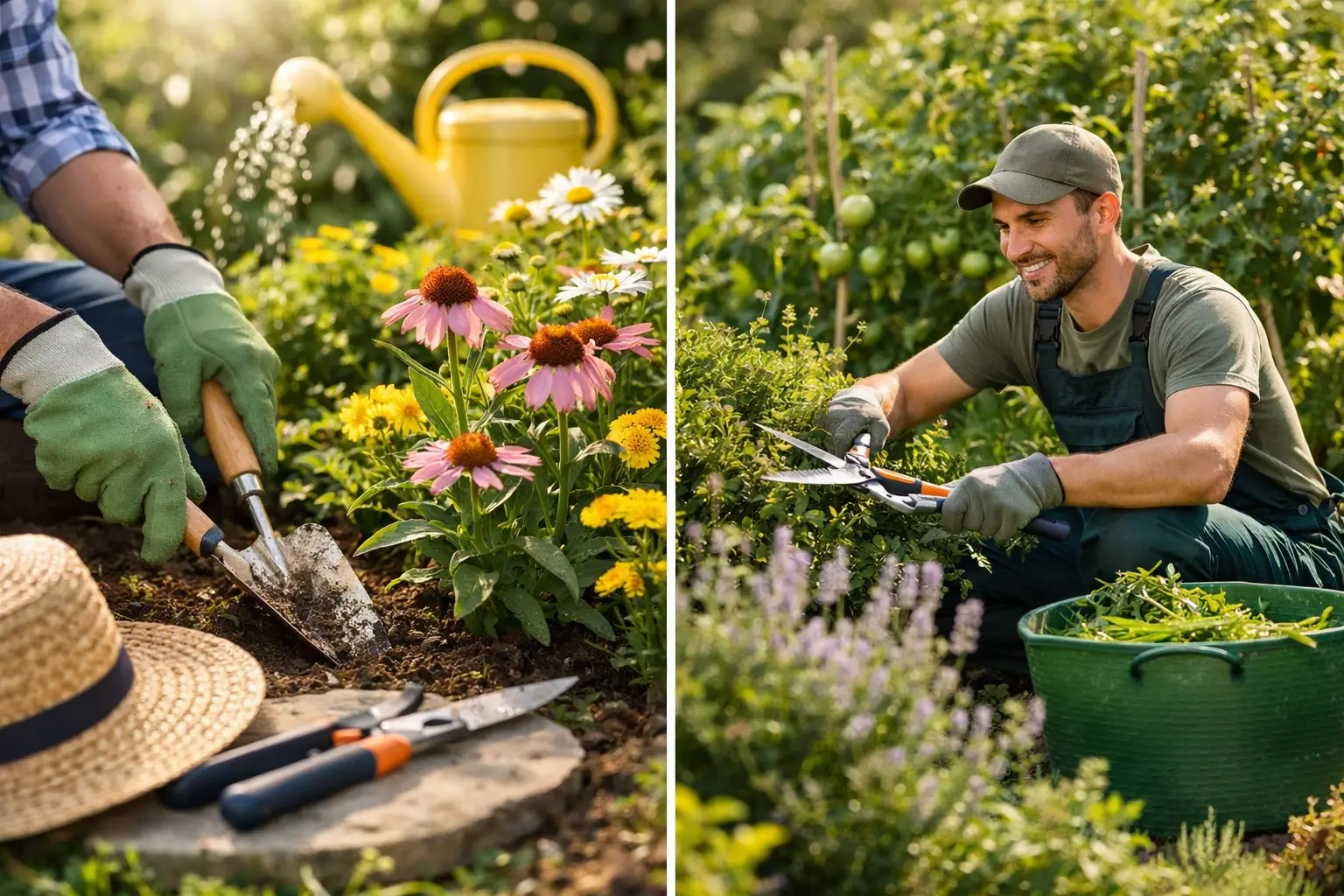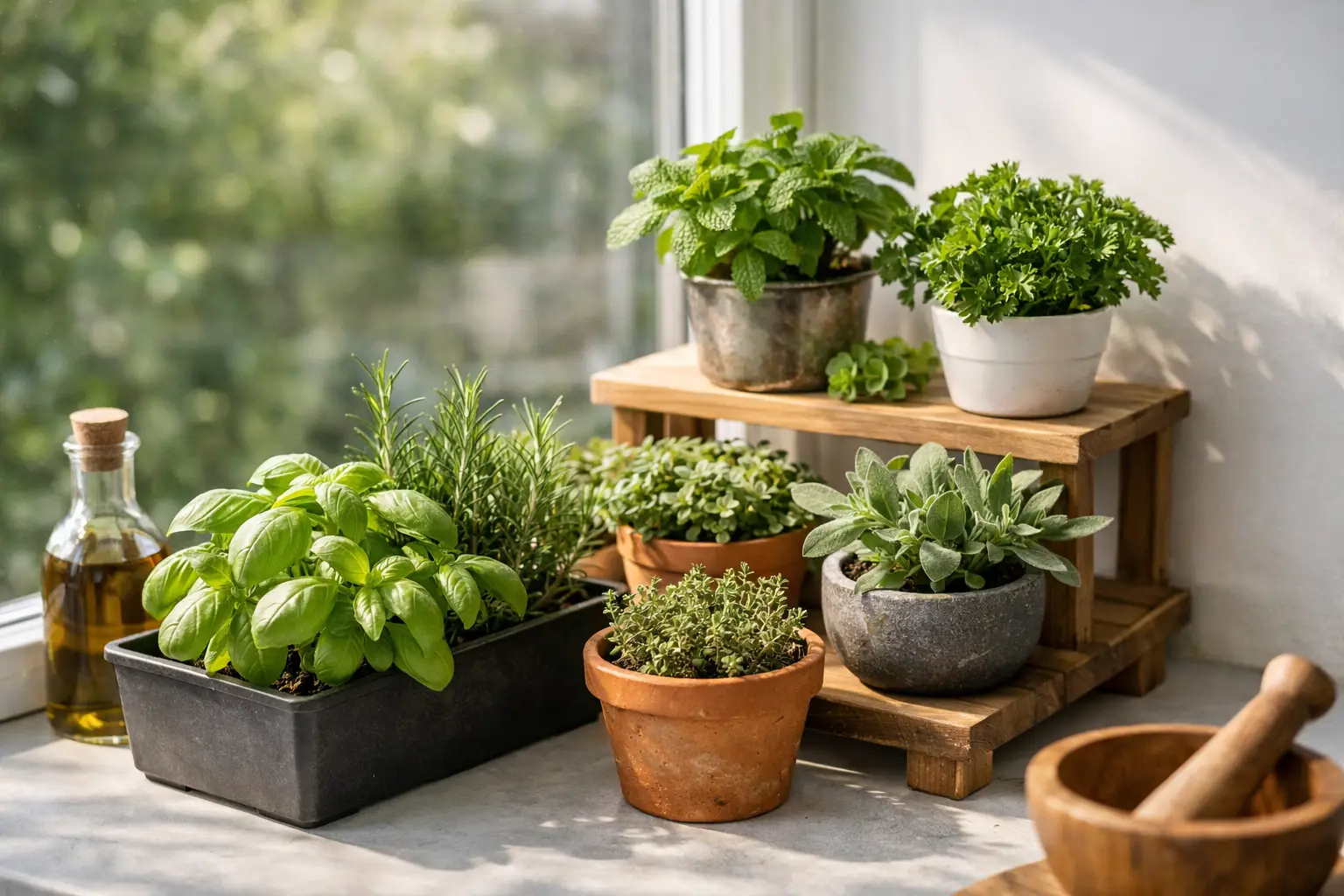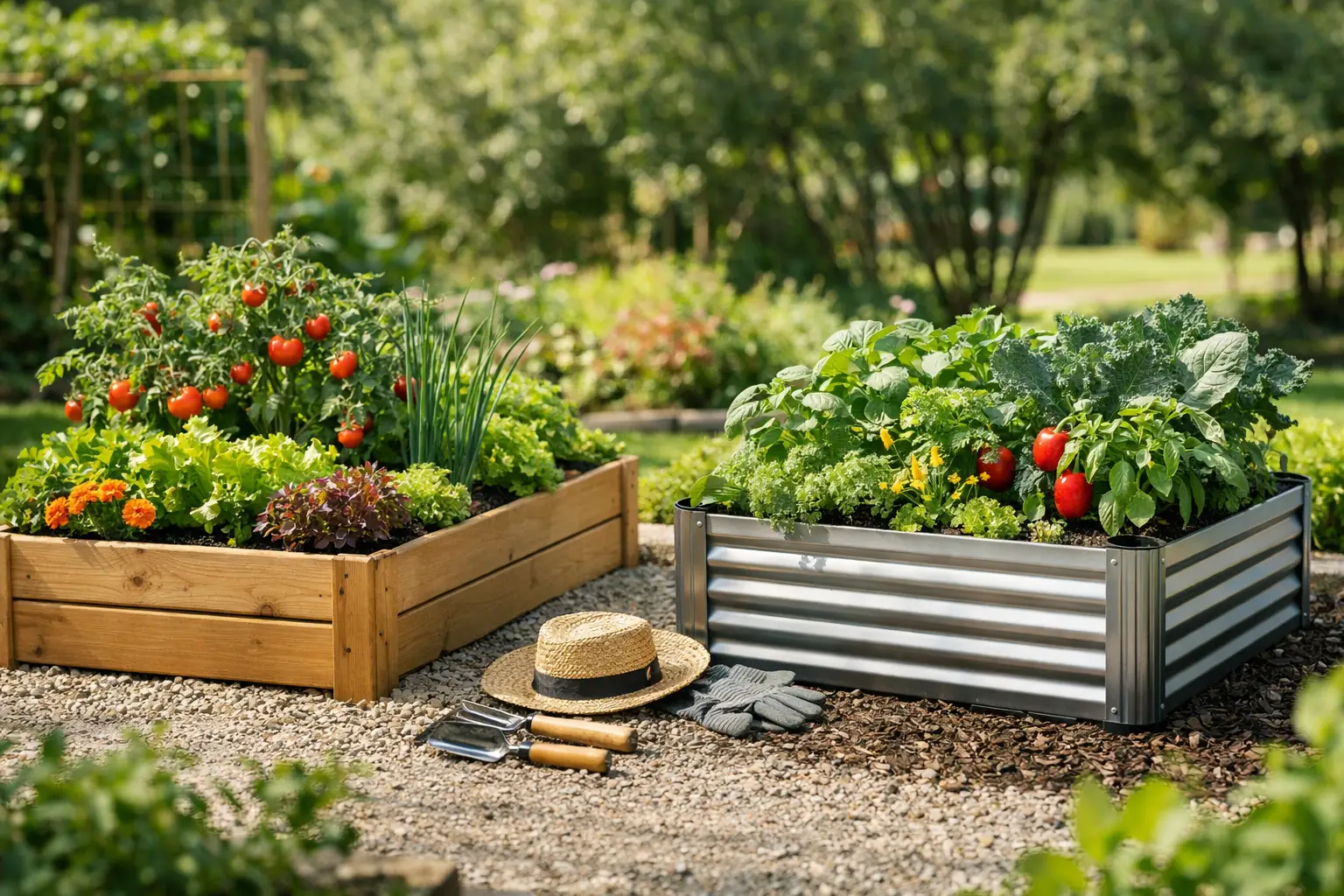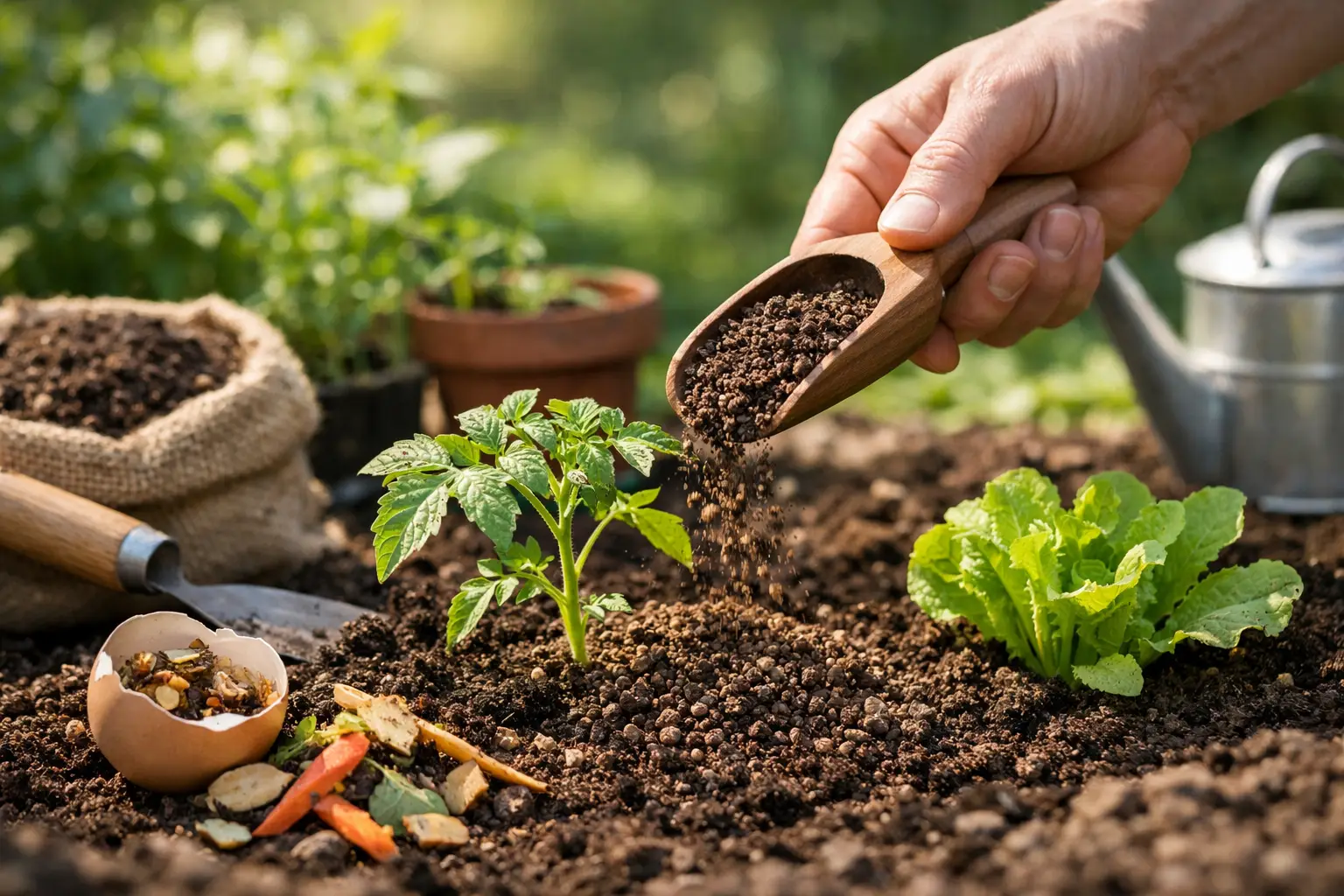
The first time a gardener switches from synthetic plant food to organic fertilizer, the biggest surprise is usually this: nothing dramatic happens overnight. No sudden burst of neon-green leaves. No instant growth spurt by the weekend. But give it a little time, and the garden starts to feel different. The soil holds moisture better, plants grow more steadily, and problems caused by overfeeding become a lot less common.
That slower, steadier payoff is exactly why organic fertilizer works so well in home gardens. It feeds plants, but it also feeds the life in your soil. And once your soil starts doing more of the heavy lifting, gardening gets simpler.
What organic fertilizer actually does
Organic fertilizer is made from natural materials such as composted manure, bone meal, fish emulsion, kelp, alfalfa, worm castings, and plant-based ingredients. Instead of delivering nutrients in a fast, highly concentrated form, it releases them gradually as soil microbes break everything down.
That matters because plants do not grow in isolation. Their roots interact with fungi, bacteria, organic matter, moisture, and air pockets in the soil. When you use organic inputs, you are supporting that whole system instead of just pouring nutrients on top of it.
This does not mean organic fertilizer is always better in every situation. If a plant is severely nutrient-deficient and needs a quick correction, some organic options work faster than others, but they are still usually gentler than synthetic fertilizers. That is often a benefit, especially for beginners, because gentler feeding leaves less room for mistakes.
Why organic fertilizer is a better fit for many home gardens
In a backyard vegetable bed, a patio tomato pot, or a row of herbs by the kitchen door, steady growth usually beats explosive growth. Fast, overly lush growth can attract pests, create weak stems, and leave you chasing watering problems all summer.
Organic fertilizer tends to support balanced growth. It improves soil texture over time, helps the soil retain nutrients longer, and reduces the risk of burning roots when used properly. If you are growing around kids, pets, or edible crops, many gardeners also feel more comfortable using products made from familiar natural ingredients.
The trade-off is patience. Organic feeding works best when you think a little ahead. You are building fertility, not just fixing a problem in the moment.
The main types of organic fertilizer
Not all organic fertilizers behave the same way, and this is where many gardeners get tripped up. A bag labeled organic is not automatically the right fit for every plant.
Granular organic fertilizer
Granular products are the easiest place to start. They are dry, easy to store, and usually designed for slow release. You sprinkle them around plants or mix them into the soil before planting. These are a good choice for raised beds, vegetable gardens, shrubs, and long-season crops like tomatoes and peppers.
If you want a simple routine, this is often it. Feed at planting time, then reapply based on the product label and how heavily your plants are growing.
Liquid organic fertilizer
Liquid options such as fish emulsion, seaweed extract, and liquid kelp act faster because nutrients are available sooner. They are useful when container plants need a boost or when crops are entering a demanding stage like flowering and fruiting.
The downside is that liquids do not last as long in the soil, so they usually need more frequent application. They can also smell strong, which is not always ideal on a small patio.
Compost and worm castings
These are not always thought of as fertilizer first, but they are some of the best soil builders you can use. Compost adds organic matter and a broad range of nutrients in modest amounts. Worm castings are especially helpful for seedlings, transplants, and containers because they are gentle and microbe-rich.
If your soil is tired, compacted, or dries out too fast, compost may do more for your garden than a stronger fertilizer ever could.
How to choose the right organic fertilizer
Start with the plant, then look at the growing space.
Leafy crops like lettuce, kale, and herbs usually appreciate a fertilizer with a little more nitrogen for green growth. Fruiting crops like tomatoes, peppers, and cucumbers need balanced feeding early on, then enough phosphorus and potassium to support flowering and fruit set. Root crops do best when you avoid overdoing nitrogen, or you may get lots of leafy tops and disappointing roots.
Next, consider where the plant is growing. Containers lose nutrients faster than in-ground beds, so they often need more regular feeding. Raised beds are somewhere in the middle. Established in-ground gardens with good compost habits may need less fertilizer than you think.
Then read the label. The N-P-K numbers tell you the ratio of nitrogen, phosphorus, and potassium. You do not need to memorize plant chemistry, but it helps to know whether you are buying an all-purpose blend or something geared toward blooms, roots, or leafy growth.
When to apply organic fertilizer
Timing matters almost as much as the product itself. A lot of feeding mistakes happen when gardeners fertilize on a fixed schedule without paying attention to plant stage.
For most vegetables, mixing organic fertilizer into the soil at planting time gives young plants a strong start. After that, side-dress with granular fertilizer or use a diluted liquid feed once plants are actively growing.
Heavy feeders such as tomatoes, squash, corn, and cucumbers often benefit from another round as they begin flowering. Lettuce, spinach, and other quick greens may only need light feeding if the bed already has compost.
Do not keep feeding heavily late in the season just because the plant is still green. Extra fertilizer will not always translate into more harvest, and it can sometimes push soft new growth that struggles in heat or cooler fall weather.
Common mistakes with organic fertilizer
The most common mistake is assuming organic means impossible to overdo. It is still possible to apply too much, especially with concentrated products. Too much nitrogen can lead to leafy plants with fewer flowers and fruit. Too much fertilizer in containers can build up salts and stress roots, even with organic products.
Another mistake is relying on fertilizer to solve a soil problem. If your soil drains poorly, stays compacted, or dries out constantly, fertilizer alone will not fix that. Compost, mulch, and better watering habits are often the real answer.
One more issue is using the same product for everything. A single all-purpose organic fertilizer can work well in many gardens, but you may need to adjust for seedlings, containers, or fruiting crops. Gardening gets easier when you stop looking for one perfect product and start matching the feed to the job.
A simple feeding approach that works
If you want to keep things easy, use this mindset: build the soil first, fertilize second.
Start each season by adding compost to beds and containers. At planting time, mix in a balanced granular organic fertilizer. Once plants are established, watch how they grow. If container vegetables start slowing down, use a liquid organic feed every couple of weeks. If garden beds are producing well, do not add more just because the calendar says so.
That approach is less flashy than a strict feeding program, but for most home gardeners it works better. It leaves room for observation, which matters more than any chart.
I have seen plenty of struggling plants improve not because they got more fertilizer, but because they got the right amount at the right time, in soil that could actually support them. That is the quiet strength of organic gardening. You are not forcing growth. You are creating conditions where healthy growth is more likely.
If you are new to organic fertilizer, keep it simple for one season. Pick one reliable granular product, add compost where you can, and pay attention to how your plants respond. The garden will teach you plenty once you stop trying to rush it.