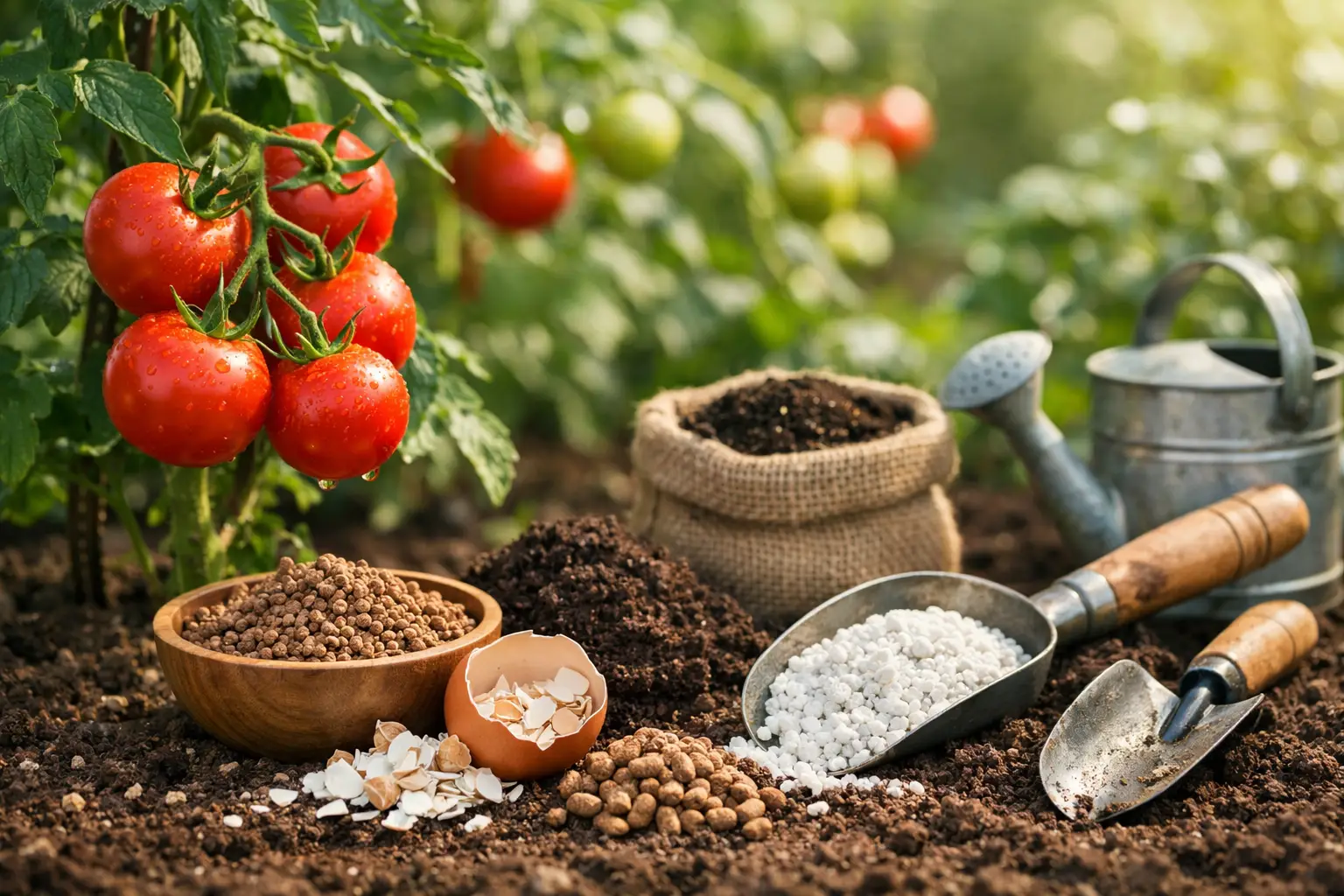
A tomato plant can look hungry even when the soil is full of nutrients. That is usually where the organic vs synthetic fertilizer question starts for home gardeners – not as a big philosophy debate, but as a practical one. You want healthier plants, better harvests, and something that feels safe around your food, pets, and family.
If you have ever stood in the garden center holding two very different bags of fertilizer and wondering which one will actually help, you are not alone. The short answer is that both can feed plants, but they do it in very different ways. The better choice depends on what you are growing, how quickly your plants need help, and what kind of garden you want to build over time.
Organic vs synthetic fertilizer: what is the difference?
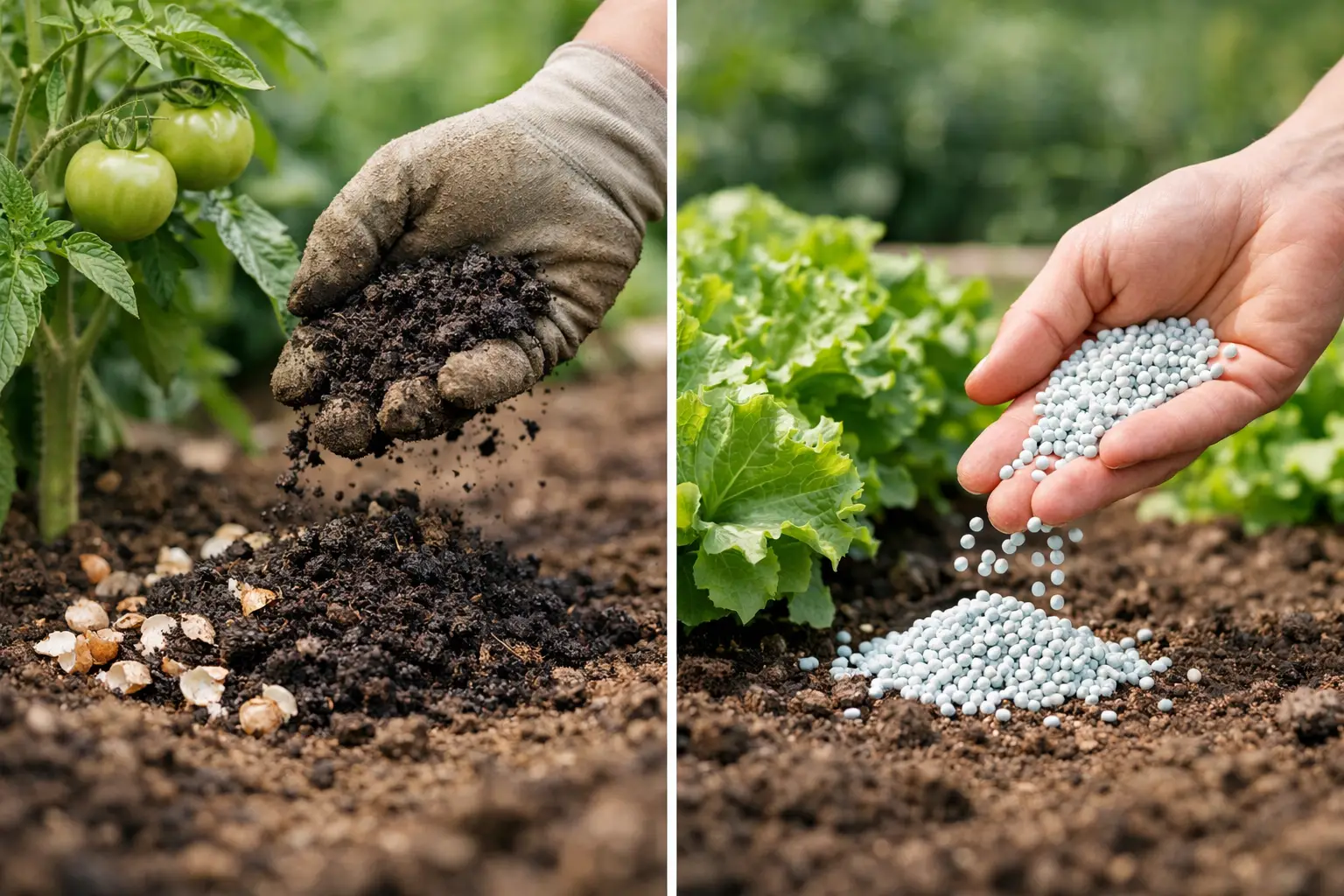
Organic fertilizer comes from natural sources such as compost, manure, bone meal, fish emulsion, seaweed, alfalfa meal, or worm castings. These materials feed soil life as they break down, and then that soil life helps make nutrients available to your plants.
Synthetic fertilizer, sometimes called chemical or conventional fertilizer, is manufactured to provide nutrients in a readily available form. It is usually labeled with a clear N-P-K ratio, which stands for nitrogen, phosphorus, and potassium. Those nutrients are often available to plants very quickly.
That speed is the biggest difference. Organic fertilizers tend to work more gradually because they depend on microbial activity and decomposition. Synthetic fertilizers tend to act fast because the nutrients are already in a form plants can absorb.
Neither category is automatically perfect or terrible. The real story is in the trade-offs.
Why many gardeners prefer organic fertilizer
Organic fertilizer does more than feed the plant in front of you. It helps build the soil that will support the next crop, and the one after that. For a home garden, especially a vegetable bed or container setup you plan to use season after season, that matters.
Healthy soil has structure, moisture-holding ability, and life in it. When you add compost, worm castings, or other organic inputs, you are not just adding nutrients. You are improving the soil’s ability to hold onto those nutrients, buffer moisture swings, and support beneficial microbes.
That often translates into steadier growth and fewer dramatic ups and downs. Plants may not shoot up overnight, but they tend to grow in a more balanced way. Gardeners who switch to organic feeding often notice that their soil gets easier to work with and their plants become less finicky over time.
Organic options also fit well with an eco-conscious garden approach. Many home gardeners simply feel better using products derived from natural sources, especially around edible crops, pollinator-friendly beds, and spaces where kids or pets spend time.
That said, organic fertilizer is not magic. It can be slower to correct a serious deficiency, and some products have lower nutrient concentrations. If a plant is already struggling badly, patience may not be enough.
Where synthetic fertilizer shines
Synthetic fertilizer is popular for a reason. It is predictable, concentrated, and fast. If your lettuce is pale, your lawn is yellowing, or your potted annuals need a quick push, a synthetic fertilizer can deliver nutrients almost immediately.
That speed can be helpful when plants are actively growing and clearly underfed. It is also convenient. The nutrient ratios are easy to read, and you can match a product to a plant’s needs with less guesswork.
For beginners, that clarity can feel reassuring. A label that says 10-10-10 or 20-20-20 looks straightforward, while organic products sometimes seem vague by comparison.
But synthetic fertilizer has limits too. It feeds the plant, not the soil ecosystem in the same way organic matter does. Over time, relying only on synthetic feeding can leave soil structure and biological health untouched or, in some cases, less resilient if the soil is already poor.
There is also a higher risk of overdoing it. Because synthetic fertilizers are concentrated and fast-acting, too much can burn roots, push weak leafy growth, or lead to nutrient runoff after watering or rain.
Organic vs synthetic fertilizer for vegetables
For most home vegetable gardens, organic fertilizer is usually the better long-game choice. Vegetables do best in rich, living soil, and that is exactly what organic feeding helps create.
Tomatoes, peppers, cucumbers, squash, beans, and leafy greens all benefit from steady nutrition and good soil moisture. Compost mixed into beds, plus an organic granular fertilizer or liquid feed during the season, gives many gardeners better overall results than chasing fast growth with strong synthetic products.
This is especially true in raised beds, where soil quality is everything. In a small growing space, every inch of soil has to work harder. Organic matter helps with nutrient retention and water management, which can make a huge difference in summer.
Still, there are moments when a synthetic fertilizer can seem tempting. If a heavy-feeding crop is lagging and fruiting season is already underway, quick nutrients may help. The catch is that fast green growth is not always the same thing as stronger, healthier production. Too much nitrogen, especially, can give you giant tomato plants with fewer tomatoes.
If your goal is healthy food and a more forgiving garden, organic methods usually line up better.
The biggest mistakes gardeners make with both
The first mistake is treating fertilizer like a cure-all. If a plant is drooping because of overwatering, poor drainage, compacted roots, or lack of sun, more fertilizer will not fix it. In fact, it may make things worse.
The second mistake is feeding on a schedule without looking at the plant and soil first. A container tomato in July has very different needs from a newly planted shrub in spring. Context matters.
The third mistake is assuming organic means impossible to overapply. While organic fertilizers are generally gentler, too much can still create problems. Excess nitrogen is excess nitrogen, whether it came from a factory or a feather meal bag.
And with synthetic fertilizer, the classic mistake is applying full strength when half strength would do. Many home gardeners get better results by feeding more lightly and more thoughtfully.
How to choose what fits your garden
If you are building or improving garden soil, organic fertilizer makes the most sense. It supports long-term soil health and works with the natural systems that help plants thrive. For backyard vegetables, herbs, pollinator beds, and most raised beds, that is usually the best foundation.
If you need a quick correction for a clearly hungry plant, a synthetic option can act faster. This tends to come up more in containers, annual flower pots, or situations where plants are growing fast and nutrients wash out quickly.
A lot of real gardens end up using a middle-ground approach, even if the gardener leans strongly organic. You might build your beds with compost and organic fertilizer, then use a gentle liquid feed when plants are under pressure. The point is not to follow a rule for the sake of it. The point is to understand what each product is doing.
For gardeners who want the simplest path, this is a good working approach: focus first on compost and soil quality, use organic fertilizer as your main feed, and only reach for faster products when there is a clear reason.
A practical feeding approach for home gardeners
Start with the soil before you start with the bag. Add compost at planting time or between seasons whenever you can. That one habit solves more garden problems than most fertilizers ever will.
Next, choose an organic fertilizer that fits what you grow. A balanced all-purpose product works well for many beds, while fruiting vegetables often appreciate something designed for tomatoes or garden crops. Follow the label, but stay observant. Your plants will tell you whether they are thriving.
For containers, expect to fertilize more often because nutrients leach out faster with watering. Organic liquid feeds like fish emulsion or seaweed can be useful here because they are easy to apply and gentler than many synthetic mixes.
If a plant looks stressed, pause before feeding. Check moisture, sunlight, drainage, and signs of pests or disease. Fertilizer works best when the basics are already in place.
So which one should you use?
If your goal is a healthier, more resilient garden that gets better over time, organic fertilizer is usually the better fit. It supports the soil, not just the plant, and that matters in home gardens where long-term health is part of the reward.
Synthetic fertilizer has a place when speed and precision matter, but it asks for a lighter touch and more caution. For many gardeners, especially those growing food at home, the biggest wins come from building living soil first and treating fertilizer as support rather than a shortcut.
A good garden rarely comes from one perfect product. It comes from paying attention, improving the soil a little each season, and choosing the option that helps your plants without making the whole process feel harder than it needs to be.