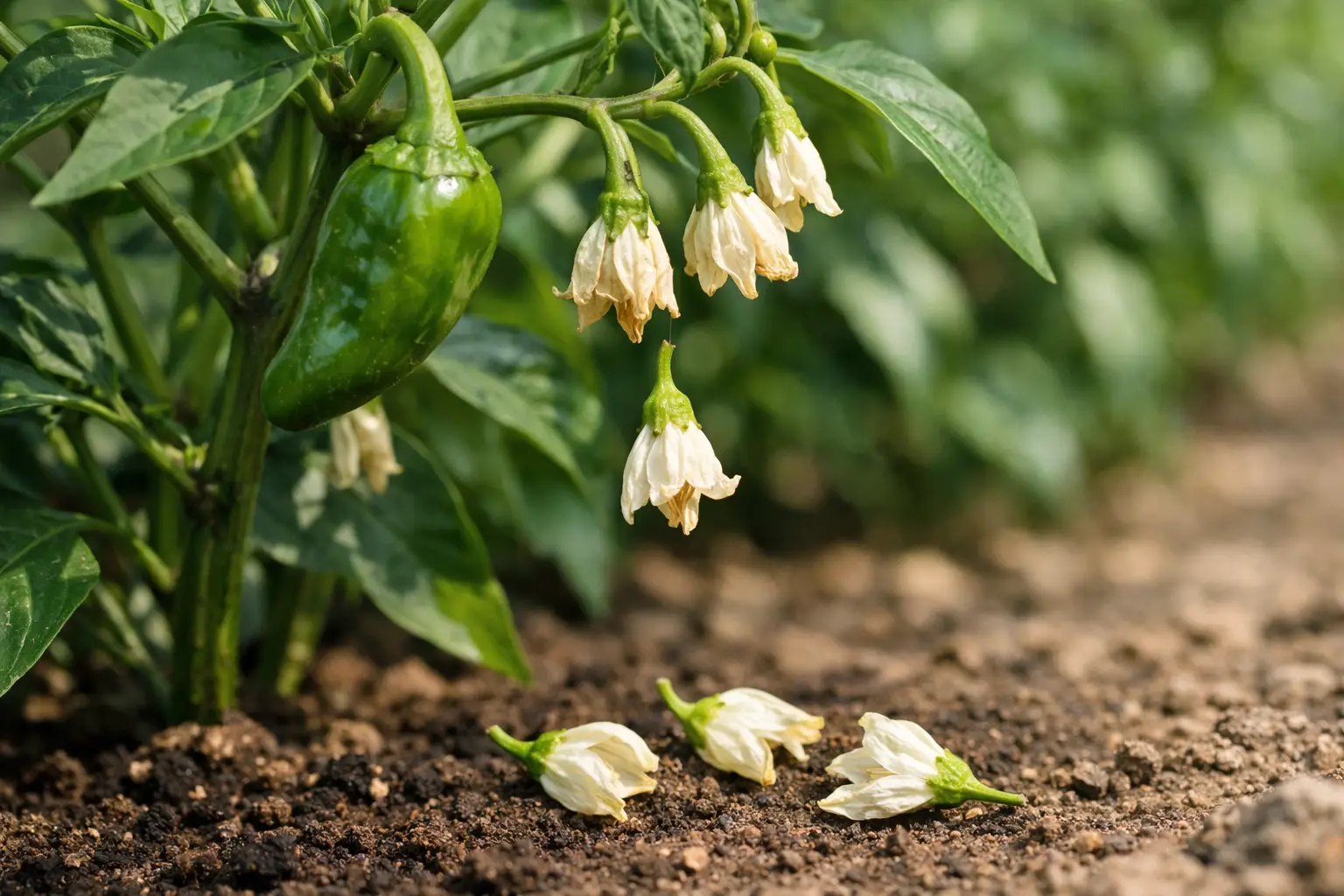
You wait for that first wave of pepper blooms, start picturing baskets of jalapenos or sweet bells, and then the flowers fall right off. If you have been asking, why are my peppers dropping flowers, the good news is that this is a very common problem – and in many cases, it is fixable.
Pepper plants are a little fussy when they are trying to set fruit. A healthy-looking plant can still drop blossoms if the weather swings, the watering gets uneven, or the plant puts more energy into leaf growth than fruit production. The key is figuring out which kind of stress your plant is reacting to, then making a few steady corrections instead of trying ten things at once.
Why are my peppers dropping flowers in the first place?
Flower drop is the plant’s way of protecting itself. When conditions are not right for making seeds and fruit, peppers often abort blossoms rather than spend energy on peppers they may not be able to mature.
That sounds dramatic, but it is actually normal. A pepper plant does not keep every single flower. Some natural blossom drop happens even on productive plants. The problem is when lots of flowers fall and little or no fruit starts forming.
Most of the time, the cause comes down to temperature, watering, pollination, nutrition, or general stress from transplant shock, pests, or crowding. Sometimes it is one issue. More often, it is a combination.
Temperature is the most common culprit
Peppers like warm weather, but there is a point where warm turns into stressful. If daytime temperatures push into the mid-90s and nights stay hot, blossoms may drop before they can set fruit. Bell peppers are especially prone to this, though hot peppers can also struggle in prolonged heat.
Cool weather can do it too. If nights are still dipping below about 55 degrees in late spring, the plant may bloom but fail to hold those flowers. This is one reason early pepper plants sometimes look promising and then stall.
If heat is the issue, there usually is not a magic fix. What helps is reducing added stress. Keep soil moisture even, mulch around the base to cool the roots, and give container plants a little afternoon shade during extreme heat. In many gardens, fruit set improves again when temperatures settle down.
If cool nights are the problem, patience often solves it. Once conditions warm up consistently, the plant usually starts holding flowers better.
Uneven watering can trigger blossom drop fast
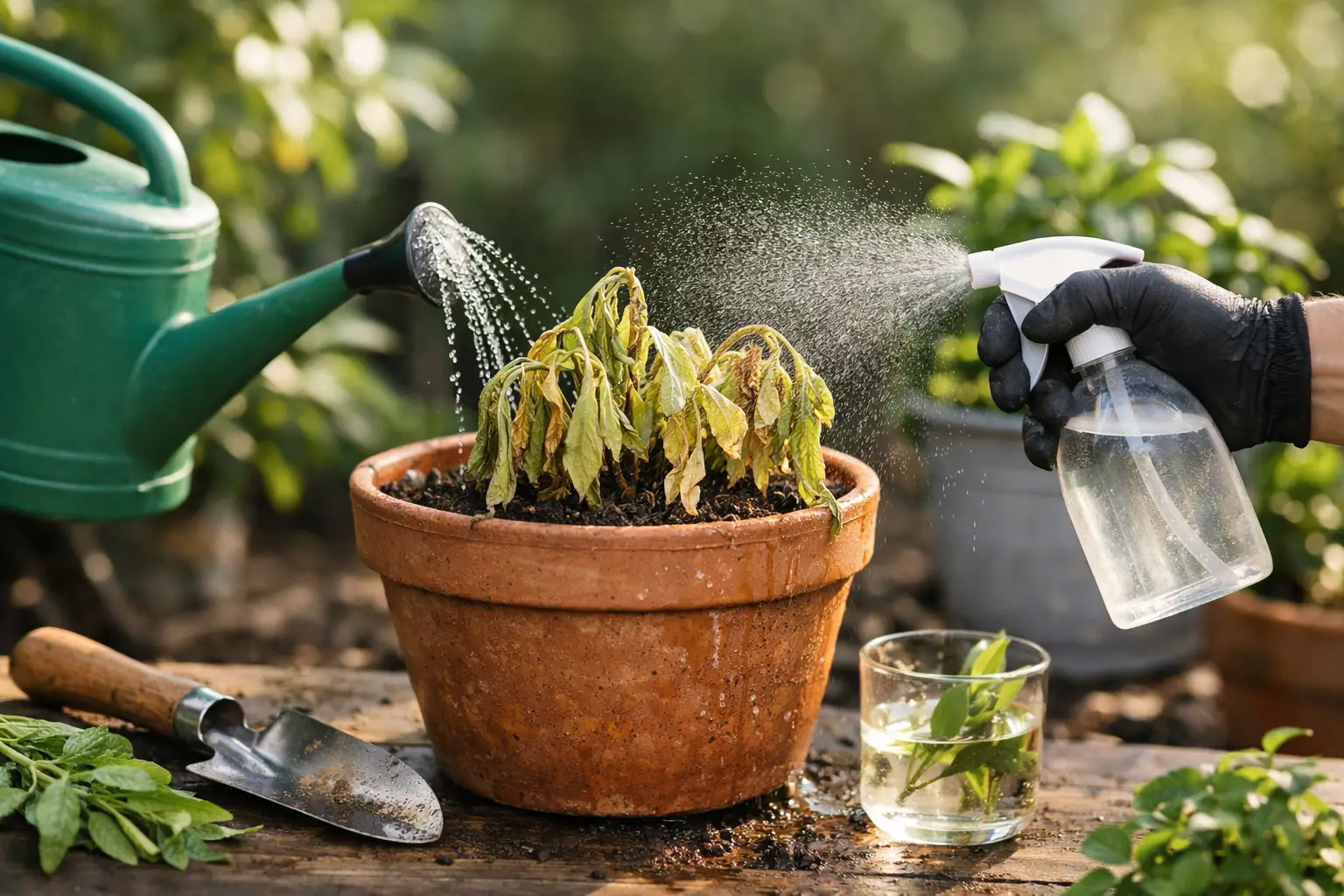
Peppers do best with steady moisture, not soggy soil and not repeated drought. When a plant dries out hard, then gets flooded, it reacts like a plant under stress because that is exactly what it is.
Blossom drop from watering issues is especially common in containers, raised beds, and during hot spells when soil dries faster than usual. Sometimes gardeners are watering often, but only wetting the top inch of soil. The roots underneath are still thirsty.
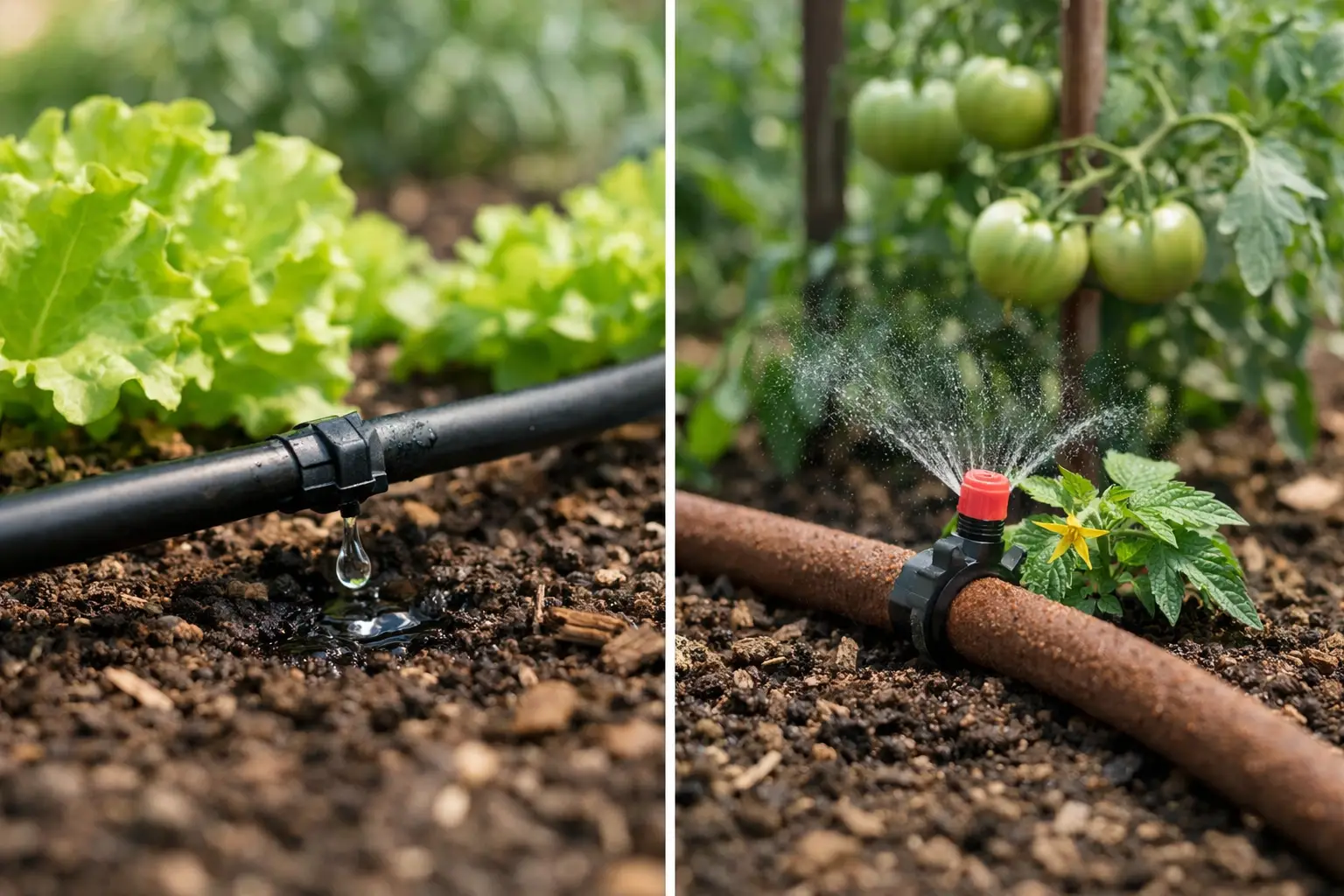
A better approach is to water deeply, then let the top layer dry slightly before watering again. Mulch makes a big difference here. A couple inches of clean straw, shredded leaves, or untreated mulch helps keep moisture levels more consistent and reduces those swings that peppers hate.
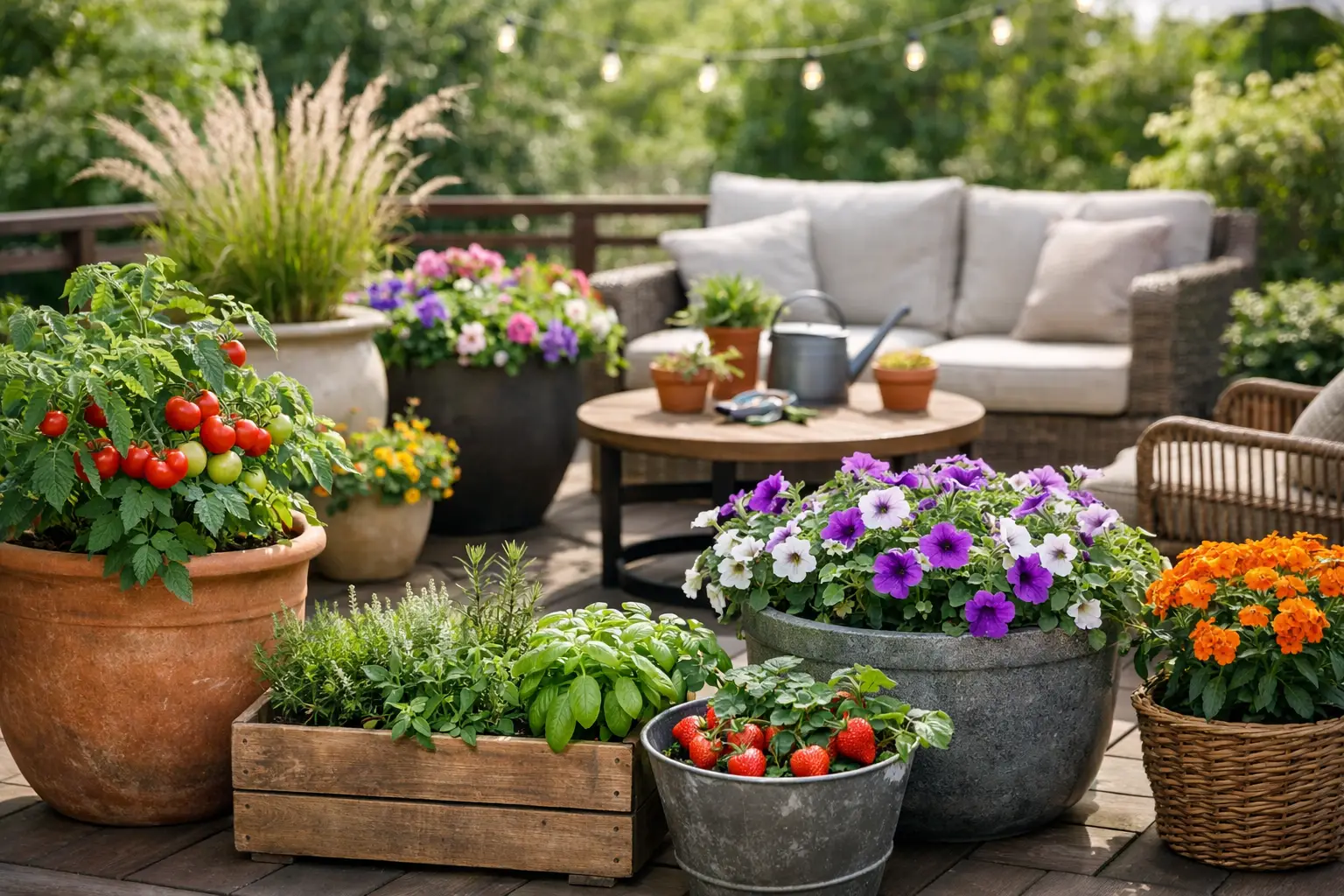
If your peppers are in pots, check them daily during summer. Containers can go from fine to stressed in a single hot afternoon.
Too much nitrogen means more leaves, fewer peppers
This one catches a lot of gardeners because the plant can look beautiful. It is tall, green, lush, and full of foliage, but the flowers keep dropping or fruit set is sparse.
That often points to too much nitrogen. High-nitrogen fertilizers push leafy growth, which sounds nice until your pepper plant focuses on stems and leaves instead of fruit. Fresh manure, strong liquid feeds, or the wrong vegetable fertilizer can all contribute.
If this sounds familiar, back off feeding for a bit and switch to a more balanced organic fertilizer, or one slightly lower in nitrogen and supportive of flowering and fruiting. Compost is helpful, but even compost can be too rich if layered on heavily along with other feedings.
Peppers do need nutrients, just not in excess. More fertilizer is not always more peppers.
Pollination problems can look like flower drop
Pepper flowers are self-pollinating, which means each flower has what it needs to set fruit. But they still benefit from movement – wind, buzzing insects, or a gentle shake from you passing by.
When weather is very humid, very hot, or still and stagnant, pollination can be weaker. The flower opens, but fruit never starts, and then the blossom drops.
This is especially common in greenhouses, covered patios, or tucked-away container gardens with little airflow. If you suspect pollination is part of the issue, gently tap or shake the plants in the morning when flowers are open. You can also encourage more pollinators nearby with flowering herbs and pesticide-free planting.
The natural approach here is simple: more biodiversity, better airflow, and less interference.
Stress after transplanting can delay fruit set
If your peppers recently went into the garden, blossom drop may just be transplant stress. Even when you are careful, the move from nursery pot to raised bed or container can interrupt growth for a while.
Plants often need time to rebuild roots before they can support fruit. In that stage, they may drop early flowers while they settle in. It can feel disappointing, but it is not always a sign of long-term trouble.
This is why many gardeners pinch off the first few flowers on small transplants. It sounds backward, but it encourages the plant to focus on roots and stems first, which usually leads to better production later.
If your plant is newly transplanted, give it stable watering, warm soil, and a little time before assuming something is seriously wrong.
Pests and plant stress matter too
When flowers are dropping, take a close look before you blame the weather alone. Tiny pests can stress pepper plants enough to reduce fruit set. Aphids, thrips, and spider mites are common offenders, especially during dry or hot weather.
Thrips are especially sneaky because they can damage flowers directly. You may not notice them right away, but the blossoms can become distorted, fail to pollinate well, or fall off early.
If you see pest activity, start with the gentlest approach. A strong spray of water, insecticidal soap used carefully, or encouraging beneficial insects can often bring things back into balance. Healthy, unstressed plants also bounce back better than weak ones, which is another reason consistent care matters.
Crowding can also contribute. If peppers are packed in too tightly, airflow drops, disease pressure rises, and pollination can suffer. Sometimes giving each plant a little more breathing room helps more than any fertilizer ever will.
Why are my peppers dropping flowers but still growing fine?
This is where the answer becomes: it depends. A plant can keep growing taller and greener while still failing to set fruit. Vegetative growth and fruit production are not the same thing.
A pepper that looks vigorous may still be dealing with nighttime heat, high nitrogen, low pollination, or root-zone stress. That is why it helps to look at the whole pattern. Ask yourself whether the weather has been extreme, whether you have fed recently, how often the soil dries out, and whether you are seeing bees or airflow around the plants.
If the plant is otherwise healthy, avoid overreacting. One of the most common mistakes is adding extra fertilizer, extra water, and extra treatments all at once. That usually creates more stress, not less.
What to do right now to help peppers hold flowers
Start with the basics and make them steady. Water deeply and consistently. Add mulch if the soil is bare. If the plant is in a container, move it where it gets good sun but a little protection from punishing late-afternoon heat during extreme weather.
Pause high-nitrogen feeding and use a balanced organic fertilizer only if the plant genuinely needs it. Check flowers and leaf undersides for pests. If airflow is poor, prune only lightly or space plants better next season rather than stripping them hard in summer.
Then give the plant a little time. Peppers often pause during stressful weather and resume setting fruit once conditions improve. I have had plants sulk for weeks in a hot spell, then suddenly load up with peppers after the nights cooled a bit.
That is one of the more reassuring things about growing peppers. A rough patch in early or midsummer does not always mean a lost season. Keep the plant healthy, keep your methods simple, and let it recover its rhythm. Often, the flowers that stick are just a weather change away.