If you’ve ever walked out to admire your peppers or roses and found a fresh crowd of aphids clustered on the stems, you know how quickly a small pest problem can turn into a plant-stressing mess. A good homemade insecticidal soap recipe gives you a simple, low-tox way to respond fast, without reaching for harsher sprays that you may not want around vegetables, pets, or family spaces.
The key is knowing what this spray can do, what it cannot do, and how to mix it without accidentally causing more trouble for your plants. In my experience, insecticidal soap works best when gardeners treat it as a precise tool, not a cure-all. Used the right way, it can be one of the handiest natural pest-control options to keep in your gardening routine.
What insecticidal soap actually does
Insecticidal soap is a contact spray. That means it has to hit the pest directly to work. It is especially useful on soft-bodied insects like aphids, whiteflies, spider mites, mealybugs, and young scale crawlers. The soap disrupts the insects’ protective outer layer, which causes them to dehydrate.
That sounds simple, but it explains a lot about why results can be mixed. If you spray leaves without reaching the insects, nothing much happens. If you spray once and assume the problem is solved, newly hatched pests may be back a few days later. This is one reason gardeners sometimes think soap sprays do not work, when really they just need better coverage and repeat applications.
It also helps to know what not to expect. Insecticidal soap is not the best choice for chewing pests like caterpillars, and it will not give you long-lasting residual control. Once it dries, its job is mostly done.
A simple homemade insecticidal soap recipe
The safest homemade insecticidal soap recipe is a mild one. Stronger is not better here.
Basic recipe
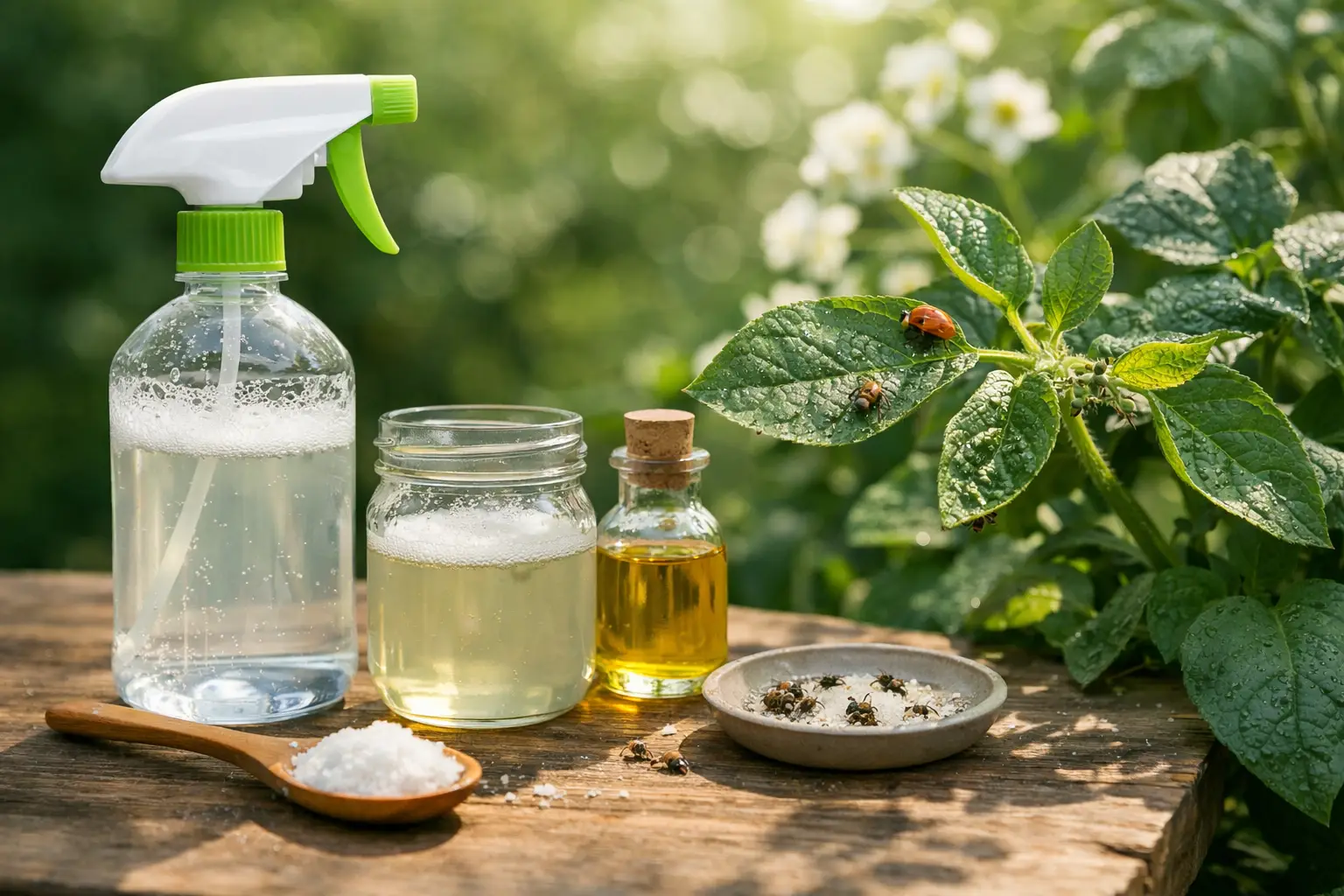
Mix 1 tablespoon of pure liquid castile soap or another gentle soap with 1 quart of water in a clean spray bottle.
That is it. Shake gently before each use.
If you want to make a larger batch, use 4 tablespoons of soap per gallon of water. Keep the ratio the same rather than eyeballing it. Too much soap raises the chance of leaf damage, especially in hot weather or on tender plants.
A quick caution here: not every soap is a good fit. Many dish soaps and degreasers are designed to cut heavy grease and can be too harsh for plant tissue. Some contain additives, synthetic fragrance, antibacterial agents, or detergents that increase the risk of burning leaves. A plain, unscented liquid castile soap is usually the most reliable option for home gardeners.
How to use a homemade insecticidal soap recipe the right way
Application matters as much as the mix itself. If you have ever sprayed the top of a plant and called it done, you’ve done what most of us do at first. The problem is that pests often hide under leaves, along leaf joints, and in dense new growth.
Spray early in the morning or later in the evening when temperatures are cooler and the sun is less intense. Wet the affected plant thoroughly, especially the undersides of leaves where aphids, whiteflies, and mites tend to gather. You want the spray to contact the insects directly, not just mist the general area.
If the infestation is active, repeat every 4 to 7 days as needed. For heavier pressure, a couple of follow-up sprays are often necessary. Rain or overhead watering can reduce the effect, so you may need to reapply after weather events.
This is also a good place for restraint. More frequent spraying is not always better. Plants that are already drought-stressed, newly transplanted, or heat-stressed can be more sensitive to even a mild soap solution.
Always test before spraying the whole plant
This step is easy to skip and worth doing every time you use a new soap, treat a new plant type, or spray during a different season. Apply the mixture to a small section of the plant and wait 24 hours. If you do not see spotting, browning, or leaf burn, go ahead and treat more broadly.
Some plants are simply more sensitive than others. Ferns, sweet peas, some succulents, delicate seedlings, and certain flowering ornamentals can react badly. Even tomatoes, which are generally tougher than people think, can show leaf stress if sprayed during high heat or with a mixture that is too strong.
This is one of those places where gardening advice really does depend on conditions. A spray that works perfectly on kale in mild spring weather may be too much for basil on a blazing July afternoon.
Best pests to treat with insecticidal soap
Homemade soap spray is most useful when you catch problems early. It shines on pests that cluster together and stay exposed on plant surfaces.
Aphids are probably the classic example. They gather on soft new growth, multiply fast, and can distort leaves and stems. Whiteflies and spider mites are also good targets, though mites can require extra persistence because they reproduce quickly and hide well. Mealybugs can be controlled with soap too, but severe infestations often need repeat treatment and some manual removal.
If you are dealing with Japanese beetles, squash bugs, tomato hornworms, or other larger insects with tougher bodies, soap spray is not your best tool. Hand-picking, row covers, trap crops, or other organic controls will usually make more sense.
Common mistakes that make soap sprays fail
The most common mistake is using too much soap. Gardeners often assume a stronger batch will kill pests faster, but what usually happens is leaf damage and disappointed results.
The second mistake is spraying in the middle of a hot, bright day. Soap plus direct sun plus stressed leaves is a rough combination. A third mistake is poor coverage. If the bugs are under the leaves and the spray only hits the top, the infestation stays put.
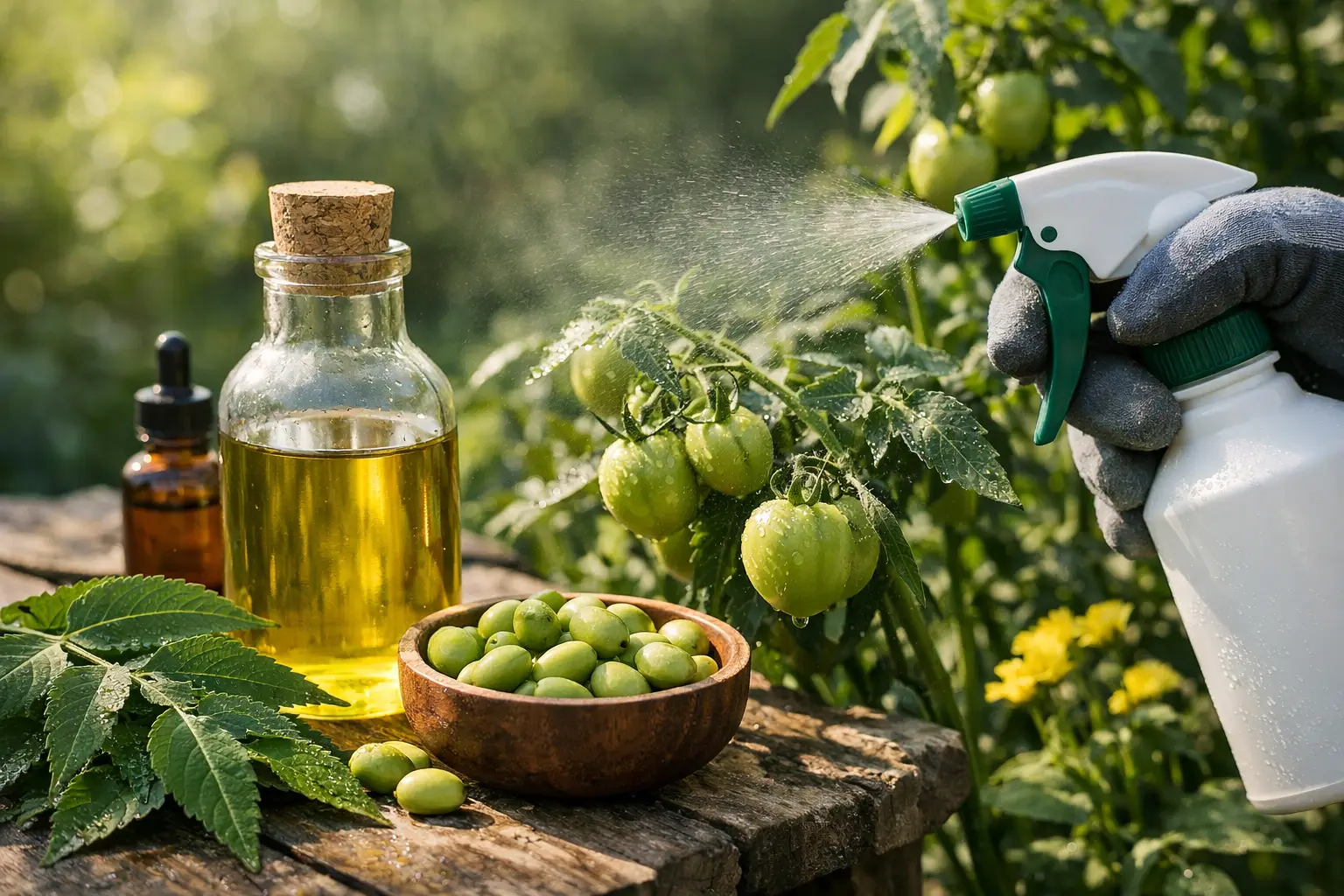
Another issue is confusing soap with oil-based sprays. Neem oil and horticultural oils have a different role and can be effective, but they are not the same thing. Mixing too many homemade ingredients together just because they all sound natural can backfire. Keep your spray simple unless you have a specific reason to do otherwise.
Finally, some gardeners treat every bug they see as a problem. That can work against a healthy garden. Ladybug larvae, lacewing larvae, and parasitic wasps are part of the natural balance. If you spray broadly and often, you may knock back helpful insects along with the pests. Spot-treating infested plants or sections is usually the smarter move.
When to skip homemade insecticidal soap
There are times when this spray is not the right answer. If your plant is wilting from drought, recently repotted, or already showing leaf scorch, wait until it recovers. If the pest issue is minor, a strong blast of water may solve it without any spray at all.
It is also smart to skip soap spray on fuzzy, waxy, or very tender leaves unless you have patch-tested first. And if the infestation is severe enough that the plant is covered, sticky, and declining fast, pruning out the worst growth may help more than repeated spraying alone.
Natural gardening works best when methods match the moment. Sometimes the most effective fix is not a spray bottle but better airflow, less excess nitrogen, or simply checking plants two or three times a week so you catch trouble sooner.
A few practical tips for better results
Use clean water if possible, since very hard water can make soap less effective. Mix only what you expect to use soon rather than storing a large batch for months. Label the spray bottle clearly, and never assume one homemade garden spray is safe for every plant and every situation.
It also helps to wash edible crops before eating them, even when you are using mild ingredients. That is just a good habit in any garden.
If you’re trying this for the first time, start with one or two affected plants instead of spraying the whole yard. That gives you a chance to watch how the plants respond and build confidence before using it more widely. That’s the kind of practical, low-stress approach we always come back to at The Natural Gardener.
A homemade insecticidal soap recipe is not fancy, and that is part of its strength. When you keep it mild, use it carefully, and aim for the actual pests, it can help you protect your plants without making garden care feel complicated. Sometimes the best natural solution is the one simple enough that you’ll actually use it when the aphids show up.