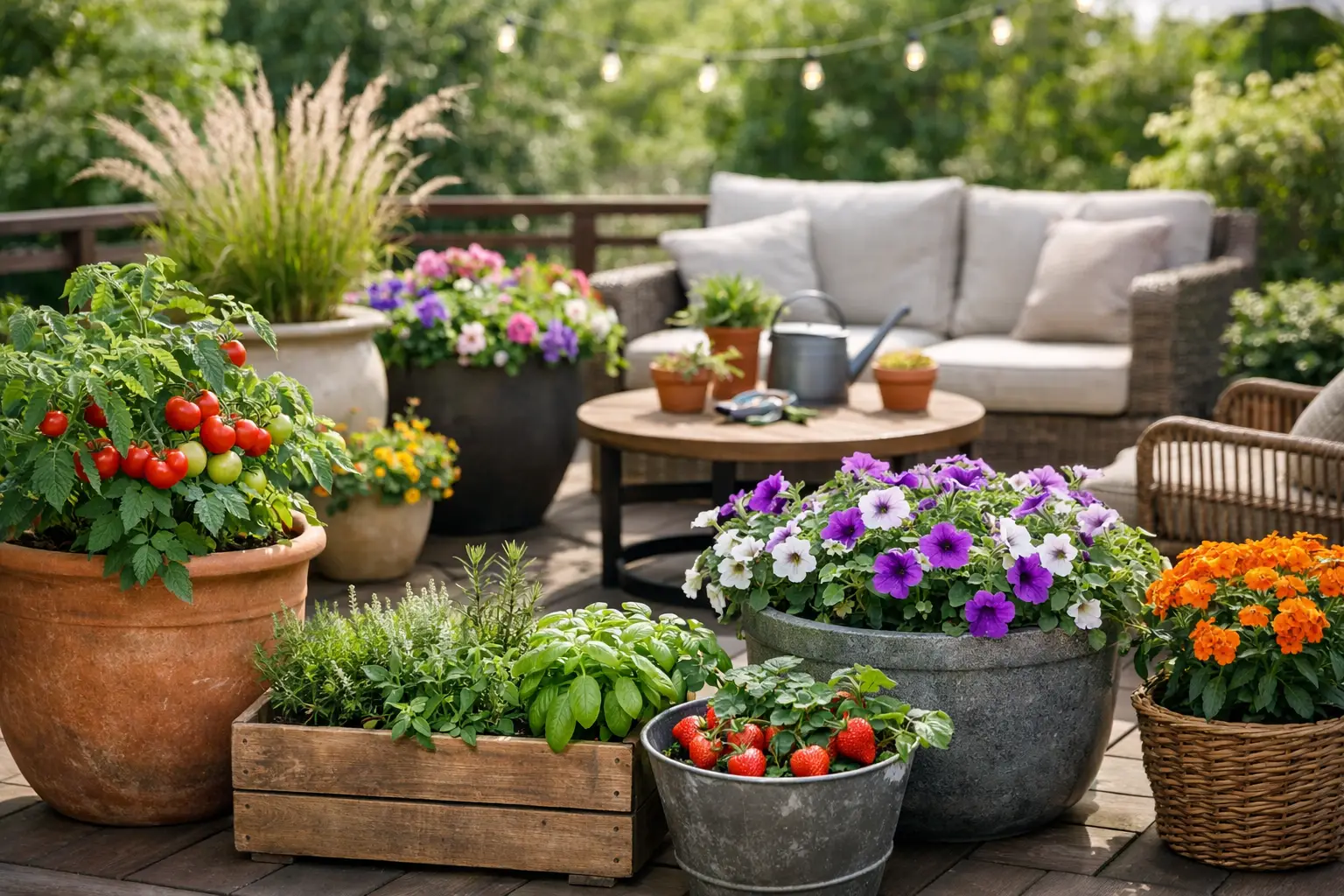
A patio can turn into a very productive garden fast – and it can also turn into a row of stressed, thirsty pots just as fast. Most patio growing problems come down to a few fixable things: too little soil, the wrong plant in the wrong spot, or watering that swings from bone dry to soaking wet. The good news is that solid container gardening tips for patios are usually simple, practical, and easy to start using right away.
Patio gardens have a lot going for them. They are close to the kitchen, easy to check every day, and perfect for small-space growing. But they also create their own conditions. Concrete reflects heat, walls block wind or trap it, and containers dry out much faster than in-ground beds. Once you work with those realities instead of against them, patio gardening gets much easier.
Container gardening tips for patios start with the right spot
Before you buy a single plant, stand on your patio at three points during the day and notice where the sun actually lands. This step saves a lot of disappointment. A patio that feels bright may only get three or four hours of direct sun, while a south- or west-facing space may get hammered by afternoon heat.
Vegetables like tomatoes, peppers, and most herbs usually want at least six hours of direct sun. Leafy greens, parsley, mint, and some flowers can handle less, especially in hot summer climates where afternoon shade is actually helpful. If your patio gets intense late-day sun, plants may need protection even if they are technically sun-loving.
It also helps to pay attention to microclimates. A corner near a brick wall may stay warmer at night. A breezy railing may dry out pots much faster. A covered patio might protect plants from heavy rain but also limit light. These small differences matter more in containers because roots have less room and less buffer.
Choose bigger containers than you think you need
One of the most common mistakes is planting in containers that look nice but are too small to support healthy roots. Tiny pots dry out quickly, heat up faster, and leave less room for plants to grow steadily. If you have ever felt like you were watering constantly and still watching plants struggle, container size may be the reason.
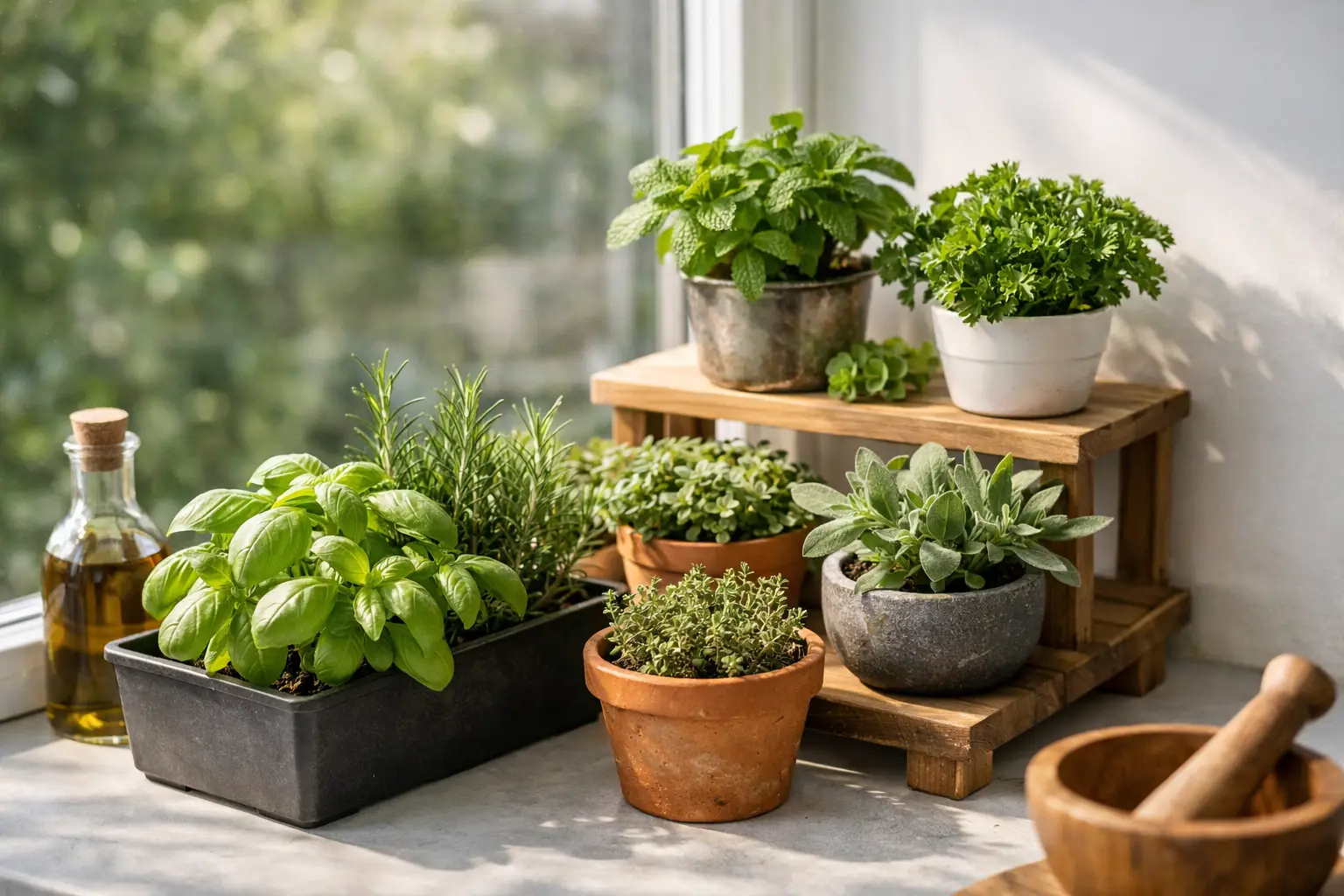
For herbs, a modest pot can work, though basil, parsley, and chives still do better with more root space than many people expect. For tomatoes, peppers, cucumbers, and eggplant, go bigger from the start. A larger container holds moisture longer, gives roots better temperature stability, and usually means fewer problems later in the season.
Material matters too. Terracotta breathes and looks beautiful, but it dries out quickly in hot weather. Plastic and glazed ceramic hold moisture longer. Fabric grow bags can work well, especially for vegetables, but they also dry faster in windy or very warm spots. There is no perfect choice for every patio. If you are home often and like checking plants daily, faster-draining pots may be fine. If you want a little more forgiveness, choose containers that hold moisture longer.
Use potting mix, not garden soil
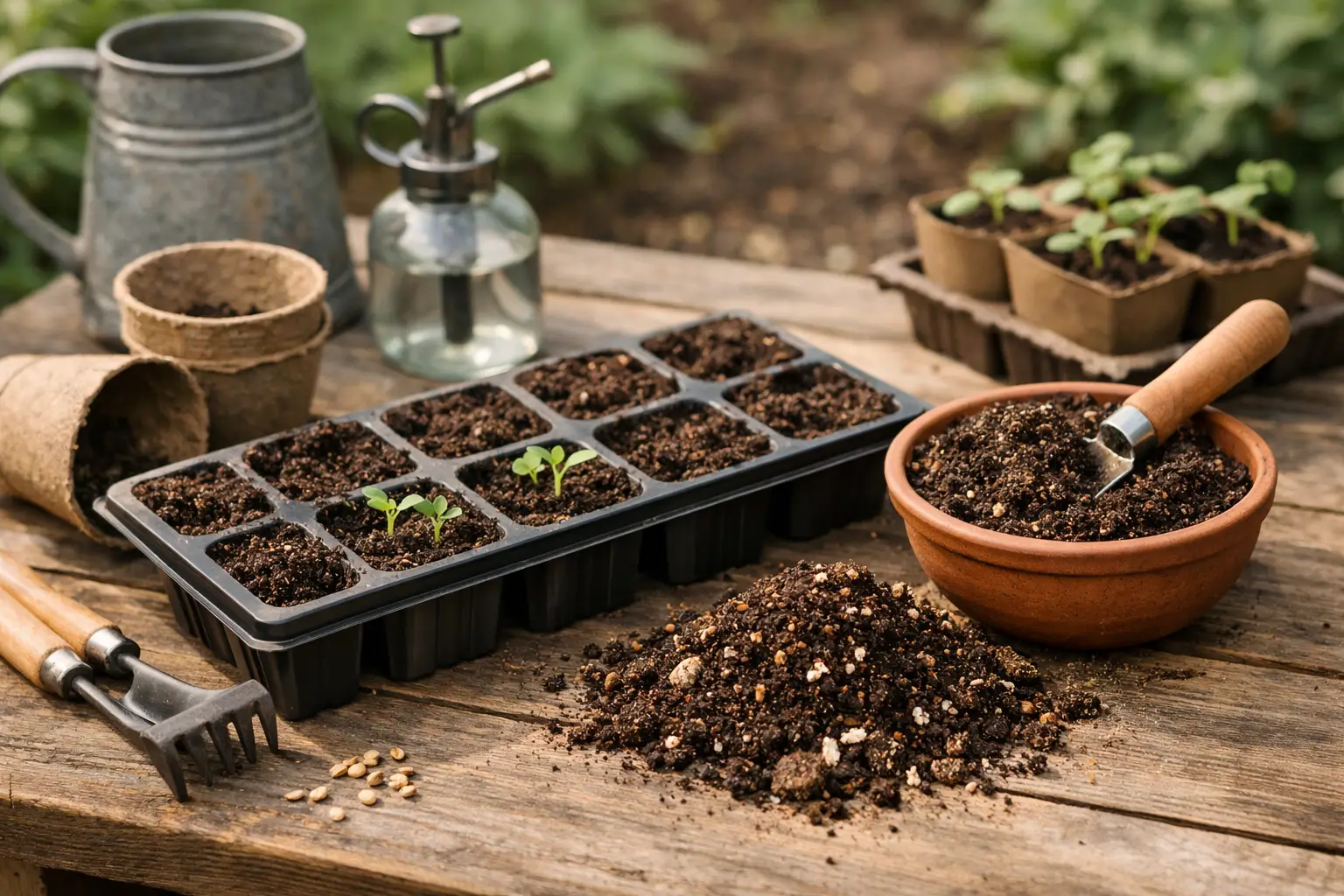
Good container gardens begin with the growing medium. Garden soil usually compacts in pots, drains poorly, and can lead to weak roots. A quality organic potting mix is lighter, drains better, and gives roots the air they need.
If you want healthier plants without relying on synthetic fertilizers, start with an organic potting mix and improve it if needed. Mixing in a little compost can help with nutrition and moisture retention, but do not overdo it. Too much compost can make a container heavy and dense. The goal is a mix that holds moisture while still draining freely.
Drainage holes are not optional. If a pot does not have them, save it for decor or use it as an outer cachepot. Roots sitting in trapped water are one of the fastest ways to lose patio plants, especially herbs and vegetables.
Match plants to each other, not just to the container
A full patio pot looks lovely in spring, but crowded combinations can turn into a tangle by midsummer. Plants sharing one container should want similar light, moisture, and feeding. It sounds obvious, but this is where many mixed pots go wrong.
For example, rosemary likes a drier rhythm than basil. Mint grows aggressively and can overwhelm quieter companions. Tomatoes are heavy feeders and thirsty, while some flowering annuals prefer lighter feeding and slightly drier conditions. You can absolutely mix plants, but the best combinations are the ones with similar needs.
If your main goal is food, it often works better to give each major crop its own pot. A tomato in one large container and basil in another usually performs better than forcing them to compete in a tight space. If your goal is beauty with a bit of harvest, mixed containers can be wonderful – just plan for mature size, not how the plants look on planting day.
Water deeply, but adjust for weather
Watering is where patio gardeners either settle into a rhythm or get frustrated. Containers dry from the top, sides, and bottom, and patios add heat reflection that speeds everything up. That means a watering schedule written on paper rarely works for long.
The better approach is to check the soil. Stick a finger an inch or two down. If it feels dry there, water thoroughly until water drains out the bottom. That deep soak encourages roots to grow down instead of staying near the surface.
There is a trade-off here. Some plants need consistently moist soil, while others want a little drying between waterings. Herbs like thyme and rosemary prefer not to stay soggy. Tomatoes need steadier moisture or they may split or develop blossom-end rot. During summer heat, some patio containers may need water daily, while shaded pots might only need it every few days.
Morning is usually the best time to water. Plants start the day hydrated, and leaves dry faster than they would with evening watering. If you cannot water until later, do it anyway rather than waiting, but try to keep foliage as dry as possible.
Feed container plants more regularly than in-ground plants
Even rich potting mix does not feed plants forever. Every watering slowly flushes nutrients out of the container, which is why a plant can look great in early summer and tired by July.
For organic patio gardening, a simple routine works well. Start with a slow-release organic fertilizer mixed into the potting mix or added at planting time. Then support heavy feeders with a liquid organic feed during active growth. Tomatoes, peppers, cucumbers, and flowering annuals usually benefit the most from regular feeding.
Be careful not to assume more fertilizer means more growth. Overfeeding can lead to lots of leaves and not much fruit, or it can stress roots in hot weather. If a plant is pale, growing slowly, or flowering poorly, feeding may help. If it is lush and healthy, stay steady rather than pushing harder.
Support airflow and pest control naturally
Patio gardens tend to be close together, which makes it easy to care for them but can also reduce airflow. Crowded leaves stay damp longer, and that can invite fungal issues. Give plants enough space to breathe, prune off damaged lower leaves when needed, and avoid creating a jungle unless you are willing to thin it regularly.
Natural pest control works best when you catch problems early. Check the undersides of leaves when you water. Aphids, spider mites, and whiteflies often show up before a plant looks seriously damaged. A sharp spray of water, hand removal, or insecticidal soap can solve a small problem before it spreads.
Healthy plants are naturally more resilient, so good watering, enough sun, and proper spacing do a lot of pest prevention for free. At The Natural Gardener, we have seen again and again that stressed plants attract more trouble than well-cared-for ones.
Plan for summer heat on hard surfaces
Patios can get brutally hot in midsummer, especially if they are made of concrete, stone, or dark decking. Root zones heat up fast, and some plants stall even when they are watered properly. This is one of those patio-specific challenges that surprises newer gardeners.
If heat is intense, cluster pots so they shade each other slightly, but do not pack them so tightly that airflow disappears. Mulch the top of the pot with a light layer of straw or shredded leaves to slow evaporation. In severe heat, even sun-loving crops may appreciate a little shade cloth or relief from the harshest late afternoon sun.
Dark containers can also absorb extra heat. If you garden in a very warm region, lighter-colored pots may be easier on roots. It is a small detail, but small details add up in container growing.
Rotate, refresh, and replant
A patio garden does not have to stay static all season. One of the real advantages of containers is flexibility. If lettuce bolts, replace it with basil. If spring flowers fade, swap in heat-loving annuals. If one spot turns out to be too hot, move the pot.
Refreshing containers keeps the patio productive and keeps you engaged. Snip herbs often, harvest vegetables on time, and remove spent flowers where it helps encourage more blooms. A neglected pot declines faster than one that gets small, regular attention.
The gardeners who do best with containers are rarely the ones who get everything perfect on day one. They are the ones who notice, adjust, and keep going. A patio garden responds well to that kind of care.
If you start with the right light, enough root space, good potting mix, and a steady watering habit, the rest gets much easier. Give your patio containers a little attention each day, and they will usually tell you what they need before things go too far.