A lot of new gardeners lose confidence in the first month. They plant too much, space it too closely, forget what went where, and end up with a crowded bed that feels harder to manage than it should. A beginner guide to square foot gardening helps solve that problem right away because it gives your garden a simple structure before the first seed even goes in.
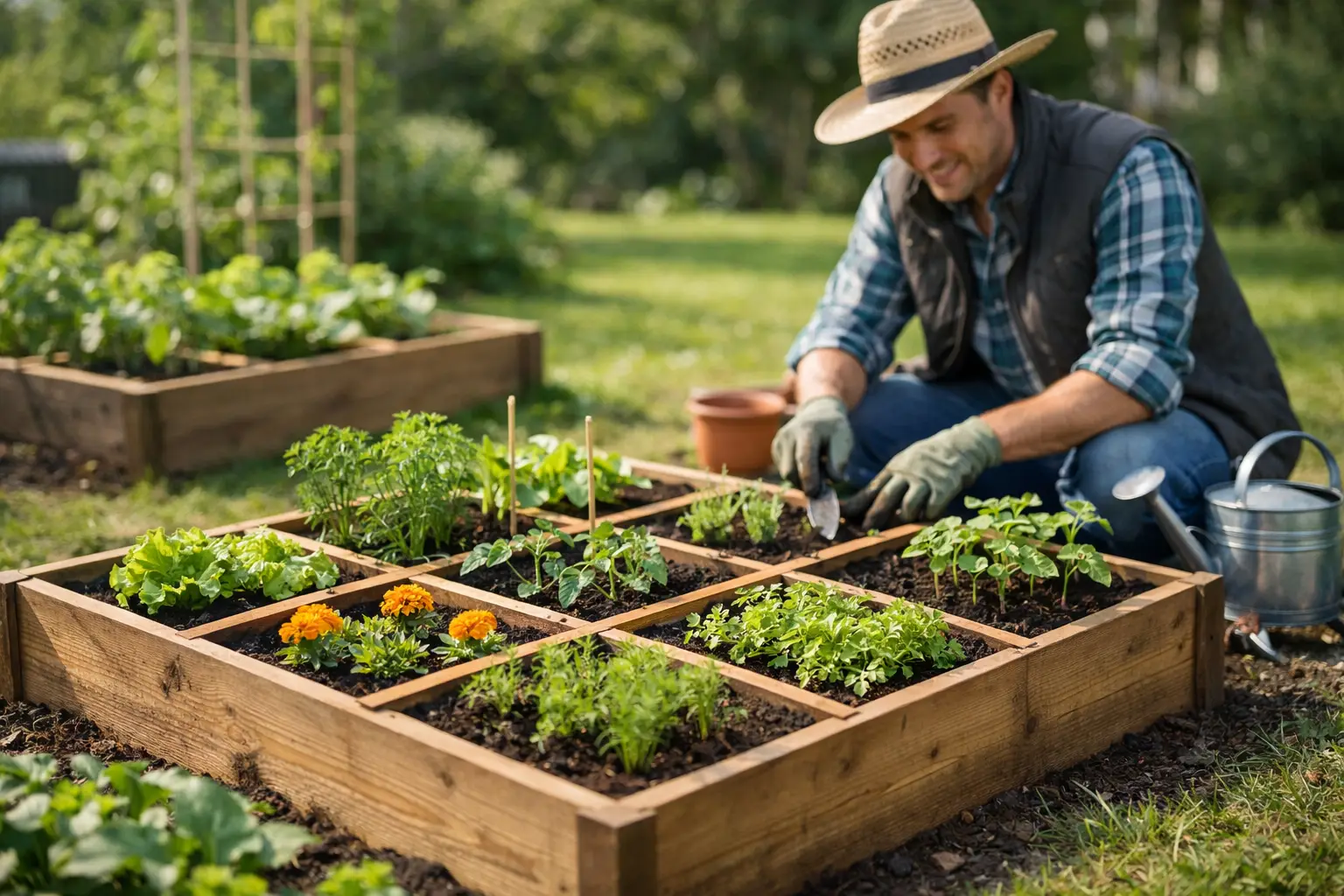
Square foot gardening is exactly what it sounds like. You grow in a raised bed that is divided into 1-foot squares, and each square holds a set number of plants based on their mature size. Instead of guessing how much room carrots or lettuce need, you follow spacing that fits the square. It is tidy, easy to understand, and especially helpful if you are growing vegetables for the first time.
What makes this method so appealing is not just the neat grid. It helps you use space well, notice problems sooner, and avoid the common beginner mistake of planting a little bit of everything with no plan. If you have a small backyard, a side yard, or even one sunny raised bed on a patio edge, square foot gardening can make that space feel much more productive.
Why square foot gardening works so well for beginners
The biggest advantage is clarity. Traditional row gardening asks you to think in long lines, wide paths, and thinning seedlings later. Square foot gardening breaks everything into smaller decisions. One square for basil, one square for bush beans, four squares for onions. That is a lot less overwhelming.
It also cuts down on wasted space. In a standard garden, wide rows can leave bare soil that dries out and invites weeds. In a square foot bed, plants are spaced closely enough to shade the soil as they grow, which helps conserve moisture and reduce weed pressure. That close spacing does mean you need to keep an eye on airflow, especially with larger crops, but for most home gardeners the benefits outweigh the extra attention.
There is also less bending, less digging, and less guesswork. Raised beds are easier to maintain, and a small garden is easier to observe. When something changes – yellow leaves, chewed seedlings, dry soil – you usually catch it faster.
Beginner guide to square foot gardening setup
The classic setup is a 4-by-4-foot raised bed, which gives you 16 planting squares. That size works well because you can reach the middle from either side without stepping into the bed and compacting the soil. If 4-by-4 feels too big, start with a 2-by-4 bed. The method still works.
Place your bed where it gets at least 6 to 8 hours of sun if you want to grow vegetables like tomatoes, peppers, cucumbers, and beans. Leafy greens and herbs can tolerate a bit less, especially in hot summer climates, but most food crops need good light to produce well.
Once the bed is built, add a visible grid across the top. Some gardeners use wood lath, twine, or thin bamboo stakes. It does not need to be fancy. What matters is that you can clearly see each square when planting. That visual guide is what keeps the method practical rather than theoretical.
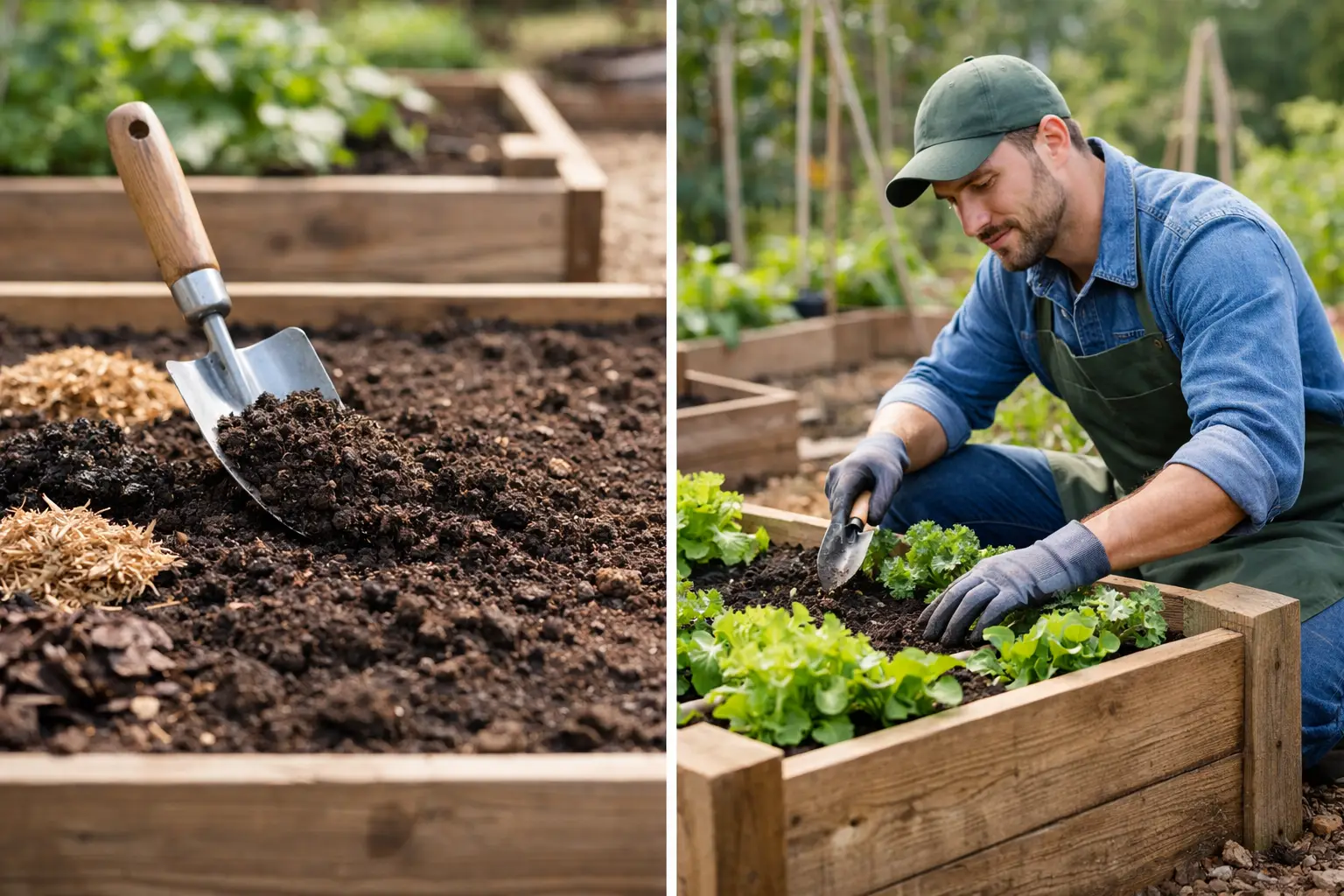
Soil matters more here than almost anything else. Since you are growing intensively in a small space, you want loose, rich soil with plenty of organic matter. A good raised bed mix usually contains compost, a drainage material like coarse sand or fine bark, and a lightweight base such as peat moss or coco coir. If your soil is heavy clay or very sandy, do not just fill the bed with native ground soil and hope for the best. The better your starting mix, the easier everything else becomes.
What to plant in each square
This is where square foot gardening becomes wonderfully straightforward. Large plants get one per square, medium plants get four, smaller plants get nine or more, depending on the crop.
As a general guide, plant one tomato, pepper, eggplant, or broccoli per square. You can fit four lettuce heads, swiss chard plants, or basil plants in a square. Nine bush beans, spinach plants, or beets usually fit well. Carrots, radishes, and green onions are often planted at 16 per square.
That said, seed packets do not always match square foot recommendations perfectly. Climate, variety, and season can change what works. A compact romaine lettuce and a large butterhead do not take up the same amount of room. If you are unsure, give larger varieties a little extra space instead of cramming them in. Plants rarely complain about having breathing room.
For beginners, it helps to start with easy, productive crops. Lettuce, radishes, bush beans, basil, kale, carrots, and peppers are all solid choices. Tomatoes do well too, but they need support and regular pruning if you are growing indeterminate types. If you want a smoother first season, pair one or two bigger crops with several fast, forgiving ones.
Planning your squares so the garden stays manageable
A smart square foot garden is not just full. It is balanced. Put tall crops like tomatoes or trellised cucumbers on the north side of the bed so they do not shade shorter plants. Group quick crops together so you can replant those squares easily after harvest.
It also helps to think about how often you harvest. Herbs, lettuce, and green onions are nice near the edge because you will reach for them often. Slow crops that sit in place for months, like cabbage or peppers, can go farther back.
Try not to fill every square with sprawling plants on your first attempt. Zucchini, pumpkins, and winter squash can technically fit into a square foot system if trained carefully, but they tend to take over. If space is limited, choose compact or bush varieties instead.
Watering, feeding, and mulch in a square foot garden
Because raised beds drain well, they also dry out faster than in-ground gardens. New gardeners sometimes assume a small bed needs less attention, but the opposite can be true in hot weather. Check the soil regularly by sticking a finger a couple of inches down. If it feels dry there, it is time to water.
Water deeply rather than splashing the surface every day. Deep watering encourages stronger roots and steadier growth. A soaker hose or drip line works especially well because it keeps leaves drier, which can reduce disease pressure.
Square foot gardens also benefit from steady feeding. Since crops are planted close together, they use nutrients efficiently but they do use them. Mixing compost into empty squares between plantings is one of the easiest organic habits you can build. For heavier feeders like tomatoes, peppers, and broccoli, a gentle organic fertilizer can help, especially once the plants begin to size up.
Mulch is worth using even in a tidy raised bed. A thin layer of clean straw, shredded leaves, or untreated fine mulch around larger plants helps hold moisture, soften temperature swings, and keep the soil surface from crusting.
Common mistakes in a beginner guide to square foot gardening
The most common mistake is treating the grid like a challenge to fit in as much as possible. The goal is not maximum crowding. The goal is healthy plants in an organized space. If your tomato shades half the bed and your basil never sees the sun, the spacing needs adjusting.
Another mistake is ignoring variety size. A compact patio pepper and a full-size bell pepper do not behave the same way. Read the plant tag or seed packet and choose varieties that suit smaller spaces when possible.
Poor soil is another issue that shows up fast. If seedlings stall, leaves pale, or water either sits on top or runs straight through, the soil mix may need more compost or better texture. Good soil fixes a surprising number of gardening problems before they start.
Finally, do not forget succession planting. One of the real strengths of square foot gardening is that once a square is harvested, you can refresh it and plant something new. Radishes can be followed by beans. Spring lettuce can give way to basil or a summer flower that draws pollinators. A small bed stays productive when you keep it moving.
When square foot gardening is not the best fit
This method is excellent for small spaces, raised beds, and gardeners who want order. It is less ideal if you want to grow large storage crops in volume, like a long row of corn, big patches of potatoes, or enough pumpkins for the whole neighborhood. It can also feel a bit rigid if you prefer a looser cottage-style kitchen garden.
Still, for most beginners, that structure is more helpful than limiting. It takes a garden that feels vague and turns it into something visible and doable. You do not need a huge yard, expensive tools, or years of experience. You need a sunny bed, healthy soil, a simple grid, and a plan that matches your space.
If you have been putting off your first vegetable garden because it all sounds too complicated, this is one of the easiest ways to begin. Start with a few squares, grow what you actually like to eat, and let the season teach you the rest. A small garden that makes sense is often the one that keeps you growing.