A curled tomato leaf or a cluster of aphids on kale can make any gardener reach for a spray bottle fast. But when choosing neem oil vs insecticidal soap, the best answer depends on the pest, the plant, and how quickly you need results. Both can earn a place in an organic garden, yet they work in very different ways.
The good news is that neither choice has to be complicated. Once you know what each product does well, you can treat the problem without spraying more than necessary.
The quick difference between neem oil and insecticidal soap
Insecticidal soap works on contact. It breaks down the protective outer layer of soft-bodied insects, causing them to dehydrate. It is most useful when the spray directly hits pests such as aphids, whiteflies, spider mites, mealybugs, and young scale crawlers.
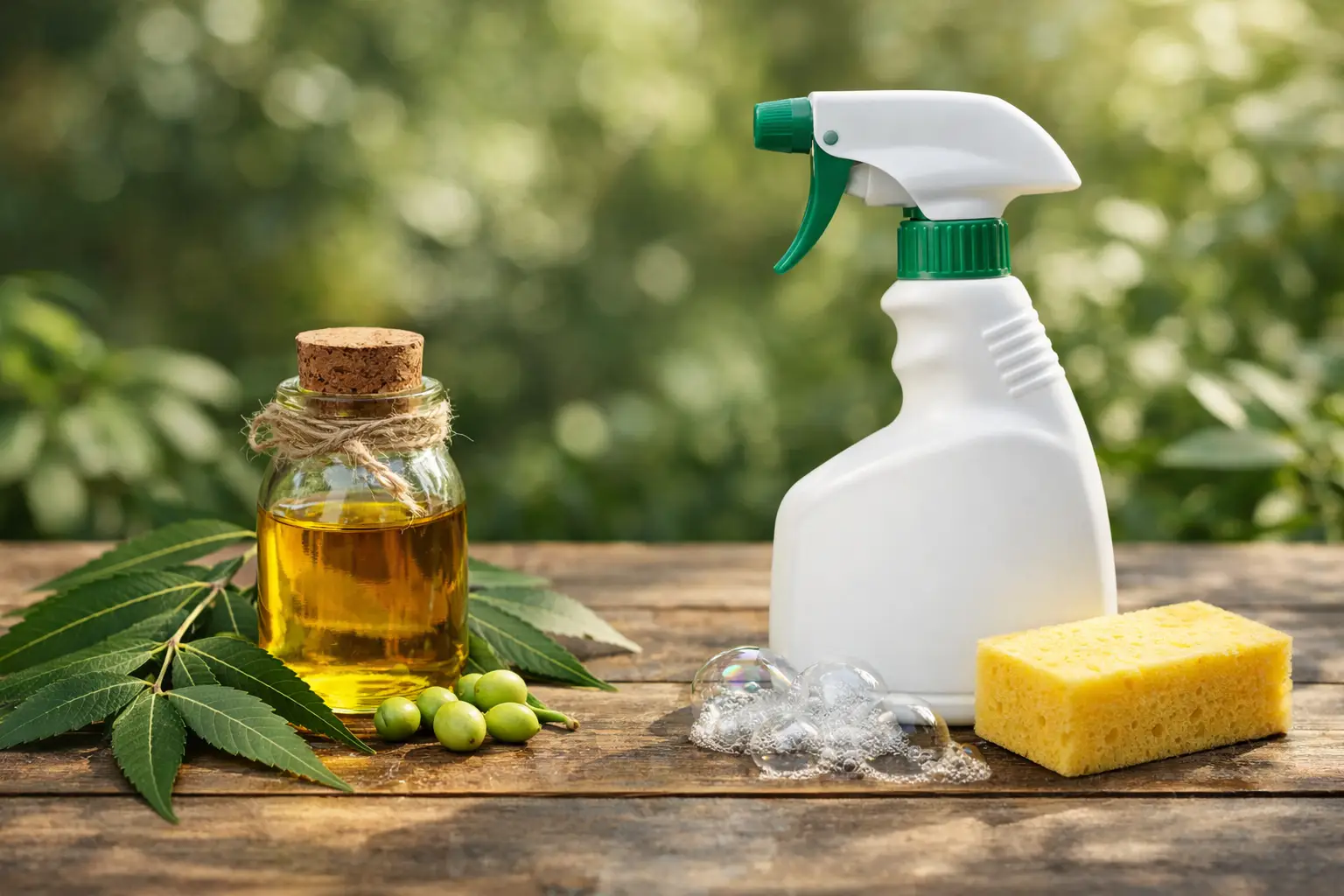
Neem oil can also control pests on contact by coating and smothering them, especially eggs and immature insects. Many neem products also contain azadirachtin, a naturally occurring compound from neem seeds that can disrupt feeding and growth in certain insects. That gives neem a little more staying power than soap, although it is not an instant fix.
Think of insecticidal soap as a quick, targeted wash for exposed pests. Think of neem oil as a broader tool that may help interrupt a pest problem over time, particularly when you catch it early.
Neem oil vs insecticidal soap for common garden pests
For aphids, either spray can work well. If you spot a small group of aphids on new growth, insecticidal soap is often the simplest first move. Spray the insects directly, including the undersides of leaves, then check again in a few days. Aphids reproduce quickly, so one application rarely finishes the job.
Neem oil is useful when aphids keep returning or when you are dealing with eggs and young insects across several parts of the plant. It can be especially helpful on sturdy ornamentals and vegetable plants, but always test it first. Tender leaves can be more sensitive than we expect.
Spider mites are another case where both products can help, but soap often has the edge for an active outbreak. Mites live mainly beneath leaves, so thorough coverage matters much more than the brand of spray. Before spraying, rinse the plant with a firm but gentle stream of water. That alone removes many mites and their webbing. Follow with soap if the population is still building.
For whiteflies, neem may be the better long-game choice, while soap works well for the adults and nymphs you can reach. Lift a leaf and look closely. If tiny white insects flutter up, you will likely need repeat treatments and a little patience. Yellow sticky traps can also help you monitor adult activity, though they do not solve the root problem by themselves.
Mealybugs are best handled with a hands-on approach. Dab small clusters with rubbing alcohol on a cotton swab, prune heavily infested stems when practical, and use insecticidal soap or neem as follow-up treatment. Their waxy coating can make any spray less effective, so direct contact is essential.
Choose insecticidal soap when you need fast, direct control
Insecticidal soap is a good fit when you can clearly see the pest and reach it with the spray. It leaves little residual effect once dry, which is helpful when you want to limit impact on beneficial insects that are not present during treatment.
It is also a sensible choice for gardeners who prefer a very straightforward routine: inspect, spray the pest directly, repeat as needed. In my own garden, soap is often the first thing I use on aphids gathered on a pepper plant’s tender tips. A careful spray followed by a second inspection a few days later is usually more effective than applying a stronger product once and hoping for the best.
The trade-off is that soap has no real residual control. Any aphid, mite, or whitefly that was missed will still be there. Rain, overhead watering, and new pests can also quickly undo your work.
Use a true insecticidal soap product, not homemade dish soap mixtures. Dish detergents may strip leaf coatings and cause burned spots, especially in warm weather. A product made for plants is formulated to be effective while reducing the chance of damage when used as directed.
Choose neem oil when pests keep returning
Neem oil makes sense when you are managing recurring pest pressure or want a product that can affect more than the insects you hit at that moment. It is often used against aphids, whiteflies, mites, leafminers, thrips, and some scale insects, though results vary by pest and product formulation.
One point that causes plenty of confusion: not every bottle labeled neem works the same way. Some products contain clarified hydrophobic extract of neem oil and work mainly by smothering pests. Others contain azadirachtin and may have stronger effects on insect feeding and development. Read the active ingredient on the label rather than assuming all neem sprays are interchangeable.
Neem can also be used for some fungal issues, depending on the labeled product. That does not mean it should become a weekly all-purpose spray. Routine spraying can stress plants, affect beneficial insects when they are directly contacted, and leave an oily residue on foliage. Use it because you have identified a problem, not just because it is natural.
How to spray without harming your plants or pollinators
Natural products still need careful timing. Both neem oil and insecticidal soap can damage leaves when plants are heat-stressed, dehydrated, or sitting in bright, hot sun. Spray in the early evening or early morning, when temperatures are cooler and the plant will have time to dry.
Avoid treating plants when temperatures are above about 85 to 90 degrees Fahrenheit, unless the product label specifically says otherwise. Do not spray a wilted plant. Water it first, wait until it has recovered, and treat later if needed.
Before applying either product broadly, test a small section of the plant. Check it after 24 to 48 hours for spotting, curling, or discoloration. This matters especially with seedlings, herbs, ferns, succulents, stressed plants, and plants with fuzzy or delicate leaves.
Pollinator care deserves the same attention. Never spray bees, butterflies, ladybugs, lacewings, or other beneficial insects directly. Do not apply either product to open flowers where pollinators are actively feeding. Treat affected leaves after pollinators have left for the day, and focus the spray only where pests are present.
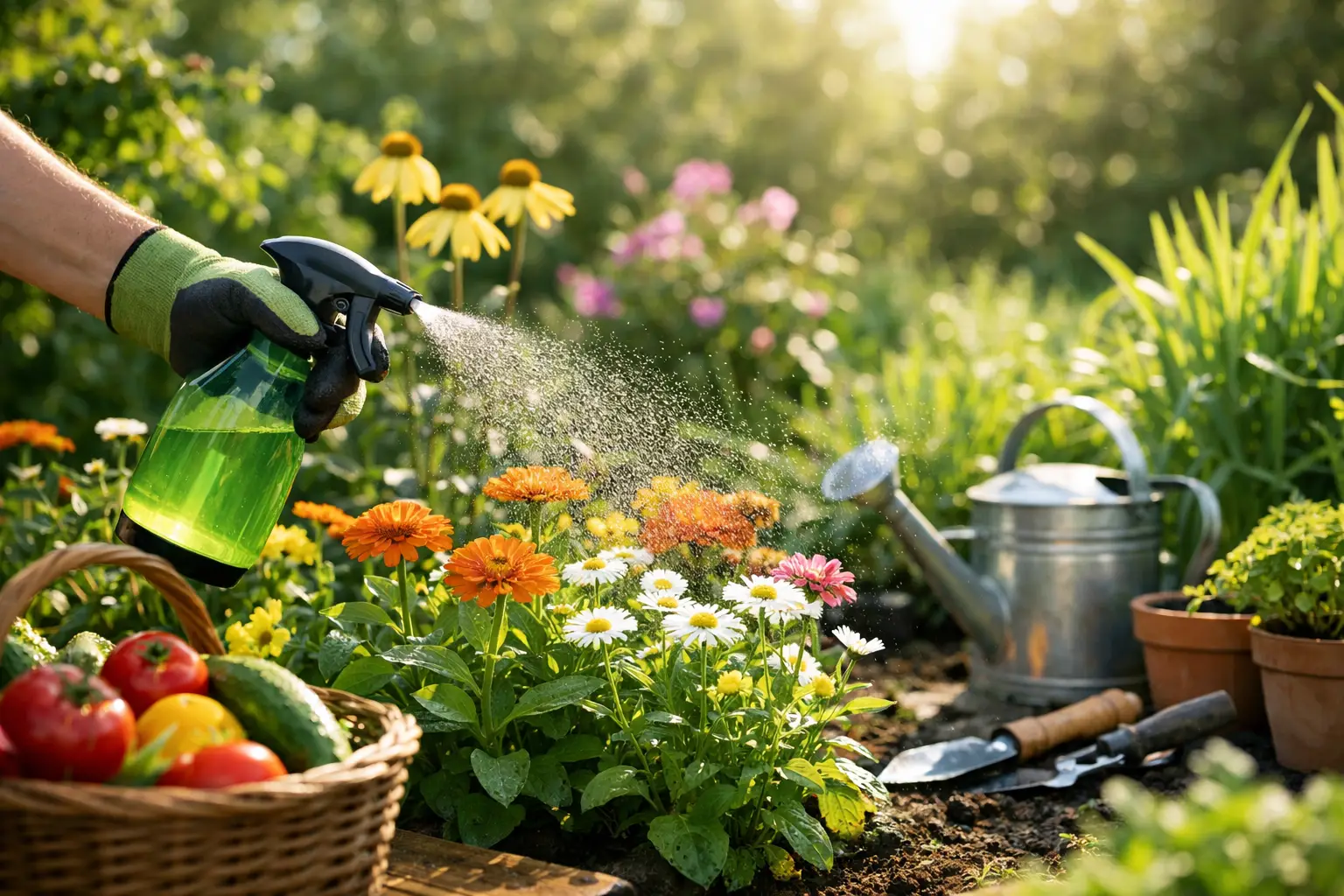
Good coverage is more useful than heavy coverage. Spray the tops and undersides of leaves until they are evenly wet, not dripping. Wear gloves, follow dilution directions exactly, and keep children and pets away until the product has dried according to label instructions.
Start with the least disruptive fix
Before choosing a spray, take a close look at the whole plant. Many pest problems begin because a plant is stressed, crowded, overfertilized, or growing in poor airflow. A tomato pushed with too much high-nitrogen fertilizer, for example, can produce lush new growth that aphids love.
Try removing pests with water first when that is practical. Prune off badly infested leaves, handpick larger pests, and make room for beneficial insects by avoiding broad-spectrum pesticides. A few aphids on a mature plant may be an invitation for ladybugs and lacewing larvae, not a gardening emergency.
If the infestation is growing, act early. Small populations are easier to manage, require less spray, and give the plant a better chance to bounce back.
A simple decision for your garden
Choose insecticidal soap when pests are visible and you want fast contact control with minimal residue. Choose neem oil when you need a broader approach for a recurring issue and are willing to apply it carefully over several treatments. For a severe outbreak, you may even use both at different times, but do not layer products on the same day unless both labels specifically allow it.
The most successful natural pest control is rarely about finding one perfect bottle. It comes from noticing trouble early, treating only what needs treatment, and giving your plants the steady care that helps them recover.