By mid-July, a garden can look like it has hit its stride and started to complain about it at the same time. Tomatoes are setting fruit, basil is growing fast, cucumbers are racing up their supports, and suddenly everything seems thirsty, hungry, or covered in something tiny with too many legs. A good summer garden care guide is less about doing more and more about doing the right things at the right time.
Summer is when small habits make the biggest difference. If spring is for planting, summer is for paying attention. The gardeners who get through heat waves, pest pressure, and tired soil without losing their minds usually are not doing fancy tricks. They are watering deeply, mulching generously, harvesting often, and adjusting as conditions change.
What summer asks from your garden
Hot weather puts plants under a different kind of stress than cool-season growing. Soil dries faster, containers can go from moist to bone dry in a single afternoon, and fruiting crops like tomatoes, peppers, squash, and cucumbers are using a lot of energy all at once. Even healthy plants can stall when daytime heat stays high and nights remain warm.
This is also the season when pests seem to notice your garden before you do. Aphids multiply quickly, squash bugs appear out of nowhere, and fungal problems can spread after humid mornings or frequent overhead watering. That does not mean something has gone wrong. It means summer care needs to be steady, simple, and observant.
Watering well in a summer garden care guide
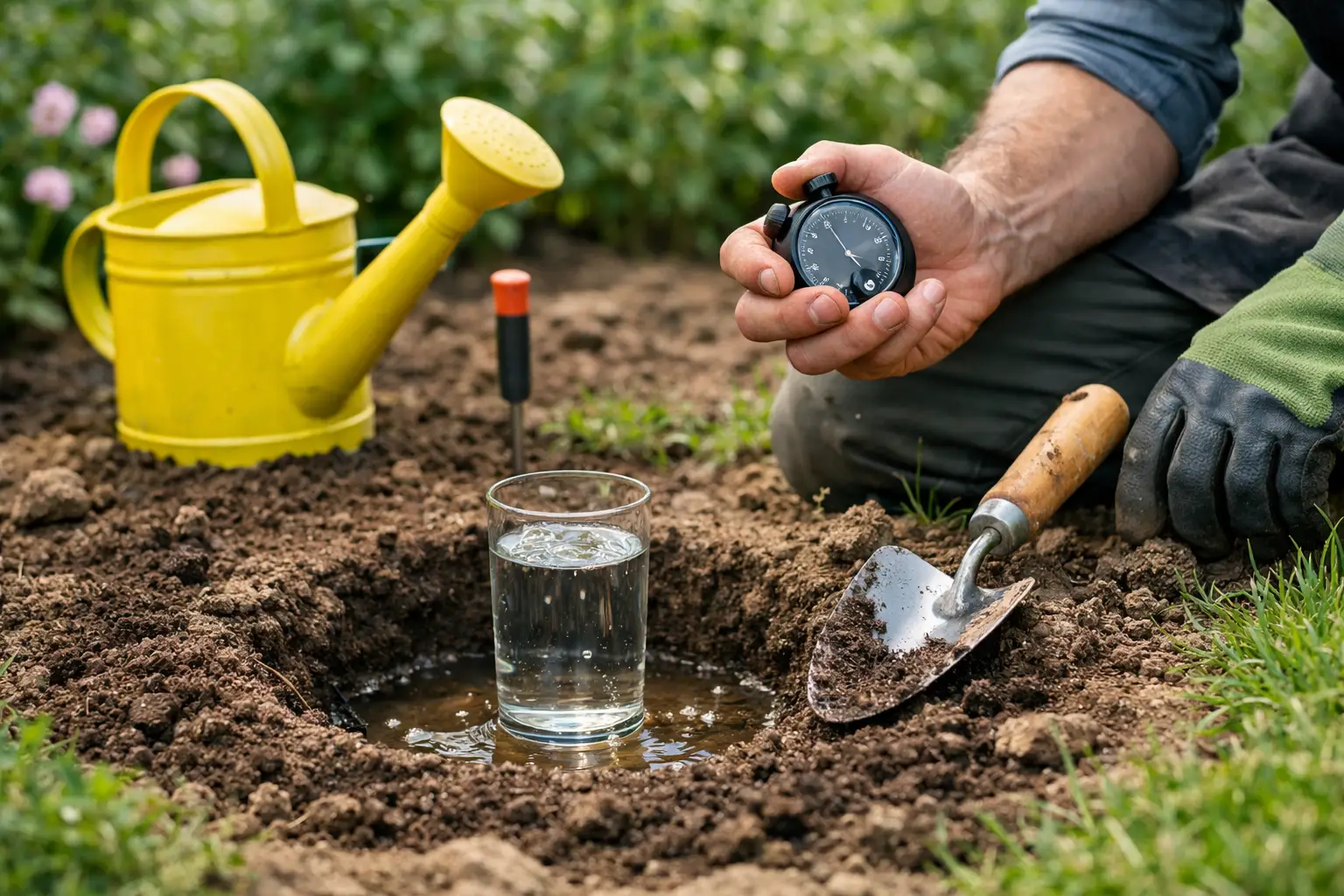
Most summer garden trouble circles back to inconsistent moisture. Plants that swing from very dry to very wet are more likely to crack, wilt, drop blossoms, or produce bitter fruit. Deep, steady watering is usually better than frequent shallow watering because it encourages roots to grow down where moisture lasts longer.
For in-ground beds, aim to water early in the morning whenever possible. That gives plants time to take up moisture before the hottest part of the day and reduces the chance of fungal issues that can linger overnight on wet leaves. If morning is not realistic, late afternoon is usually better than midday. Noon watering is not harmful, but more water evaporates before it reaches the root zone.
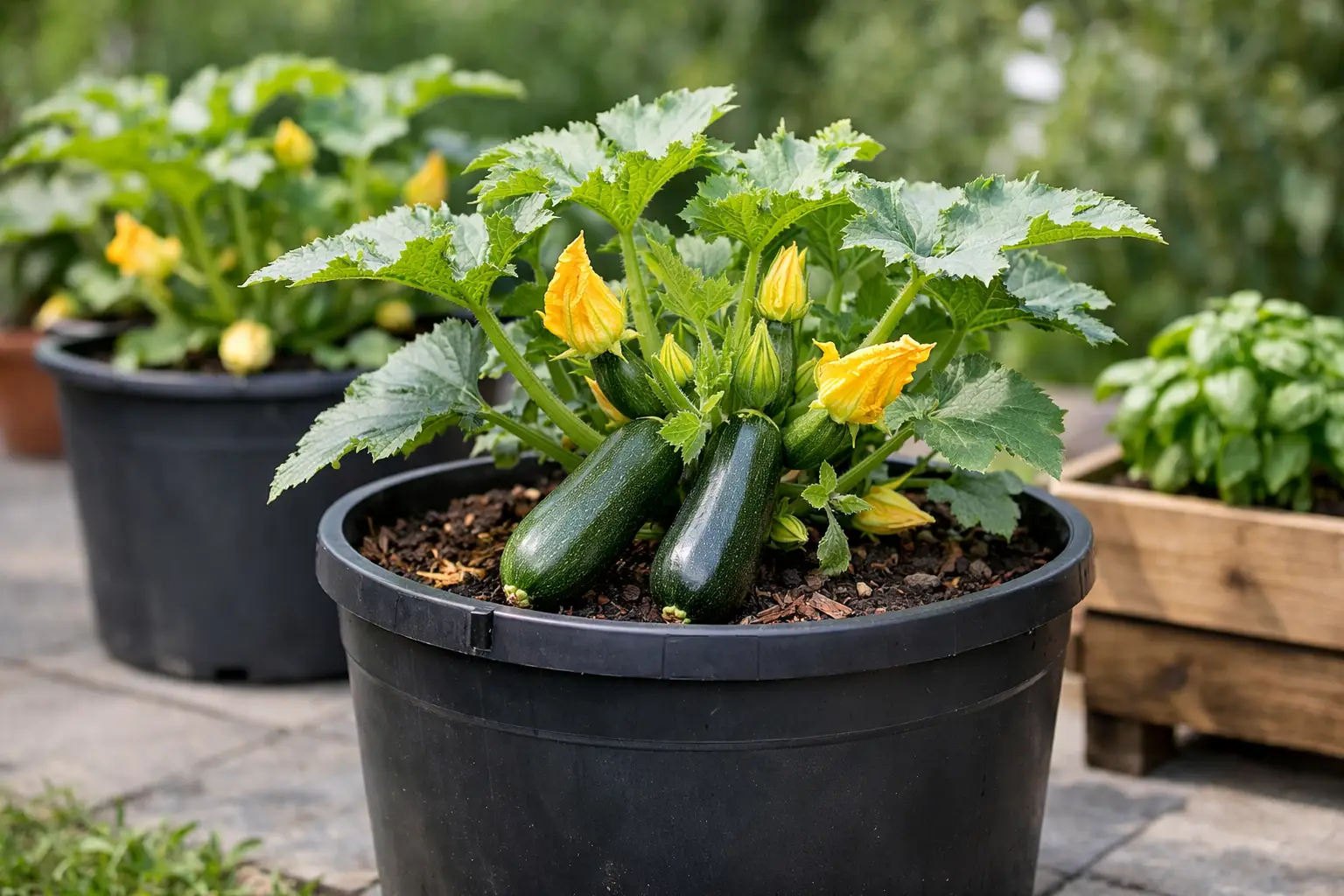
Containers need a different rhythm. In summer, pots heat up fast and dry out from all sides, not just from the top. A large container may need water every day during a hot stretch, while small pots may need it twice. The best test is still the simplest one – stick a finger into the soil. If the top inch or two is dry, it is probably time to water.
One place gardeners get tripped up is assuming every wilt means the same thing. Some plants wilt in extreme heat even when the soil is still moist, then perk back up in the evening. If the soil is damp a few inches down, hold off before watering again. Overwatering in hot weather can be just as stressful as underwatering.
Mulch is the quiet workhorse of summer
If there is one change that makes summer gardening easier almost immediately, it is mulch. A two- to three-inch layer of straw, shredded leaves, untreated grass clippings, or fine wood mulch helps keep soil cooler, slows evaporation, and reduces weed pressure before weeds steal water from your crops.
Around vegetables, keep mulch slightly back from plant stems so you do not trap too much moisture right against the base. In raised beds, mulch also softens the impact of intense sun on the soil surface, which helps the whole bed stay more evenly moist.
Organic mulch does one more useful thing over time – it feeds the soil as it breaks down. That matters in summer because healthy soil holds moisture better and supports stronger root systems. It is not dramatic, but it works.
Feeding plants without overdoing it
Summer is when many gardeners start second-guessing fertilizer. A tomato looks pale, a squash plant slows down, and it is tempting to throw everything at the problem. Usually, plants benefit more from a gentle, targeted feeding than a heavy dose of anything.
Fruiting crops often appreciate a boost once they are actively producing, especially in beds that have been growing for a while. Compost, worm castings, fish emulsion, seaweed-based feeds, or a balanced organic fertilizer can all help, depending on what your soil already contains. The goal is to support steady growth, not force a burst of soft, leafy growth that attracts pests.
It depends on the crop, too. Leafy herbs and greens may respond well to a nitrogen-rich feeding, but tomatoes and peppers that already have plenty of leaves usually need balanced nutrition and consistent watering more than extra nitrogen. Too much nitrogen can give you a gorgeous plant with very little fruit.
When in doubt, feed lightly and observe for a week or two. Gardens are good at showing you whether a change is helping.
Summer pruning, harvesting, and cleanup
A crowded summer garden can turn into its own weather system. Dense growth holds humidity, blocks airflow, and gives pests a comfortable place to hide. A little cleanup goes a long way.
Remove yellowing lower leaves from tomatoes, trim off diseased foliage, and pull spent plants once they are clearly finished. If bolting lettuce has become a bitter tower of flowers, it is not doing the bed any favors. Clear it out and give the space to something that still wants to grow.
Harvesting matters more than many people realize. Beans get tough when left too long. Zucchini becomes club-sized overnight. Basil grows better when it is pinched often. Cucumbers that stay on the vine too long can slow further production. Picking regularly tells the plant to keep going.
This is also a good time to support plants that have outgrown their spring setup. Add another tomato tie, adjust a trellis, or prop up heavy branches before they snap under the weight of fruit.
Natural pest control in the heat of summer
Summer pest control works best when it starts with noticing. Turn leaves over. Look at new growth. Check plants in the early morning when insects are slower and damage is easier to spot. Catching a problem early is the difference between rinsing off aphids and spending two weeks wondering why your peppers look miserable.
For many common pests, the first step is physical control. Handpick squash bugs and hornworms. Spray aphids off with a firm stream of water. Remove heavily infested leaves if the plant can spare them. Row covers can still help on some crops, though they need to be managed carefully around pollination and heat.
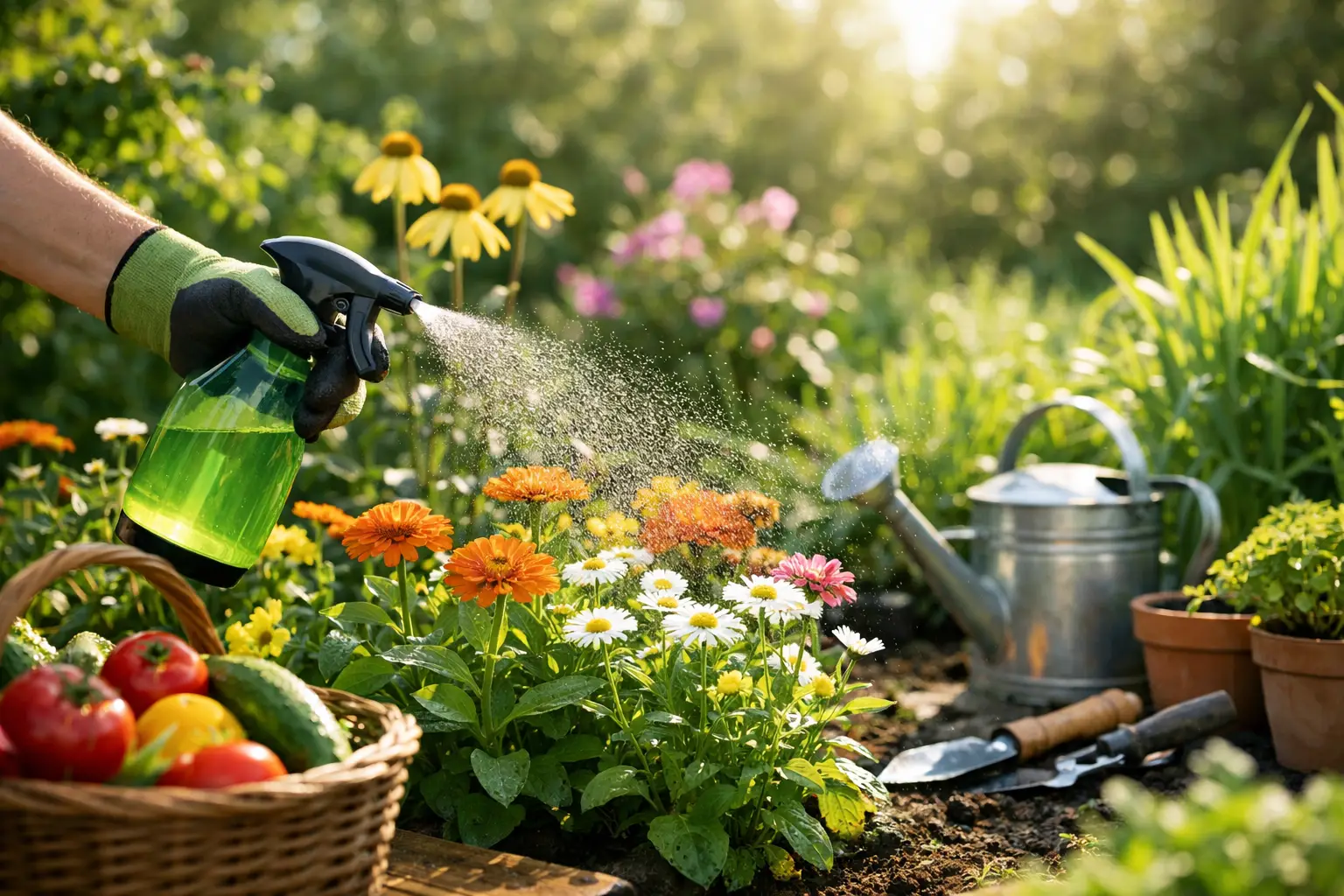
If you use organic sprays, choose them thoughtfully. Insecticidal soap and neem can be helpful, but they are still best used with care. Spray in the evening to avoid leaf burn and to reduce contact with pollinators. Treat the affected plant, not the whole garden out of frustration.
A healthy garden also defends itself better. Diverse plantings, flowers that attract beneficial insects, good airflow, and moderate feeding all make a difference. Soft, overfed growth is often a magnet for trouble.
When heat stress is the real problem
Not every stalled plant is hungry or infested. Sometimes it is just hot. Tomatoes may drop blossoms during extended high heat. Lettuce turns bitter. Cilantro bolts. Peppers can pause before pushing a new flush of growth. These are normal summer responses, not personal insults from the garden.
During heat waves, focus on reducing stress rather than pushing production. Water deeply, maintain mulch, and use shade cloth for sensitive crops if needed. Even a few hours of afternoon shade can help lettuce, spinach, and young transplants hang on.
This is one of those moments where gardening gets easier when you stop expecting every plant to love every season. Some crops are meant for spring and fall. Summer is the time to lean into heat lovers and protect everything else as best you can.
A simple rhythm for ongoing summer care
If your garden feels a little chaotic in midsummer, it helps to think in short weekly check-ins instead of giant work sessions. Walk the garden with a watering wand or a cup of coffee. Notice what is drying out fastest, what is producing heavily, and what looks like it is fading.
Most weeks, summer care comes down to the same pattern: water deeply, harvest what is ready, top up mulch where soil is exposed, remove damaged growth, and check for pests before they become a bigger problem. That rhythm is manageable, even in a busy week, and it prevents the garden from slipping into rescue mode.
There is also room for flexibility. A rainy stretch changes your watering. A container garden may need more attention than raised beds. Sandy soil dries faster than clay. A small backyard in Arizona will not behave like a coastal garden in Maine. The best summer garden care guide is the one you adjust to your space rather than follow word for word.
If your plants look a little rough around the edges by August, that does not mean you have failed. Summer gardens are working hard, and they often show it. Keep giving them steady care, skip the panic fixes, and trust the slow, practical habits that help a garden hold on through the hottest part of the season.