A July tomato plant can look perfectly healthy at breakfast and wilted by dinner when bare soil is baking around its roots. That is where the best organic mulch for vegetables earns its place. A good layer keeps soil cooler, slows evaporation, limits weeds, and gradually feeds the life beneath your plants.
Mulch is not one-size-fits-all, though. The material that works beautifully around a row of potatoes may be less useful for tiny carrot seedlings, and a bargain bale of hay can introduce more weeds than it prevents. The best choice is usually the clean, affordable material you can use correctly and replenish when needed.
What Makes a Good Vegetable Garden Mulch?
For edible gardens, choose natural materials that break down safely and do not bring unwanted chemicals, seeds, or pests into the bed. The goal is to cover the soil, not smother your plants. Most established vegetables do well with a 2- to 4-inch layer, pulled back a couple of inches from stems.
Mulch should also fit the season. In summer, you want a thicker insulating blanket that holds moisture and shades the soil. In early spring, when soil needs to warm for beans, peppers, squash, and tomatoes, wait until seedlings are established before applying a heavy layer. Cool, wet soil covered too soon can slow warm-season crops down.
The Best Organic Mulch for Vegetables: 6 Smart Choices
1. Clean straw is the all-around favorite
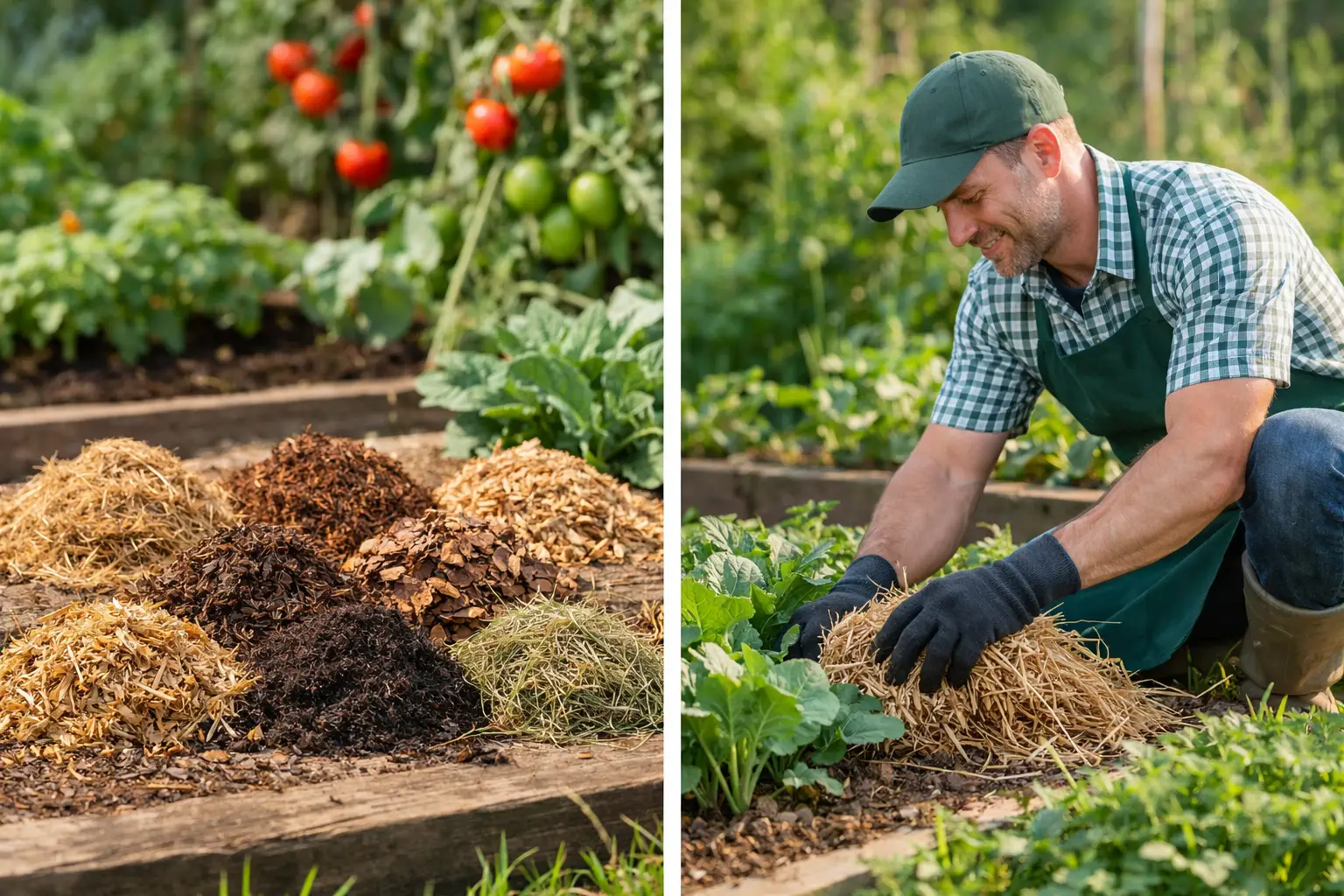
For many home vegetable gardens, clean straw is the easiest answer. It is light, simple to spread, breathable, and excellent at holding soil moisture without turning into a soggy mat. It is especially useful around tomatoes, peppers, cucumbers, zucchini, and strawberries, where it also keeps ripening fruit off damp soil.
Look for straw, which is the dried stem left after grain harvest, rather than hay. Hay contains grass and flower heads and can be full of seeds. Even straw can carry a few seeds, so buy from a reliable local source when you can and avoid bales that smell musty or look heavily treated.
Spread it 3 to 4 inches deep after plants are a few inches tall. Straw settles quickly, so you may need to add another light layer by midsummer. At the end of the season, it can be worked into the bed lightly or moved into the compost pile.
2. Shredded leaves turn fall cleanup into garden food
Dry leaves are one of the most useful free resources in a backyard, especially when shredded first with a mower or leaf shredder. Whole leaves tend to mat together, shed water, and create a slimy layer. Shredded leaves settle into a looser mulch that lets water and air reach the soil.
Leaves are a particularly good choice for fall-planted garlic, established perennials near the vegetable plot, and beds resting over winter. In a summer vegetable garden, use a 2- to 3-inch layer and top it up as it breaks down.
If you are using leaves from your own yard, skip any that come from areas treated with herbicides or pesticides. Also avoid leaves that show obvious disease problems. A few spotted leaves are not a disaster, but there is no reason to deliberately mulch around healthy tomatoes with last year’s diseased tomato foliage.
3. Untreated grass clippings work when applied thinly
Fresh grass clippings are rich in nitrogen and can be very helpful around hungry crops like corn, squash, and tomatoes. The catch is that they must be applied in thin layers. A thick pile of wet clippings heats up, smells sour, and can form a dense crust that blocks water.
Lay down no more than 1 inch at a time, then let it dry before adding another layer. Over a few weeks, you can build up to about 3 inches. Clippings from lawns treated with weed-and-feed products, broadleaf herbicides, or other chemicals do not belong in a food garden. When in doubt, leave them out.
Grass is best used as a quick, local mulch rather than stored in big piles. If you have more than you can use safely, add it gradually to your compost pile along with dry leaves or shredded paper.
4. Finished compost feeds soil while it covers it
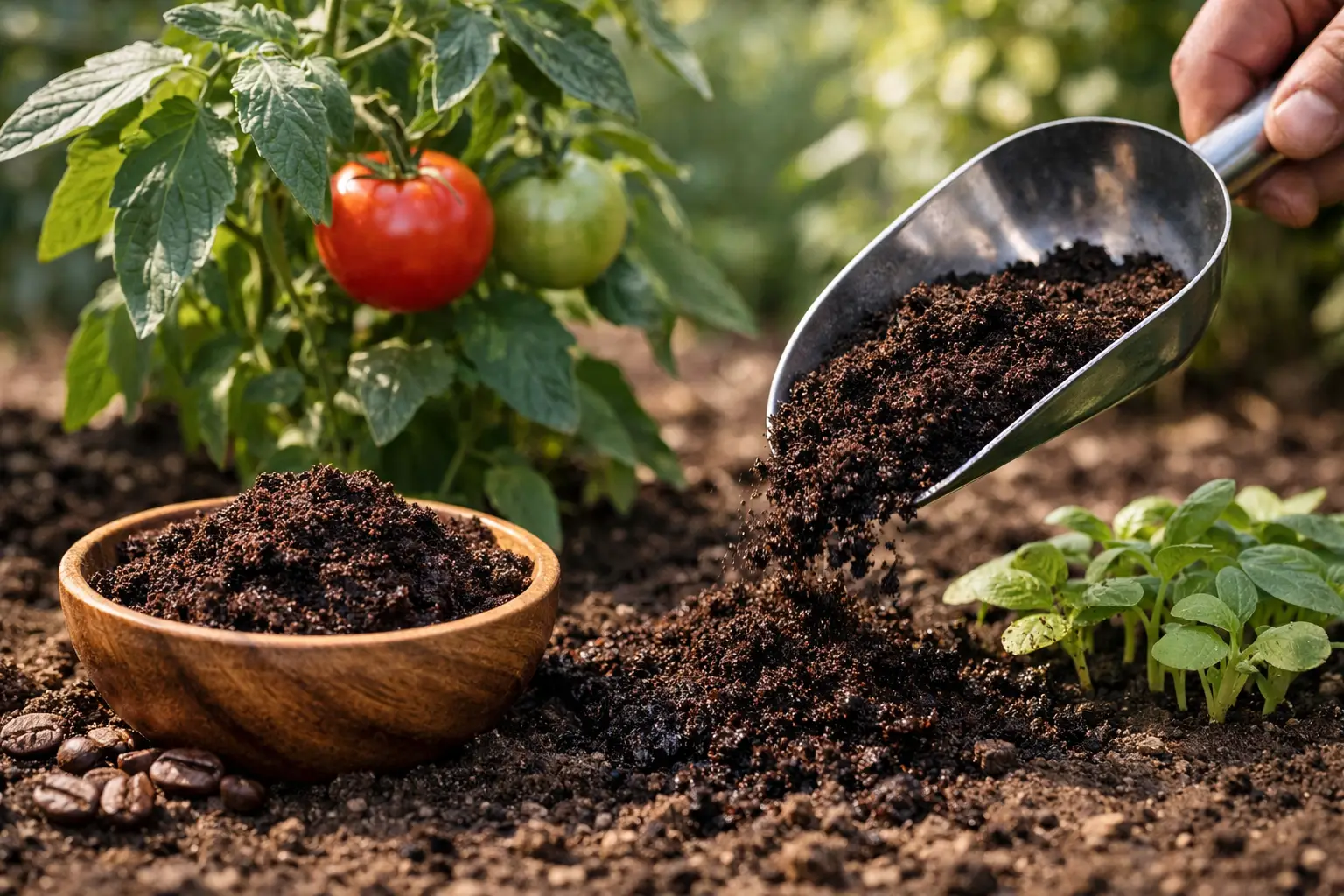
Finished compost is a gentle, soil-building mulch for almost every vegetable bed. It does not suppress weeds as long as straw or wood chips because it is usually finer and thinner, but it adds nutrients, improves soil structure, and supports beneficial soil organisms.
Use a 1- to 2-inch layer around established plants or spread it over a whole bed before planting. Compost is especially welcome around leafy greens, brassicas, and plants that need a steady supply of nutrients. It is also the right choice when your soil is tired, compacted, or low in organic matter.
Make sure it is truly finished. Good compost is dark, crumbly, and earthy smelling, with no strong odor and few recognizable scraps. Half-finished compost can temporarily tie up nitrogen or carry weed seeds if it did not get hot enough during the composting process.
5. Aged wood chips belong in pathways and around long-term crops
Wood chips are excellent mulch, but placement matters. They are one of the best options for vegetable garden paths because they reduce mud, keep weeds down, and slowly improve the soil beneath them. For annual beds, use them with care. Fresh chips mixed into the soil can use available nitrogen as they decompose.
The practical solution is simple: keep coarse, untreated wood chips on top of the soil and away from the planting hole. They work well around established fruit bushes, asparagus, rhubarb, and the edges of raised beds. They are less convenient around direct-seeded carrots, lettuce, and radishes because the chunks get in the way of small seedlings.
Avoid dyed landscape mulch, pressure-treated wood, and unknown tree-service loads. Plain arborist chips from untreated branches are the safer choice.
6. Pine needles are useful for the right garden
Pine needles, sometimes sold as pine straw, make a light and tidy mulch that stays in place better than dry leaves. They are useful around strawberries, potatoes, and paths, and they can be a good option if pine trees are common in your area.
Despite the old warning, pine needles will not suddenly make your entire vegetable bed too acidic. As they age, their effect on soil pH is modest. Still, because they break down slowly and do not add much fertility, think of them more as a moisture-saving cover than a soil-feeding mulch.
How to Apply Mulch Without Causing Problems
Water your bed deeply before mulching. Mulch slows moisture loss, but it cannot replace water that never reached the root zone in the first place. Then spread the material evenly, leaving a small bare ring around each stem. Constant moisture against stems can encourage rot and create hiding places for slugs.
For seeds and very young seedlings, start lighter. A thin layer between rows is enough until plants are sturdy. Once seedlings are several inches tall, add more mulch around them. With carrots, beets, and other direct-seeded crops, it is often easiest to wait until after thinning.
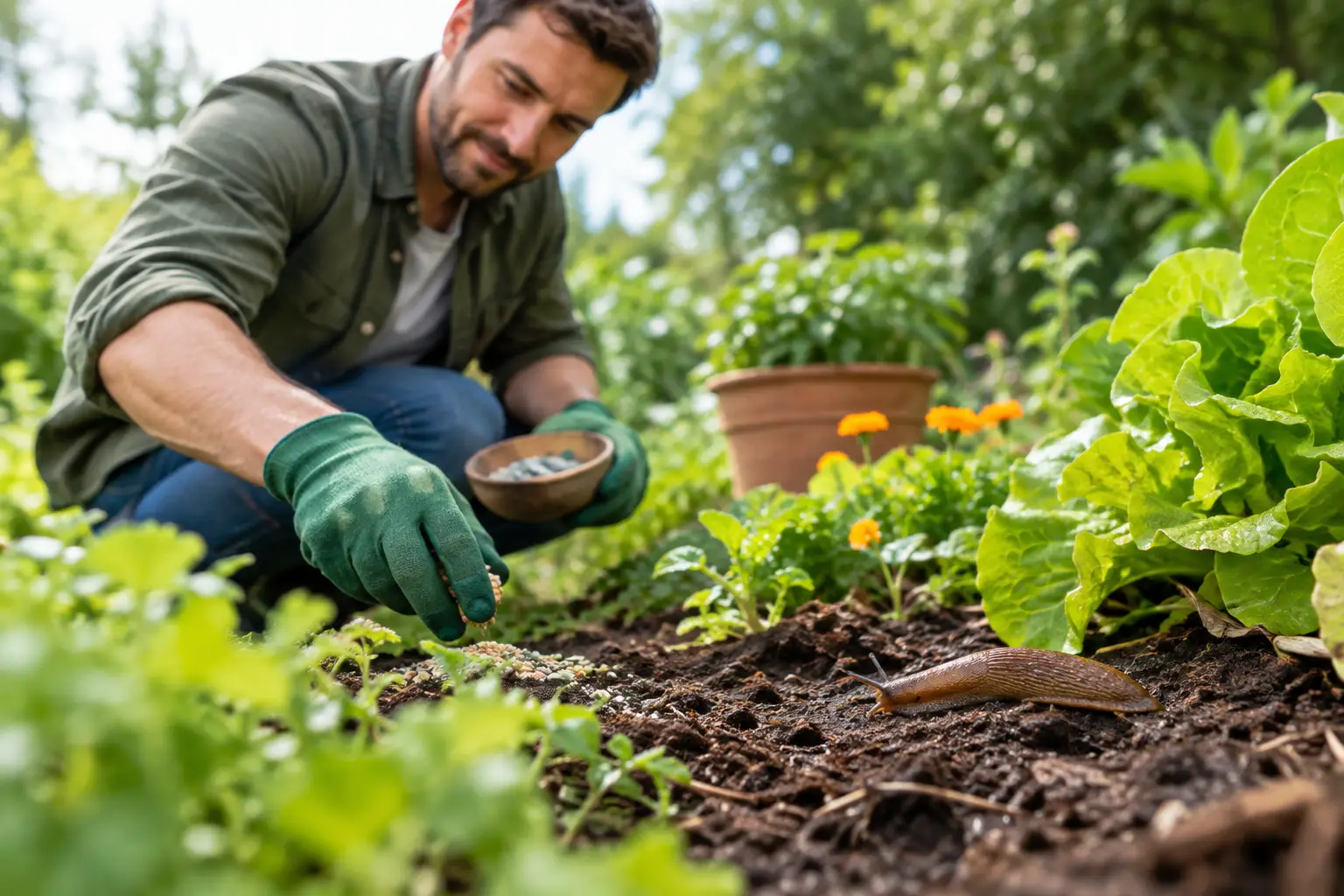
Check under the mulch every week or two, especially after rain. If the soil is moist several inches down, you can hold off on watering. If you find slugs gathering beneath dense, damp mulch, pull it back slightly from vulnerable plants and use a thinner layer until the weather dries.
A Simple Choice for Most Gardeners
If you want one dependable starting point, use clean straw around established summer vegetables and shredded leaves or compost whenever they are abundant. This combination is inexpensive, easy to handle, and forgiving for newer gardeners. Save wood chips for paths and permanent plantings, where they can do their best work without interfering with planting.
Your mulch does not need to look perfect to be useful. A few inches of clean organic material, applied at the right time, gives your vegetables a calmer place to grow – and gives you fewer weeds, less watering, and more time to enjoy what is coming out of the garden.