If you have ever stood in the garden holding a bag of compost in one hand and mulch in the other, wondering which one your plants actually need, you are not alone. The mulch vs compost in garden question trips up a lot of home gardeners because both help the soil, both can look similar, and both get recommended all the time. But they do different jobs, and using the right one at the right time makes gardening much easier.
The simplest way to think about it is this: compost feeds the soil, and mulch protects it. That one distinction clears up most of the confusion. Once you know what each one is meant to do, it gets much easier to decide what belongs in your vegetable beds, around your tomatoes, or on top of your container plants.
Mulch vs compost in garden spaces: what is the difference?
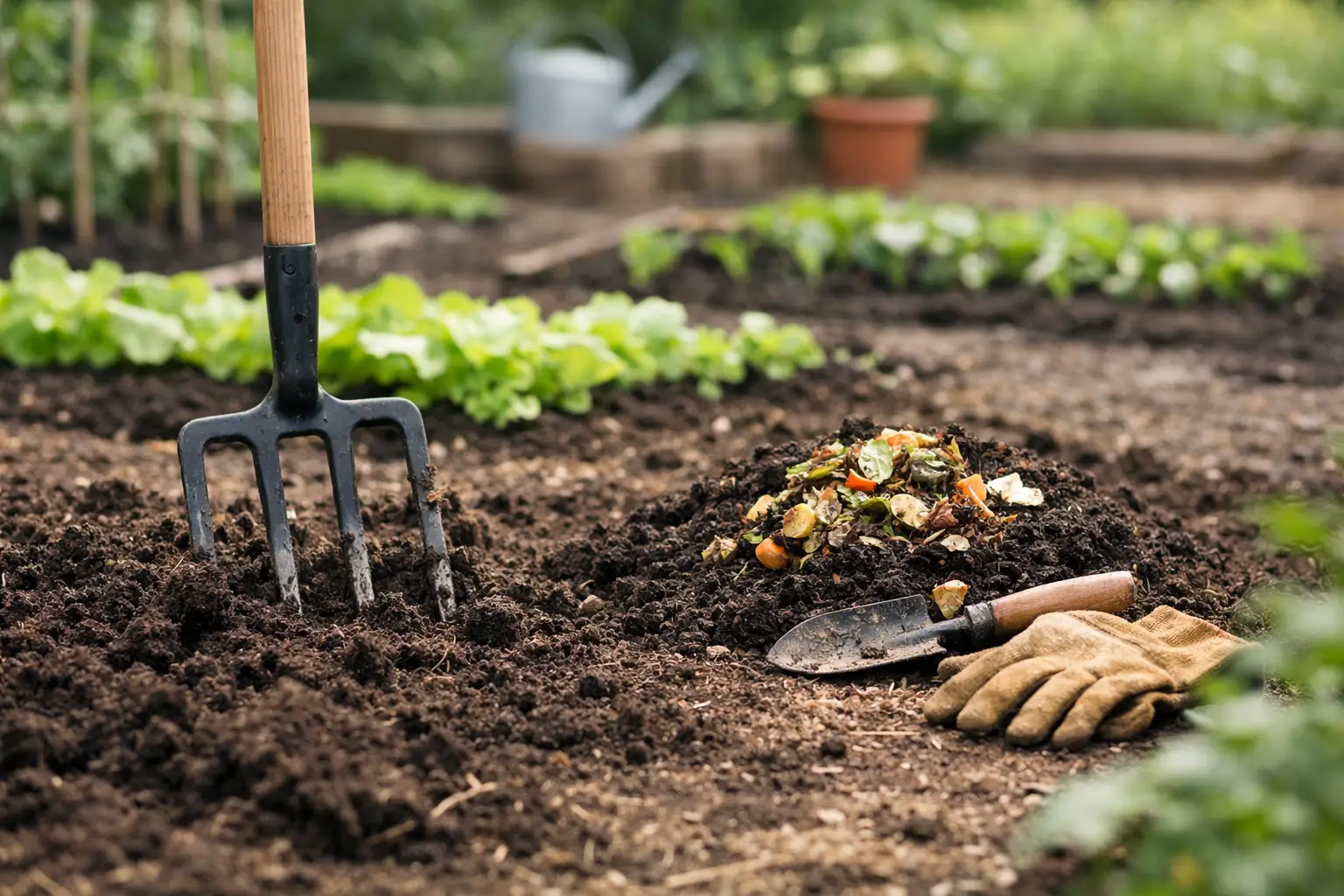
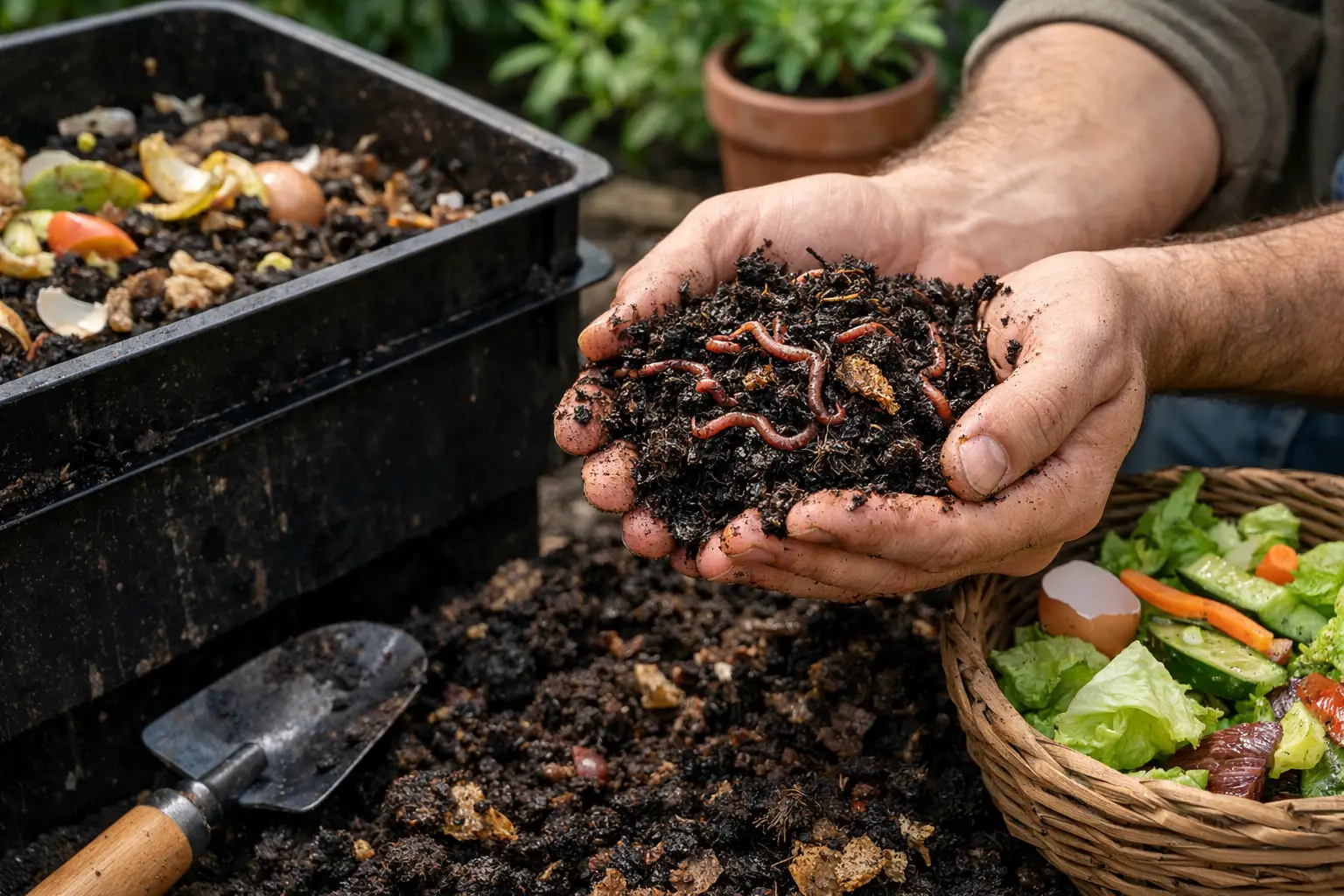
Compost is decomposed organic matter. It is made from things like leaves, food scraps, grass clippings, and plant material that have broken down into a dark, crumbly, earthy-smelling soil amendment. Its main job is to improve the soil by adding nutrients, supporting microbial life, and helping the soil hold moisture while still draining well.
Mulch is a layer of material spread on top of the soil. It can be organic, like straw, shredded leaves, pine needles, bark, or untreated grass clippings. It can also be inorganic, like gravel. In most home food gardens, organic mulch is the better fit because it works with the soil over time instead of just covering it. Mulch helps keep moisture in the ground, slows weed growth, and buffers the soil from temperature swings.
That means compost usually gets mixed into the soil or laid just under the surface where roots and soil organisms can use it. Mulch stays on top. You are not choosing one because it is better than the other overall. You are choosing based on what problem you are trying to solve.
When compost is the better choice
If your soil is tired, compacted, sandy, low in organic matter, or just not growing strong plants, compost is usually the first thing to reach for. It improves the structure of the soil, which helps roots grow better and makes watering more effective. In vegetable gardens, that matters a lot because crops like tomatoes, peppers, squash, and beans need steady moisture and nutrient access to perform well.
Compost is especially useful when you are preparing a new bed or refreshing an old one before planting. Adding an inch or two of compost to the surface and gently working it into the top layer can make a big difference over time. If you prefer no-dig methods, you can also top-dress with compost and let worms and water carry it down naturally.
It is also a good choice when plants need a mild nutrient boost. Compost is not a quick synthetic fertilizer hit, and that is a good thing in an organic garden. It feeds slowly and steadily. You are building long-term soil health, not just chasing fast green growth.
That said, compost is not magic. If your plants are already struggling from overwatering, poor sunlight, or pest pressure, compost alone will not fix everything. It helps create better conditions, but it still works best as part of a bigger gardening routine.
When mulch is the better choice
Mulch shines when the main issues are moisture loss, weeds, and stressed soil. If you are tired of watering constantly in summer or spending every weekend pulling weeds, mulch can save a lot of effort.
A good layer of mulch helps the soil hold moisture longer, which means roots stay more evenly hydrated. That is especially helpful in raised beds and containers, where soil dries out faster. It also shades the soil surface, which cuts down on weed seeds sprouting and keeps beneficial soil life from baking in the sun.
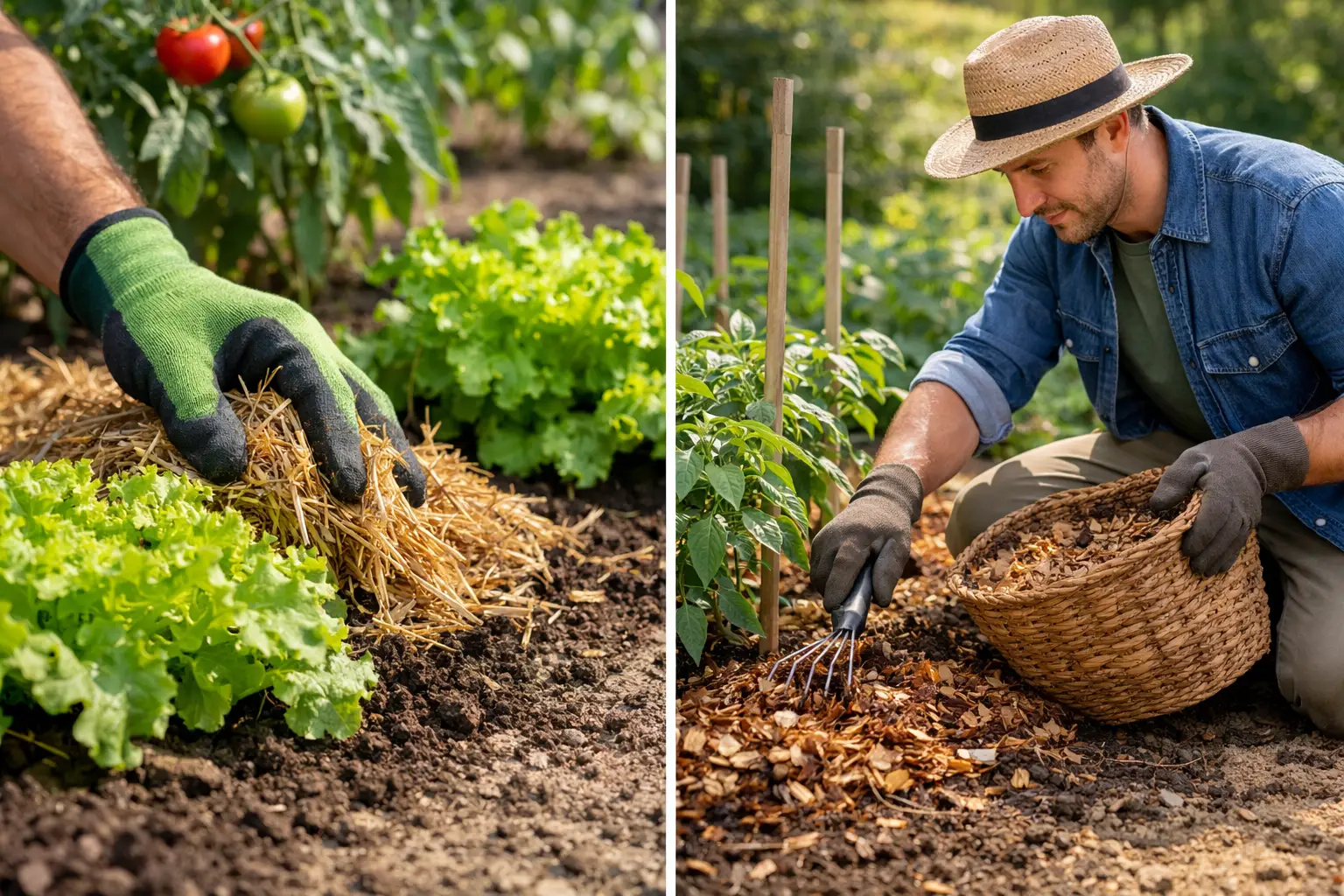
Around vegetable plants, mulch can also reduce soil splash. That matters more than many gardeners realize. When rain or irrigation splashes bare soil onto leaves, it can spread disease. A layer of straw or shredded leaves around tomatoes, peppers, cucumbers, and squash helps keep foliage cleaner.
Mulch also evens out soil temperature. In hot weather, it keeps roots cooler. In colder seasons, it offers some insulation. For gardeners dealing with big swings between day and night temperatures, that buffering effect can help plants stay steadier.
Still, mulch has limits. It does not replace good soil. If the soil underneath is poor, mulch will not feed it the way compost does, at least not right away. And if you pile mulch too thickly against stems or trunks, you can create rot problems or invite pests.
Should you use mulch or compost in a vegetable garden?
In most cases, both.
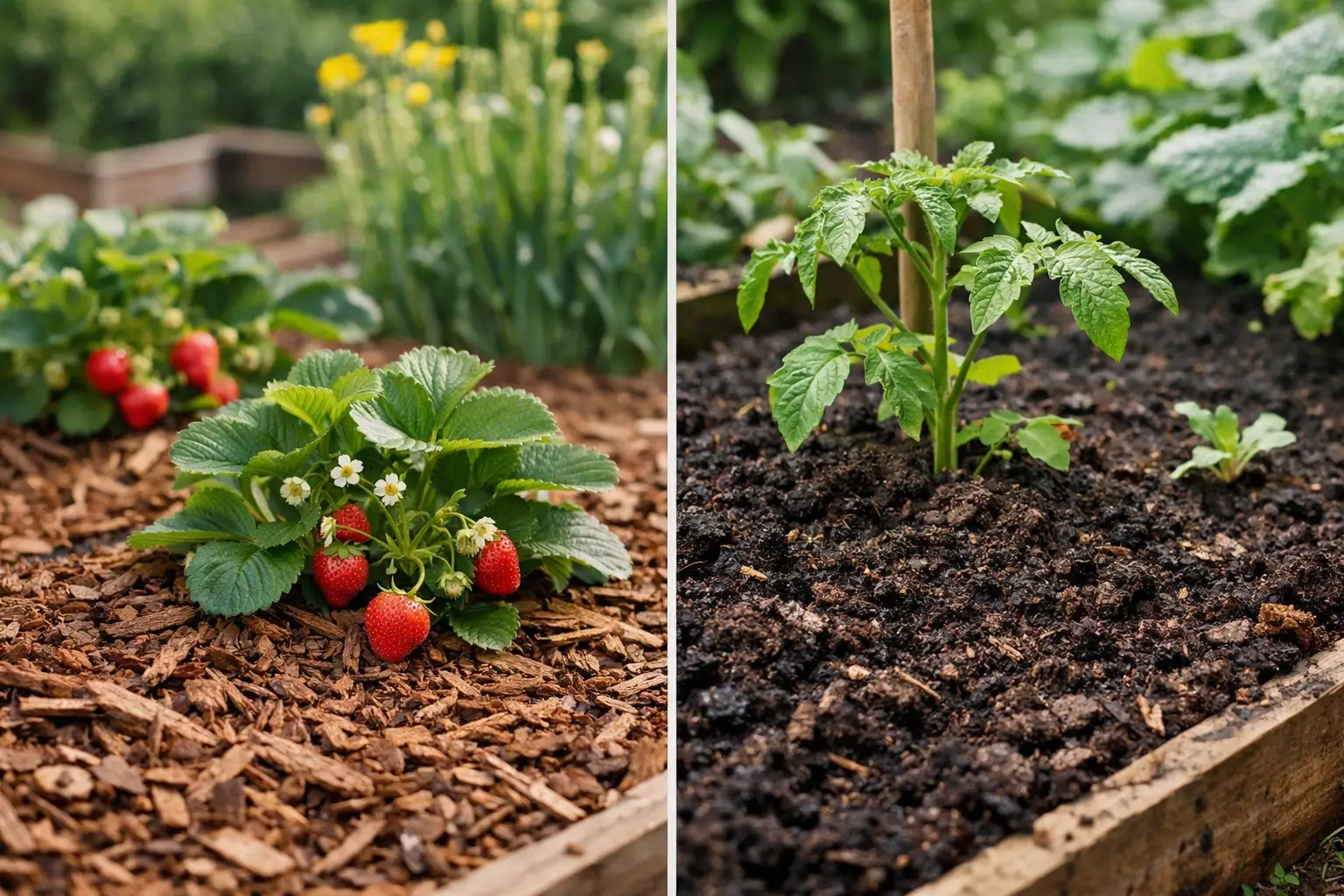
That is the real answer in the mulch vs compost in garden debate for vegetables. Compost goes into the system to improve and nourish the soil. Mulch goes on top to protect that soil once it is planted. Used together, they do a better job than either one alone.
A simple approach works well for most backyard beds. Before planting, spread compost over the bed. After planting and once seedlings are established, add mulch around the plants. This gives roots better soil to grow in and helps the bed stay moist and weed-resistant through the season.
For example, in a tomato bed, you might add compost before planting to support root growth and overall fertility. Then once the plants are a little taller and the soil has warmed up, add straw or shredded leaf mulch around them. That combination usually means fewer weeds, more consistent watering, and healthier soil by the end of the season.
Common mistakes gardeners make
One common mistake is using unfinished compost as mulch. If compost is not fully broken down, it can tie up nitrogen or introduce weed seeds. Finished compost should smell earthy and look fairly uniform. If it still looks like recognizable kitchen scraps or fresh yard waste, it needs more time.
Another mistake is mixing woody mulch into the soil. Bark mulch and wood chips are great on top of the soil in many garden areas, but when worked into the soil, they can temporarily tie up nitrogen as they decompose. That can leave vegetables short on what they need.
There is also the mistake of mulching too early in spring. Mulch slows warming, which is useful in summer but not always ideal when you are trying to get warm-season crops going. In cooler regions, let the soil warm first, then mulch.
And of course, there is the classic overdoing it problem. More is not always better. A thin to moderate layer of compost is plenty for most beds. Mulch should be thick enough to suppress weeds and conserve moisture, but not so deep that water has trouble getting through or stems stay damp.
Best mulch choices for organic home gardens
For most edible gardens, the easiest natural mulch options are straw, shredded leaves, untreated grass clippings, and partially broken-down leaf mold. These are affordable, gentle on the soil, and usually easy to find.
Straw is a favorite for vegetable beds because it is light, easy to spread, and does a nice job around crops like tomatoes, peppers, and strawberries. Shredded leaves are excellent too, especially in fall and winter beds. Grass clippings can work well if they come from lawns that have not been treated with herbicides or other chemicals, but they should be applied in thin layers so they do not mat down.
If you use wood chips, they are usually best for paths, perennial beds, and around shrubs rather than directly in annual vegetable rows. They break down more slowly, which is helpful in some spaces and less helpful in others.
How to use compost and mulch together
If you want one straightforward routine, here it is. At the start of the season, spread 1 to 2 inches of finished compost over the bed. Mix it lightly into the top few inches if that fits your gardening style, or leave it as a top-dressing. Plant your crops, water them in well, and wait until seedlings are established.
Then apply 2 to 3 inches of mulch around the plants, keeping it a little away from stems. Water deeply, and let that mulch layer help you hold moisture and suppress weeds through the season.
Midseason, if plants look hungry, you can side-dress with a little more compost. If mulch thins out, top it up. This does not need to be complicated. A lot of organic gardening success comes from repeating simple habits that support the soil month after month.
If your garden is in containers, use the same idea on a smaller scale. Mix compost into the potting mix or add a light top-dressing, then use a modest mulch layer to reduce drying. Containers lose moisture quickly, so this small step can make a noticeable difference.
The good news is you do not have to pick a side and defend it. Compost and mulch are teammates, not competitors. If your soil needs life, give it compost. If your soil needs cover, give it mulch. And if your garden needs both, which it often does, start there and keep things simple. Healthy gardens are usually built that way – one practical layer at a time.