A garden can look tidy and still ask a lot from the planet: thirsty lawn, bare soil baking in the sun, plastic pots stacked behind the shed, and a spray bottle used at the first sign of a chewed leaf. The best eco friendly garden trends are moving home gardens in a different direction. They are less about buying a new set of products and more about helping the garden do what a healthy natural system already does: hold water, feed the soil, and make room for life.
That does not mean turning your backyard into an untamed meadow overnight. A productive vegetable bed, a polished front border, and a small patio container garden can all be more earth-friendly. The trick is choosing changes that fit your space and your energy. Here are the trends worth paying attention to, along with the practical details that make them work.
Eco Friendly Garden Trends Start With Soil
The most useful trend in gardening is also one of the oldest: stop treating soil like dirt. Healthy soil is full of roots, fungi, bacteria, worms, and tiny creatures that turn fallen leaves and organic matter into plant food. When that community is thriving, plants generally need less fertilizer, handle dry spells better, and are less likely to become easy targets for pests.
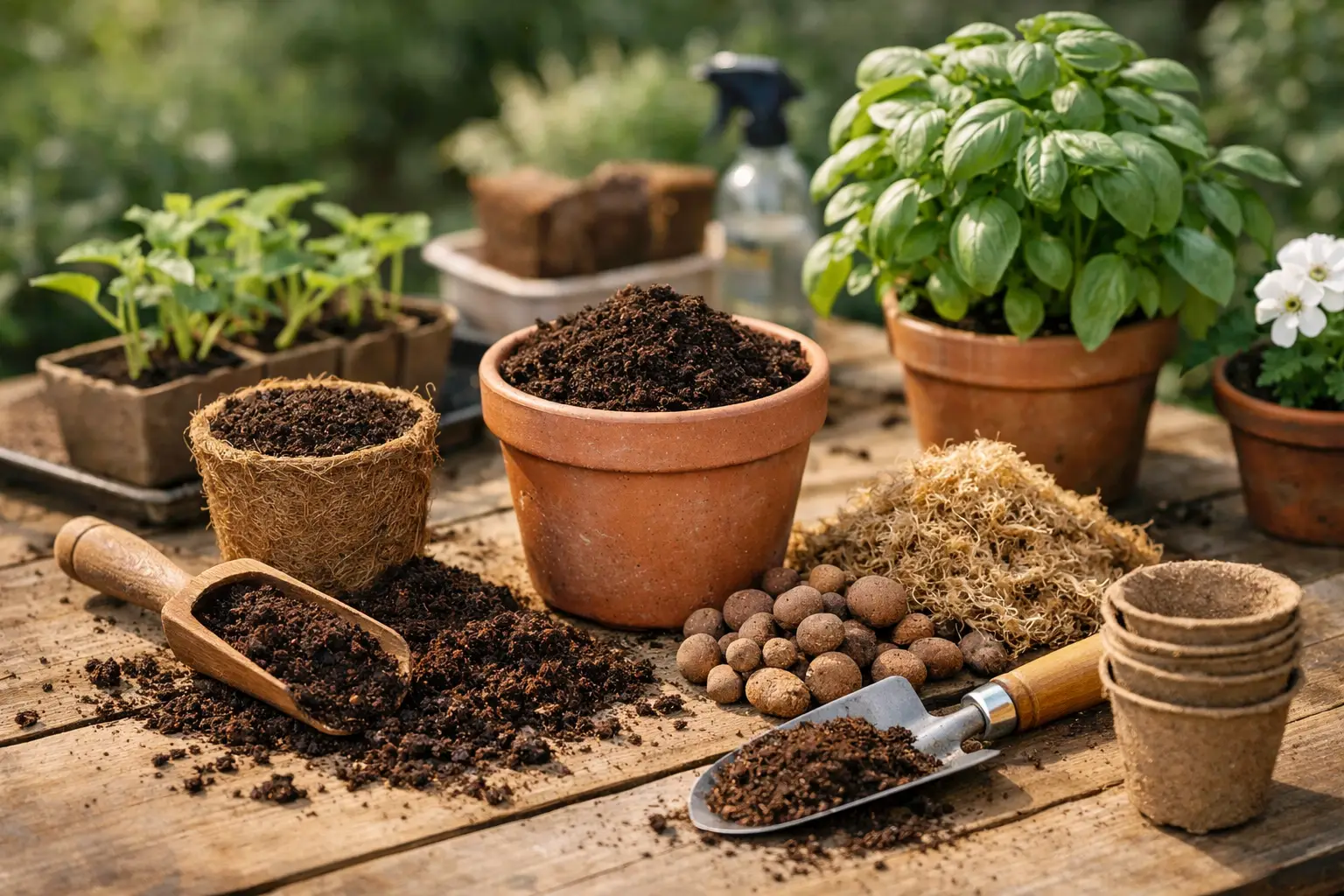
Instead of clearing every bed down to bare ground each fall or spring, more gardeners are leaving soil covered. Compost, shredded leaves, straw, untreated grass clippings, and wood chips can all act as mulch in the right place. A two- to three-inch layer around established vegetables and ornamentals helps slow evaporation, softens temperature swings, and reduces weeds.
There is a small learning curve. Keep mulch a few inches away from plant stems, especially tomatoes, peppers, and young perennials, so moisture does not sit against the crown. Fresh wood chips are excellent around shrubs, trees, and pathways, but use finished compost or finer organic mulch in annual vegetable beds where you are planting often.
Composting is part of this shift, too. You do not need a perfectly managed bin to get started. A simple pile of leaves, vegetable scraps, coffee grounds, and plant trimmings can become a useful soil amendment over time. Avoid adding meat, dairy, oily foods, or diseased plants to a casual backyard pile. The goal is not to create a laboratory. It is to send fewer nutrients to the landfill and more back into your garden.
Water-Wise Gardens Are Becoming the New Normal
A lush garden does not have to mean running sprinklers every day. With hotter summers and uneven rainfall affecting many parts of the US, gardeners are choosing plants and watering habits that make better use of every drop.
Drip irrigation and soaker hoses remain some of the smartest upgrades for raised beds and in-ground vegetable gardens. They deliver water close to the roots, where it is needed, rather than wetting paths and foliage. That can reduce water waste and lower the chance of fungal problems that spread on consistently damp leaves. A timer is helpful, but even a basic hose setup can make a noticeable difference.
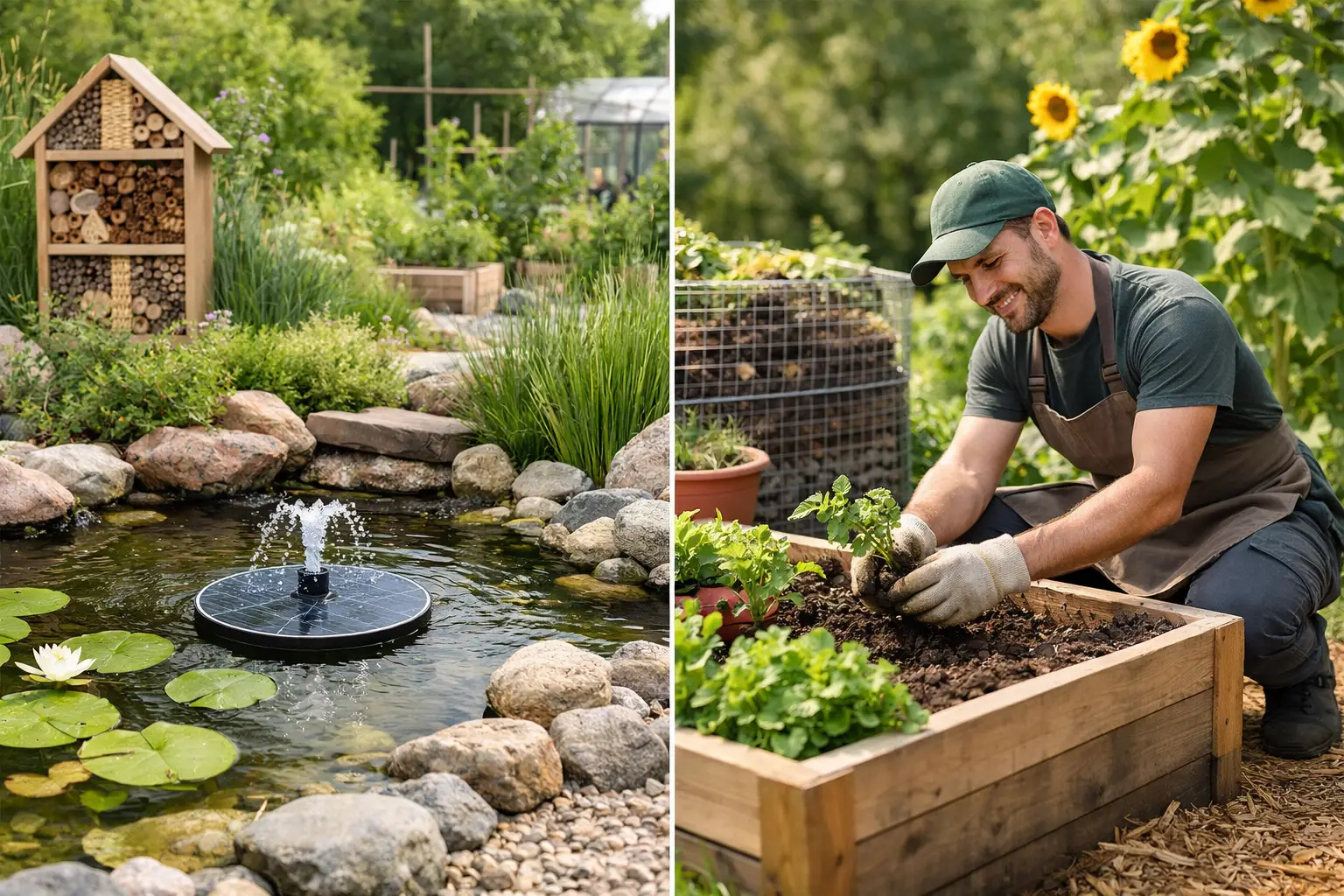
Rain barrels are also gaining attention, especially for container gardeners. A single barrel will not water a large vegetable plot through a long dry spell, but it can be enough for herb pots, flowers, seedlings, or a few thirsty containers. Check local rules before installing one, and make sure the barrel has a secure lid to keep out mosquitoes, debris, and curious children or pets.
The bigger change is matching plants to conditions. If one corner of your yard gets baked by afternoon sun, it may not be the place for moisture-loving plants that need constant attention. Native plants and regionally adapted perennials often need less supplemental water once established. They are not maintenance-free in their first season, though. Deep, consistent watering helps roots settle in, then you can gradually reduce it.
Native Plants Are Replacing Perfectly Empty Beds
Pollinator gardens have grown beyond a few purple coneflowers tucked into a corner. More home gardeners are weaving native flowers, grasses, shrubs, and small trees into beds that once held only lawn or annual color.
This matters because native insects depend on particular plants for food and shelter. Butterflies and bees need nectar, but birds also need the insects that native plant communities support. A garden with blooms from spring through fall can become a much more active place without becoming messy or difficult to manage.
Start small if you are unsure. Replace a strip of lawn with a sunny native border, add a native shrub near your patio, or tuck a few locally appropriate flowering plants beside vegetables. The best choices depend heavily on your state, soil, and light. A plant labeled “pollinator-friendly” is not automatically native to your area, so read the tag before bringing it home.
A little tidiness can coexist with wildlife value. Keep paths defined, group plants in repeated drifts, and leave seed heads standing through winter where you can. Those simple choices help a naturalistic bed look intentional rather than neglected.
Food Gardens Are Getting More Diverse
The old approach to vegetable gardening often meant long rows of one crop, bare paths, and a lot of waiting for problems to appear. A newer, more resilient approach mixes vegetables, herbs, flowers, and even small fruits in the same growing space.
Planting basil, dill, alyssum, calendula, or native flowers near vegetables can bring beneficial insects close to the crops that need them. This is not a magic shield against every pest. Tomato hornworms can still show up, and cabbage worms will not disappear simply because marigolds are nearby. But a diverse garden tends to support more predators, such as lady beetles, lacewings, and tiny parasitic wasps, which can help keep pest populations from exploding.
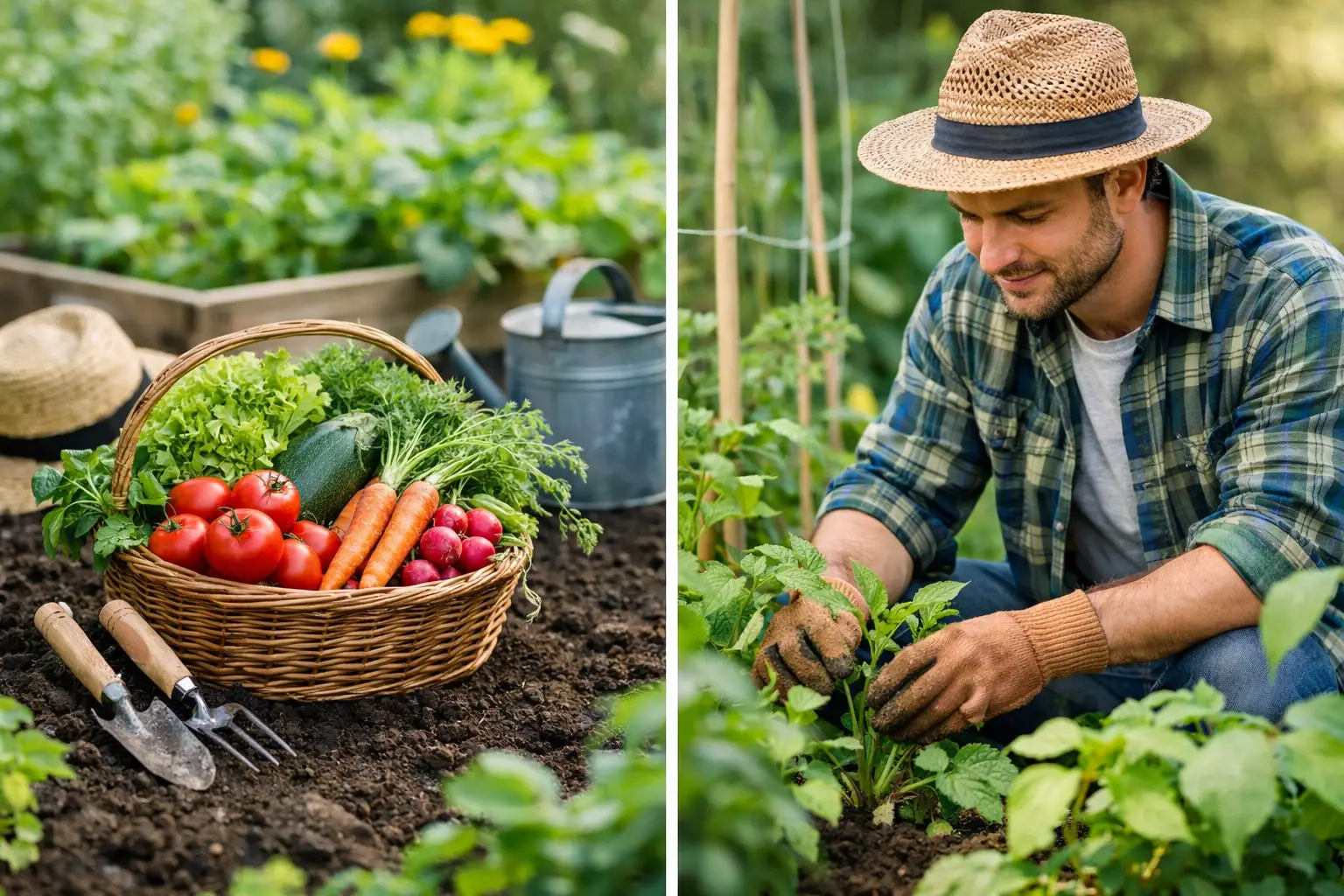
Diversity also makes the garden more useful. Herbs fill gaps between larger plants. Flowers provide cutting material and pollinator support. Lettuce can grow in the shade of taller crops during warmer weather. This style works particularly well in raised beds and containers, where every square foot has a job.
The trade-off is that close planting requires observation. Airflow matters, especially in humid climates. Give tomatoes, squash, cucumbers, and other disease-prone plants enough room, prune only when it improves circulation, and avoid overhead watering late in the day.
Natural Pest Control Is Becoming More Patient
One of the most encouraging eco friendly garden trends is a move away from automatic spraying. Gardeners are learning to pause before treating a problem, identify what is actually happening, and use the least disruptive solution first.
A few holes in a leaf are not always an emergency. Sometimes the insect causing the damage will become food for a bird or be found by a beneficial insect. Before reaching for even an organic spray, inspect the undersides of leaves, check new growth, and look for clusters of pests. Hand-picking hornworms, squishing aphids on a sturdy stem, or rinsing them off with a firm stream of water can solve small problems surprisingly well.
When intervention is needed, choose it carefully. Insecticidal soap can help with soft-bodied pests when used correctly, while row covers can prevent many pest issues before they begin. Organic products still affect living things, including beneficial insects, so use them only on the target plant and avoid spraying open flowers where pollinators are feeding.
A healthy garden is not one with no insects. It is one where damage stays manageable and the garden has enough balance to recover.
Reusing Materials Is More Than a Budget Trick
Gardeners are also getting more creative about what they already have. Old food-safe buckets can become planters with drainage holes. Fallen branches can edge a casual bed or support peas. Leaves can be shredded with a mower and used as mulch. Even a broken terracotta pot can become drainage material or a small shelter for ground beetles.
Reuse has limits. Avoid pressure-treated lumber of unknown age around edible crops, containers that held chemicals, and painted materials that may flake. It is also worth skipping cheap plastic items that crack after one season if a longer-lasting option is available. The most sustainable garden tool or container is usually the one you will keep using for years.
Choose One Change and Let It Grow
You do not need a rain garden, a composting system, native meadow, and perfectly planned drip irrigation to make your garden more sustainable this season. Start with the spot that gives you the most trouble. If it dries out fast, mulch it. If pests keep appearing, add plant diversity and inspect before spraying. If a patch of lawn does nothing but need mowing, try a small native planting.
Gardening gets easier when you stop fighting every natural process and start working with the ones already happening in your yard. That is where the most lasting changes begin.