A lot of first-time gardeners make the same mistake. They buy a few plants on a sunny Saturday, tuck them into the ground, water faithfully for a week, and expect the garden to take it from there. Then the tomatoes sulk, the basil gets chewed up, and suddenly organic gardening feels harder than it should.
The good news is that organic gardening tips for beginners do not need to be complicated. In fact, the easiest way to get good results is to simplify. Start with healthy soil, choose plants that match your space, and solve problems early with natural methods instead of waiting for a full-blown mess.
Organic gardening tips for beginners start with soil
If you do one thing right, make it the soil. Healthy plants come from healthy soil, and organic gardening works best when you feed the soil first rather than trying to rescue struggling plants later.
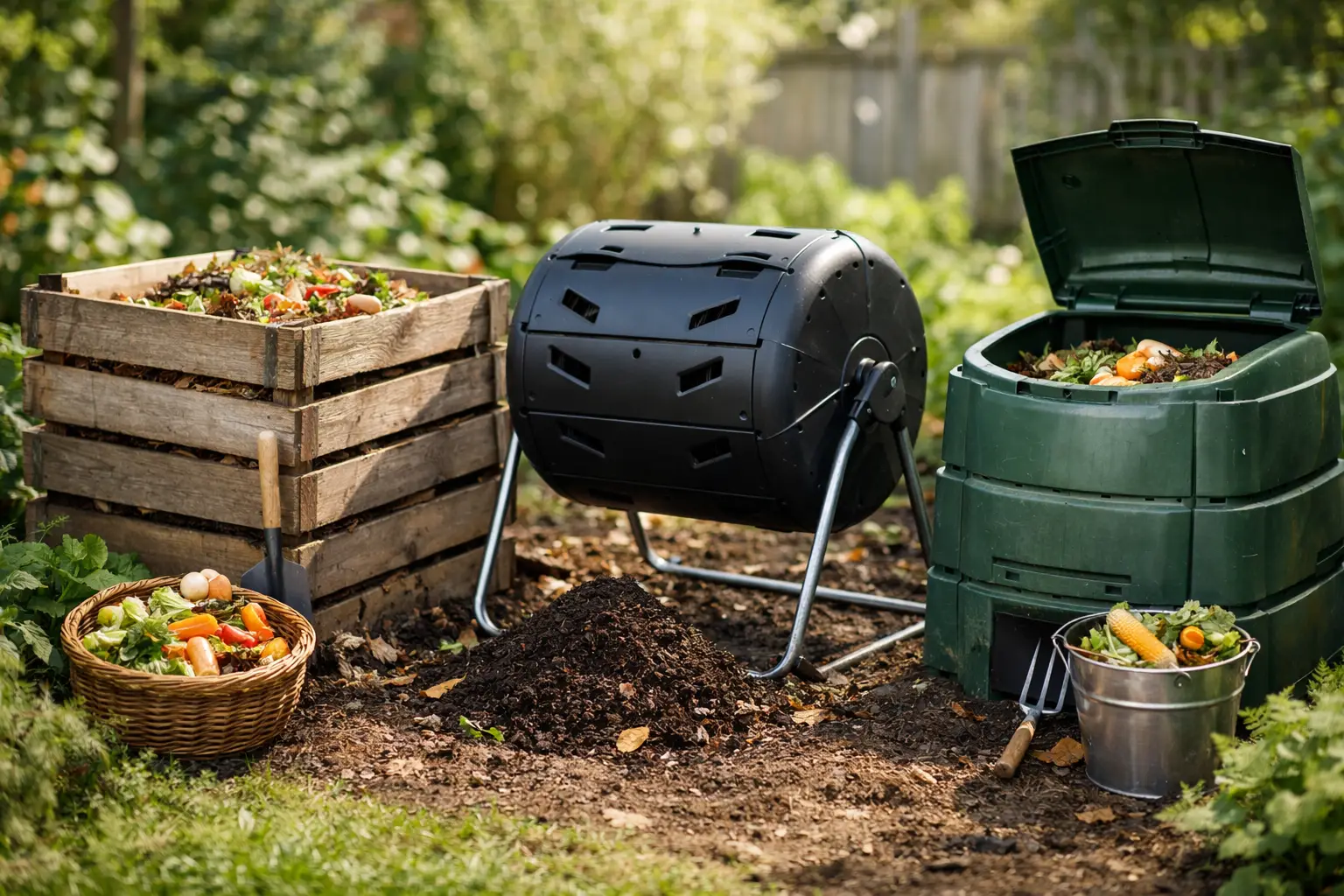
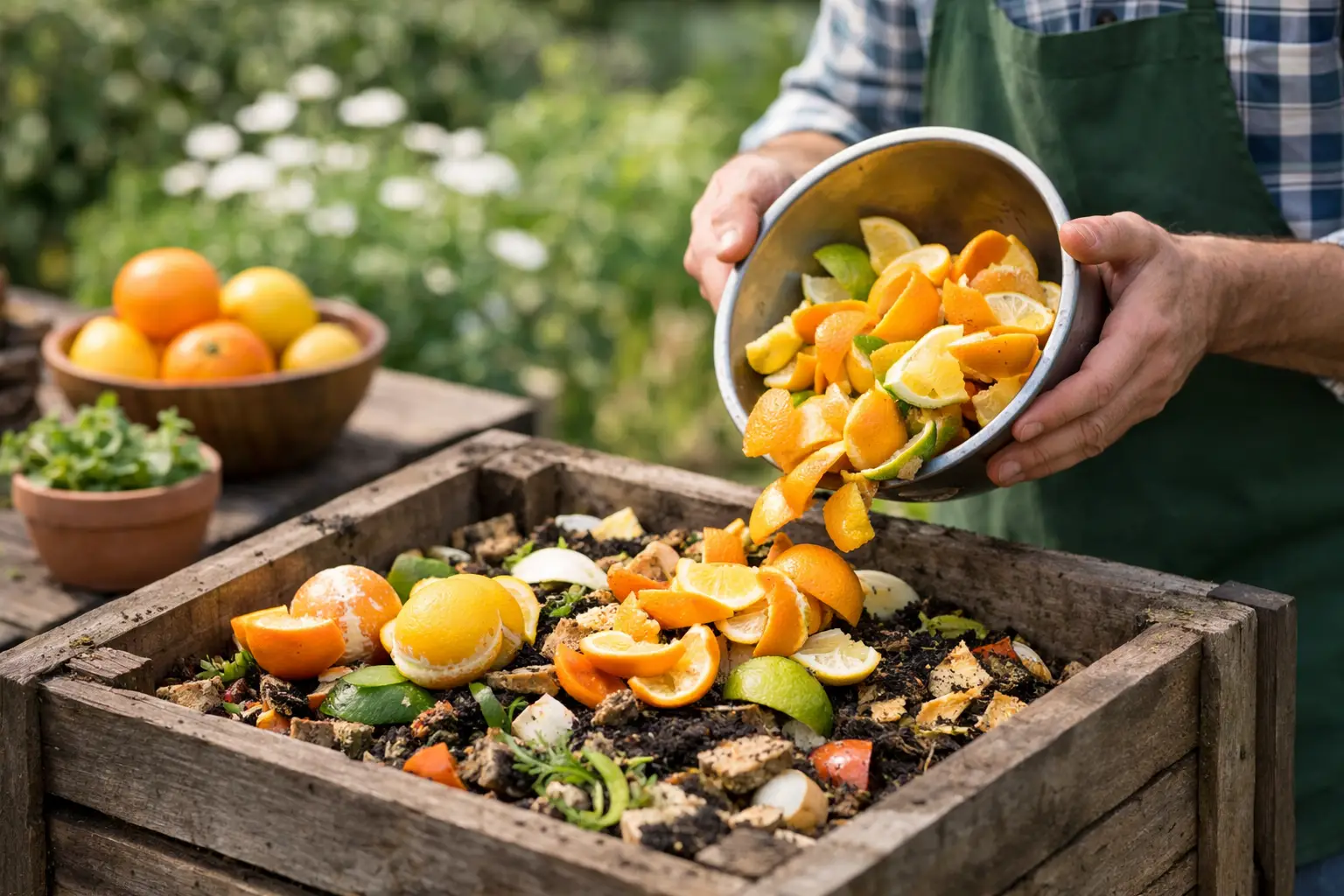
Before planting, loosen the soil and mix in compost. That single step improves texture, drainage, and nutrient-holding ability. If your garden soil is hard like brick or dries out fast, compost helps in both directions. It can make dense clay easier for roots to move through, and it helps sandy soil hold moisture a little longer.
This is where beginners often overthink things. You do not need a perfect lab-made blend to get started. A few inches of good compost worked into the top layer of a bed or container is a strong beginning. If you want to go one step further, add organic mulch after planting to protect the soil surface and reduce water loss.
Start smaller than you think you should
A tiny garden that gets cared for will beat a large, neglected one every time. It is tempting to plant every empty corner the first year, especially when seed packets and nursery starts are calling your name. But a smaller space is easier to water, weed, monitor, and learn from.
A raised bed, a few patio containers, or one narrow in-ground plot is enough to teach you a lot. You will notice faster which areas stay too wet, which plants get afternoon stress, and where pests tend to show up first. Those small observations matter more than having a big setup.
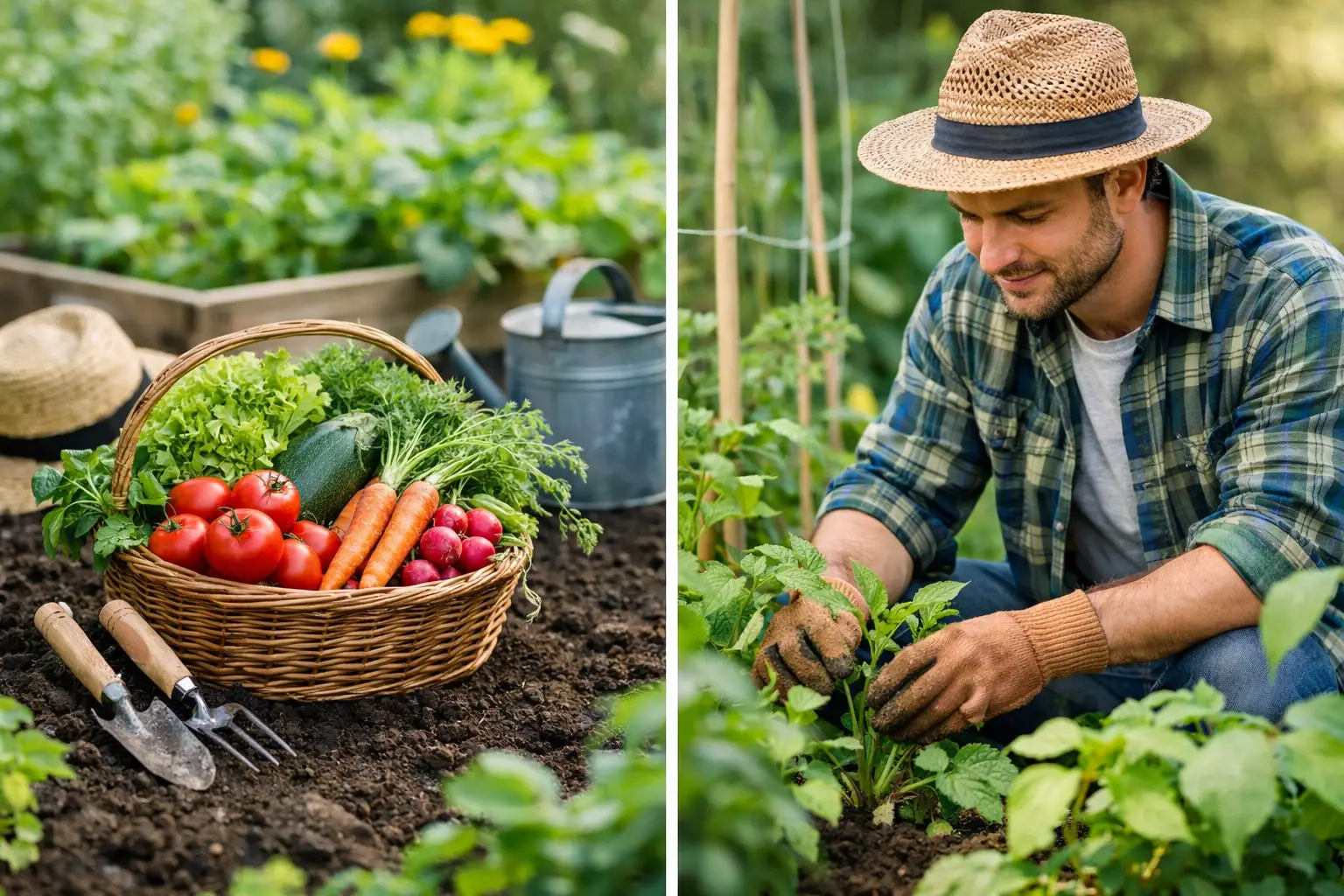
If you are growing food, focus on crops you actually like to eat and that tend to reward beginners. Lettuce, bush beans, basil, zucchini, radishes, and cherry tomatoes are usually more forgiving than fussier choices. Some plants still depend on your climate and season, so it helps to match your first crops to what grows well in your area instead of forcing a favorite that struggles there.
Choose the right plant for the right spot
Sunlight is not a minor detail. It is one of the main reasons a garden succeeds or disappoints. Most vegetables need at least six to eight hours of direct sun, and fruiting crops like tomatoes and peppers are usually happiest on the higher end.
Watch your space before planting. A yard can look bright overall while still having too much shade where you planned your vegetables. Trees, fences, and even your house can shift the light more than you expect. If your space gets only part sun, lean into crops that tolerate it better, like leafy greens, parsley, or mint in containers.
Matching plants to the conditions you actually have is one of the most useful organic gardening tips for beginners because it prevents a lot of unnecessary troubleshooting. A weak plant in the wrong spot invites pests and disease. A well-placed plant can often outgrow small problems on its own.
Water deeply, not constantly
New gardeners often kill with kindness. A little splash every day feels attentive, but shallow watering trains roots to stay near the surface where they dry out quickly. Deeper, less frequent watering encourages stronger roots and more resilient plants.
The exact schedule depends on your weather, soil, and container size. Raised beds and containers dry faster than in-ground gardens, and midsummer heat can change everything. Instead of watering by habit alone, check the soil. Stick a finger a couple of inches down. If it is dry there, it is usually time to water.
Water at the base of the plant when you can. Wet leaves are not always a disaster, but keeping foliage drier can help reduce some disease issues. Morning is usually the easiest time because plants have moisture available before the heat of the day.
Feed plants gently and consistently
Organic feeding is usually steadier than quick synthetic feeding, and that is often a good thing. You are building plant health over time rather than chasing a dramatic growth spurt.
Compost does a lot of the heavy lifting, but heavy feeders like tomatoes, squash, and cucumbers may benefit from extra nutrition during the season. An organic fertilizer can help, especially in containers where nutrients wash out faster. Just do not assume more is better. Overfeeding can create lush, weak growth that attracts pests and gives you lots of leaves but not much harvest.
A simple rhythm works well for most beginners: start with compost, use a balanced organic fertilizer if needed, and pay attention to how the plants respond. Pale leaves, slow growth, or weak flowering can point to hunger, but they can also point to watering problems or poor light. Gardening is rarely one-variable math.
Mulch is one of the best shortcuts in the garden
If there is a quiet hero in an organic garden, it is mulch. A layer of straw, shredded leaves, untreated grass clippings, or fine bark helps hold moisture, reduce weeds, and keep soil from splashing onto leaves during rain.
That last part matters more than people realize. Soil splashing can spread disease onto lower leaves, especially on crops like tomatoes. Mulch also keeps the root zone more stable during hot spells, which can reduce stress.
Keep mulch a little back from the stems of young plants so moisture does not sit right against them. Once the plants are established, mulch saves time in a very real way. You will spend less time watering and pulling weeds, which means you are more likely to keep up with the garden.
Expect some pests and plan for them naturally
Organic gardening is not about never seeing a bug. It is about keeping the garden balanced enough that small problems stay small. Beginners sometimes feel discouraged the first time they see holes in leaves, but a few nibbles do not mean failure.
Start by checking plants often. Turn over leaves, look at new growth, and notice changes early. Hand-picking caterpillars, blasting aphids off with water, or removing damaged leaves can solve more than you might think if you catch issues early.
It also helps to make the garden inviting for beneficial insects. Flowers like alyssum, dill, and calendula can attract pollinators and predatory insects that help with pest control. If you use an organic spray, choose carefully and use it only when needed. Even natural products can harm helpful insects if they are overused or applied at the wrong time.
Give plants enough space
Crowded plants look lush at first, then become a headache. Poor airflow encourages disease, and packed roots compete harder for water and nutrients. Seed packets and plant tags often seem conservative, but spacing matters more than many beginners think.
Tomatoes are a classic example. A small transplant does not look like it needs much room, but by midsummer it can turn into a sprawling, leafy plant. Giving it space, support, and airflow usually leads to a healthier season.
If you are gardening in containers, remember that mature size matters there too. One healthy tomato in a large container will usually outperform two crowded ones fighting for the same soil.
Keep notes, even if they are messy
You do not need a polished garden journal. A few notes in your phone or on a scrap of paper can save you from repeating the same mistakes. Write down what you planted, where it went, when pests showed up, and which varieties did well.
This becomes especially helpful after one full season. You will remember that one pepper looked amazing in June, but you may forget which variety it was by next spring. You may also notice patterns, like one bed drying out faster or cucumbers always struggling in the same corner.
At thenaturalgardner, this is one of the habits we come back to often because it turns gardening from guesswork into experience. You do not need to know everything right away. You just need to pay attention.
Be patient with the learning curve
A thriving organic garden usually looks simple from the outside, but the gardener behind it has learned a lot by trial, error, and observation. One season you will plant too early. Another season you will underwater the beans and overlove the herbs. That is normal.
Organic methods ask you to work with natural systems instead of forcing quick fixes. Sometimes that means slower results up front, but it also builds a healthier, more resilient garden over time. Better soil, fewer chemical inputs, and stronger plants tend to compound in your favor.
If you are just getting started, aim for progress, not perfection. Grow a few things well. Notice what your space is telling you. The garden will teach you plenty if you give it the chance, and your next season will almost always be easier than your first.