A thirsty patch of grass can ask for more work than a vegetable bed: regular mowing, watering, feeding, weeding, and the familiar temptation to reach for a quick chemical fix. The good news is that organic lawn alternatives can make a yard feel more alive while cutting back on the chores that never seem to end. The best choice is not always a wildflower meadow, either. It depends on how your family uses the space, how much sun it gets, and whether you need a surface that can handle feet, paws, or both.
Before replacing every blade of grass, spend a few days noticing your yard. Where do people naturally walk? Which areas bake in afternoon sun, and which stay damp? That little bit of observation can prevent the common mistake of planting a beautiful alternative in a spot where it cannot thrive.
What to Look for in Organic Lawn Alternatives
A healthy lawn replacement is less about finding one magic plant and more about matching plants to the job. A play area needs a tough, low-growing surface. A front-yard slope may need deep roots to hold soil in place. A quiet corner that no one walks through can become a pollinator planting with far less maintenance than turf.
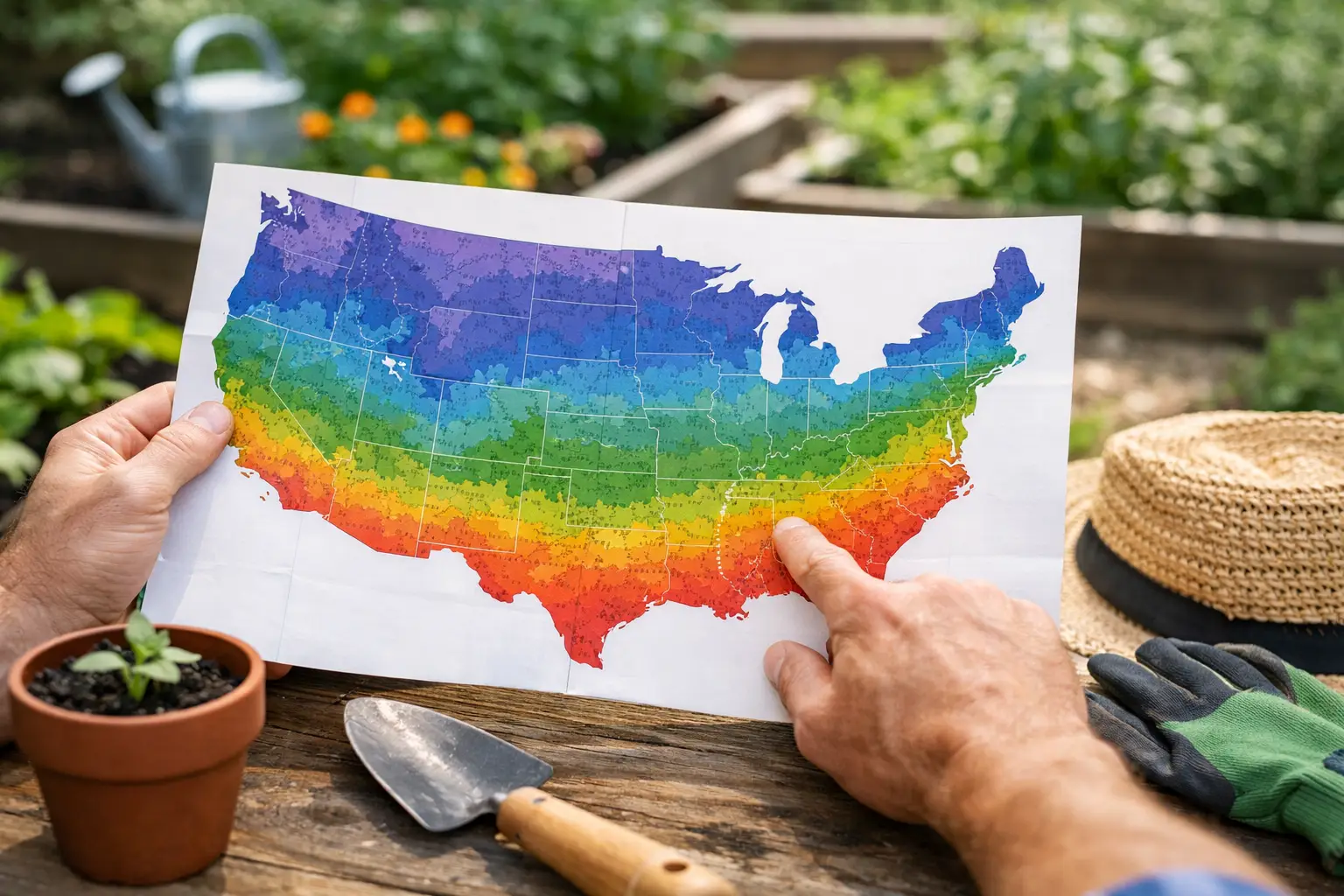
Choose plants that suit your region and growing conditions rather than forcing a thirsty option to survive. Native plants are often a smart starting point because they are adapted to local weather patterns once established. They are not automatically maintenance-free, but they usually need less supplemental water and fertilizer than conventional turf.
It also helps to be realistic about the word “low-maintenance.” Nearly every option needs attention during its first season. New plants need watering until roots settle in, and weeds need removing before they take over. The payoff comes later, when a well-chosen planting asks for less mowing, less water, and fewer inputs year after year.
1. Microclover for a Softer, Greener Look
Microclover is one of the easiest transitions for gardeners who still want the familiar look of a lawn. It stays relatively low, feels soft underfoot, and mixes well with existing grass or can be planted as part of a new lawn blend. Because clover works with soil bacteria to capture nitrogen, it can feed itself and nearby grass without repeated applications of synthetic fertilizer.
It is especially useful in sunny to partly sunny yards with light to moderate foot traffic. Small white flowers support bees, although mowing before bloom can reduce flowers if that matters for a children’s play area. Microclover may thin in deep shade or struggle in very dry, sandy soil without some help during establishment.
For the simplest conversion, overseed microclover into an existing lawn in spring or early fall. Keep the area consistently moist until seedlings are growing well, then water deeply but less often. Skip weed-and-feed products entirely. They can damage the clover you are trying to grow.
2. Native Sedge for Shade and Low Mowing
If grass refuses to grow beneath trees, do not keep treating it like a personal challenge. Sedges are grass-like plants that offer a softer, more natural carpet in areas where turf struggles. Many native sedges tolerate shade, dry shade, or moist ground, depending on the species.
Sedges create a calm, tidy look when planted in drifts, and some types only need a yearly trim in late winter or early spring. They are not usually built for soccer games or constant dog traffic, but they are excellent around mature trees, along pathways, and in those awkward side-yard strips that are hard to mow.
The key is choosing a sedge native or well adapted to your part of the country. A local native-plant nursery can help you find one suited to your soil and light. Plant plugs closer together than you might expect if you want a filled-in groundcover sooner.
3. A Low-Grow Native Meadow for Sunny Areas
A meadow is not just a lawn that got away from you. A well-planned native meadow is a deliberate planting of grasses, flowering perennials, and seasonal texture. It can offer nectar, seed, shelter, and far more life than a single-species lawn.
This option shines in broad sunny spaces that do not need to be walked on often. Think of the back edge of a yard, a steep bank, or the part of the front lawn that exists mainly because it has always been there. Native bunchgrasses and regional wildflowers can create a beautiful mix, but avoid tossing out a generic “wildflower seed” packet and hoping for the best. Many mixes contain plants poorly suited to your region, short-lived annuals, or species that do not support local wildlife as well as true natives.
Meadows need patience. The first year is mostly about roots, and weeds can be persistent while plants establish. Mowing or cutting back at the right time is part of meadow care, not a sign of failure. Leave seed heads through winter when possible, then cut back in late winter before new growth starts.
4. Creeping Groundcovers Between Paths and Beds
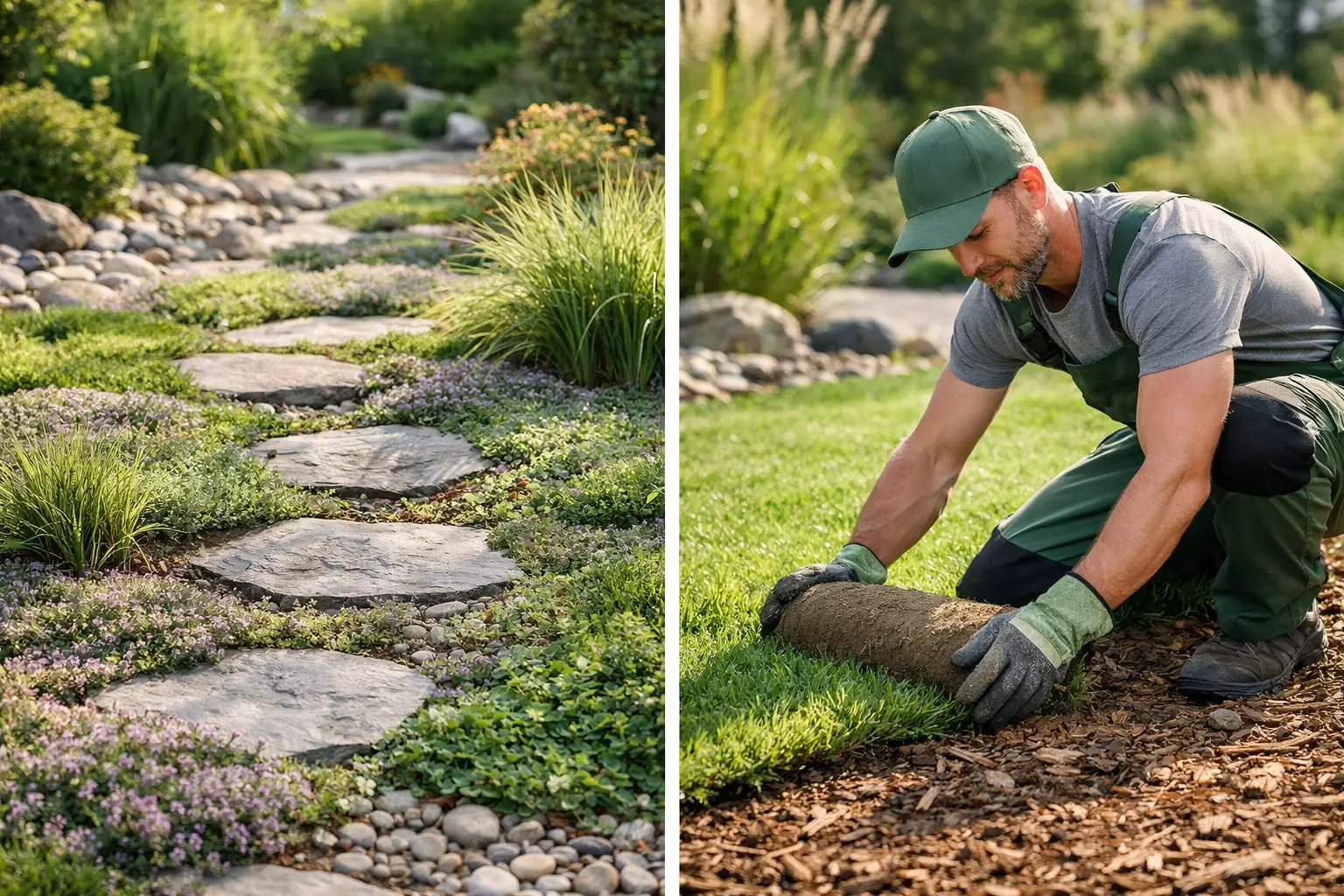
For small spaces, groundcovers can do more than replace lawn. They can soften stepping stones, fill the space between raised beds, and keep bare soil from washing away. Creeping thyme, native violets, blue star creeper, and certain low-growing sedums are popular choices, though each has different needs.
Creeping thyme likes sun and good drainage, with a lovely scent when brushed or stepped on. Native violets handle more shade and provide early flowers for pollinators, but they may look less uniform than a clipped lawn. Sedums handle hot, dry sites well but do not enjoy regular rough traffic.
Use groundcovers where they fit rather than expecting them to cover a whole active backyard. A narrow path or patio edge is often the perfect place to experiment. Once you see what thrives, it is easier to expand with confidence.
5. A Vegetable and Herb Patch Where Grass Used to Be
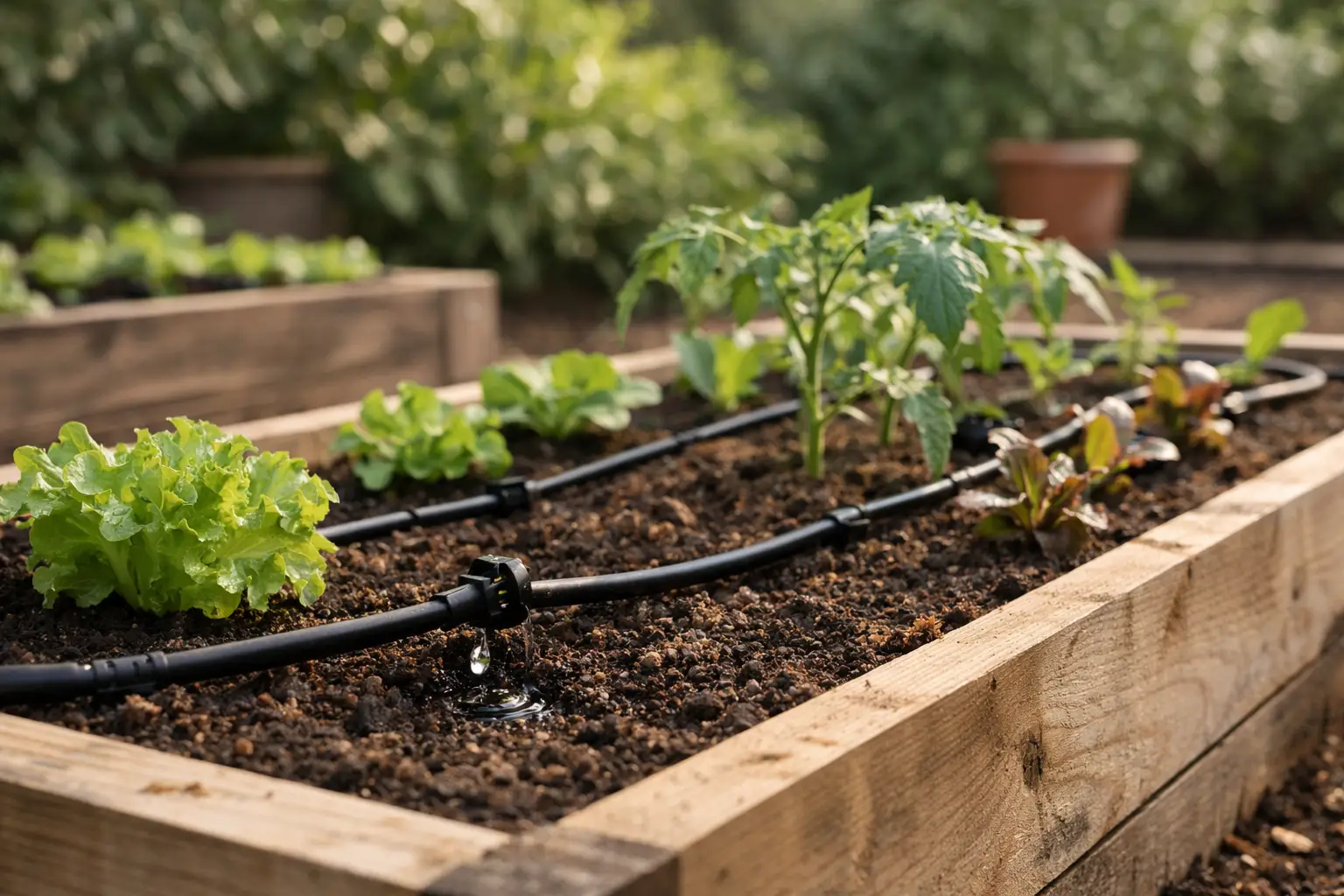
One of the most satisfying organic lawn alternatives is to turn a little-used lawn section into something you can eat. A sunny strip can become a few raised beds, a row of berry bushes, or a simple herb garden with mulch paths. You do not need to dig up the entire yard to make the change feel meaningful.
Start with the spot closest to your kitchen or the path you already use. Convenient gardens get watered, harvested, and enjoyed. Cover the grass with plain cardboard, wet it thoroughly, and layer compost and mulch on top. This sheet-mulching approach blocks light and lets the grass break down below, saving you from exhausting sod removal.
Avoid glossy cardboard, plastic tape, and colored ink. Plain brown cardboard works best. If you want to plant immediately, cut planting holes through the layers and add compost around each seedling.
6. Moss for Cool, Damp Shade
Moss is not a failed lawn. In the right place, it is exactly the plant that belongs there. It stays green, needs no mowing, and gives damp, shady spaces a peaceful, woodland feel.
Moss is best where soil is acidic to neutral, moisture is reliable, and sunlight is filtered or limited. It will not tolerate heavy foot traffic, drought, or a sunny open lawn. Trying to grow moss in the wrong site leads to frustration, so let your yard tell you whether it is a sensible option.
Rather than scraping moss out of shady soil, protect it from traffic with stepping stones and keep falling leaves from smothering it. A mossy nook beside a patio or beneath trees can be more inviting than another struggling patch of grass.
7. Keep Some Lawn, but Make It Better
Sometimes the most practical answer is not replacing the lawn but reducing it. Keep a smaller patch of turf for play or gathering, then widen planting beds, add a native border, or replace difficult corners with sedges and groundcovers. This approach gives families usable open space without committing the whole yard to mowing.
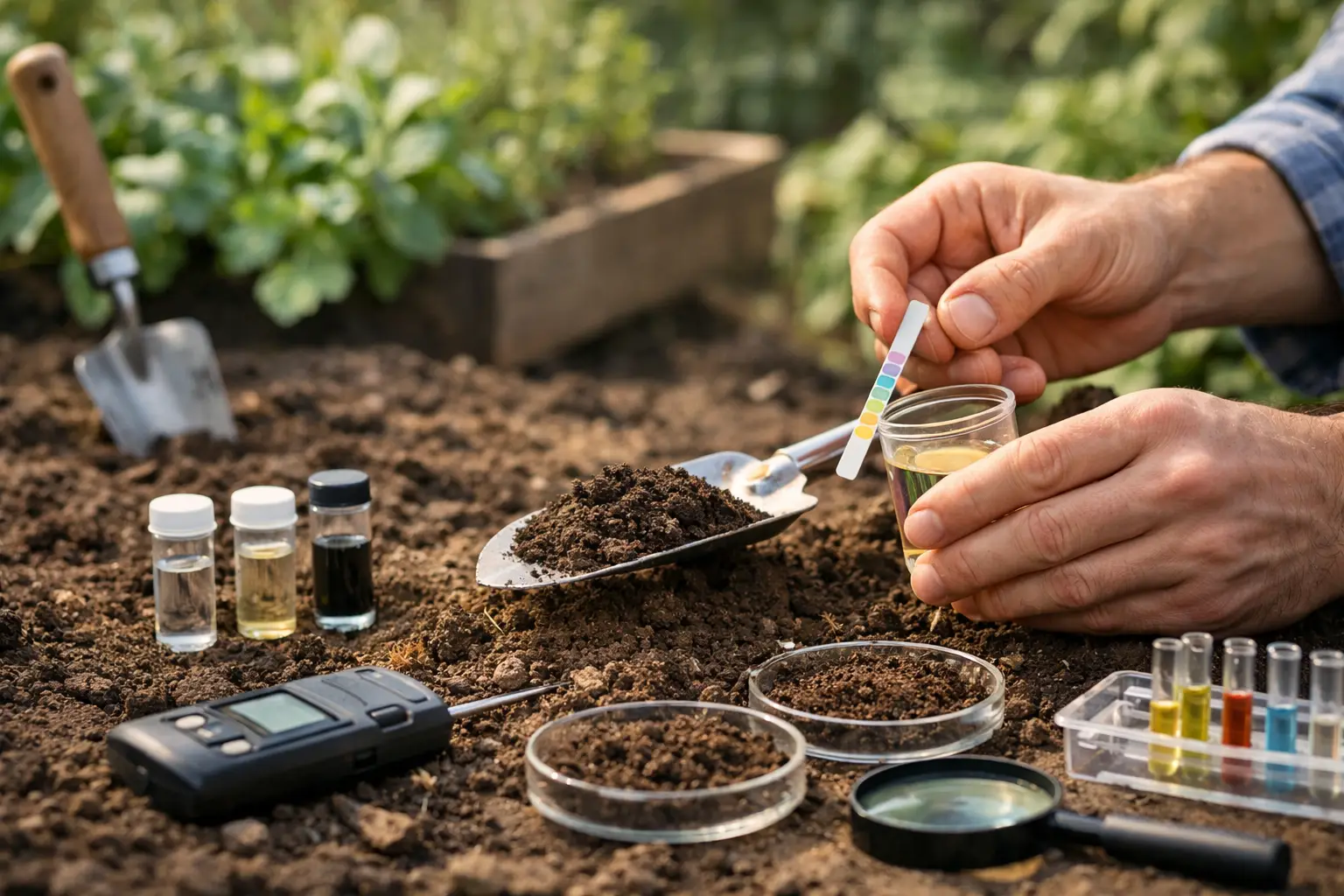
For the lawn you keep, mow high – around 3 to 4 inches for most cool-season grasses – and leave short clippings on the surface. Grass clippings return nutrients to the soil and help shade out some weeds. Water deeply only when the lawn truly needs it, and use compost or an organic, slow-release fertilizer only if a soil test shows a nutrient gap.
A mixed lawn with grass, clover, and a few harmless low-growing plants is often more resilient than a perfectly uniform one. A few dandelions or violets do not mean you have lost control of the yard. They may mean you have stopped treating every bit of life as a problem.
How to Make the Switch Without Overwhelming Yourself
You do not need to remove turf all at once. Begin with the area that causes the most trouble: the dry corner that never stays green, the shady patch beneath the maple, or the slope that is annoying to mow. Mark out a manageable section with a hose or garden line, then choose one replacement that matches its conditions.
For small areas, sheet mulching is usually the gentlest method. Mow the existing grass short, cover it with overlapping plain cardboard, soak the cardboard, and top it with several inches of compost and mulch. Let it settle for a few weeks before planting when you can. For a meadow or large planting, removing turf and preparing the site carefully may be worth the extra effort because perennial weeds can otherwise compete for years.
Give new plantings their first full season to establish. Water at the base, mulch bare soil, and pull weeds while they are small. The yard may look a little unfinished at first, but roots are doing the important work below ground. Start with one corner, learn what your land likes, and let the next patch of lawn earn its new purpose.