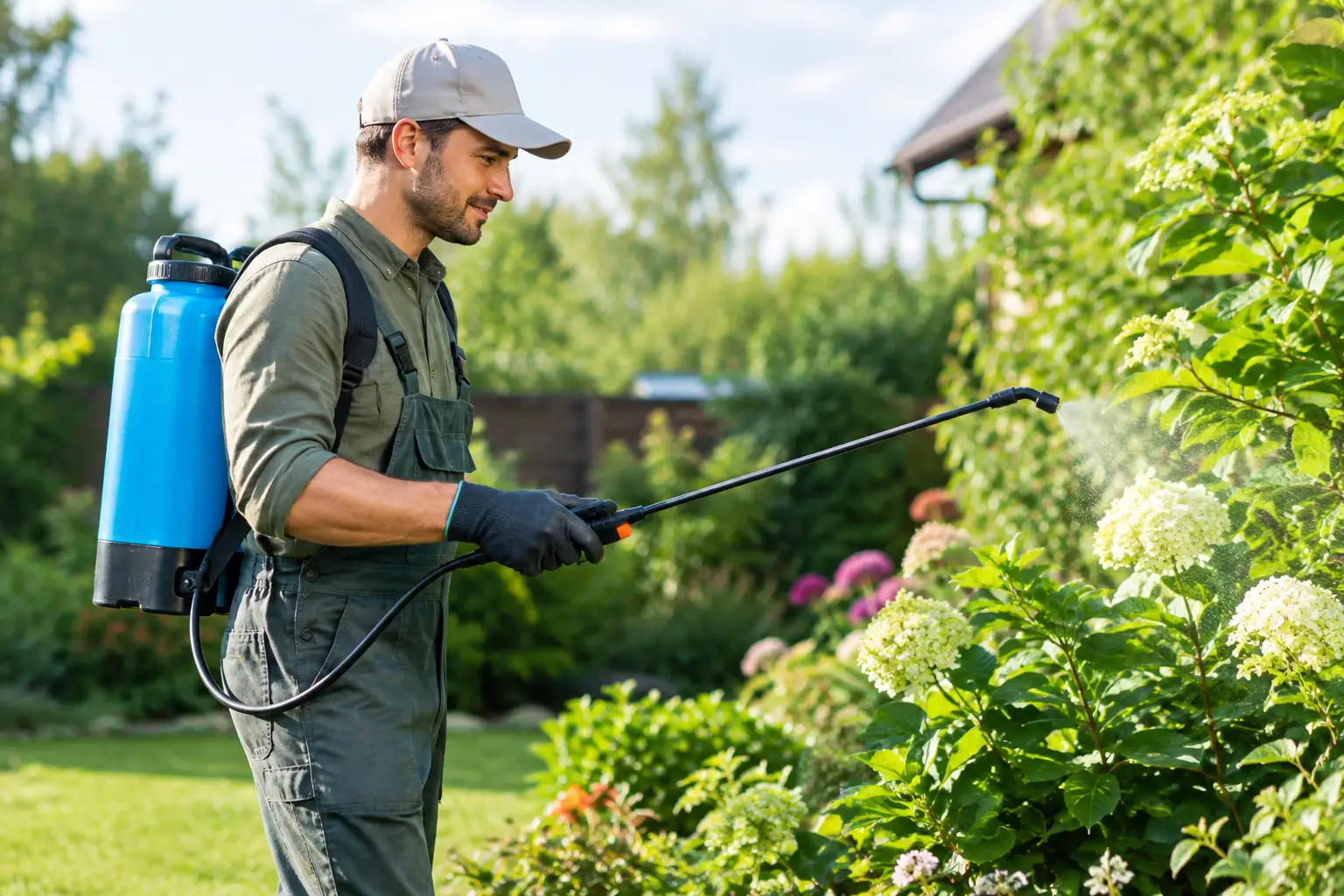
A battery garden sprayer can feel like a small luxury until you have spent an afternoon pumping a hand sprayer while trying to coat the undersides of tomato leaves. Then it starts to look like a very practical tool. For gardeners who use liquid organic fertilizers, insecticidal soap, neem-based products, or natural disease treatments, the right sprayer makes regular plant care less tiring and much more consistent.
It is not a tool every garden needs. A few patio pots may be just fine with a small hand pump sprayer. But if you care for raised beds, fruit trees, a larger vegetable patch, or a landscape full of roses and perennials, a battery-powered model can save your hands and help you apply products more evenly.
What a Battery Garden Sprayer Does Better
A battery sprayer uses a rechargeable battery and small pump to keep liquid moving through the wand at a steady pressure. Unlike a manual pump sprayer, you do not need to stop every few minutes to rebuild pressure. That steady flow is the real advantage, not simply convenience.
When you are applying a foliar feed or a natural pest-control spray, coverage matters. Pests often hide beneath leaves, in tightly curled new growth, or deep in the center of a squash plant. A sprayer that produces a consistent fine mist lets you move methodically through the garden rather than rushing through the job because your forearm is tired.
It can also make preventative care more realistic. Many gardeners have good intentions about checking plants weekly, but skip a treatment when the task feels physically tedious. If setting up the sprayer takes only a few minutes and it does the pumping for you, you are more likely to handle small problems before they become major ones.
That said, more power is not always better. High pressure can send spray drifting onto nearby herbs, pollinator plants, or a neighbor’s yard. The goal is controlled coverage, not blasting every leaf.
When It Is Worth Buying One
A battery garden sprayer is usually worthwhile when you routinely mix more than one gallon of liquid at a time, have plants that need overhead or under-leaf coverage, or struggle with repetitive hand pumping. It is especially helpful for gardeners managing several raised beds, berry bushes, fruit trees, or long rows of vegetables.
It is also a thoughtful choice if arthritis, hand pain, or limited mobility makes a manual sprayer difficult. Garden tools should help you keep gardening, not turn routine care into a sore-shoulder project.
For a tiny container garden, however, a battery unit can be more tool than you need. It costs more, needs charging, and takes up more storage space. A simple 32-ounce or one-gallon hand sprayer is easier to carry to a balcony or tuck into a potting bench. Think about the size of your usual job, not the biggest job you might do once a year.
Choosing the Right Battery Garden Sprayer
The best model is not necessarily the largest tank. A full four-gallon backpack sprayer can weigh more than 35 pounds once filled, which is a lot to carry around uneven ground. For many home gardeners, a one- to two-gallon handheld or shoulder-strap model is the sweet spot: enough capacity for several beds, but still manageable when full.
Tank size and comfort matter together
If you garden in a compact backyard, choose a sprayer you can lift, fill, and clean comfortably. A wider base helps prevent tipping, while a padded shoulder strap makes a larger tank easier to use. Backpack models are useful for bigger gardens, but test the straps and wand reach before committing. A sprayer that feels awkward will stay in the shed.
Look for a translucent tank with measurement marks. Being able to see how much water is inside helps you mix only what you can use that day. Most natural spray mixes should not be stored in a tank for weeks, particularly homemade blends that can separate, ferment, or clog the system.
Adjustable pressure and nozzle options
An adjustable nozzle is one of the most useful features. You may want a narrow stream to reach the center of a shrub, then switch to a soft fan or fine mist for broad leaf coverage. Variable pressure gives you more control, which reduces waste and limits drift.
A wand with a comfortable trigger and a trigger lock is helpful for longer sessions. Check whether the unit includes a shoulder strap, a filter at the intake tube, and replacement nozzles or seals. Those small details often matter more over several seasons than an impressive-looking housing.
Battery runtime and charging
Most home-garden battery sprayers have enough runtime for several tankfuls on one charge. Still, look at runtime realistically. A stated four-hour runtime may be more than enough for raised beds, but less useful if you are treating a large orchard or acreage.
A removable rechargeable battery is convenient because you can charge it indoors and, if needed, keep a second battery ready. If the battery is built in, make sure the charging port is protected from moisture and that the manufacturer provides clear guidance on replacement. Batteries do not last forever, and a sprayer should not become disposable when the battery weakens.
Use Natural Treatments With Care
A powered sprayer makes application easier, but it does not make a treatment automatically safe. Organic products can still burn foliage, harm beneficial insects when misused, or affect aquatic life if they enter a drain or stream. Always follow the product label, including mixing rates, protective clothing, and the waiting period before harvesting edible crops.
For insecticidal soap, neem products, horticultural oils, and similar treatments, spray early in the morning or near sunset. Avoid spraying stressed plants during heat, direct blazing sun, or drought. A leaf coated in oil during a hot afternoon can develop damage quickly, especially tender seedlings and plants with fuzzy or delicate foliage.
Use the smallest effective amount and target the problem. If aphids are gathered on a few pepper tips, treat those plants rather than misting the whole garden. Avoid open flowers whenever possible, since bees and other pollinators may be visiting. For many pest issues, a strong spray of plain water, hand removal, row cover, or pruning affected leaves may be the gentler first move.
Never mix products unless both labels specifically say the combination is safe. Homemade recipes deserve caution too. A little dish soap, vinegar, or essential oil can sound harmless, yet the wrong concentration can injure plants or damage sprayer seals. Test any new mixture on a few leaves and wait a day or two before treating the entire plant.
A Simple Routine That Prevents Clogs
The quickest way to shorten a sprayer’s life is to leave leftover liquid in it. After each use, empty the tank according to the product label. Then add clean water, run the pump briefly, and spray the rinse water onto an appropriate area of lawn or bare soil if the label permits. Do not rinse pesticides, even natural ones, into a storm drain.
Remove and rinse the nozzle and filter screen. If you use powdered products, compost tea, or homemade mixtures, strain them carefully before they enter the tank. Fine particles that seem harmless can block a nozzle halfway through a job.
Let the tank air-dry with the lid off before storing it in a protected place. Charge the battery as directed, and keep it away from freezing temperatures and summer heat in an uninsulated shed. Before the next use, inspect the hose, seals, and nozzle for cracks or drips.
Better Spraying Starts With Better Timing
A battery sprayer is most useful when it supports a calm, observant garden routine. Walk the beds first. Look for curled leaves, chewed edges, powdery patches, or clusters of insects. Identify the problem as well as you can, then decide whether spraying is actually the right response.
Sometimes it will be. A carefully applied organic treatment can protect a crop before damage spreads. Other times, the best answer is a pair of pruners, a blast from the hose, or simply giving beneficial insects time to catch up. Used with that kind of judgment, a battery garden sprayer becomes less about spraying everything and more about caring for your garden with less strain and more intention.