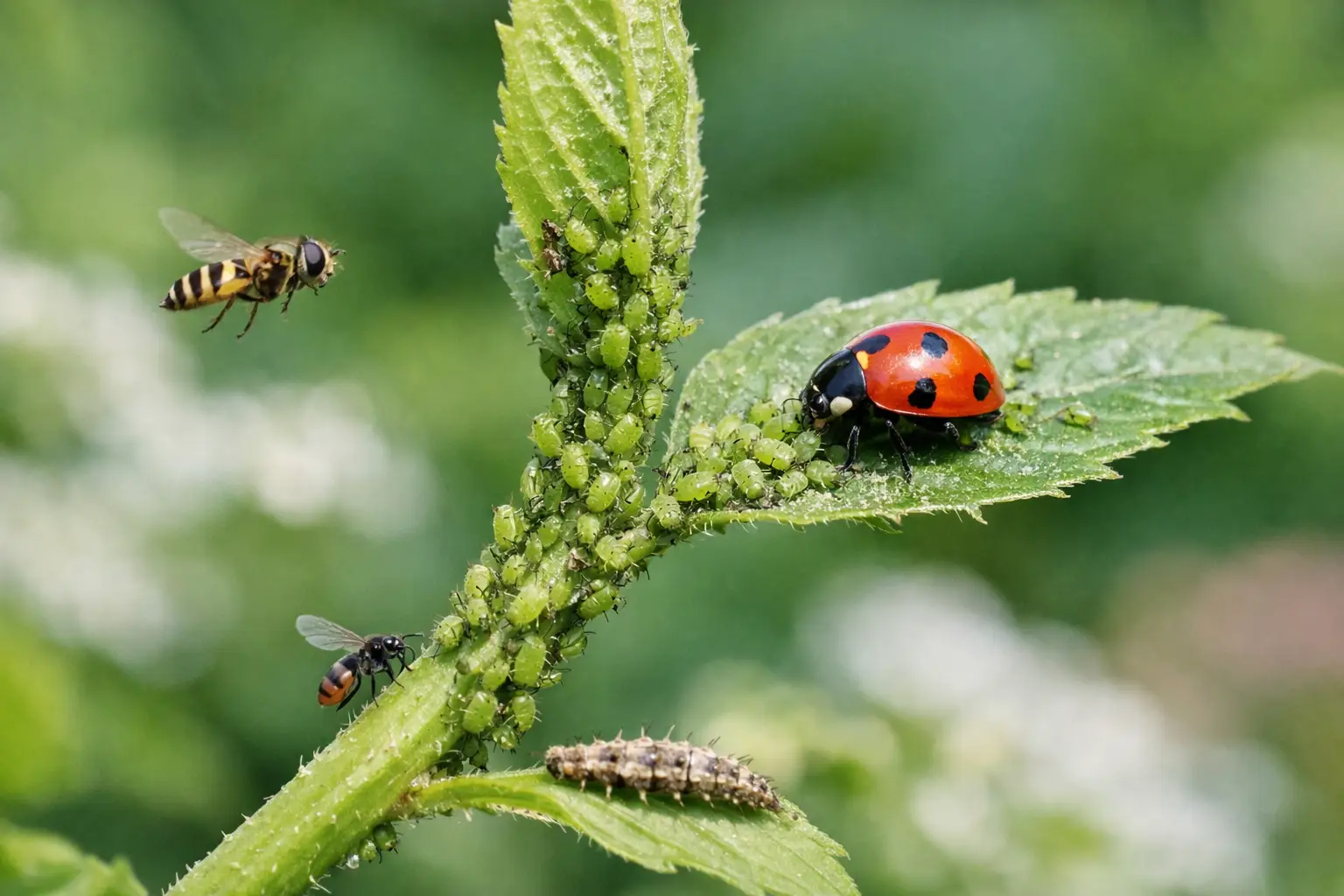
A tomato patch can look perfectly healthy one week, then suddenly turn into a buffet for aphids, hornworms, and every problem you did not invite. That is usually when gardeners start asking about the best companion plants for tomatoes – not because companion planting is magic, but because it can make a healthy garden easier to manage with natural methods.
Companion planting works best when you think of it as support, not a fix-all. The right plants can attract pollinators, confuse pests, shade the soil, or make better use of space around your tomatoes. The wrong neighbors can compete too hard for nutrients, crowd airflow, or invite the same diseases. A little planning goes a long way.
What makes the best companion plants for tomatoes?
Tomatoes do well with plants that solve a specific problem. Some help by drawing in beneficial insects that prey on pests. Some have strong scents that may help mask tomatoes from problem bugs. Others act like living mulch, covering bare soil and slowing moisture loss during hot weather.
That said, companion planting is not one-size-fits-all. A tomato growing in a large raised bed has different needs than one in a patio container. If you are short on space, the best companion is often the one that gives you a benefit without crowding roots or blocking airflow around the stem.
Flowers that help tomatoes stay healthier
Flowers are some of the easiest tomato companions because they pull in pollinators and beneficial insects without competing too aggressively.
Marigolds
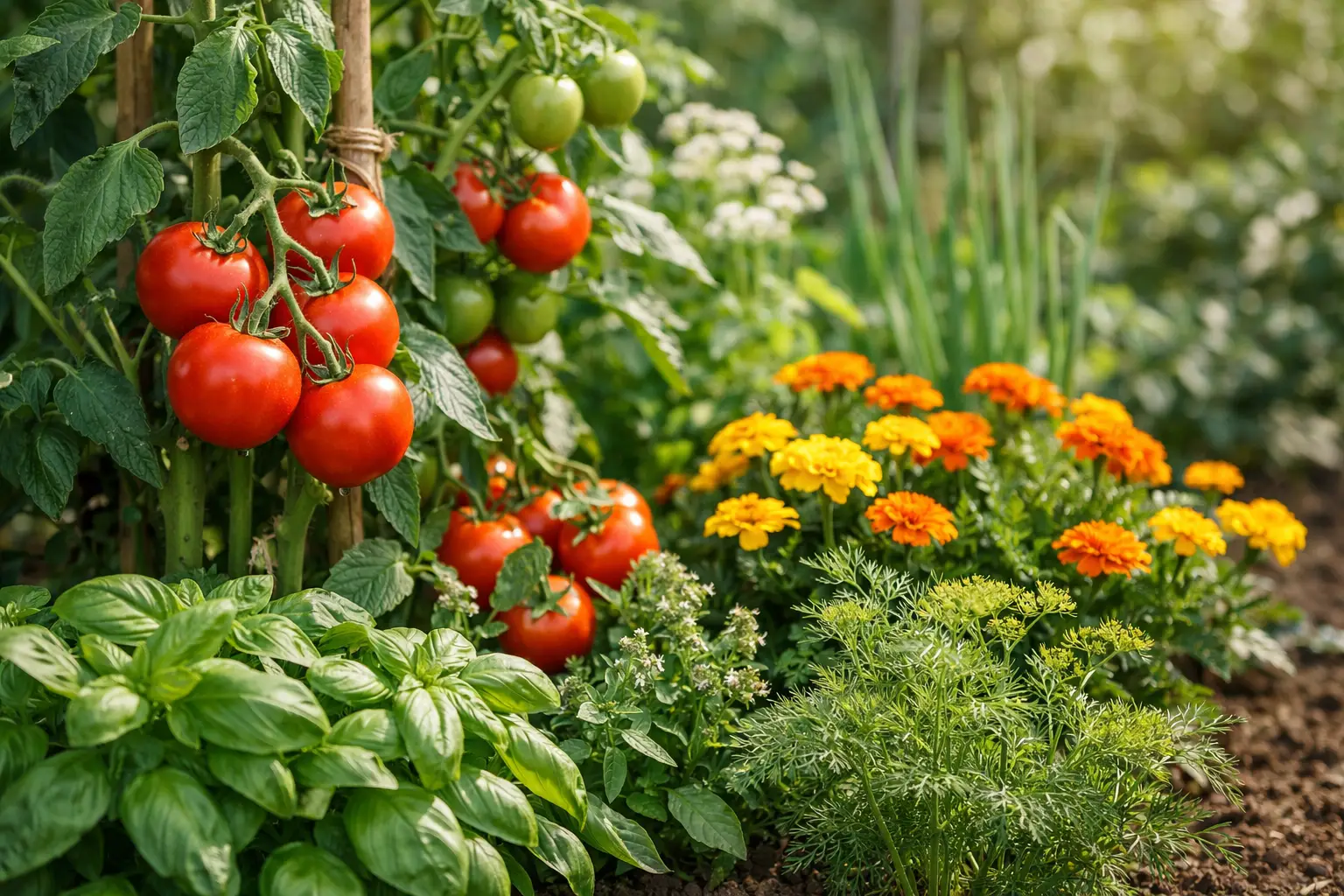
Marigolds are the classic choice, and for good reason. Their strong scent is often said to discourage certain pests, and their flowers bring in beneficial insects that help keep the garden balanced. French marigolds are especially popular in vegetable beds.
They are not a force field. If your tomatoes are already stressed from poor watering or overcrowding, marigolds will not fix that. But tucked along the edge of a bed, they are a practical, cheerful partner.
Nasturtiums
Nasturtiums earn their keep in a tomato bed. They attract pollinators, and many gardeners use them as a sacrificial plant for aphids. Instead of the pests piling onto your tomatoes, they may settle on the nasturtiums first.
They also spill nicely over the side of raised beds, which helps shade the soil. Just give them enough room so they do not tangle too tightly around tomato stems.
Calendula
Calendula is one of those flowers that quietly helps the whole garden. It attracts bees and other beneficial insects, and it fits well in an organic growing setup because it supports overall biodiversity.
If your vegetable garden tends to feel a little too bare early in the season, calendula can fill those gaps while your tomatoes are getting established.
Herbs that pair well with tomatoes
Herbs are some of the best companions because many stay compact, smell strong, and give you something useful to harvest at the same time.
Basil
Basil is probably the most loved tomato companion, and not just because they belong together in the kitchen. It stays relatively compact, fits easily near tomatoes, and may help confuse certain insect pests with its scent.
The bigger benefit, in my experience, is efficient use of space. Basil enjoys similar growing conditions, so you can plant it nearby without creating extra maintenance. Keep a little room between plants so air still moves well, especially in humid summer weather.
Chives
Chives are easygoing and low-fuss, which makes them a great choice for beginner gardeners. Their onion-like scent may help deter some pests, and the flowers attract pollinators when allowed to bloom.
They are especially handy in smaller gardens because they do not spread into a bulky mass overnight. You can tuck them near the edge of the bed and let them do their thing.
Parsley
Parsley is often overlooked as a companion plant, but it is a useful one. It can attract beneficial insects, especially if you let some plants mature and flower. It also fits into the garden without demanding much attention.
If you are growing determinate tomatoes in a compact raised bed, parsley can be a smart understory plant. Just make sure it still gets enough light.
Vegetables and ground covers that support tomatoes
Not every good tomato companion needs to be an herb or flower. A few vegetables and low-growing plants can help with moisture retention, weed suppression, and space efficiency.
Lettuce
Lettuce and tomatoes make a surprisingly good pair, especially in spring and early summer. Lettuce appreciates a little afternoon shade once temperatures rise, and tomatoes eventually provide that.
This is one of those pairings that depends on timing. Early on, both plants coexist beautifully. Later, as the tomatoes grow large, lettuce may bolt if the heat becomes too intense. It is best used as a short-season partner rather than a season-long one.
Spinach
Spinach works much like lettuce. It can cover bare soil around young tomato plants, helping reduce weeds and moisture loss. In cooler parts of the season, it is an efficient use of space.
The trade-off is that spinach usually fades once summer heat arrives. Think of it as an early helper, not a permanent companion.
Carrots
Carrots can share bed space with tomatoes as long as your soil is loose and the tomatoes are not planted too densely. Since carrots grow mostly below ground, they do not compete heavily for vertical space.
This pairing works best when tomatoes are staked or trellised. If tomato branches sprawl everywhere, carrots can be harder to access and harvest.
Pest-fighting companions worth adding
Some companion plants are especially useful when your main goal is natural pest control.
Borage
Borage is a favorite in organic gardens because it attracts bees and other beneficial insects in a big way. It is also commonly recommended near tomatoes for helping support plant health and drawing pollinators into the area.
One thing to know is that borage can get larger than people expect. It is not the best choice for a tiny container setup, but in a roomy raised bed it can be a great addition.
Dill
Young dill can be a strong companion for tomatoes because it attracts beneficial insects such as parasitic wasps and predatory insects that help with pest pressure. That can be especially helpful if hornworms or aphids are a regular problem in your garden.
Mature dill gets tall and can start competing for light if it is planted too close. I like it best nearby, but not pressed right against the tomato stems.
Sweet alyssum
Sweet alyssum is one of the most useful low-growing companions for tomatoes, especially if you are trying to support beneficial insects. Its small flowers attract hoverflies and other helpful insects, and it forms a nice living carpet near the base of taller plants.
Because it stays relatively low, it works well in raised beds where every inch matters. It is a small plant with a very practical job.
Companion plants to avoid near tomatoes
Knowing what not to plant matters just as much as choosing good companions. Tomatoes are in the nightshade family, so it is usually wise not to crowd them with close relatives like peppers, eggplant, and potatoes if disease has been an issue in your garden. These plants can share similar pests and diseases, which makes rotation harder.
Corn can also be a troublesome neighbor because it attracts some of the same pests. Fennel is another one to keep separate, since it tends to inhibit the growth of nearby plants. And while large brassicas like cabbage can grow in the same general garden, they are not always ideal right beside tomatoes because both can become heavy feeders competing for space and nutrients.
How to use tomato companion planting without overcrowding
The biggest mistake I see is trying to cram every recommended companion into one bed. Tomatoes still need airflow, sunlight, and root space more than they need a ring of helper plants. If the bed starts looking lush but your leaves stay damp and crowded, you have gone too far.
A better approach is to choose two or three companions based on your goal. If pests are the issue, try basil, alyssum, and marigolds. If you want to make the most of a small raised bed, pair tomatoes with basil and early lettuce. If pollination and biodiversity are your focus, borage and calendula are both strong picks.
For containers, keep it simple. Basil, chives, or alyssum are usually easier to manage than larger companions. In bigger in-ground beds, you have more flexibility to mix flowers, herbs, and a low-growing edible.
A simple planting approach that works
Start with healthy tomato spacing first. Then place one compact herb near the base, one flower at the edge of the bed, and one low-growing plant to cover open soil if you still have room. That is often enough to get the benefits of companion planting without creating a tangled mess.
And pay attention to what your own garden tells you. One yard may have constant aphid pressure, while another struggles more with dry soil or poor pollination. The best companion plants for tomatoes are the ones that solve the problems your tomatoes actually have.
If you keep it simple and observant, companion planting starts to feel less like a gardening trick and more like what it really is – growing a tomato bed that works together.