A row cover can be the quietest helper in the vegetable garden. One afternoon, your kale is full of tiny holes or a surprise cold night is headed your way; a lightweight layer of fabric can prevent both problems without reaching for a spray. The trick to how to use row covers is choosing the right material, giving plants enough room, and knowing when to take it off.
Row covers are not one-size-fits-all blankets. Some are made to hold in warmth, some keep insects away, and others soften intense summer sun. Once you match the cover to the job, they are one of the simplest organic tools you can keep near the garden shed.
What Row Covers Actually Do
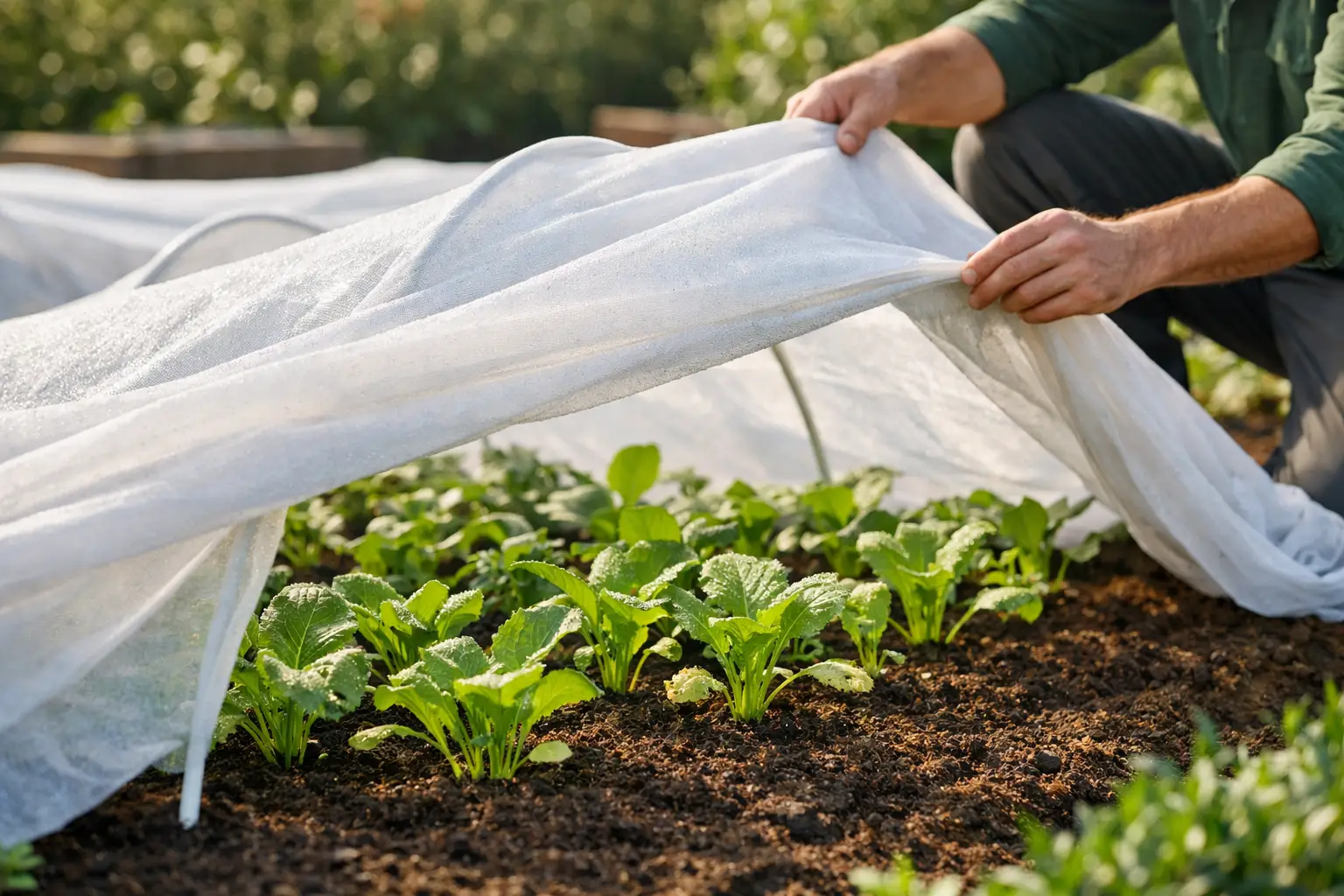
Row covers are breathable fabric or mesh placed over plants. They create a physical barrier between your crops and whatever is causing trouble: cold air, cabbage moths, flea beetles, wind, or harsh sunlight. Most garden row covers let rain and air pass through, so plants can stay covered while they grow.
A lightweight spun fabric can add a few degrees of frost protection. This matters most in spring and fall, when tender seedlings are growing but nighttime temperatures are unpredictable. Insect netting does not provide much warmth, but it blocks pests from landing on leaves or laying eggs. Shade cloth reduces the force of hot afternoon sun, which can help lettuce, cilantro, and young transplants stay productive longer in summer.
The trade-off is that a cover can also trap heat and keep pollinators out. That is why the best row-cover routine changes with the season and the crop.
Choose the Right Cover for the Problem
Before covering a bed, decide what you are trying to prevent. Using a heavy frost blanket in warm weather can overheat plants, while fine insect mesh will not protect tomatoes from a late freeze.
Lightweight frost fabric is useful for early spring planting, fall greens, and a little extra protection during chilly nights. It is usually white and slightly see-through. A medium- or heavyweight fabric provides more cold protection, but it also blocks more light and should be used carefully, especially once daytime temperatures rise.
Insect netting is a better long-term choice when pests are the concern. Use it over brassicas such as broccoli, cabbage, kale, and bok choy to keep out cabbage white butterflies and moths. It can also protect radishes, arugula, eggplant, and other flea-beetle favorites. Look for fine mesh if tiny insects are your problem.
Shade cloth is for heat, not cold. A light shade level can be enough for leafy greens in a hot backyard bed. In very sunny climates, it can make the difference between a few more weeks of crisp lettuce and plants that bolt almost overnight.
How to Use Row Covers in a Garden Bed
The simplest approach is called a floating row cover. You lay the material directly over low-growing plants and secure the edges. It works well for radishes, salad greens, beets, carrots, and young brassicas. The fabric rests on the leaves, but it should be loose enough that plants can lift it as they grow.
For taller or more delicate plants, use hoops. Flexible garden hoops, bent PVC, or sturdy wire supports hold the cover above the foliage and create a little tunnel. This setup gives plants better airflow and prevents wet fabric from pressing against tender stems after a rain.
Start with a well-watered bed. Place the cover over the plants with enough extra material on every side to reach the soil. Then secure every edge. This is the part gardeners often underestimate: a gap the width of your thumb is plenty of room for a moth, beetle, or aphid to find its way in.
Use soil, rocks, boards, landscape staples, or fabric clips and hoops to keep the cover from lifting in the wind. In a raised bed, clips can work well, but check them after storms. A cover that flaps constantly can damage leaves and may tear at the attachment points.
For a new planting, put insect netting on immediately. Waiting until you see pest damage is less effective because insects may already be inside the protected space. If you are covering established plants, inspect both sides of leaves first and remove any caterpillars, egg clusters, or heavily infested foliage.
Leave Room for Growth
A cover should feel like a loose tent, not a tightly tucked sheet. Seedlings can push up a floating cover, but broccoli, peppers, and tomatoes quickly need more headroom. When leaves are bent sharply or pressed against fabric, switch to hoops or raise the supports.
This little bit of room also helps with airflow. Good circulation lowers the chance of fungal problems, particularly in humid weather or when plants are crowded.
Watering and Checking Covered Plants
Most row-cover fabrics allow rain and overhead watering through, but do not assume the soil is getting enough moisture. Dense insect mesh and dry, windy conditions can leave the bed drier than it looks from the outside. Slide a finger into the soil every few days, especially around new transplants.
Drip irrigation or a soaker hose makes covered beds easier to manage. You can water at the soil level without lifting the cover each time, and dry leaves are less welcoming to many disease problems. If you water by hand, uncover one side, water slowly, then fasten it again carefully.
Make a habit of checking under the cover at least once or twice a week. Look for chewed leaves, yellowing plants, weeds, and signs that the material is getting tight. Covers prevent many problems, but they do not make a bed maintenance-free. A hidden slug or a few aphids can still multiply if nobody looks.
When to Remove Row Covers
This is where a helpful tool can become a garden mistake. Remove frost fabric when temperatures warm up enough that plants no longer need the extra protection. On sunny spring days, even a light cover can make the air underneath much warmer than the forecast suggests. If it feels hot to your hand at midday, open the ends or take it off.
You also need to remove insect covers from crops that need bees or other insects to set fruit. Squash, cucumbers, melons, and most fruiting plants need pollination. Take the cover off when the first flowers open, unless you plan to hand-pollinate consistently.
Tomatoes, peppers, and eggplants are usually not covered for their entire season either. They may benefit from frost protection when newly planted, but they need room, sun, and airflow as they mature. Keep a cover nearby for cold snaps instead of leaving it over them all summer.
Crops grown mainly for leaves or roots can often stay covered much longer. Kale, cabbage, lettuce, carrots, and radishes do not need insect pollination to produce the part you eat. For these crops, insect netting can remain in place until harvest, as long as heat and moisture are managed.
Common Row-Cover Mistakes to Avoid
The most common mistake is covering plants too late. A row cover works best as prevention, not as a cure for an infestation that is already underway. Another is leaving the edges loose. If insects can enter, they can also get trapped inside, where predators may not reach them.
Gardeners also sometimes use the same cover for every season. Keep frost fabric, insect netting, and shade cloth separate and label them if they look similar when folded. A simple note saves a lot of guesswork when a cold front or pest outbreak arrives.
Finally, do not forget to remove a cover before a hard freeze if it is not rated for that temperature. A light fabric buys a little time, not immunity from winter weather. When a serious freeze is expected, add extra protection, harvest what is ready, or move containers to a sheltered spot.
Row covers give you a gentle way to work with the weather and outsmart common pests before damage begins. Keep one folded where you can grab it quickly, and your garden will have a little more breathing room when nature gets unpredictable.