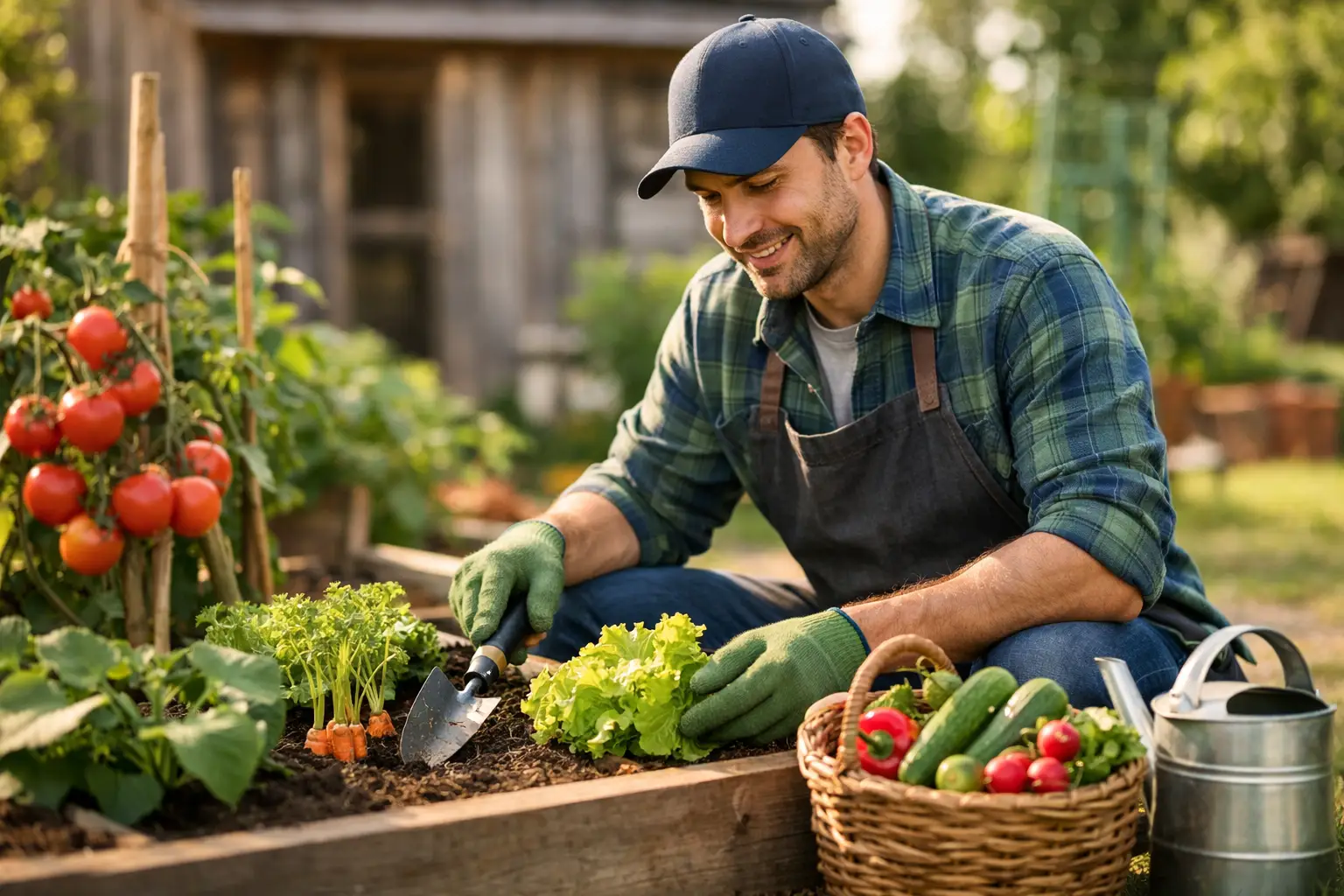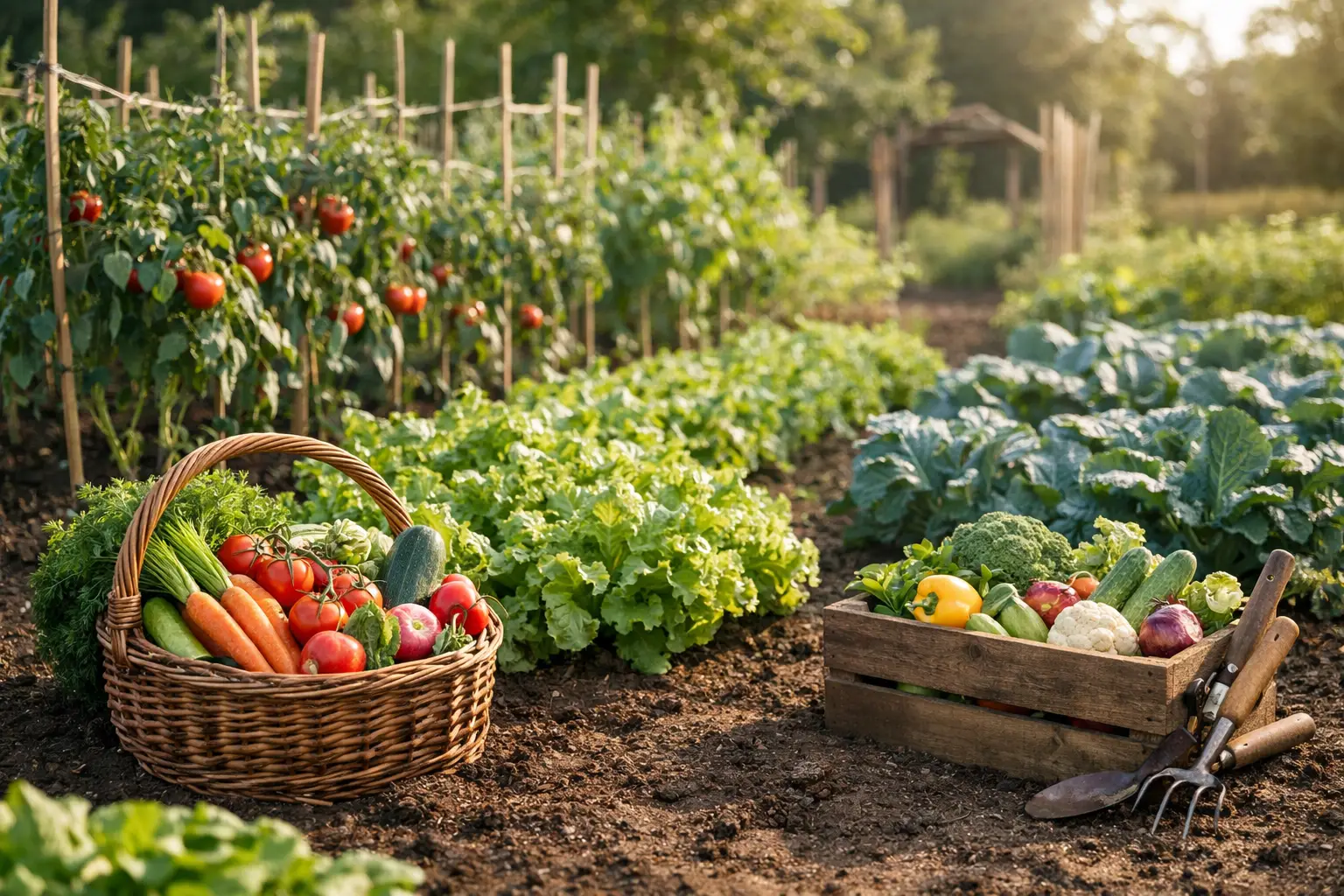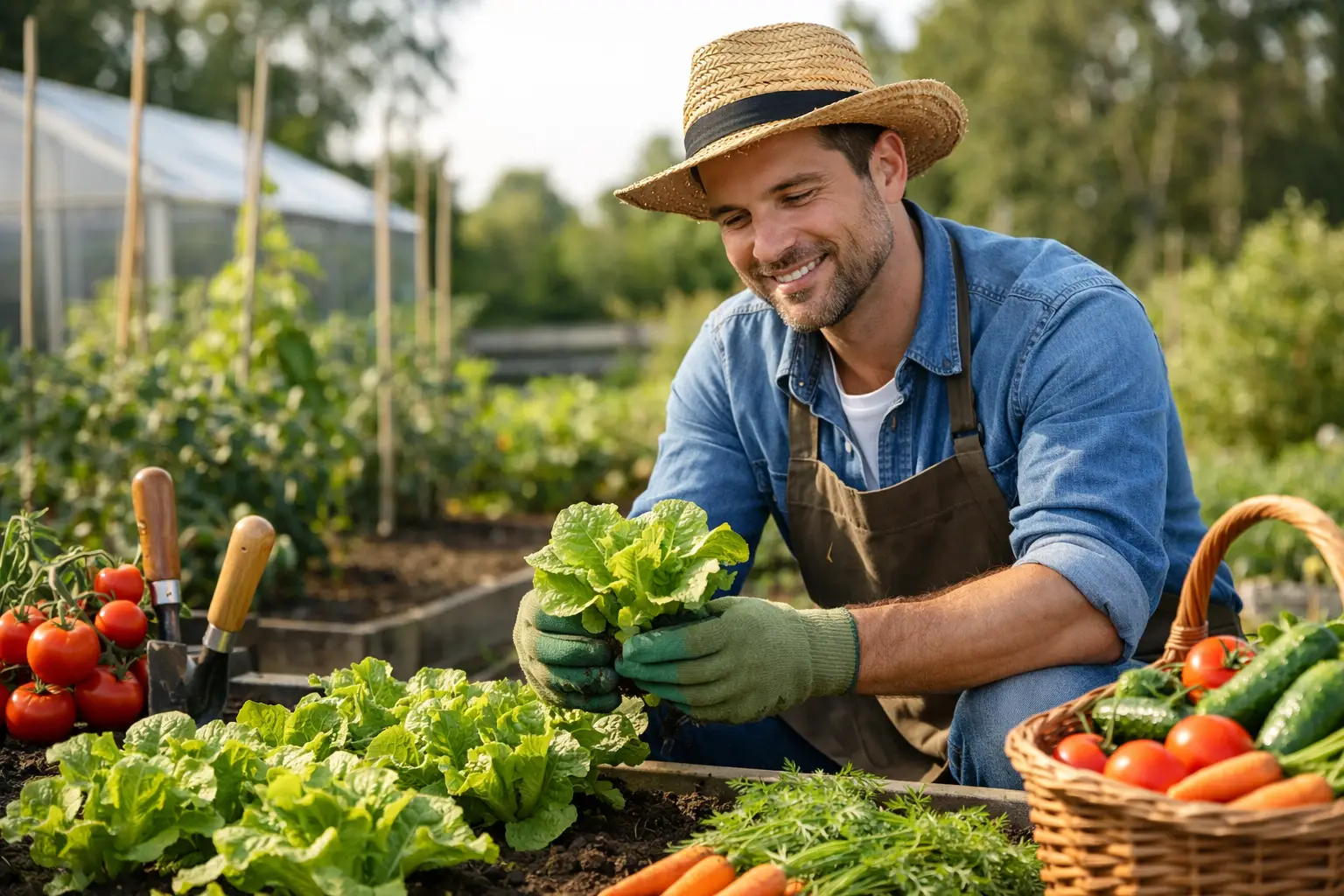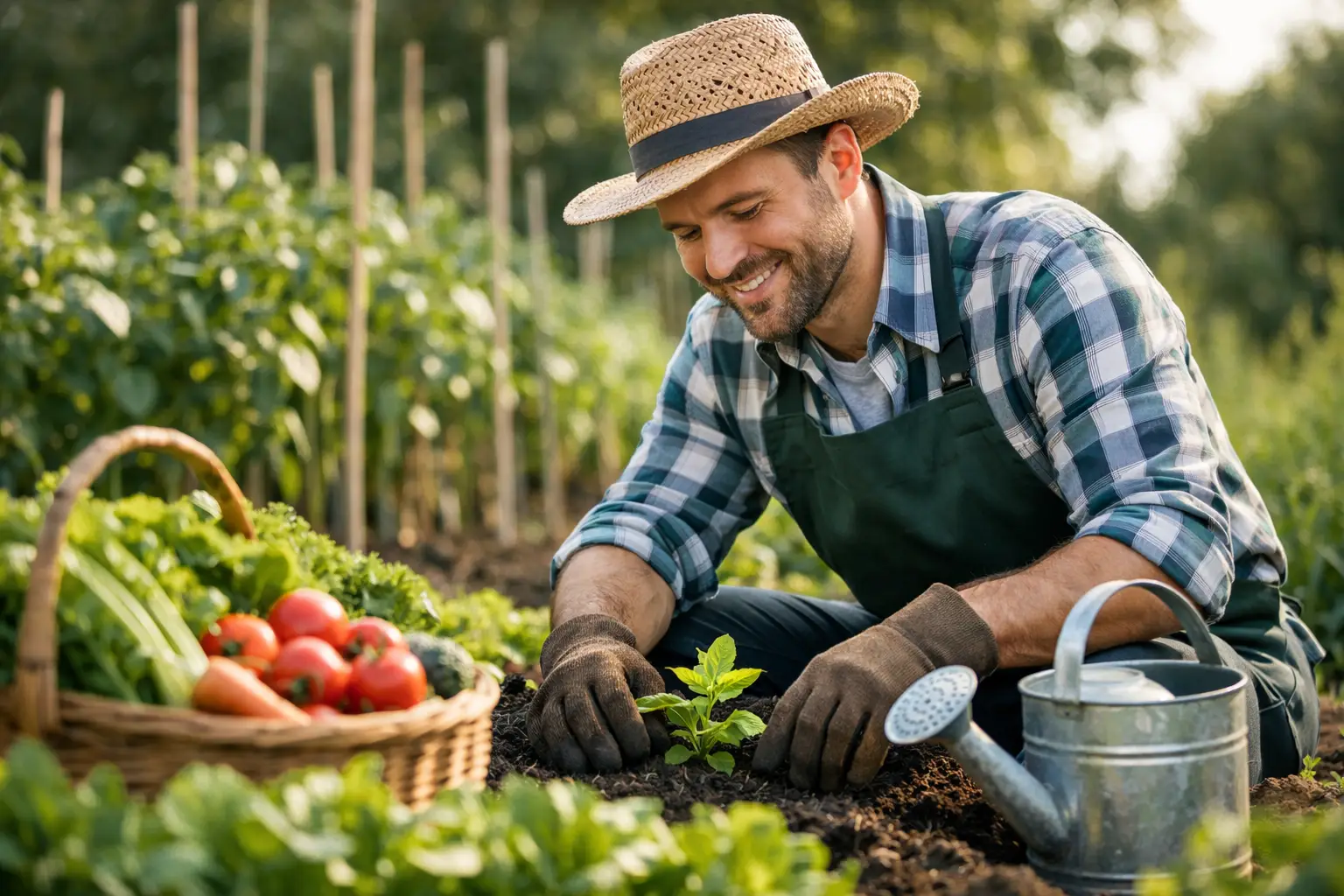
A lot of people start asking what is organic gardening right after a frustrating season – maybe the tomatoes struggled, pests showed up overnight, or a store-bought spray fixed one problem and seemed to create two more. That question usually comes from a good place. You want a garden that grows well, feels safe around your family and pets, and does not depend on a shelf full of harsh products.
Organic gardening is simply a way of growing plants by working with nature instead of trying to overpower it. In practice, that means building healthy soil, feeding plants with natural inputs, preventing problems before they start, and avoiding most synthetic fertilizers, pesticides, and herbicides. It is not about perfection, and it is not about doing everything the hard way. At its best, organic gardening is practical, steady, and surprisingly forgiving.
What is organic gardening in everyday terms?
If you strip away the labels, organic gardening comes down to one big idea: healthy gardens begin with healthy ecosystems. Instead of treating soil like an empty pot that only needs fertilizer, organic gardeners treat it like a living system full of microbes, fungi, worms, and organic matter. When that system is thriving, plants tend to be stronger, more resilient, and less attractive to pests and disease.
That is why organic gardening usually focuses on prevention first. You improve the soil before planting. You choose plants that fit your climate and season. You water consistently instead of swinging from drought to drench. You use mulch to hold moisture and reduce weeds. When pests show up, you start with the least disruptive fix rather than reaching immediately for a broad chemical treatment.
This approach can feel slower at first, especially if you are used to quick-fix products. But over time, many home gardeners find it actually simplifies things. A healthy garden asks for fewer emergency rescues.
The core principles behind organic gardening
The easiest way to understand organic gardening is to look at what it prioritizes.
First, it builds soil instead of just feeding plants. Compost, aged manure, leaf mold, worm castings, and other natural amendments improve soil structure as well as fertility. That matters because roots need air, water, and biological activity just as much as nutrients.
Second, it favors natural nutrient sources. Organic fertilizers often release nutrients more slowly than synthetic ones, which can be a benefit. Plants get steadier growth, and you are less likely to push weak, overly lush growth that attracts aphids and other pests.
Third, it relies on biodiversity. Mixed plantings, flowers that attract beneficial insects, crop rotation, and a range of plant types can all help balance the garden. A backyard full of one stressed crop is a buffet. A diverse garden is usually more stable.
Fourth, it uses natural pest and disease management. That might mean hand-picking hornworms, using insecticidal soap carefully, covering crops with row fabric, improving airflow around plants, or planting trap crops. The goal is control with the least collateral damage.
Finally, it respects the long game. Organic gardening is less about forcing immediate results and more about creating conditions where good results become more likely season after season.
What organic gardening is not
This part helps because there is a lot of confusion around the word organic.
Organic gardening does not mean doing nothing and hoping nature handles everything. A neglected garden is not an organic garden. Weeds still need attention. Pests still need management. Soil still needs feeding.
It also does not mean every product with a natural-sounding label is automatically a good choice. Some organic-approved products can still be overused or misused. Copper sprays, horticultural oils, and even natural insect controls have trade-offs. Organic methods still require judgment.
And it definitely does not mean you need a picture-perfect homestead, a giant compost setup, or years of experience. If you grow basil in a patio container and feed it with organic fertilizer while skipping synthetic sprays, you are already practicing organic gardening.
Why so many home gardeners choose it
For most people, the appeal is pretty straightforward. They want to grow food and flowers in a way that feels healthier and more aligned with everyday life.
Some gardeners care most about reducing chemical exposure around kids, pets, and pollinators. Others want better soil and fewer recurring plant problems. Some are tired of spending money on products that promise a fast fix but do not address the actual cause of stress.
There is also the quality-of-garden factor. Organic gardens often improve with time. Soil becomes darker and easier to work. Beds hold moisture better. Earthworms show up. Plants may not always grow at lightning speed, but they often develop more balanced, durable growth.
That said, organic gardening is not magic. If your tomatoes are planted in deep shade, compost will not change that. If you water once a week during a heat wave, natural methods cannot fully make up for it. Good gardening basics still matter.
How organic gardening works in a real backyard
This is where the idea becomes useful.
An organic vegetable bed usually starts with soil preparation. Instead of adding a quick synthetic fertilizer and planting immediately, you might mix in compost and a balanced organic fertilizer, then top with mulch after planting. That one step improves fertility, water retention, and weed suppression at the same time.
When pest pressure appears, the response is usually layered. If flea beetles attack eggplant seedlings, you might use row covers early, keep plants healthy so they outgrow damage, and remove nearby weeds that host pests. If powdery mildew shows up, you look at spacing, airflow, watering habits, and plant variety before assuming you need a spray.
Watering also tends to be more intentional. Organic gardens do better when moisture is steady. Wild swings stress plants, and stressed plants invite trouble. Soaker hoses, drip irrigation, or even a simple habit of checking soil before watering can make a bigger difference than many gardeners expect.
In other words, organic gardening is often a series of small choices that support plant health from multiple angles.
What is organic gardening for beginners?
For beginners, organic gardening is not a giant philosophy test. It is a practical starting point.
You do not need to switch everything overnight. Start with three basics: feed the soil, mulch the surface, and avoid unnecessary sprays. Those habits alone can change how your garden performs.
If you are growing vegetables, choose a few easy crops and grow them in the right season for your area. Lettuce in midsummer and tomatoes in cold spring weather create problems no fertilizer can solve. Organic success often begins with matching the plant to the season.
It also helps to accept a little imperfection. A leaf with a few holes is not a disaster. One tomato hornworm is not the end of the crop. New gardeners sometimes get discouraged because they assume an organic garden should be either flawless or failing. Real gardens live somewhere in between.
Common benefits and honest trade-offs
The benefits are easy to appreciate. Healthier soil, fewer synthetic chemicals, better water retention, and a more balanced garden ecosystem are all real advantages. Many gardeners also like that organic methods encourage observation. You start noticing what your soil does after rain, which flowers bring in beneficial insects, and when certain pests tend to appear.
The trade-offs are worth mentioning too. Organic gardening can require more patience, especially if you are rebuilding poor soil. Natural fertilizers often work more gradually. Pest control may involve monitoring and timing instead of one broad treatment. In some situations, especially during heavy infestations, an organic approach can feel more hands-on.
But that does not automatically make it harder. Once the system improves, many tasks become more routine and less reactive. You may spend less time chasing crises because you have built a garden that handles stress better.
A simple way to start organic gardening now
If your garden feels overwhelming, keep the next step small. Add compost to your beds. Mulch around vegetables and flowers. Choose one organic fertilizer and learn how to use it correctly. Water deeply and consistently. When a pest shows up, identify it before treating it.
That last point matters a lot. Spraying first and asking questions later is how many gardens end up more stressed than before. A little observation usually saves time, money, and plant damage.
At thenaturalgardner, this is the heart of the advice we come back to again and again: organic gardening works best when it feels doable. You do not need a perfect system. You need a few solid habits that support the life already happening in your soil.
If you remember nothing else, remember this: organic gardening is not about making your garden complicated. It is about making it healthier, steadier, and easier to trust over time.