A garden can look full and promising in May, then turn into a crowded, mildew-prone tangle by July. I have planted tiny tomato starts with plenty of optimism, only to realize later that their leaves were shading the peppers, blocking airflow, and making harvest a daily game of hide-and-seek. This guide to organic garden spacing will help you avoid that familiar problem without turning your garden into a math project.
Good spacing gives each plant enough light, root room, water, and airflow to grow well. It also makes organic gardening easier. When plants are not competing and foliage can dry after rain, you are less likely to deal with fungal disease, stressed plants, and pest outbreaks that seem to appear overnight.
Why Organic Garden Spacing Matters
Spacing is not just about following the numbers on a seed packet. Those numbers are a useful starting point, but your garden has its own conditions. Rich soil, long growing seasons, frequent rain, intense summer heat, and whether you prune or trellis can all change how much room a plant needs.
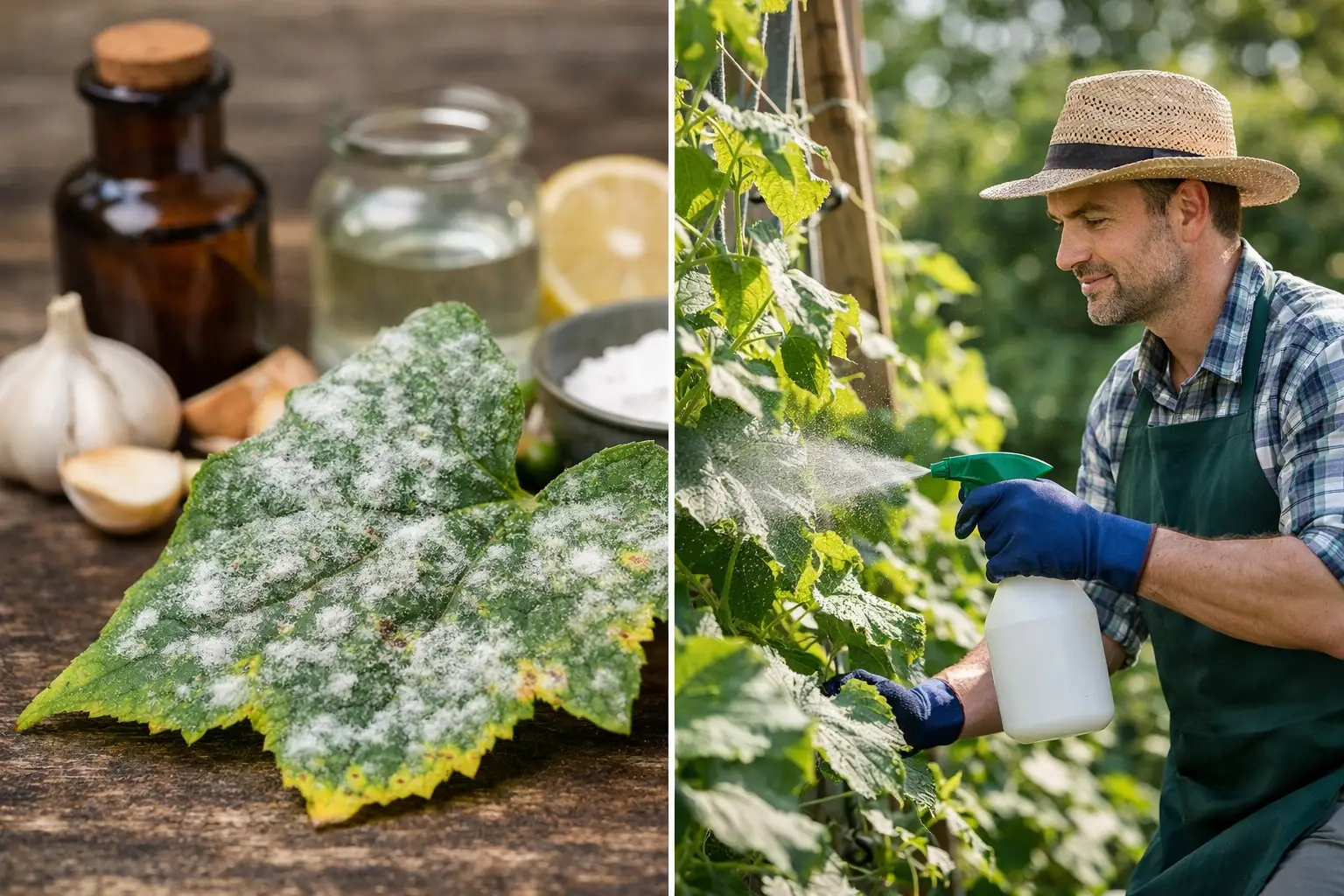
In an organic garden, healthy plants are your first line of defense. A crowded bed stays damp longer, especially near the soil surface. That creates friendly conditions for problems like powdery mildew, blight, and leaf spot. Tight spacing also makes it harder to spot hornworms, aphids, or chewed leaves before they become a bigger issue.
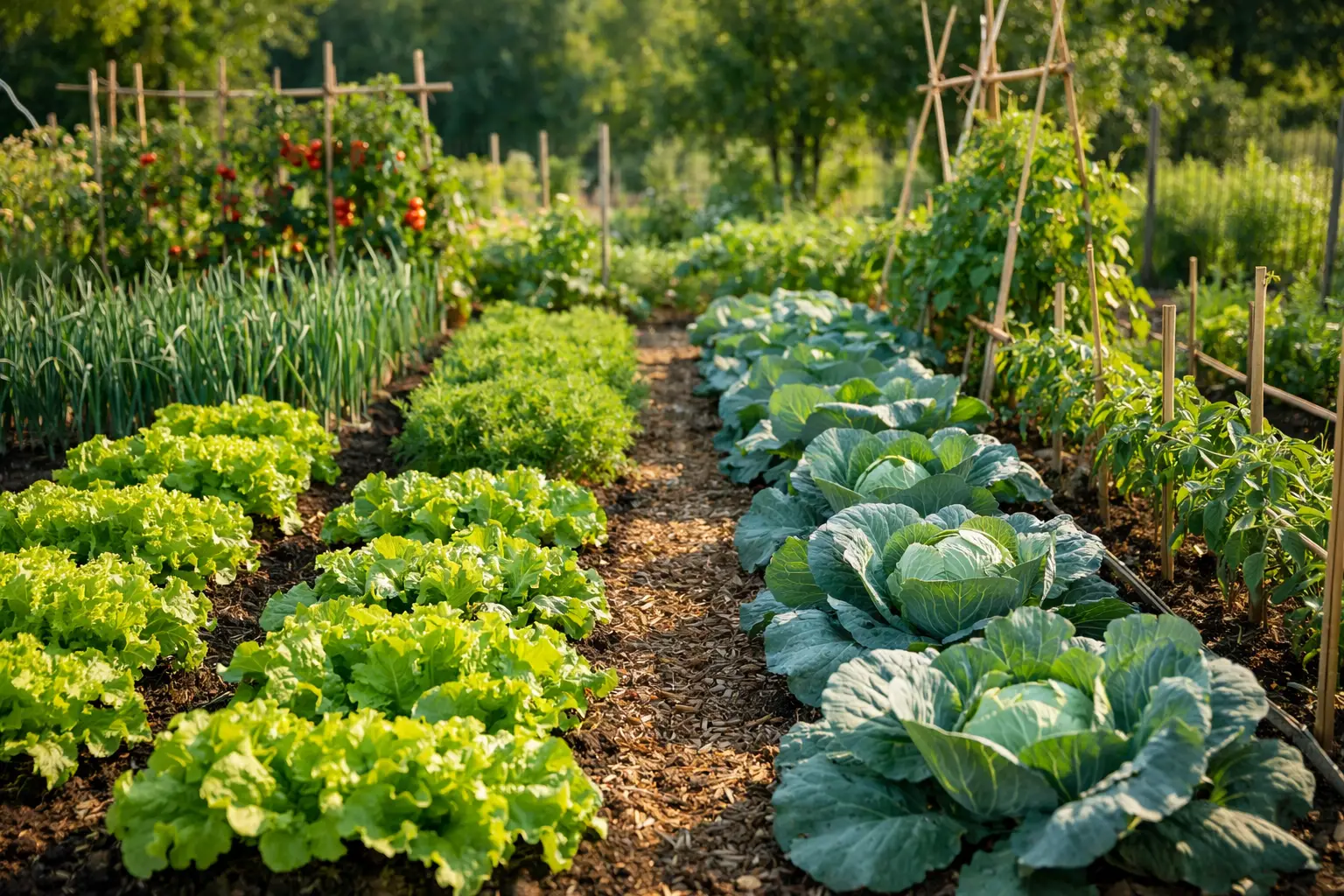
There is a balance, though. Spacing plants too far apart leaves bare soil exposed to sun and weeds. A little leaf coverage can shade the ground, hold moisture, and reduce weeding. The goal is not empty space. It is a garden where plants touch lightly as they mature without becoming one solid wall of leaves.
Start With the Plant’s Mature Size
The most common spacing mistake is judging a plant by its size at planting time. A four-inch zucchini seedling looks harmless. By midsummer, it may need a space nearly as wide as a kitchen table.
Before planting, picture each crop at full size, not as a seedling. Seed packet spacing generally refers to the distance between plants, while row spacing is the path or open area between lines of plants. In raised beds, you do not always need traditional rows, but you still need room to reach the center of the bed without stepping on the soil.
For many home gardens, these starting ranges work well:
- Tomatoes: 18 to 24 inches apart for staked or caged plants, and 30 to 36 inches for sprawling types.
- Peppers and eggplants: 18 to 24 inches apart.
- Bush beans: 4 to 6 inches apart.
- Cucumbers: 12 to 18 inches apart on a trellis, or 36 inches or more when grown along the ground.
- Zucchini and summer squash: 24 to 36 inches apart.
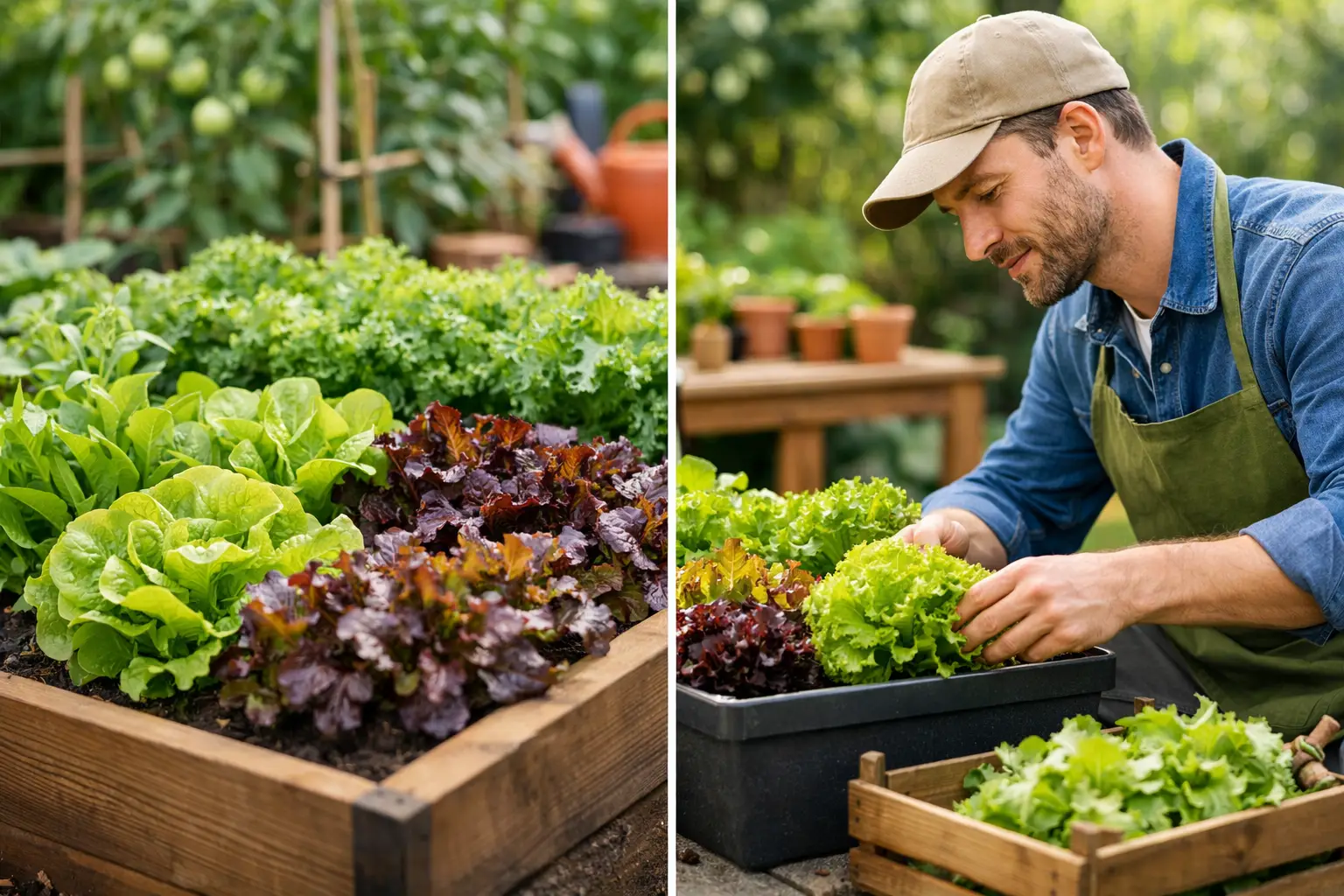
- Lettuce: 8 to 12 inches apart for full heads, or closer if you harvest young leaves.
- Carrots, radishes, and beets: 2 to 4 inches apart after thinning.
Treat these as practical guardrails, not strict laws. A compact patio tomato in a container needs less room than a vigorous indeterminate variety in deeply amended soil. The plant label or seed packet should have the final say for a specific variety.
Give sprawling crops their own territory
Squash, pumpkins, melons, and some cucumbers are the garden’s enthusiastic space-takers. Trying to tuck them into an already full bed usually leads to vines climbing over everything else.
You can grow more in a small garden by directing vines out of the bed and into a mulch-covered path, or by choosing compact bush varieties. Trellising cucumbers and small melons can save a surprising amount of space, but use a sturdy support and add a simple sling for heavier fruit when needed.
Use Vertical Space Before Crowding the Soil
A trellis is one of the simplest ways to make a small organic garden work harder. Pole beans, peas, indeterminate tomatoes, and climbing cucumbers can grow upward instead of spreading across nearby crops.
Place tall structures on the north side of a bed when possible. In most US gardens, this keeps them from casting a long shadow over shorter, sun-loving plants. If your garden gets harsh afternoon heat, a little strategic shade can help lettuce or cilantro last longer, so the best layout depends on your climate and season.
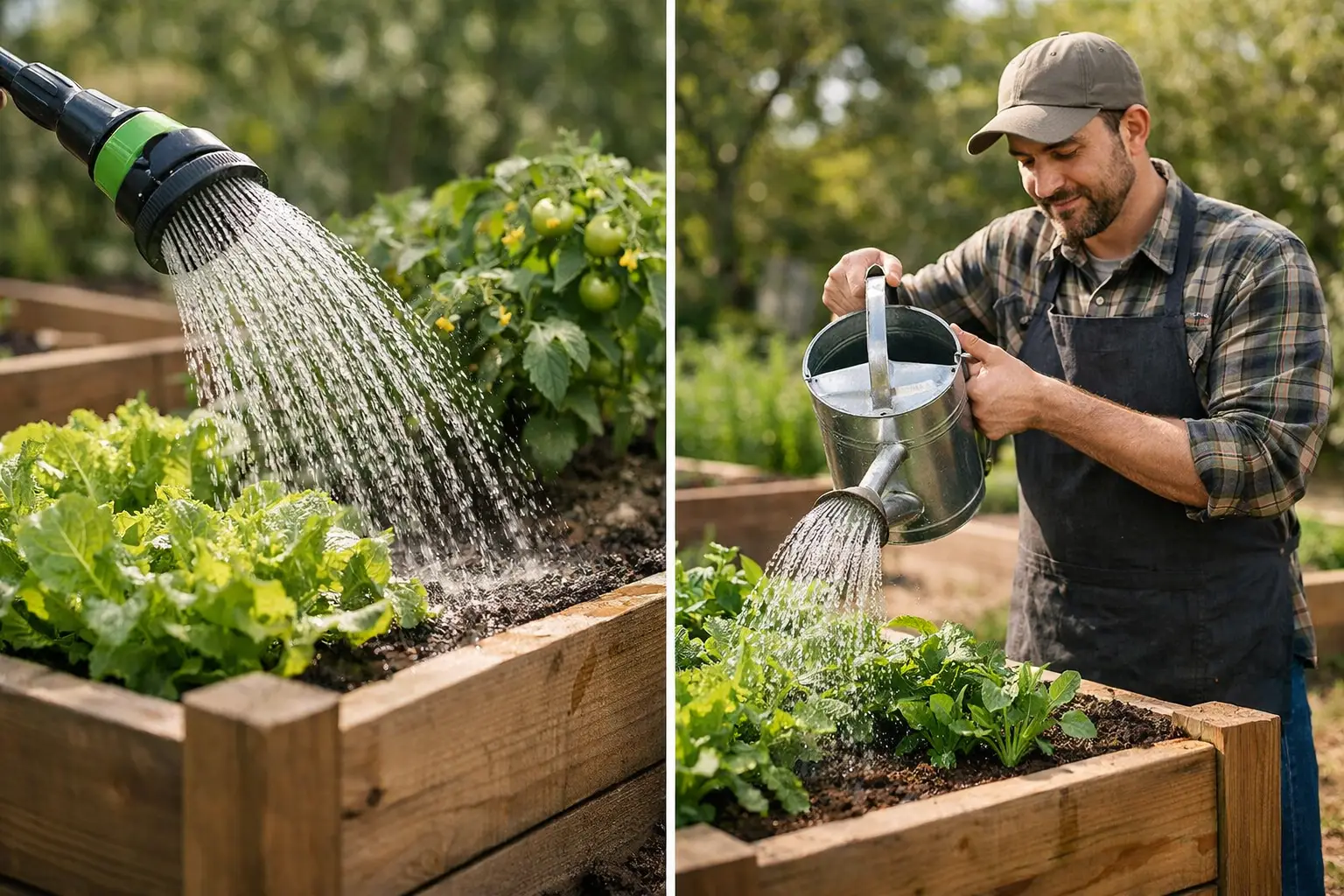
Vertical growing does come with a trade-off. Trellised plants often dry out faster and may need more frequent watering. Check soil moisture at the base rather than watering leaves, and add a layer of clean organic mulch once the soil has warmed.
Plan Beds for Airflow and Easy Care
If you cannot comfortably reach a plant, it is probably not in the best spot. A crowded bed makes simple jobs, such as picking beans or checking the undersides of leaves, much harder than they need to be.
Keep raised beds about 3 to 4 feet wide if you can access them from both sides. That width lets you reach the middle without compacting soil. In-ground gardens benefit from clear paths too. A 18- to 24-inch path is usually enough for walking and carrying a harvest basket, while wider paths are more comfortable if you use a wheelbarrow.
Leave enough space around plants that you can water at the soil line, add compost, and harvest without snapping stems. This is especially helpful with tomatoes and peppers, which can look tidy early in the season and become much wider later on.
Good access supports natural pest control, too. When you can inspect plants regularly, you can handpick pests, rinse off aphids, or remove a diseased leaf early instead of reaching for a stronger treatment later.
Try Intensive Spacing Carefully
Square-foot and intensive gardening methods can be useful in raised beds, especially for quick, compact crops. Radishes, green onions, baby lettuce, and small herbs can grow closer together than large fruiting plants.
The key is to match close spacing with close attention. Intensively planted beds use nutrients and water quickly. Work finished compost into the bed before planting, mulch open soil where you can, and keep an eye on growth. If leaves overlap heavily, airflow disappears, or the soil dries unusually fast, thin a few plants rather than hoping they will sort themselves out.
For root crops, thinning is part of the plan, not a sign that you failed. Carrot and beet seeds are often sown closer than their final spacing because not every seed germinates. Once seedlings are growing, gently remove extras so the remaining roots can size up. Use tiny beet thinnings in salads, and compost the rest.
Companion Planting Is Helpful, Not Magic
Companion planting can make spacing more thoughtful, but it should not be used to cram plants together. Basil near tomatoes, marigolds along a bed edge, and flowers mixed among vegetables can support pollinators and make the garden more pleasant to tend. They do not cancel out the need for airflow, sun, or root space.
Think in layers instead. A tall tomato can share space with low-growing basil or lettuce early in the season. Once the tomato expands and shades the bed, the lettuce may bolt or struggle. That pairing works best as a short-term spring arrangement, not necessarily for the entire summer.
Flowers also deserve enough space to bloom well. Alyssum, calendula, zinnias, and native flowers can bring beneficial insects into the vegetable garden, but a dense flower patch planted directly against every crop may limit air movement. Give them an edge, a nearby strip, or a dedicated pocket in the bed.
Adjust Spacing for Your Conditions
Use wider spacing if your garden is humid, frequently rainy, shaded for part of the day, or prone to fungal disease. Wider gaps allow leaves to dry more quickly and give you better access for pruning and cleanup.
You may be able to plant slightly closer if you garden in a dry climate, grow compact varieties, use trellises, and feed your soil with compost. Even then, watch the plants rather than relying only on a diagram. Yellowing lower leaves, weak growth, unusually small fruit, and persistent dampness can all signal that plants are competing too closely.
Containers need their own approach. One large tomato, pepper, or eggplant usually does better in its own container than sharing with another hungry vegetable. Small herbs, lettuce, or trailing flowers can share the outer edge if the pot is large enough, but leave the main crop room for roots and regular watering.
A Simple Way to Lay Out Your Garden
Before you plant, place empty pots, plant tags, or even small stones where each crop will go. Step back and imagine the plants at their largest. Check where the afternoon shade will fall, whether you can reach every plant, and where a trellis needs to stand before roots are disturbed.
Put your biggest plants in place first: tomatoes, squash, cucumbers, corn, and trellised crops. Add medium-sized vegetables next, then fill open spaces with quick crops like radishes, leaf lettuce, arugula, or green onions. This approach keeps the garden flexible and helps you use small gaps without sacrificing the long-term health of larger plants.
A little open soil may feel like wasted potential on planting day. By peak summer, it often becomes the breathing room that keeps your garden healthier, easier to harvest, and far more enjoyable to grow in.