A Texas garden can look perfectly happy in April and completely exhausted by July. That is not a personal failure or a sign that you lack a green thumb. It is what happens when intense sun, quick-drying soil, surprise cold snaps, and long stretches of heat all share the same growing year. The best vegetables for Texas gardens are the ones that match those conditions and are planted in the right season.
The biggest shift for new Texas gardeners is realizing that summer is not the only vegetable-growing season. In much of the state, fall and winter are often the easiest, most productive months for food crops. A little timing, compost, and steady watering can take you much further than fighting the weather with complicated products.
Start With Your Part of Texas
Texas is large enough to hold several gardening climates. North Texas may have hard freezes and a later spring, while the Gulf Coast can grow through much of winter. Central Texas often has a long hot summer and unpredictable late frosts. Far West Texas brings dry air, wind, and dramatic temperature swings.
Use local average frost dates as your starting point, then watch the forecast rather than treating any calendar date as a guarantee. Soil temperature matters, too. Warm-season vegetables will sit still in cold soil, while cool-season crops lose quality quickly once hot weather arrives.
For the most dependable harvests, build your year around two main planting periods: late winter through spring for warm-season crops, and late summer through fall for cool-season crops. In the hottest parts of the state, spring crops need an early start and fall planting deserves just as much space as spring.
Best Vegetables for Texas Gardens in Spring and Summer
Okra
If one vegetable seems made for a Texas summer, it is okra. Once the soil is truly warm, okra grows quickly and keeps producing through heat that makes many other plants pause. Its flowers are lovely, and its upright habit makes it a good fit for smaller beds.
Plant seeds after the danger of frost has passed and the soil has warmed well. Give plants full sun and room for air to move. Pick pods when they are young and tender, usually every day or two. Miss a few, and they become tough fast, but those oversized pods can be left to dry for seed.
Southern Peas
Black-eyed peas, cream peas, and purple hull peas are hardworking summer crops. They tolerate heat, improve soil by working with nitrogen-fixing bacteria, and ask for much less fuss than many traditional garden favorites.
Sow them directly after spring vegetables are established or after an early crop has finished. They appreciate water while getting started, but mature plants handle dry spells better than beans or lettuce. Harvest young pods for snap peas or let them mature for shelling.
Peppers
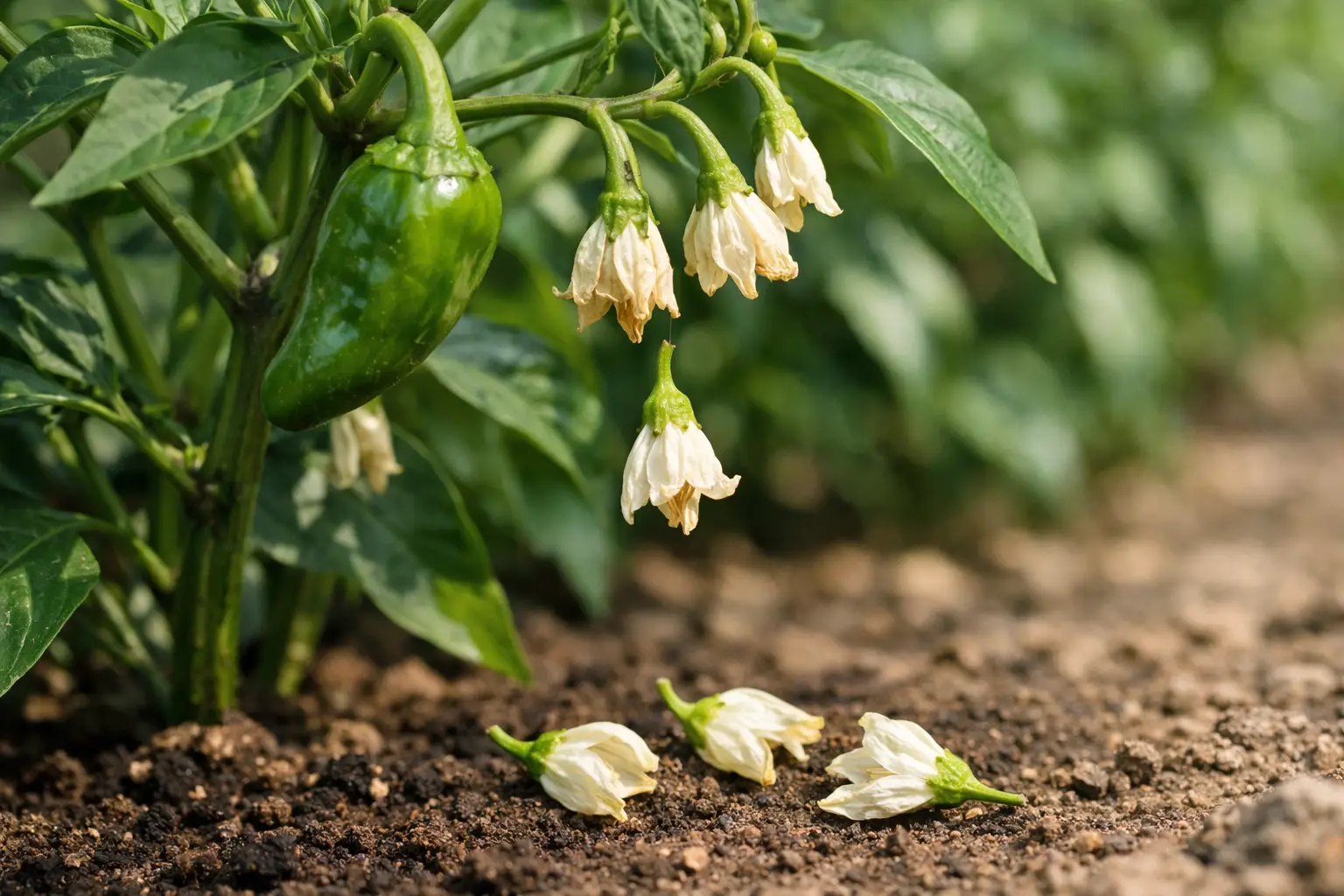
Peppers love warmth, although extreme heat can cause blossoms to drop for a while. Bell peppers are rewarding in a mild spring and fall, but hot peppers usually handle Texas heat with more determination. Jalapeños, serranos, poblanos, and smaller-fruited varieties are reliable choices.
Set out healthy transplants after nights are consistently mild. A 2- to 3-inch layer of untreated mulch helps hold soil moisture and keeps roots cooler. In the height of summer, a little afternoon shade can help plants continue setting fruit, especially in Central, South, and West Texas.
Eggplant
Eggplant is another heat-friendly choice that deserves more space in Texas gardens. It has fewer common pest problems than squash and can produce for months when given sun, compost-rich soil, and consistent moisture.
Choose compact varieties for containers or raised beds, and harvest fruits while their skins are glossy and firm. Flea beetles may pepper young leaves with tiny holes. Covering seedlings with lightweight row cover early on, then removing it when flowers open, is a simple natural strategy.
Sweet Potatoes
Sweet potatoes are patient summer growers. They need a long warm season, which makes them especially useful in many Texas gardens. Start with slips rather than seeds, plant after the soil warms, and give vines room to travel or spill over the edge of a raised bed.
Do not overfeed with nitrogen. Too much fertilizer produces lush vines at the expense of roots. Compost worked into the bed before planting is usually enough, especially if your soil is already fertile.
Tomatoes, With a Texas-Smart Plan
Tomatoes belong in the conversation, but they come with a trade-off. They are beloved, yet they can be frustrating during a brutal summer. The best approach is to plant early in spring and again in late summer for a fall crop, rather than expecting one plant to sail through the hottest months.
Look for heat-tolerant varieties, mulch deeply, and water at the soil level. Determinate tomatoes are often easier for beginners because they set much of their crop in a shorter window. Indeterminate plants can produce longer, but they need sturdy support and more attention.
The Fall Vegetables Texas Gardeners Should Not Skip
When August heat starts to feel endless, it is tempting to pack up the garden. Instead, begin preparing beds for fall. Cool-season vegetables often grow sweeter and more tender as the weather cools, and many can handle light frost.
Broccoli, Cabbage, and Cauliflower
These crops are usually more successful from fall transplants than from spring plantings. Start them early enough that they can put on growth before cold weather slows them down. Broccoli is generally the most forgiving of the three, while cauliflower can be more particular about timing and temperature.
Caterpillars may find the leaves before you do. Check the undersides of leaves a few times each week and hand-pick pests when possible. If needed, use a naturally derived Bt product labeled for edible crops, following the label carefully. Healthy soil and regular checks usually prevent a small problem from becoming a stripped plant.
Kale, Collards, and Swiss Chard
These leafy greens are forgiving, productive, and well suited to a beginner’s garden. Collards stand up to cold especially well. Kale often tastes better after a light frost, and Swiss chard adds color while tolerating a little more warmth than most greens.
Harvest outer leaves first instead of pulling the entire plant. This cut-and-come-again habit keeps the kitchen supplied for weeks. Give greens morning sun where possible, especially in warmer parts of Texas.
Carrots, Beets, and Radishes
Root vegetables are small-space champions for fall and winter. Radishes are fast and satisfying, often ready in about a month. Carrots take longer but are worth the wait, especially when cool weather improves their sweetness. Beets provide both roots and edible greens.
Loose, stone-free soil is the secret to straight carrots and nicely shaped beets. Avoid fresh manure, which can cause forked roots. Keep the top inch of soil evenly moist until seeds sprout, because tiny carrot seedlings are easy to lose if the surface dries out.
Lettuce, Spinach, and Peas
These are the vegetables that make a Texas fall garden feel generous. Sow lettuce in small batches every couple of weeks rather than all at once. Spinach prefers the coolest part of the season, while peas need a trellis or netting and enough time to grow before hard freezes arrive.
In warm regions, give lettuce afternoon shade or grow it in containers that can be moved. A simple shade cloth can extend the harvest when early fall days are still hot.
Make Heat and Water Work in Your Favor
Texas vegetables do best when the soil is protected. Bare soil bakes, sheds water, and encourages weeds. After seedlings are established, spread organic mulch such as shredded leaves, clean straw, or untreated wood chips around plants, keeping it a few inches away from stems.
Water deeply rather than giving plants a daily sprinkle. Frequent shallow watering encourages shallow roots, which are more vulnerable when heat arrives. A slow soak once or twice a week is often better, though containers may need water every day during peak summer heat. Check the soil with a finger before watering. If it is dry a couple of inches down, it is time.
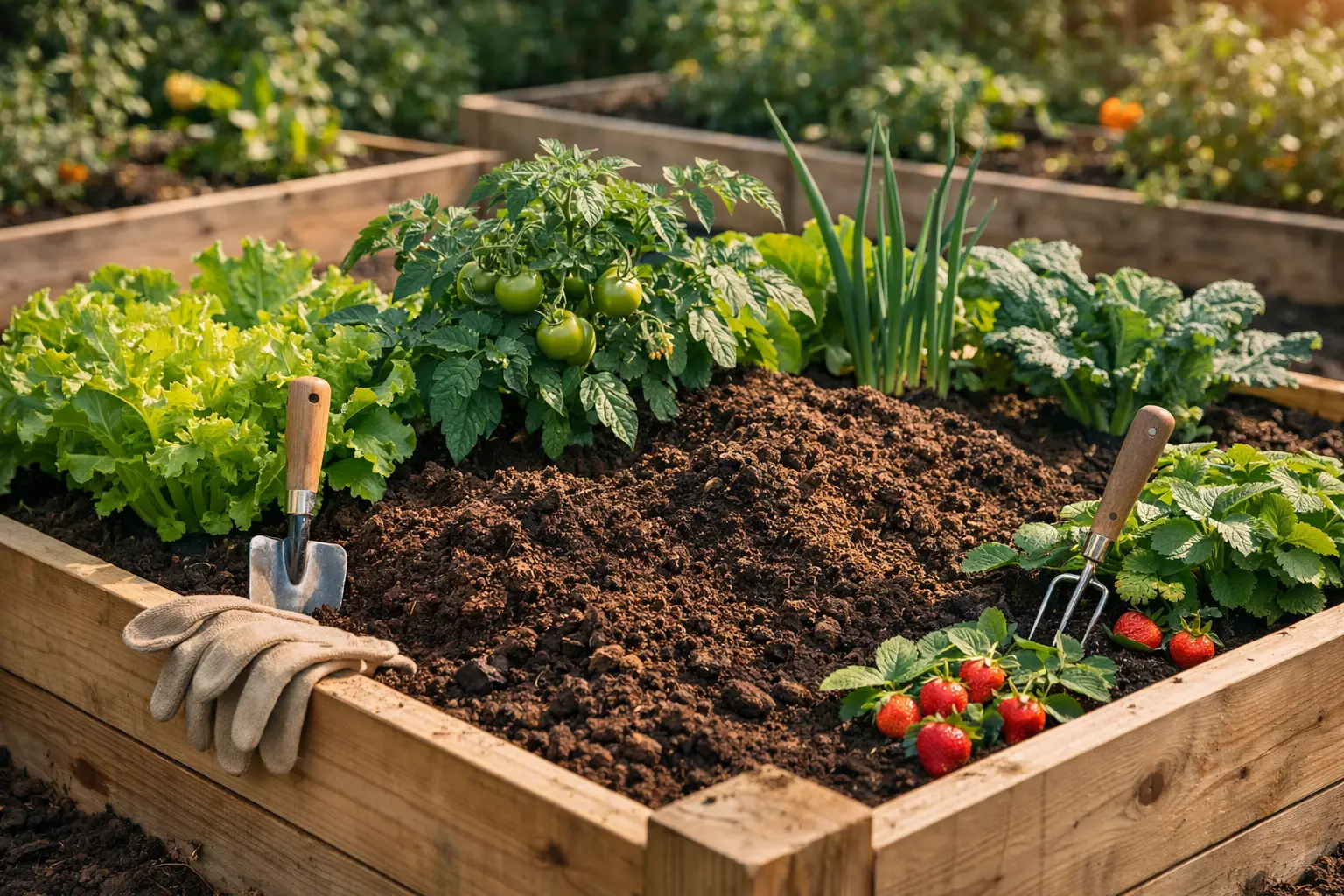
Compost is your best all-purpose soil helper. It improves drainage in heavy clay, helps sandy soil hold moisture, and feeds the soil life that supports healthy plants. You do not need a perfect system. Adding a layer of compost between crops and mulching consistently is a strong, practical start.
A Garden That Changes With the Season
The most successful Texas vegetable gardens are not planted once and left to cope. They shift with the weather. Pull tired spring lettuce to make room for peppers. Follow summer peas with broccoli or carrots. Replace a spent tomato with cool-season greens when fall arrives.
Start with a few vegetables that genuinely fit your weather and your dinner table, then keep notes on what produced well. A garden journal can be as simple as a photo and a sentence on your phone. Over time, those small observations will become your most useful Texas growing guide, season after season.