If you have ever stared at a packet of seeds and wondered what vegetables are easy to grow at home, start with the ones that forgive a missed watering, grow fast enough to keep you interested, and do not ask for perfect conditions. That matters more than picking the trendiest crop. A beginner-friendly vegetable is one that gives you a fair shot at success in a raised bed, a backyard plot, or a few containers on the patio.
The good news is that easy does not mean boring. Some of the simplest vegetables to grow are also the ones you will use most often in the kitchen. Salad greens, radishes, bush beans, zucchini, and cherry tomatoes all earn their place because they are productive, satisfying, and fairly straightforward when you match them to the right season.
What vegetables are easy to grow at home for beginners?
The short answer is this: grow vegetables that fit your weather, your space, and your attention span. That last one gets overlooked. If you know you are not going to baby plants every day, choose crops that can handle a little inconsistency.
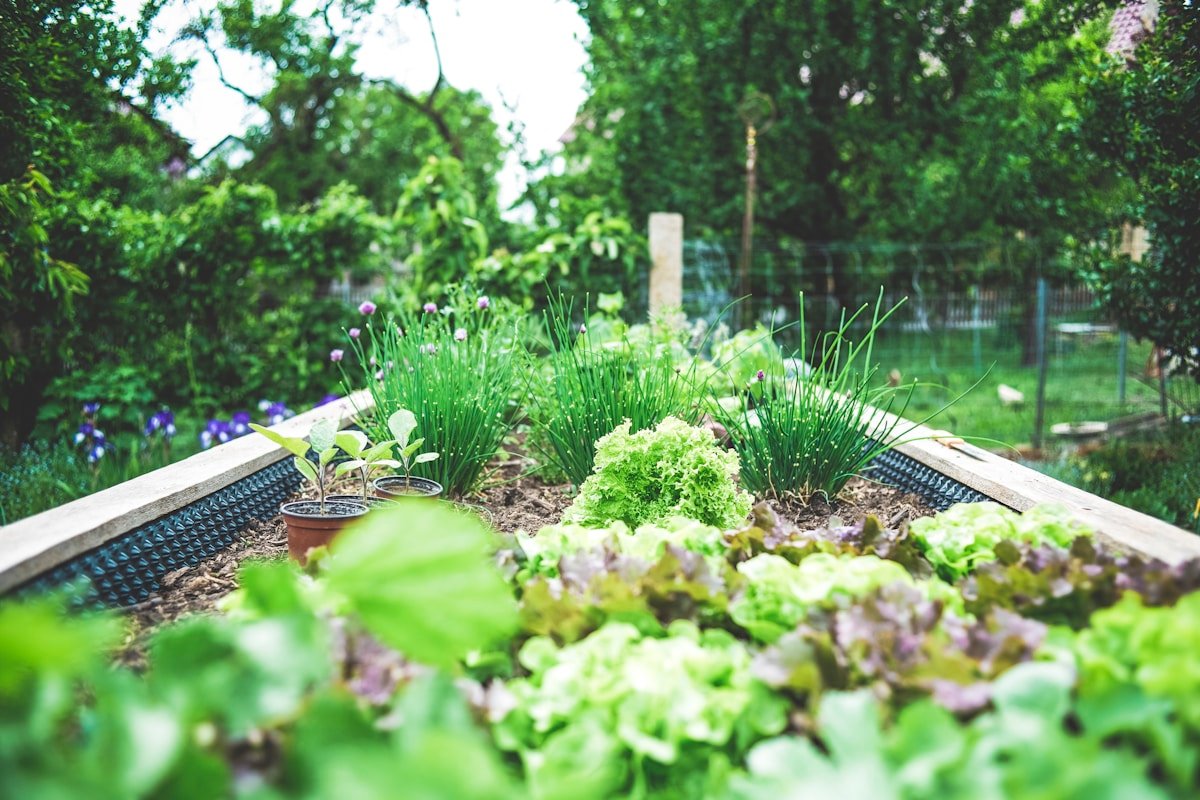
Leaf lettuce is one of the best places to start. It sprouts quickly, grows in containers or beds, and lets you harvest a few leaves at a time instead of waiting for one big payoff. In many parts of the US, lettuce does best in spring and fall. If you plant it in the heat of summer, it often turns bitter and bolts fast. That is not failure – it is just the wrong season.
Radishes are another confidence builder. They grow quickly, often in about a month, and they do not need much room. They are especially good for gardeners who want to see results right away. The trade-off is that radishes can get woody or overly spicy if they stay in the ground too long, so timing matters.
Bush beans are generous plants. They usually germinate fast in warm soil, need less support than pole beans, and produce enough to feel rewarding without taking over the whole garden. If your soil is decent and they get full sun, they tend to do well with minimal fuss. Wet leaves can invite disease, though, so it helps to water the soil rather than spraying the whole plant.
Zucchini has a reputation for abundance for a reason. One or two plants can feed a household. For beginners, that is encouraging. For small spaces, it can be a lot. Zucchini needs room, sunshine, and regular harvesting. If you let fruits get huge, the plant slows down. If powdery mildew shows up later in the season, do not take it personally. That happens even to experienced gardeners.
Cherry tomatoes are often easier than large slicing tomatoes because they ripen faster and tend to produce more reliably. They still need sun, support, and steady watering, but they are usually more forgiving than beefsteak types. If you have struggled with tomatoes before, try a compact cherry variety in a large container with fresh potting mix. That alone solves a lot of common problems.
The easiest vegetables to grow at home in small spaces
You do not need a big yard to grow useful food. In fact, some of the easiest vegetables are especially well suited to containers and small beds.
Green onions are one of my favorite low-pressure crops. They take up very little room, they are handy in the kitchen, and they are much less demanding than bulb onions. You can grow them from seed or starts, and you can often harvest them young over a long stretch of time.
Spinach can also work well in small spaces, especially in cool weather. It grows quickly and gives you a nutrient-dense harvest from a shallow container. Like lettuce, spinach is not a summer lover in most climates. If it bolts when temperatures rise, that is your cue to switch to a heat-tolerant crop rather than keep forcing it.
Peppers can be easy too, with one important note: they are slower than many beginners expect. The plants themselves are not especially difficult if they have warmth, sun, and fertile soil, but they do test your patience. If you want quick wins, pair peppers with faster crops like lettuce or radishes.
For very tight spaces, loose-leaf greens are hard to beat. Arugula, baby kale, and mustard greens can all be harvested young, which means you do not need a huge container or a long season. If flea beetles or cabbage worms are a problem in your area, a simple lightweight row cover can make a big difference without reaching for harsh sprays.
Why some vegetables feel easy and others do not
A lot of gardening frustration comes from growing the right crop in the wrong conditions. Carrots, for example, are not impossible, but they can be fussy about soil texture. If your ground is rocky or compacted, roots fork or stay small. That does not make carrots a bad choice – it just means raised beds or deeper, looser soil give better results.
Cucumbers are productive and fairly easy in warm weather, but they can attract pests and need consistent moisture to stay tender. Summer squash and cucumbers also outgrow small spaces faster than many people expect. If you are gardening on a patio, choose compact varieties and be realistic about how much room vines need.
Then there are vegetables that beginners often plant because they are popular, not because they are simple. Celery, cauliflower, and head cabbage usually ask for more patience and tighter timing. They can absolutely be grown at home, but they are not where I would start if your main goal is a reliable first harvest.
How to make easy vegetables even easier
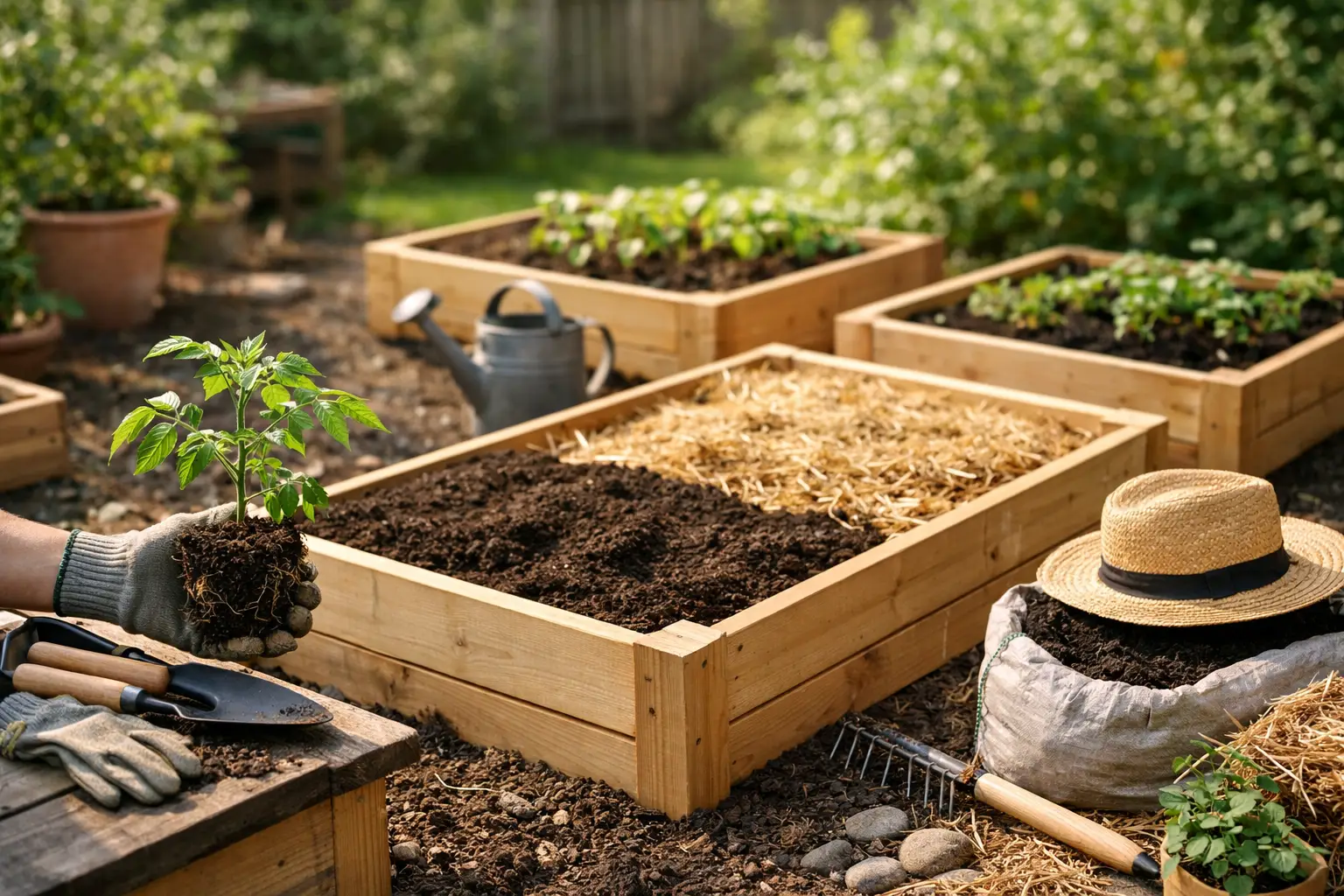
The vegetables matter, but a few simple habits matter just as much. Good soil is the first one. Healthy, living soil helps plants tolerate stress better, whether that stress is heat, uneven watering, or mild pest pressure. If you are growing in the ground, mix in compost before planting. If you are using containers, use a quality potting mix rather than garden soil, which tends to compact.
Sunlight is another big piece. Most vegetables want at least six hours of direct sun, and fruiting crops like tomatoes, peppers, beans, and zucchini prefer more. If your space is partly shaded, focus on leafy greens instead of trying to force high-yield tomatoes in a dim corner.
Watering is where many beginners get tripped up. The problem is usually not caring too little. It is watering too often and too lightly. A shallow sprinkle encourages shallow roots. It is better to water thoroughly, then let the top layer of soil dry slightly before watering again. Containers dry out faster than beds, especially in summer, so they need more attention.
Mulch helps more than people realize. A thin layer of shredded leaves, straw, or untreated mulch keeps soil moisture steadier, suppresses weeds, and reduces splash-up that can spread disease. In an organic garden, that kind of quiet prevention is often more useful than trying to fix problems after they start.
If you are feeding plants, keep it simple. Compost and a gentle organic fertilizer usually go a long way. Too much fertilizer, especially high nitrogen, can give you lush leaves and fewer fruits. Tomatoes and peppers are the classic example. Beautiful plants, disappointing harvest.
A simple starter plan for success
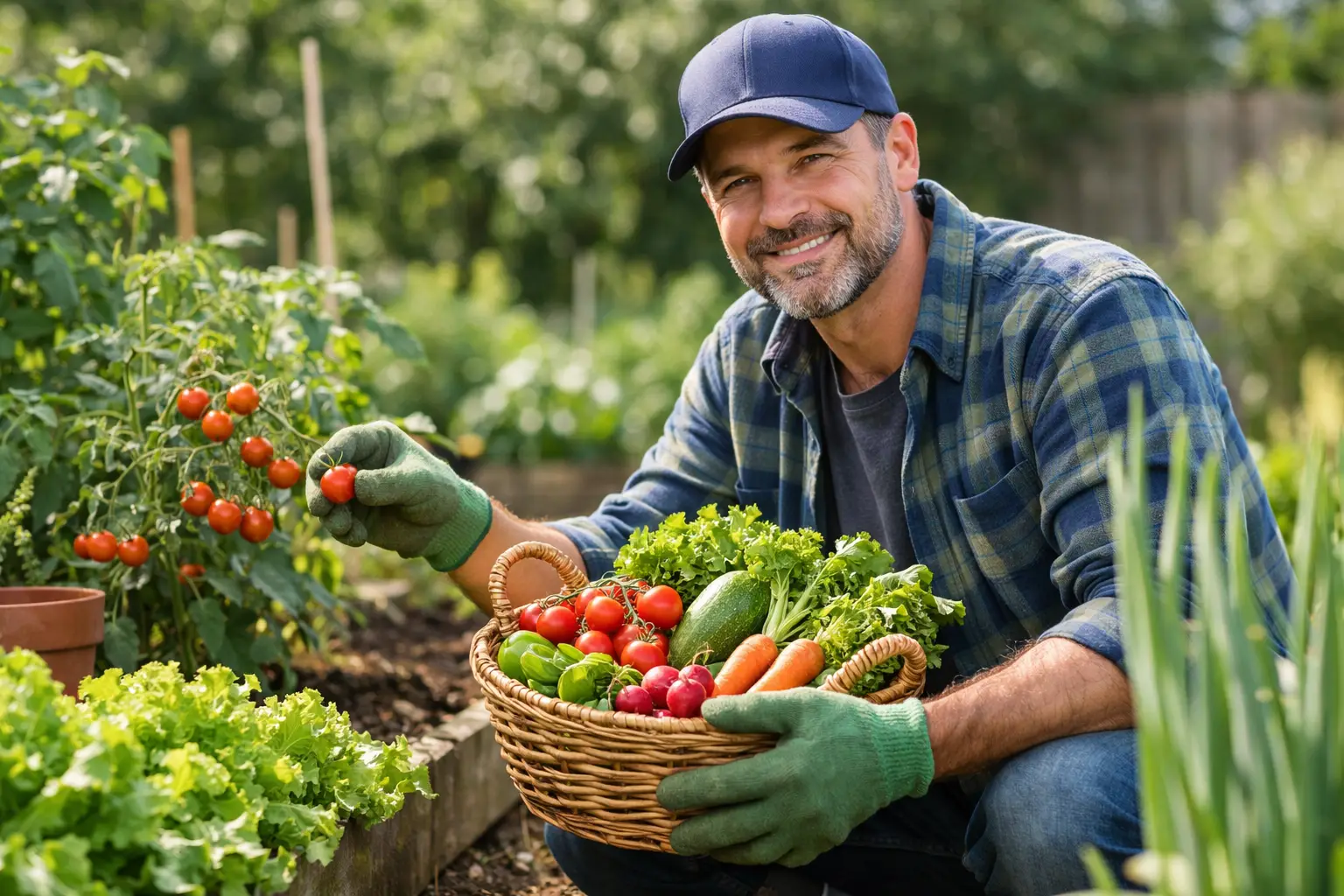
If you are still deciding what to plant, keep your first season small. A smart beginner garden might include loose-leaf lettuce, radishes, bush beans, one zucchini, and one cherry tomato. That mix gives you quick harvests, a longer-producing crop, and a chance to learn how different vegetables behave.
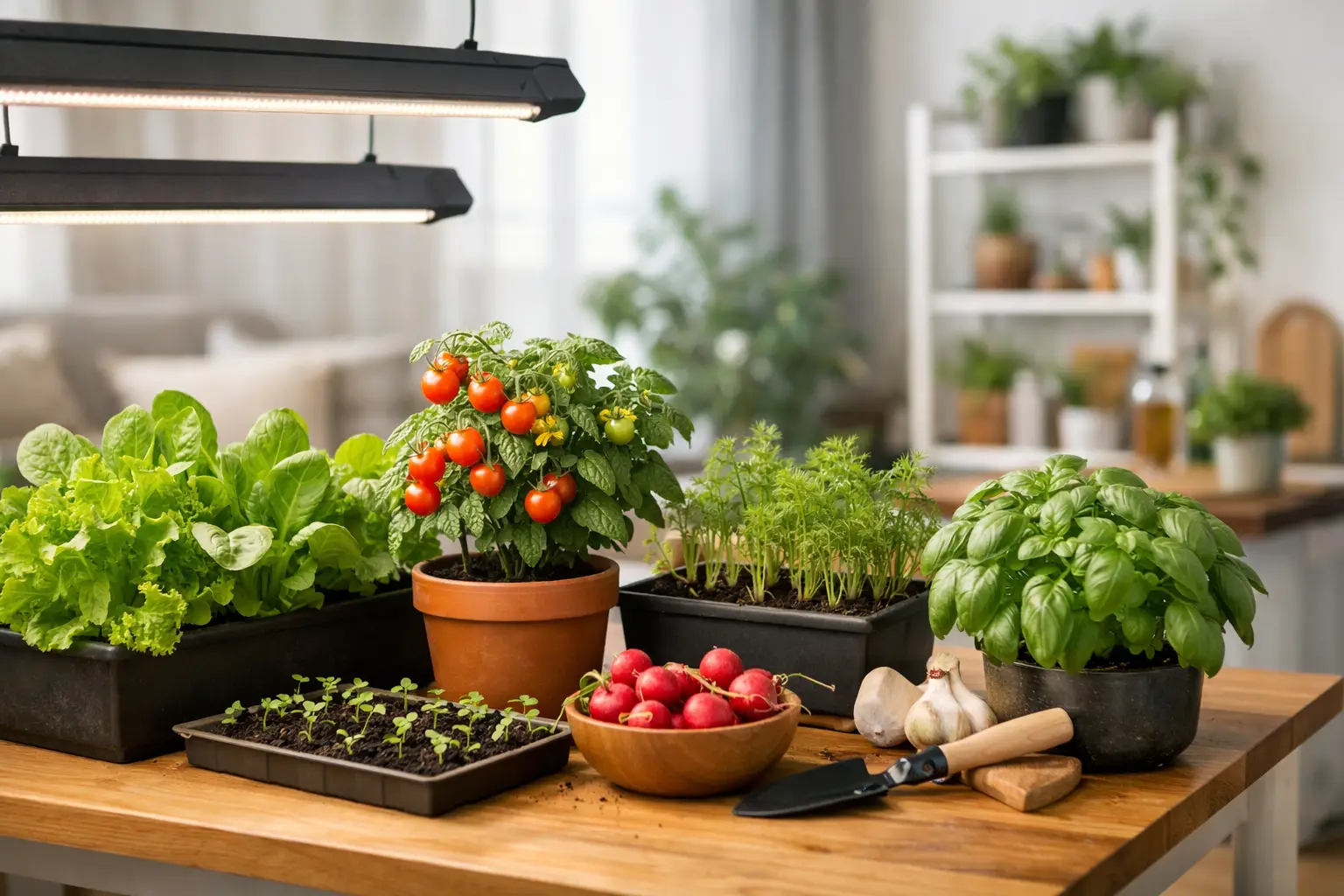
If you only have containers, try lettuce, green onions, spinach in the cool season, and one compact tomato or pepper in summer. Use containers large enough for the crop, and do not underestimate how much easier life gets when plants are not crowded.
You can always expand later. In fact, that is usually the better path. A small garden that gets harvested is more encouraging than a big one that becomes a chore by July.
One last thing I always tell new gardeners: pay attention to what grows well where you live. The easiest vegetables to grow at home in Maine will not be exactly the same as the easiest ones in Texas or Southern California. Your local climate sets the pace. Once you work with it instead of against it, gardening starts to feel much less mysterious and a lot more generous.
If you want your garden to feel doable, choose a few forgiving crops, give them healthy soil and the right season, and let this first round teach you something. The best vegetable to grow is the one that makes you want to plant again.