If you have ever looked at a sunny windowsill and thought, I could grow something there if only I had space for a garden bed, soil-free growing may be exactly what you need. Learning how to grow vegetables at home without soil sounds high-tech at first, but for many home gardeners, it is actually a simple, tidy way to grow fresh food in a small space.
This method is usually called hydroponics, which simply means growing plants in water with nutrients instead of in soil. The roots still need support, moisture, oxygen, and food. You are just delivering those things in a different way. For beginners, that difference can be surprisingly manageable once you understand the basics.
How to grow vegetables at home without soil
The easiest way to think about hydroponics is this: in soil, plants search for water and nutrients. In a hydroponic setup, you bring water and nutrients directly to the roots. That can speed up growth, reduce mess, and make indoor vegetable gardening feel much more doable.
It also comes with trade-offs. You will not be dealing with weeding or hauling potting mix, but you will need to pay closer attention to water levels, light, and nutrient balance. Soil tends to buffer mistakes. Water systems are less forgiving, especially if they dry out or sit stagnant too long.
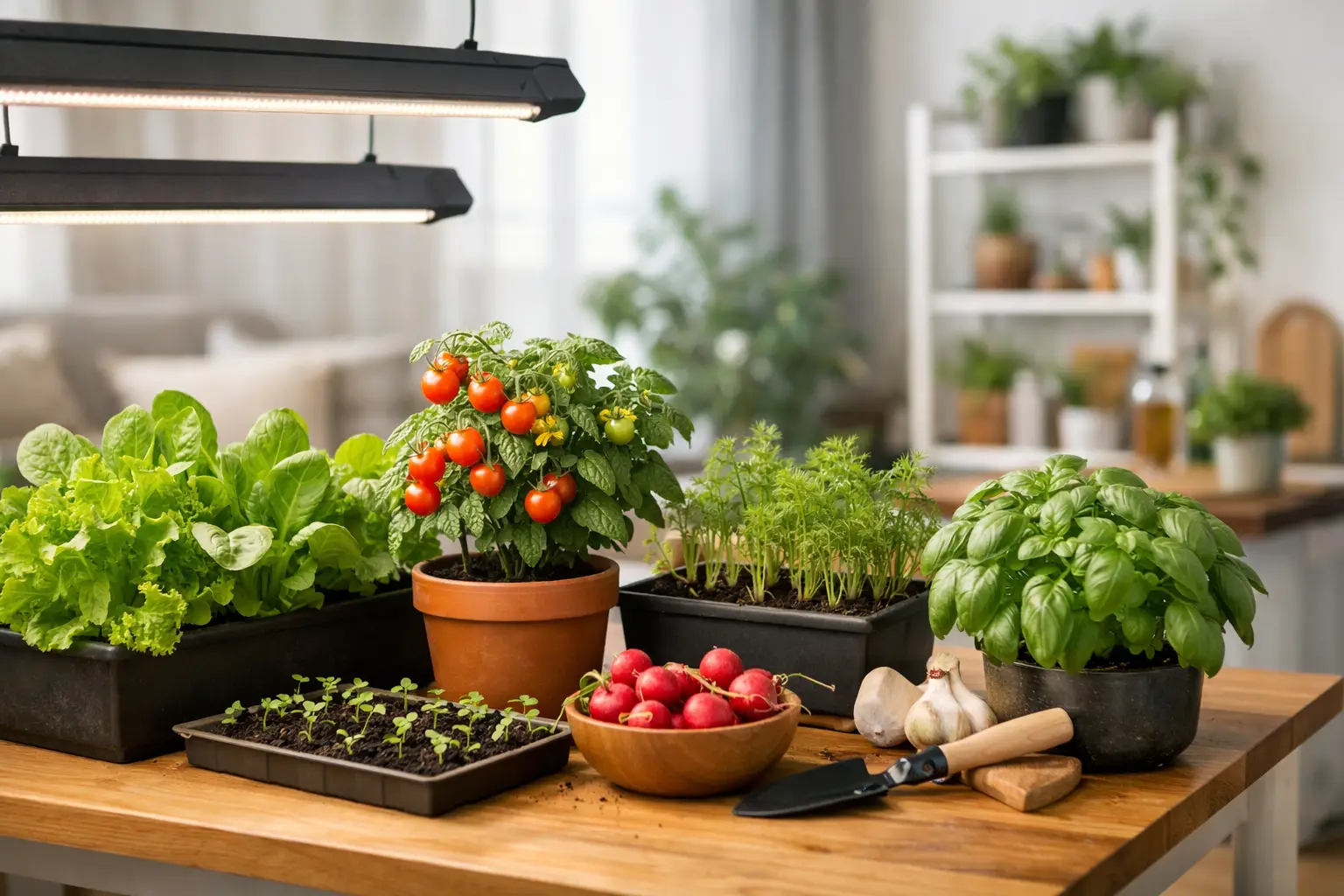
For most home gardeners, the sweet spot is starting small. A countertop setup with lettuce or basil is much easier than trying to grow a season’s worth of large fruiting crops right away.
The simplest systems for beginners
You do not need a big indoor farm to get started. Most home growers do best with one of three basic systems.
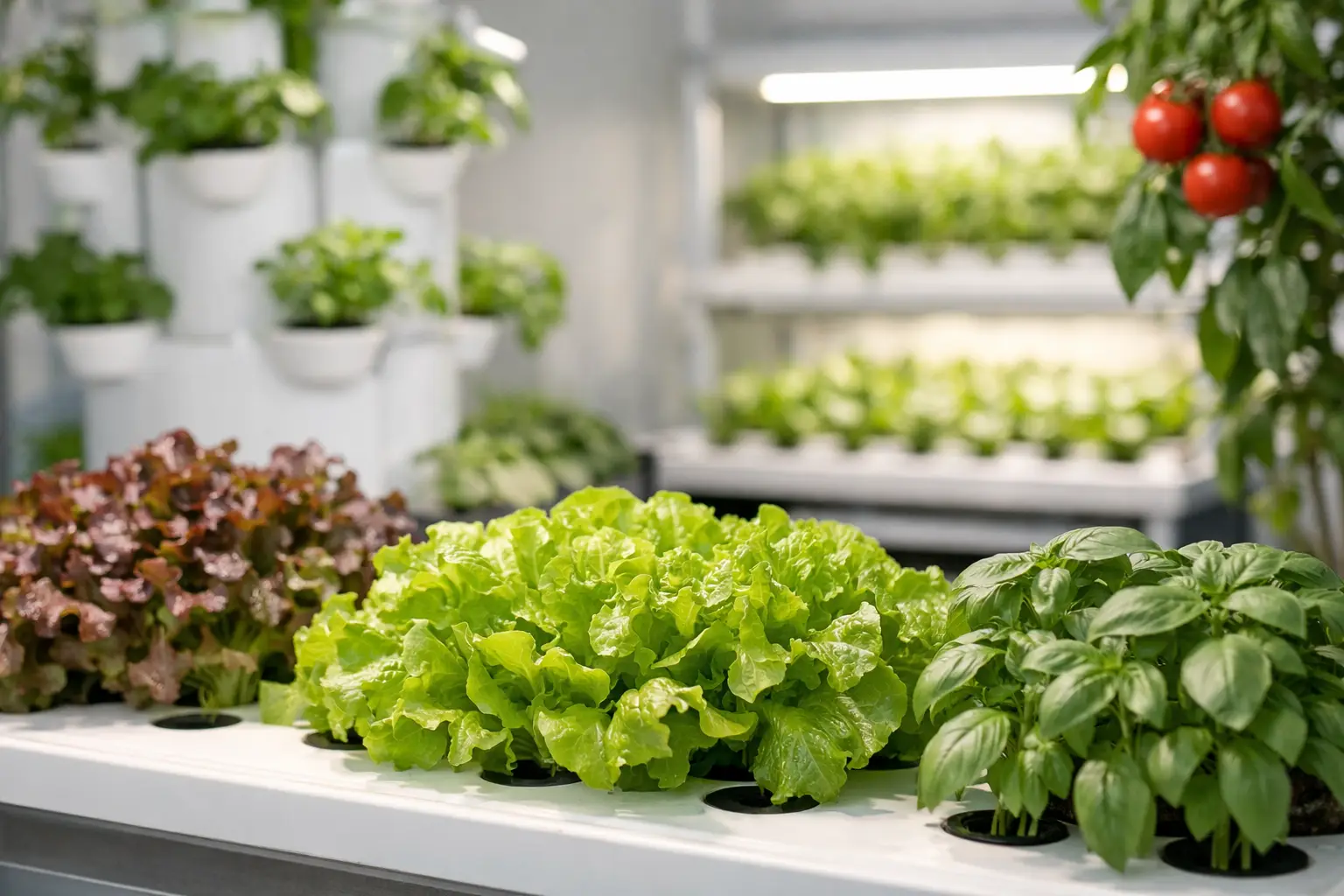
A jar or container system works well for herbs and leafy greens. The plant sits in a small net cup or support at the top, with roots reaching into nutrient water below. This is one of the most affordable ways to experiment.
A deep water culture setup is similar, but usually includes an air pump and air stone to keep oxygen moving through the water. That extra oxygen helps roots stay healthy and reduces the risk of rot. If you want something dependable for lettuce, spinach, or bok choy, this is a strong first step.
A nutrient film or circulating system is more advanced. Water moves continuously through channels or tubes, feeding several plants at once. These setups can be productive, but they need more monitoring and are not always the best choice for a first try.
If your goal is easy success, keep it simple. One or two containers, a bright spot or grow light, and a few fast-growing crops will teach you more than a complicated system ever will.
What replaces soil in hydroponics
Even when people talk about growing without soil, many hydroponic plants still need something to anchor their roots. This is called a growing medium. It does not feed the plant like soil does. It mostly provides support and helps manage moisture.
Common options include coconut coir, clay pebbles, rockwool, and perlite blends. Coconut coir is often appealing to gardeners who prefer a more natural feel, though it is usually used as support rather than as a full soil substitute in true hydro systems. Clay pebbles are reusable and tidy. Rockwool works well, but some home gardeners skip it because it feels less eco-friendly and can be irritating to handle.
The best choice depends on what you are growing and how simple you want cleanup to be.
Best vegetables to grow first
Not every vegetable is equally easy in a soil-free setup. Leafy greens are the friendliest place to begin because they grow quickly, stay relatively compact, and do not demand heavy feeding.
Lettuce is one of the best starter crops. It germinates fast, grows reliably, and gives you a clear read on whether your setup is working. Spinach can do well too, though it sometimes prefers cooler conditions. Kale, arugula, bok choy, and Swiss chard are all good choices if you want variety.
Herbs are also excellent for beginners. Basil, mint, parsley, and cilantro can thrive in hydroponic systems, though cilantro can be a little fussy in warm rooms.
Tomatoes, peppers, and cucumbers can be grown this way, but they need more light, more nutrients, and often more support. They are absolutely possible at home, just not always beginner-easy. If you are curious about hydroponics because you want a practical win, start with greens and move up from there.
Light matters more than most beginners expect
One of the biggest stumbling blocks has nothing to do with water or nutrients. It is light. A sunny window can work for some crops, especially if it gets several hours of direct sun, but many indoor spaces simply do not provide enough consistent light for vegetables.
Leafy greens can sometimes manage near a bright south-facing window. Fruiting plants almost always need supplemental grow lights if they are indoors. Without enough light, plants become pale, leggy, and slow-growing, no matter how well you manage the water.
This is where expectations matter. If you want a small kitchen harvest of lettuce and herbs, a modest setup may be enough. If you want baskets of tomatoes in winter, you will need stronger lighting and a bit more commitment.
Water and nutrients are the real growing engine
Since there is no soil to supply minerals, you need to add nutrients to the water. This is not the same as pouring in any fertilizer you already have on the shelf. Hydroponic nutrients are designed to dissolve fully and provide the balance plants need in water-based systems.
For beginners, a simple liquid or powdered hydroponic nutrient blend is easiest. Follow the label rates instead of guessing. More is not better here. Overfeeding can damage roots just as quickly as underfeeding can stall growth.
Clean water matters too. If your tap water is very hard or heavily treated, plants may struggle. Many home gardeners can still use tap water successfully, but if you notice white buildup, poor growth, or repeated nutrient issues, your water source may be part of the problem.
It also helps to refresh the nutrient solution regularly rather than topping it off forever. Fresh solution keeps salts from building up and gives plants a more stable environment.
Common mistakes when growing vegetables without soil
Most hydroponic problems come back to a few basics. The first is not enough oxygen around the roots. If roots sit in still, warm water without airflow, rot can show up fast. An air pump is often worth the small extra effort.
The second is crowding plants. Lettuce seedlings look tiny at first, and it is tempting to fit as many as possible into one container. Later, they compete for light and airflow, and everything suffers.
The third is trying to grow the wrong crop in the wrong setup. A mason jar herb garden is great for basil. It is not the right long-term home for a full tomato plant.
And then there is temperature. Most leafy vegetables prefer cooler conditions than many homes provide in summer. If your indoor space runs warm, choose crops that can handle it or grow during cooler months.
A natural gardener’s approach to hydroponics
If you garden organically outdoors, you may wonder whether hydroponics fits with a natural approach. It depends on how you define it. Hydroponics is not soil-based organic gardening, and many formal organic standards focus heavily on soil health. Still, home gardeners often choose hydroponics for very practical, eco-conscious reasons: less water waste, no need for bagged potting mix, fewer soil-borne pests, and fresh food grown close to home.
You can also make thoughtful choices within the system. Reuse containers when it is safe to do so. Choose durable equipment over disposable kits. Grow crops that save you repeated grocery trips. Keep the setup sized to what you will actually maintain.
That balanced approach tends to work better than chasing perfection. Gardening at home should feel doable, not like a science fair project that took over the dining room.
Is hydroponic vegetable growing worth it?
For many people, yes. If you have limited outdoor space, poor soil, mobility challenges, or just want a clean way to grow fresh greens indoors, hydroponics can be a very satisfying option. You may harvest faster, use less water, and avoid a lot of common soil-related issues.
At the same time, it is not magic. You trade digging and weeding for monitoring light, water, and nutrients. Some gardeners love that level of control. Others miss the rhythm and forgiveness of soil.
If you are curious, the best move is not to overthink it. Start with one small container, one easy crop, and one bright growing spot. A few leaves of homegrown lettuce from your own countertop can teach you a lot. And once you see healthy white roots stretching into clear water, the whole idea stops feeling strange and starts feeling like another good way to grow food at home.