You go out to check your zucchini, expecting another wave of fast-growing leaves, and instead you find pale, dusty patches spreading across the plant. Powdery mildew on zucchini leaves is one of those garden problems that seems to appear overnight, especially when the plants were looking perfectly fine a few days earlier.
The good news is that it usually is not the end of your harvest. Zucchini is vigorous, and if you catch the problem early, you can often slow it down enough to keep the plant producing. The key is knowing what you are looking at, why it happens, and which natural fixes are actually worth your time.
What powdery mildew on zucchini leaves looks like
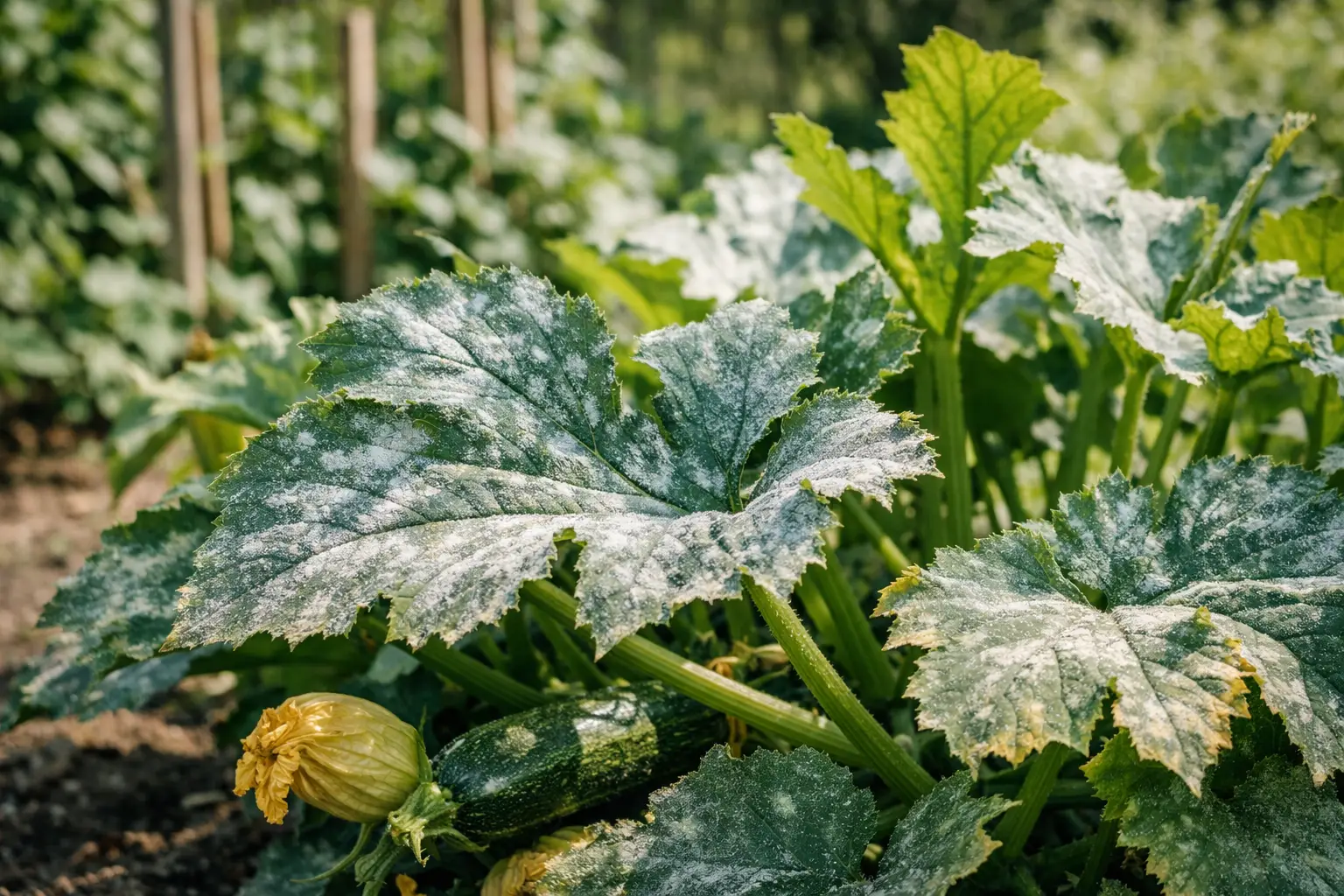
Powdery mildew usually starts as small white or grayish spots on the upper surface of older leaves. At first, it can look like someone dusted the leaf with flour. As it spreads, those spots join together and cover larger sections of the leaf.
On zucchini, that can be a little confusing because many varieties naturally have silver mottling on the leaves. Those silvery markings are part of the plant and usually look smooth and even, almost like the color is built into the leaf. Powdery mildew sits on the surface. It looks fuzzy or chalky, and if you rub it gently, some of it may come off on your fingers.
As the infection gets worse, leaves begin to yellow, dry out, and collapse. The plant can still make fruit for a while, but with less healthy leaf area, it has a harder time fueling production.
Why zucchini gets powdery mildew so often
Zucchini seems to be a magnet for this disease, and there is a simple reason for that. It grows fast, makes a lot of dense foliage, and often reaches the point in summer when warm days, cooler nights, and crowded leaves create ideal conditions for fungal spread.
Despite the name, powdery mildew does not need soaking wet leaves the way many other fungal diseases do. It thrives in humid air and poor airflow, which is why big, leafy squash plants are such easy targets. A plant tucked too closely into a raised bed or container can develop it faster than one with more breathing room.
Stressed plants are also more vulnerable. Inconsistent watering, tired soil, or a plant that has simply been producing heavily for weeks may not have much resilience left. Sometimes powdery mildew shows up late in the season no matter what you do. That does not mean you failed. It often means the plant is reaching the natural point where disease pressure catches up.
Is it still safe to eat the zucchini?
Yes, the fruit is usually still fine to eat as long as it is healthy and not rotting. Powdery mildew affects the leaves far more than the zucchini itself. If the fruit looks normal, wash it well and use it as you normally would.
That said, badly infected plants may produce less, and the zucchini may stay smaller because the plant has less energy. If fruit quality starts slipping along with heavy leaf damage, it may be time to harvest what you can and let the plant go.
How to treat powdery mildew on zucchini leaves naturally
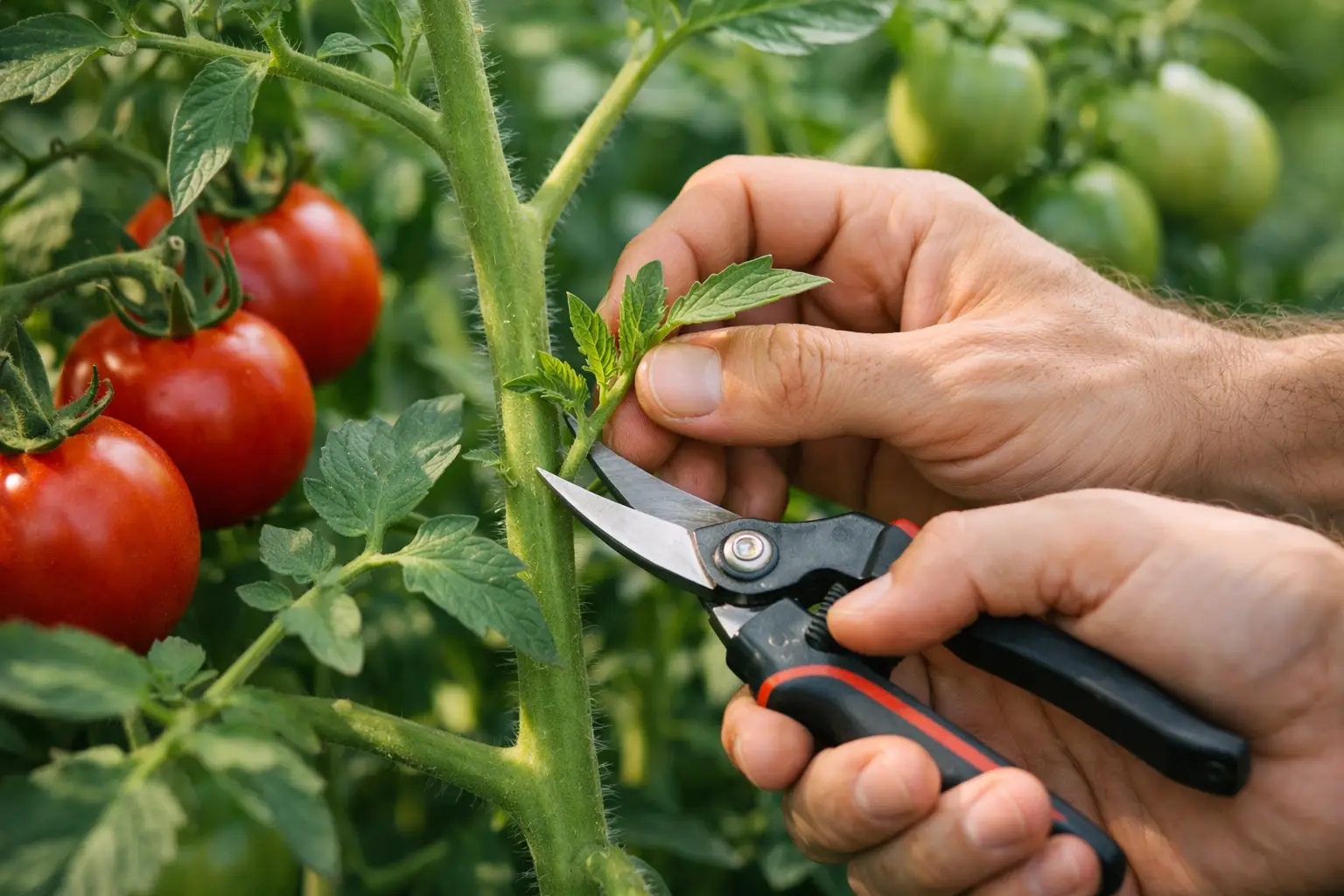
If only a few leaves are affected, start simple. Remove the worst leaves, especially older ones with heavy white coverage. Use clean pruners and avoid taking so much foliage that the fruits are suddenly exposed to harsh sun. A little thinning helps airflow. Too much at once stresses the plant.
After pruning, dispose of infected leaves in the trash rather than composting them if your compost pile does not get hot. That small step can help reduce future spread.
For active treatment, many home gardeners have the best luck with gentle organic sprays used consistently rather than one dramatic fix. Neem oil can help, especially early on, but it works better as a management tool than a miracle cure. Potassium bicarbonate products are also commonly used in organic gardening and can be more effective at stopping the fungus from spreading across healthy tissue.
If you use any spray, cover both the tops and undersides of the leaves and apply in the early morning or evening, not in the heat of the day. Always follow label directions. Even natural products can burn leaves if they are applied too heavily or under strong sun.
Homemade remedies get mixed results. Some gardeners swear by milk sprays or baking soda mixtures. Sometimes they help. Sometimes they do very little, and baking soda in particular can build up or damage leaves if the mix is too strong. If you want something reliable, a labeled organic fungicidal product is usually the better bet.
What not to do when mildew shows up
The most common mistake is waiting too long because the plant is still producing. It is easy to ignore a few white spots when zucchini is coming in fast, but powdery mildew rarely stays small for long.
Another mistake is overhead watering late in the day. While powdery mildew does not require wet leaves to spread, keeping the plant damp overnight adds stress and can invite other problems too. Water the soil, not the foliage, and try to do it early.
It also helps to resist the urge to drench the plant with every remedy you have heard about. Mixing oils, soaps, and homemade sprays can backfire. Pick one approach, use it carefully, and watch how the plant responds.
How to prevent powdery mildew on zucchini leaves next time
Prevention starts before the first white patch appears. Give zucchini more space than you think it needs. Those young transplants look tiny in spring, but by midsummer they can become a wall of leaves. Better spacing means better air movement, which goes a long way.
Water consistently at the base of the plant so it does not swing between drought stress and overwatering. Healthy, steady growth helps the plant hold up longer under disease pressure. Mulch can help here by keeping soil moisture more even and reducing splash from the soil.
It also helps to keep up with light pruning through the season. Removing a few aging leaves near the base can improve airflow before disease takes hold. You do not need to shape zucchini like tomatoes, but a little cleanup matters.
If powdery mildew is a recurring issue in your garden, look for resistant zucchini varieties when you plant. Resistance does not mean immunity, but it often means a slower onset and a longer harvest. In humid or mildew-prone areas, that difference can be substantial.
Crop rotation helps too, although with airborne mildew spores, rotation alone is not a perfect fix. Still, not planting squash in the exact same spot year after year is a smart habit for overall garden health.
When it makes sense to pull the plant
Sometimes the best answer is not more treatment. If the plant is mostly covered, leaves are collapsing, and production has slowed to a trickle, pulling it out may be the cleaner choice. This is especially true late in the season when the plant has already given you a good harvest.
There is no prize for keeping a miserable zucchini alive another two weeks. In many home gardens, removing a spent plant opens up room, improves airflow for nearby crops, and makes the whole space easier to manage.
If you still have plenty of growing season left, you may even be able to start a fresh zucchini planting, depending on your climate. That option is often more appealing than babysitting a severely infected plant that is already running out of steam.
A practical rhythm that works
When powdery mildew first appears, think in terms of routine rather than rescue. Check the plant every couple of days. Remove the worst leaves. Water steadily. Apply your chosen organic treatment on schedule. Watch the newer leaves more than the damaged ones, because the goal is to protect fresh growth and keep the plant going.
That mindset helps take the panic out of the problem. Powdery mildew on zucchini leaves is common, frustrating, and very manageable in many cases. You do not need a perfect garden to keep harvesting zucchini. You just need a steady hand, a little observation, and the willingness to let a summer plant be a summer plant when it starts showing its age.
If your zucchini gets powdery mildew this year, treat it as useful garden experience, not a defeat. Every season teaches you something, and sometimes the lesson is simply how to spot trouble earlier and respond with less fuss next time.