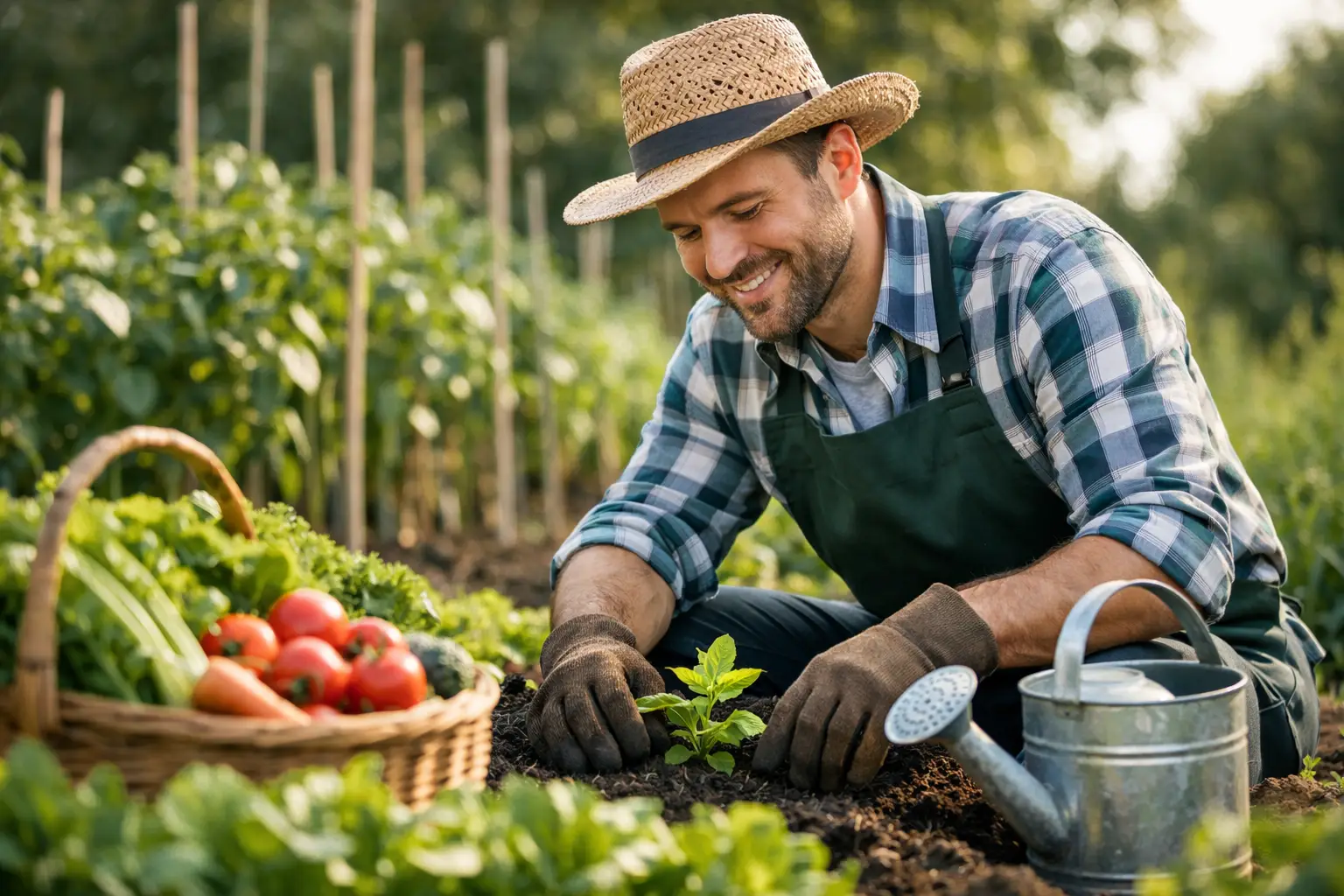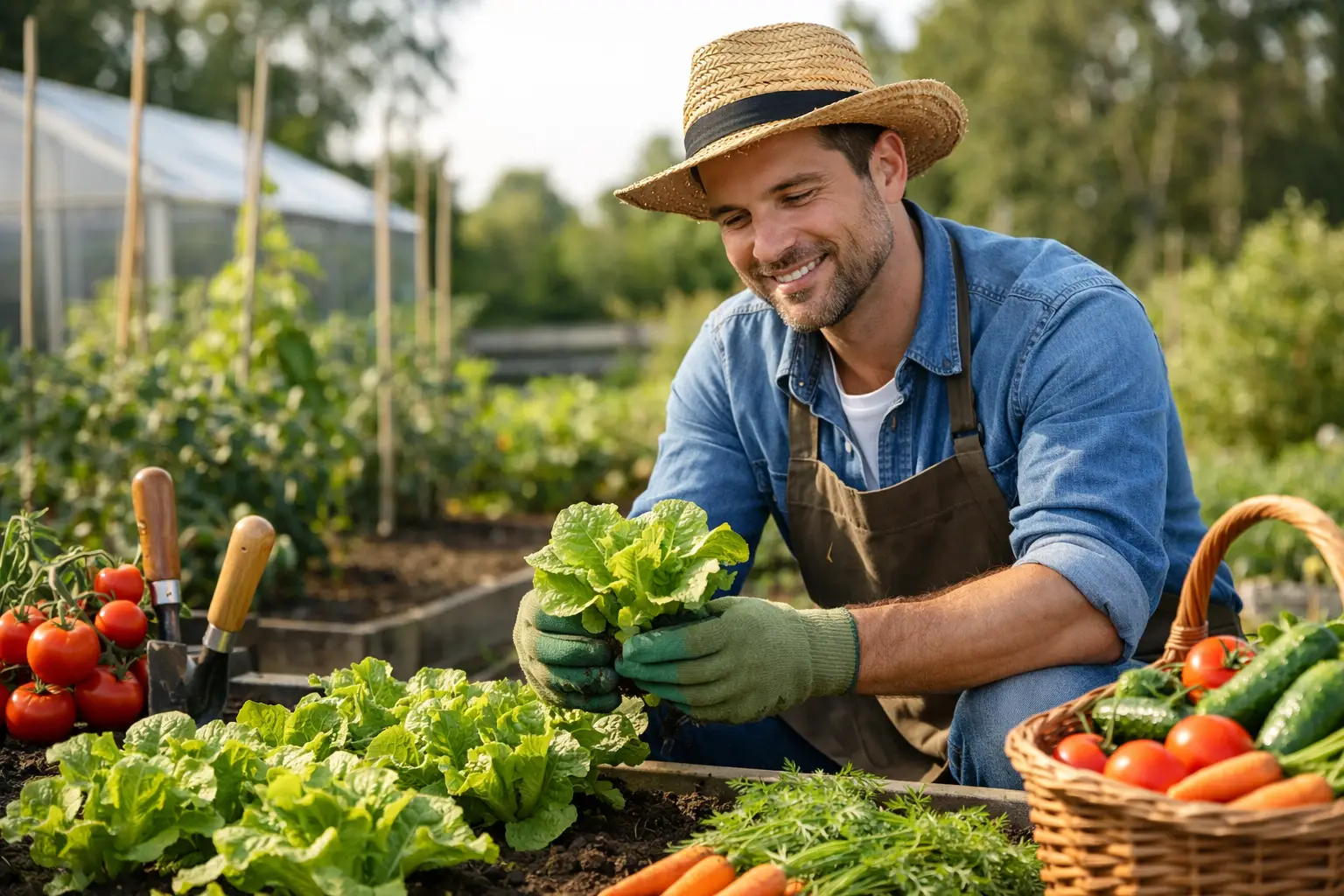
Most people start organic gardening right after a bad experience – tomatoes that split overnight, herbs covered in aphids, or a product label that sounds more like a chemistry exam than something you want near your dinner. If you’re wondering how to organic garden without making it complicated, the good news is that the basics are simpler than they look. Healthy plants come from healthy soil, steady care, and a willingness to work with nature instead of trying to overpower it.
That’s also why organic gardening tends to get easier over time. You are not just feeding plants for one season. You are building a little ecosystem in your yard, raised bed, or patio containers. Once that system starts doing some of the work for you, gardening feels less like putting out fires and more like keeping a good routine.
How to organic garden starts with soil
If there is one place to focus your energy, make it the soil. New gardeners often spend too much time worrying about fertilizers and not enough time thinking about what roots are growing in. In an organic garden, soil is not just dirt. It is a living mix of minerals, organic matter, moisture, air, worms, fungi, and bacteria that all support plant growth.
Start by adding compost. It improves drainage in heavy clay, helps sandy soil hold moisture longer, and feeds the biology that makes nutrients available to plants. Bagged compost is fine if you are just getting started, and homemade compost is great if you have it. You do not need to overthink it. A couple inches worked into a new bed or added around existing plants makes a real difference.
It also helps to avoid the common urge to fix everything fast. Organic gardening is usually slower than using synthetic fertilizers, but that slower pace often gives you stronger, steadier growth. Quick green growth can look impressive, but soft, overfed plants are often the first to attract pests and disease.
Pick the right spot before you plant
Sunlight decides a lot more than people expect. Most vegetables need at least six to eight hours of direct sun to produce well. Leafy greens can handle a bit less, especially in hot climates, but fruiting crops like tomatoes, peppers, squash, and cucumbers really need strong light.
Watch your yard for a day before you build beds or fill containers. A spot that feels sunny in the morning may be in shade by afternoon. Trees, fences, and even your house can cut productive light more than you think. If your space is limited, grow what fits the conditions instead of forcing crops that will struggle.
This is where organic gardening stays practical. If you only have part sun, grow lettuce, kale, parsley, mint, and chard. If you have a bright patio, containers may outperform a half-shaded garden bed. Success matters more than sticking to an ideal setup.
Grow what you actually want to eat
One of the easiest ways to stay motivated is to plant crops you will be excited to harvest. That sounds obvious, but plenty of gardens end up full of zucchini and no one in the house even likes zucchini that much. Start with a few useful favorites – maybe tomatoes, basil, lettuce, peppers, green beans, or cucumbers – and do those well.
It is also smart to choose plants that match your season. In many parts of the US, spring and fall are better for greens, peas, carrots, and broccoli, while summer is best for heat lovers like tomatoes and okra. Organic methods work best when plants are already suited to their conditions. A stressed plant always needs more help.
If you are a beginner, buy sturdy seedlings for your first season instead of starting everything from seed. Seeds are affordable and satisfying, but transplants can remove a lot of early frustration. There is no prize for doing every step the hard way.
Water deeply, not constantly
A lot of plant problems are really watering problems in disguise. Organic gardens do best with deep, steady watering that encourages roots to grow down into the soil. Frequent shallow watering keeps roots near the surface, where plants dry out faster and become more vulnerable during hot weather.
As a general rule, water the soil rather than the leaves and try to water early in the day. Soaker hoses and drip irrigation are helpful because they reduce waste and keep foliage drier, but a regular hose works too if you are consistent. Containers dry out faster than in-ground beds, so they usually need more frequent checks.
Mulch makes this much easier. A layer of straw, shredded leaves, or untreated wood chips helps hold moisture, cools the soil, and slows weeds. It is one of those simple organic habits that saves work almost immediately.
Feed plants the natural way
Once your soil is improving, feeding becomes much less dramatic. Compost does a lot of the heavy lifting, but heavy feeders like tomatoes, squash, and corn often need extra nutrition during the season. Organic fertilizers such as fish emulsion, kelp meal, alfalfa meal, bone meal, or balanced granular blends can all help, depending on what you are growing.
The trick is not to treat every yellow leaf like an emergency. Sometimes the plant is hungry. Sometimes it is too wet, too dry, root-bound, crowded, or simply aging normally. Organic gardening teaches patience because the right fix depends on the real problem.
If you use packaged organic fertilizer, follow the label but stay moderate. More is not always better. Overfeeding can still create weak growth, even with natural products.
Natural pest control works best early
The biggest myth about organic gardening is that it means doing nothing while bugs eat your plants. Really, it means using smarter, lower-impact methods first. The goal is balance, not perfection.
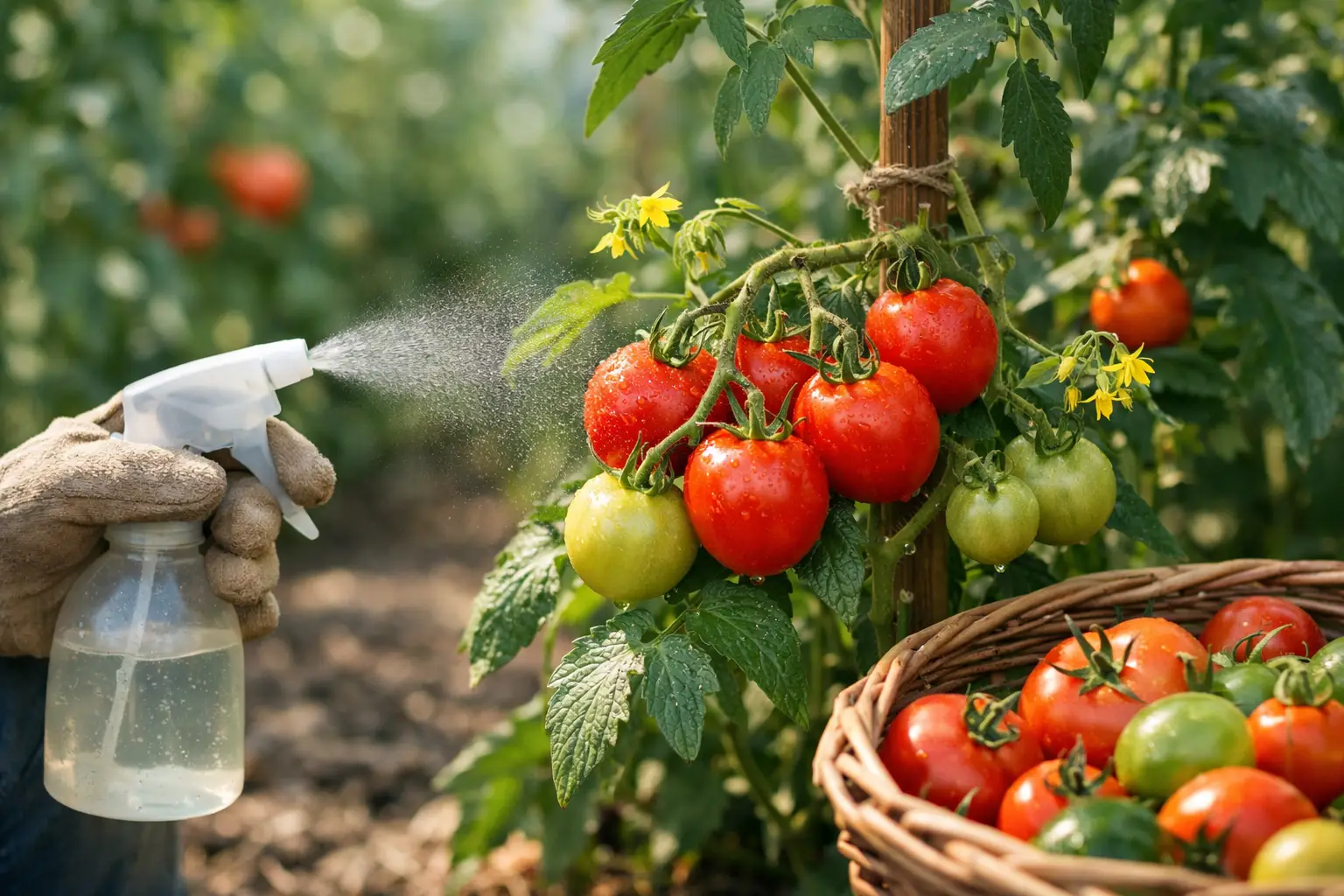
Check plants often, especially under leaves and around new growth. Small pest problems are much easier to manage than full-blown infestations. Hand-picking hornworms, spraying aphids off with water, using insecticidal soap for soft-bodied insects, and covering young crops with row covers are all practical organic options.
It also helps to make your garden attractive to beneficial insects. Flowers like dill, alyssum, calendula, and zinnias can bring in pollinators and predators that help keep pest populations down. Not every bug in the garden is an enemy, and spraying too quickly can wipe out the helpers along with the problem.
There are trade-offs here. If you want flawless leaves, organic gardening may feel frustrating at times. A few holes in kale or a nibbled bean leaf are often part of the deal. The better question is whether the plant is still growing well and producing enough food to be worth it. Usually, it is.
Weeds, disease, and other normal garden headaches
Weeds are easiest to handle when they are small. Pull them after rain or watering, mulch heavily, and do a little often instead of waiting for a jungle. That steady approach fits organic gardening well because you are preventing competition without reaching for herbicides.
For disease, spacing matters more than many gardeners realize. Tomatoes packed too tightly stay damp longer and invite trouble. Good airflow, watering at the base, and removing badly infected leaves can prevent bigger issues later. Crop rotation helps too, especially if you grow vegetables in the same beds every year.
Sometimes a plant still fails, and that does not mean you are bad at gardening. Weather shifts, pest pressure, poor timing, and variety choice all matter. Organic gardens are resilient, but they are not magic. Learning what struggles in your space is part of building a better one.
How to organic garden in small spaces
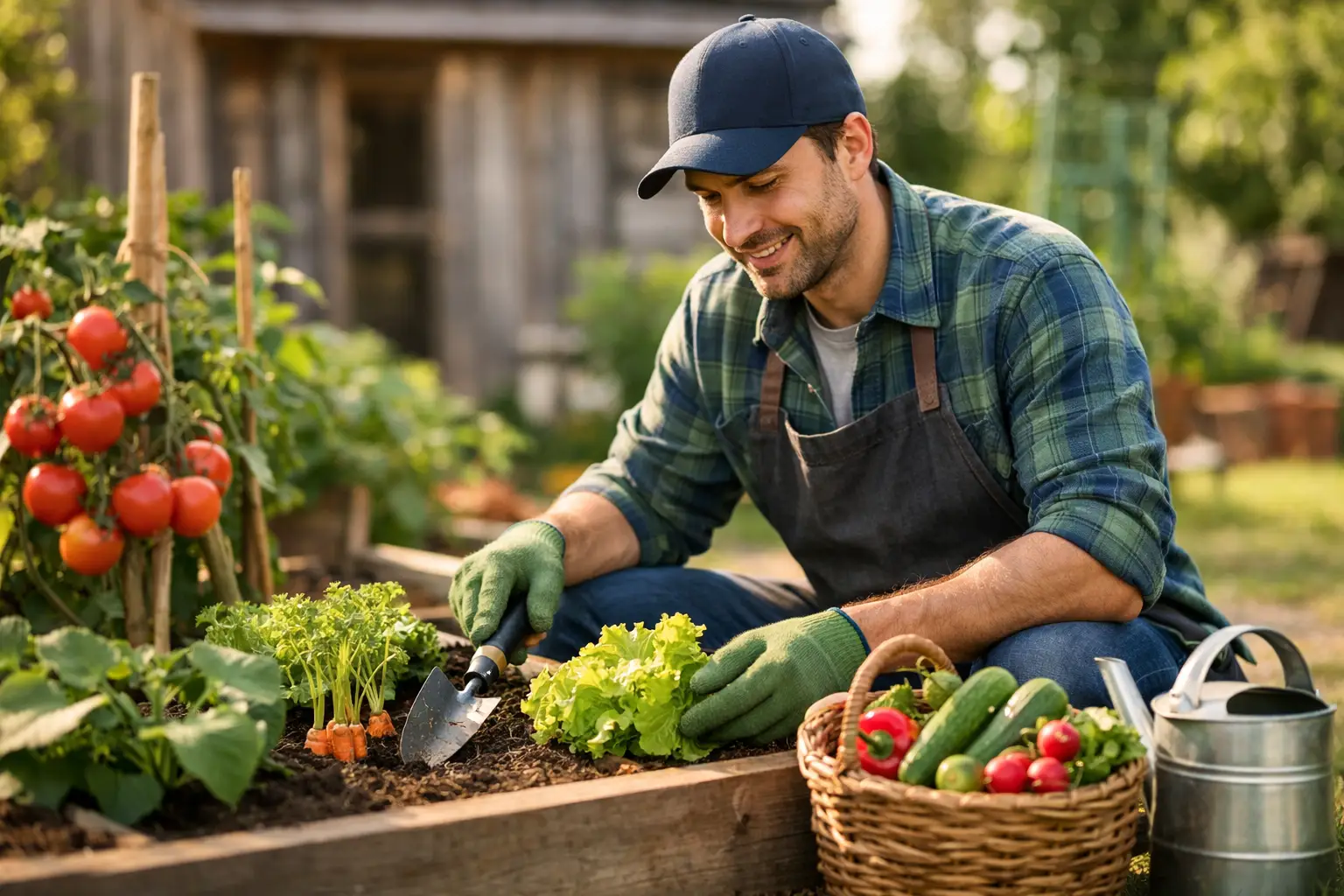
You do not need a big backyard to grow organically. A few containers on a patio can produce herbs, peppers, cherry tomatoes, lettuce, and even bush beans. Raised beds are also great for organic methods because you can control the soil more easily from the start.
The main thing in smaller spaces is not to overcrowd. Plants need more room than they appear to when they are tiny. Give them airflow, use quality potting mix in containers rather than yard soil, and keep up with watering because pots can dry quickly in summer.
If you want to keep things simple, start with one bed or three to five containers and build from there. A manageable garden gets better care than an oversized one that feels overwhelming by June.
Build habits, not a perfect garden
The gardeners who stick with organic methods are usually not the ones chasing perfection. They are the ones who get into the habit of checking moisture, topping up mulch, watching for pests, and adding compost when seasons change. Those small routines prevent the big disasters.
That is the real answer to how to organic garden. You start with good soil, choose plants that fit your space, water consistently, and solve problems early with natural methods. Then you keep going long enough to notice that your garden is getting stronger, your decisions are getting easier, and you are not relying on harsh shortcuts to make things grow.
If you want a garden that feels healthy to work in and good to harvest from, start small, stay observant, and let this season teach you the next one.