If your tomatoes looked tired last summer or your lettuce never really took off, the problem may have started before you planted a single seedling. Soil preparation for vegetable gardens is where a good season begins. Healthy soil does more than hold roots in place – it manages water, feeds microbes, and gives vegetables the steady support they need to grow strong without constant fixing.
A lot of gardeners are told to just add compost and call it good. Compost helps, absolutely, but great garden soil usually comes from a few simple steps done in the right order. Once you understand what your soil needs, the work gets easier, and your plants tend to reward you for it.
Why soil prep matters more than most gardeners think
Vegetables are hungry, fast-growing plants. They are not especially forgiving when soil is compacted, low in organic matter, or constantly swinging between soggy and bone dry. You can buy healthy starts, water on schedule, and still end up disappointed if the bed underneath them is struggling.
Good soil prep improves three things at once: structure, fertility, and biology. Structure affects how roots move through the soil and how well water drains. Fertility supplies nutrients. Biology brings the whole system to life, with worms and microorganisms helping break organic matter into forms plants can actually use.
That is why two gardens can get the same sun and water but produce very different harvests. One has soil that works with the plants. The other makes them fight for every inch.
Start with what you already have
Before you add anything, take a close look at your soil. Pick up a handful when it is slightly moist. Sandy soil feels gritty and falls apart fast. Clay soil feels sticky and can be shaped easily. Loamy soil feels soft and crumbly and usually lands in the sweet spot for vegetable growing.
This matters because the right fix depends on the starting point. Sandy soil needs help holding moisture and nutrients. Clay soil needs better drainage and more air space. Most home gardens are somewhere in between, which is good news. Soil does not need to be perfect. It just needs to be improved steadily.
If you want clearer answers, a basic soil test is worth it. It can tell you pH levels and whether key nutrients are low or excessive. That saves money and guesswork, especially if you have been adding products year after year without knowing what the soil actually needs.
Soil preparation for vegetable gardens starts with clearing and loosening
Once you know what you are working with, clear the bed. Pull weeds, remove old roots, and rake away any plant debris that could carry disease into the next season. If last year’s plants were healthy, some chopped residue can go into compost. If they struggled with blight or mildew, it is better to remove that material from the bed.
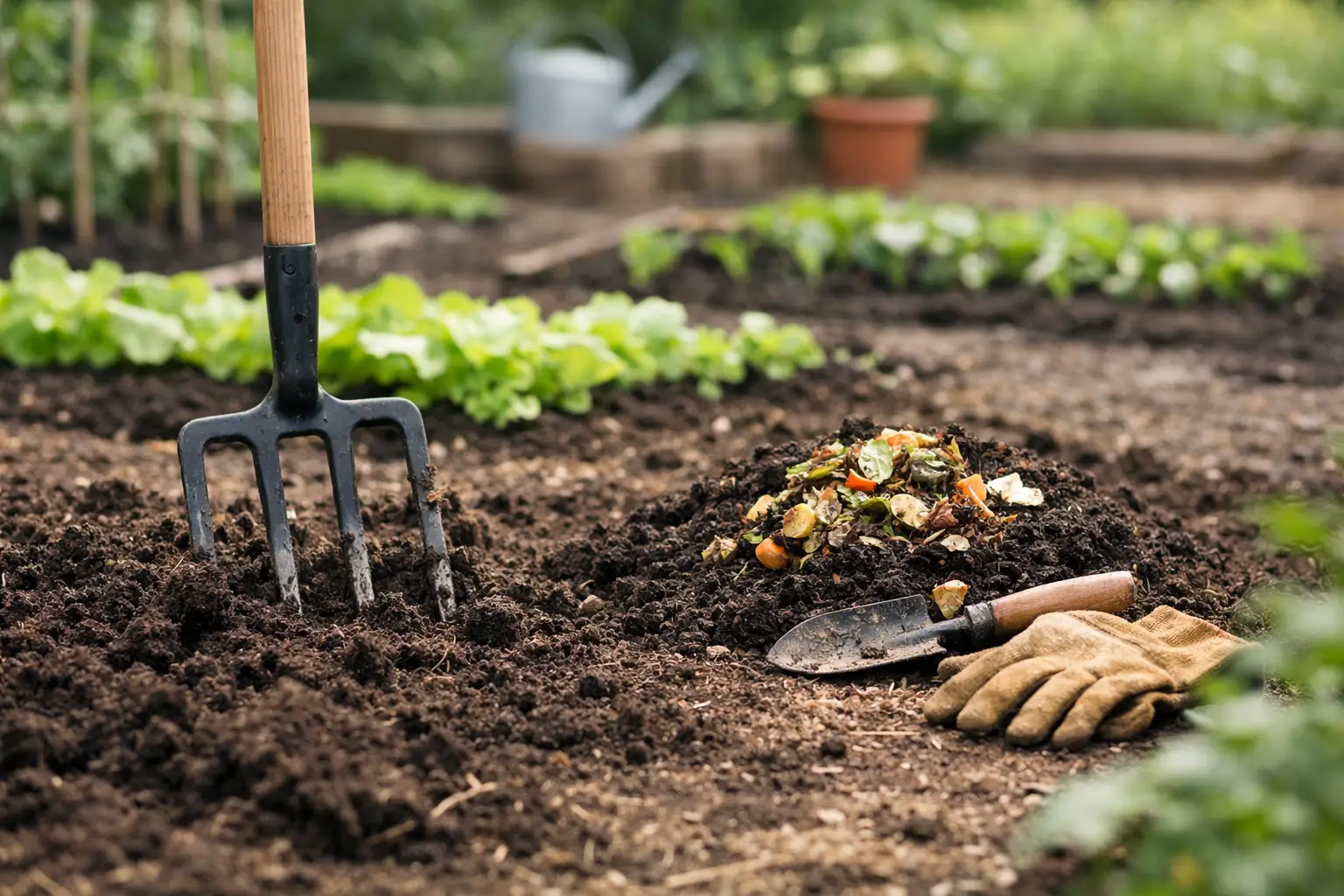
Next, loosen the soil. This step depends on your setup. In a new in-ground bed, you may need to work down 8 to 12 inches, especially if the ground is compacted. In an established bed, gentler is better. A garden fork or broadfork can loosen the soil without flipping all the layers upside down.
That trade-off matters. Heavy tilling can give you a quick fluffy surface, but it also disrupts soil life and can bring buried weed seeds right up to the light. If your soil is hard as brick, some initial digging may be necessary. After that, less disturbance usually leads to healthier soil over time.
Add organic matter, but be thoughtful about it
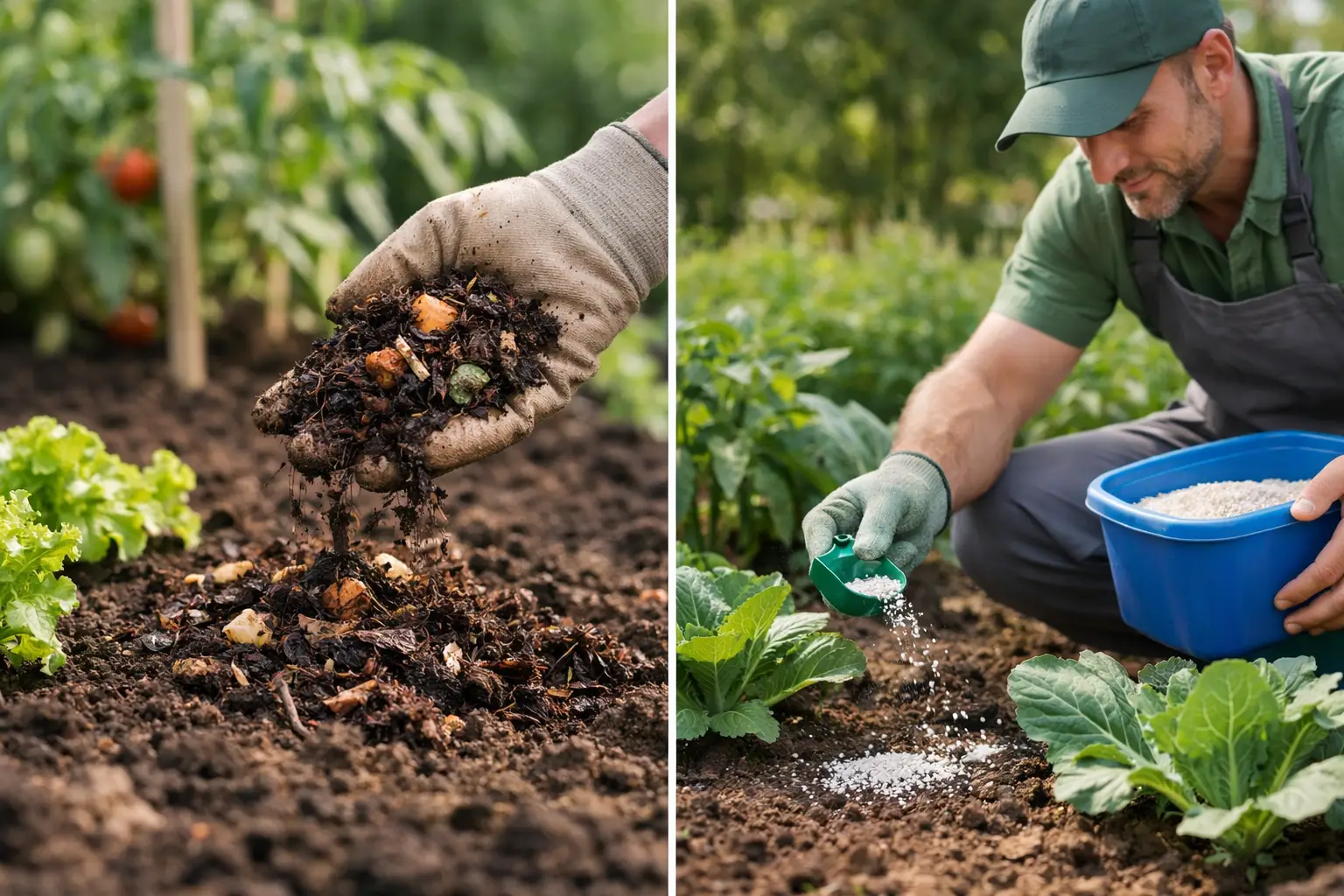
If there is one habit that improves almost every vegetable garden, it is adding organic matter regularly. Finished compost is the go-to choice because it improves texture, feeds soil organisms, and adds a gentle supply of nutrients without the harsh push of synthetic fertilizers.
Spread 2 to 3 inches of compost over the bed and work it into the top few inches of soil, or leave some near the surface in no-dig beds. Both methods can work. Mixing is useful when soil is poor or compacted. Top-dressing works well when your soil is already in decent shape and you want to protect the structure you have built.
You can also use aged leaf mold, well-rotted manure from trusted sources, or homemade compost. Fresh manure is not a good shortcut in vegetable beds, especially around crops you will harvest soon. It can burn plants, carry pathogens, and throw off the nutrient balance.
One caution here: more is not always better. If you pile on rich amendments every season without a plan, you can end up with too much phosphorus or overly lush growth that attracts pests. Organic gardening works best when it is steady, not excessive.
Check drainage and bed shape before planting
A bed can be fertile and still perform badly if water sits too long after rain. Most vegetables like consistent moisture, but very few enjoy soggy roots. If your soil stays wet for days, raised rows or raised beds can make a real difference.
This is especially helpful in areas with heavy clay or spring rains. Even lifting the growing area by a few inches can improve drainage enough to keep roots healthier. On the other hand, if you garden in a hot, dry climate with sandy soil, very tall raised beds may dry out faster than you want. In that case, lower beds with lots of compost may be easier to manage.
Shaping the bed before planting also helps with watering later. Smooth the surface, break up big clods, and avoid creating hard channels where water runs off instead of soaking in.
Get pH and nutrients into a workable range
Most vegetables do best in slightly acidic to neutral soil, roughly between 6.0 and 7.0. If your soil is far outside that range, plants can struggle to take up nutrients even when those nutrients are present.
A soil test is the cleanest way to know whether lime, sulfur, or specific amendments are needed. Without a test, it is easy to chase symptoms and make the soil less balanced. Yellow leaves, for example, are not always a nitrogen problem. Sometimes the issue is poor drainage, cold soil, or a pH mismatch.
For general fertility, many home gardeners do well with compost plus a balanced organic fertilizer at planting time. Slow-release organic blends are helpful because they feed plants gradually and support soil life rather than flooding roots all at once. Heavy feeders like tomatoes, peppers, squash, and corn usually need more fertility than carrots, beans, or herbs.
That said, avoid the urge to front-load everything. Too much nitrogen early on can give you big leafy plants and fewer fruits. It depends on the crop and on what is already in the soil.
Don’t forget mulch after the soil is ready
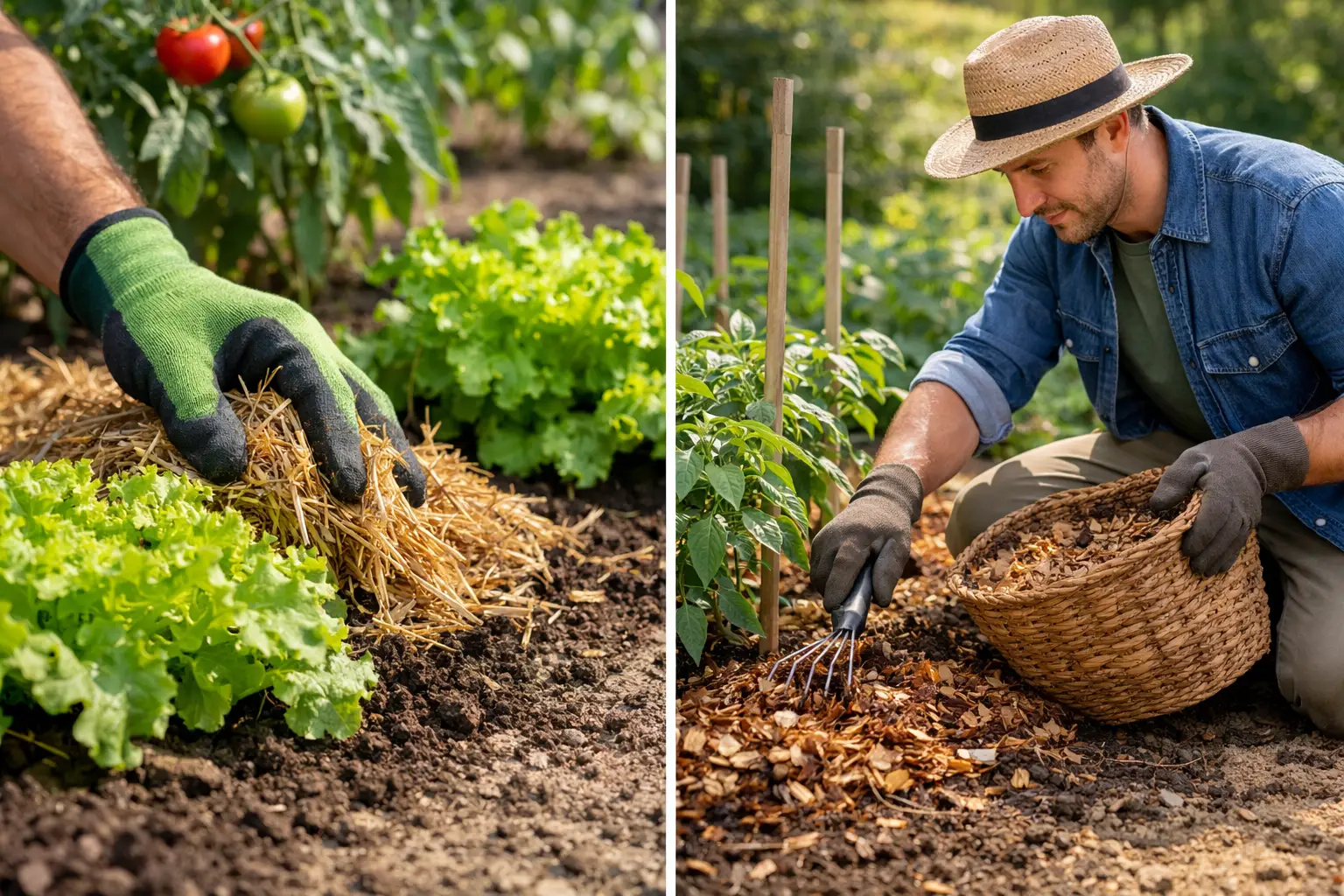
Mulch is often treated like a finishing touch, but it is really part of soil care. Once seedlings are established or transplants are settled in, a layer of straw, shredded leaves, or untreated grass clippings can help hold moisture, reduce weeds, and keep soil from crusting over.
This matters more than people expect. Bare soil loses water faster, heats up unevenly, and gets compacted by rain. Mulch softens all of that. It also breaks down over time and feeds the soil little by little.
Just keep mulch a small distance away from plant stems so you do not trap too much moisture right where rot and pests like to hang out.
A few common mistakes to avoid
The biggest one is working the soil when it is too wet. If you squeeze a handful and it stays in a sticky lump, wait. Digging wet soil, especially clay, can wreck the structure you are trying to improve.
Another common mistake is treating every bed the same. A raised bed that has been amended for years does not need the same overhaul as a brand-new patch carved out of lawn. One may only need compost and a light loosening. The other may need deeper work, weed removal, and time.
And finally, do not expect one weekend of effort to fix everything forever. Good soil is built season by season. That may sound slow, but it is actually encouraging. You do not need perfection to grow a productive vegetable garden. You just need to keep moving the soil in the right direction.
At thenaturalgardner, we have seen this again and again: when gardeners focus less on quick fixes and more on feeding the soil, everything else gets simpler. Plants handle stress better. Watering becomes more forgiving. Harvests get more reliable.
If you are standing in front of a bare bed wondering where to begin, start with the soil under your feet. A few thoughtful changes now can carry your whole garden further than any last-minute fertilizer ever will.