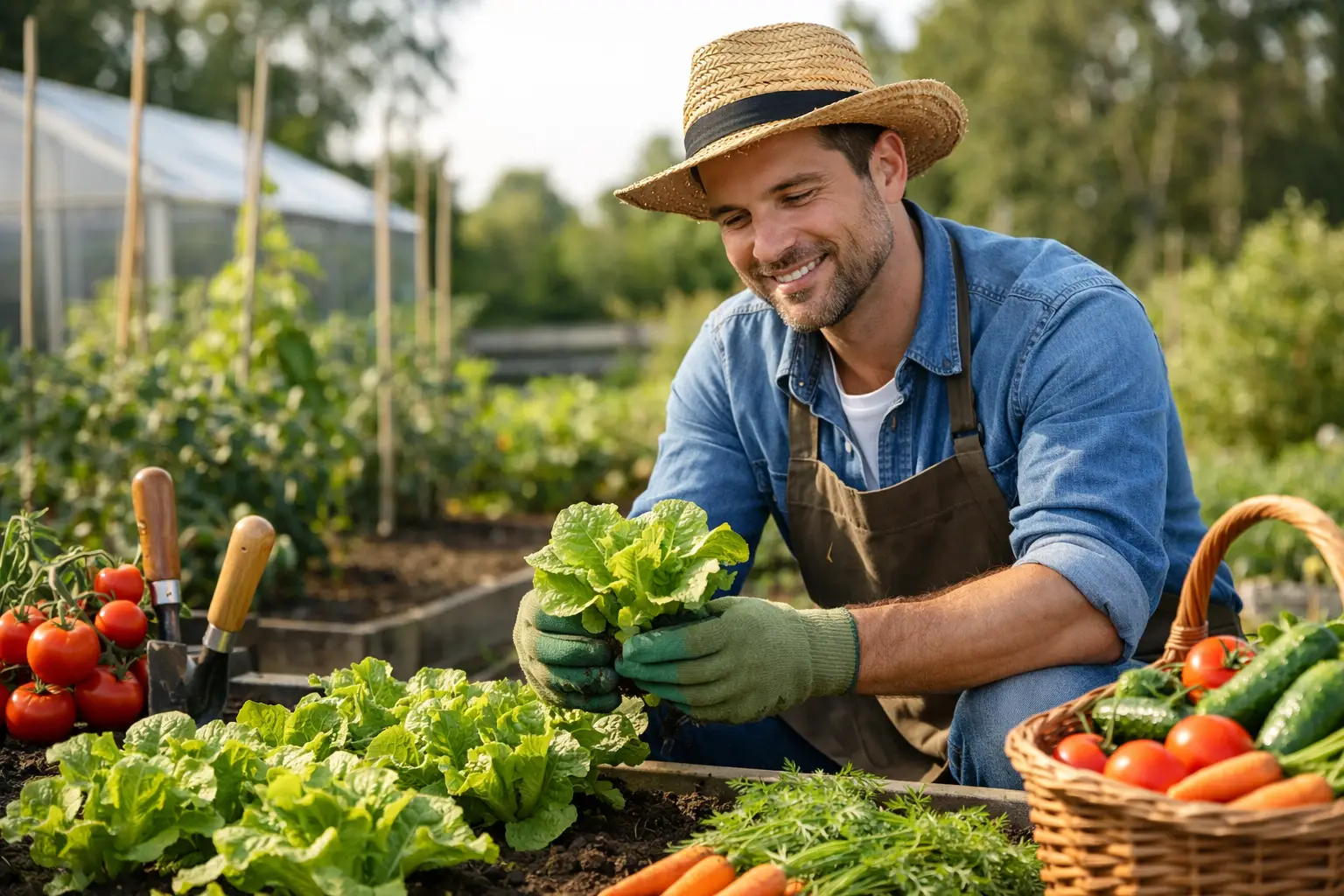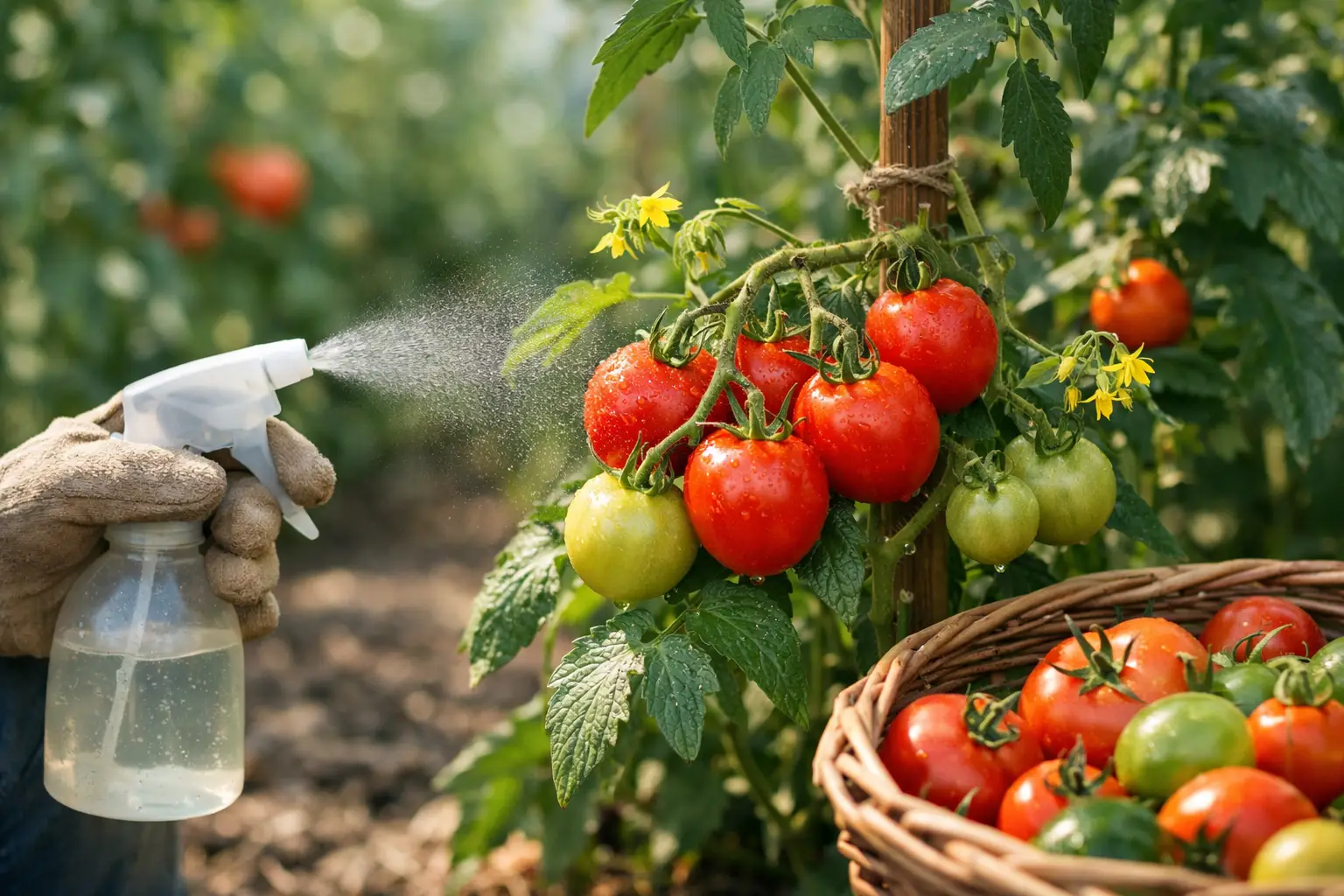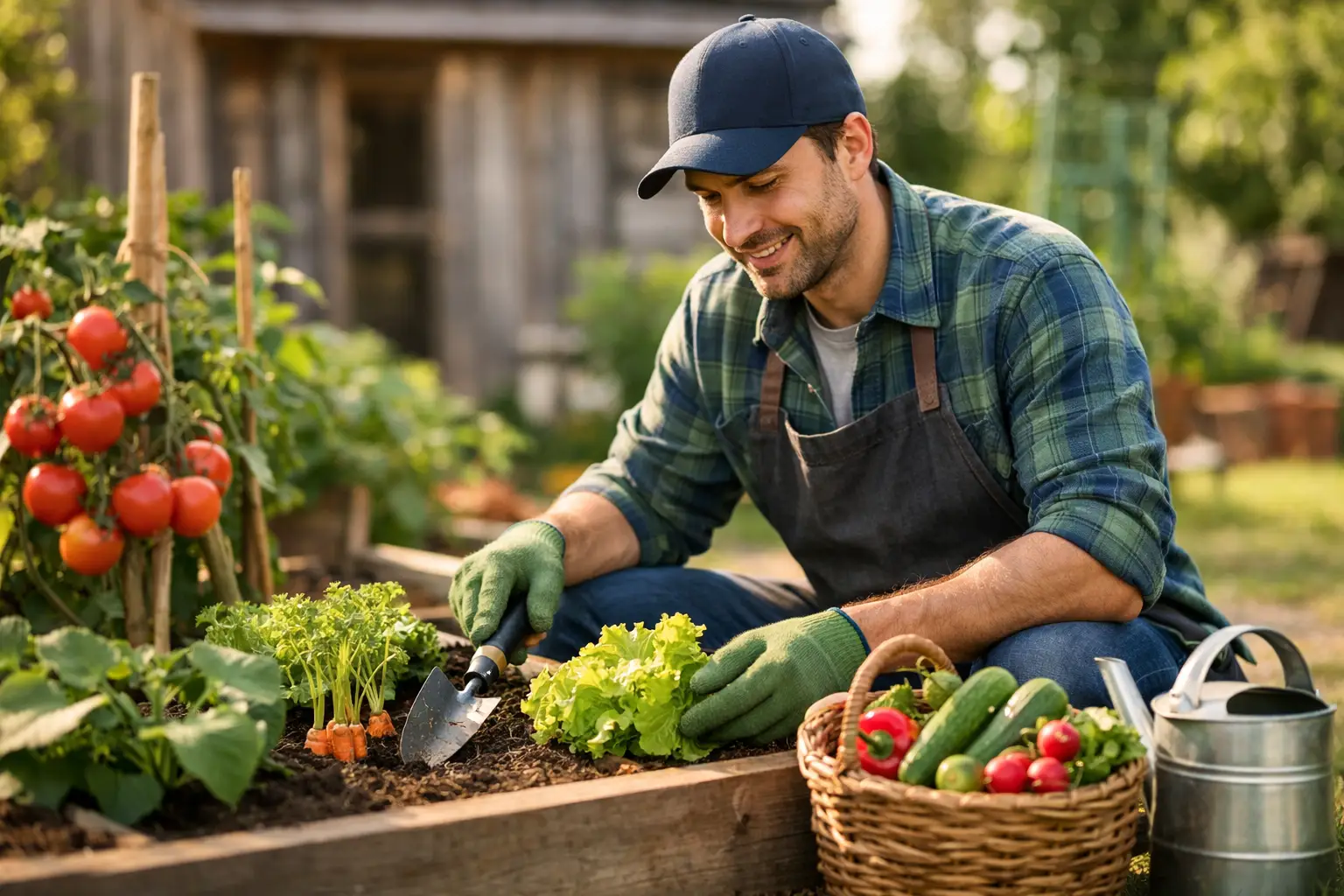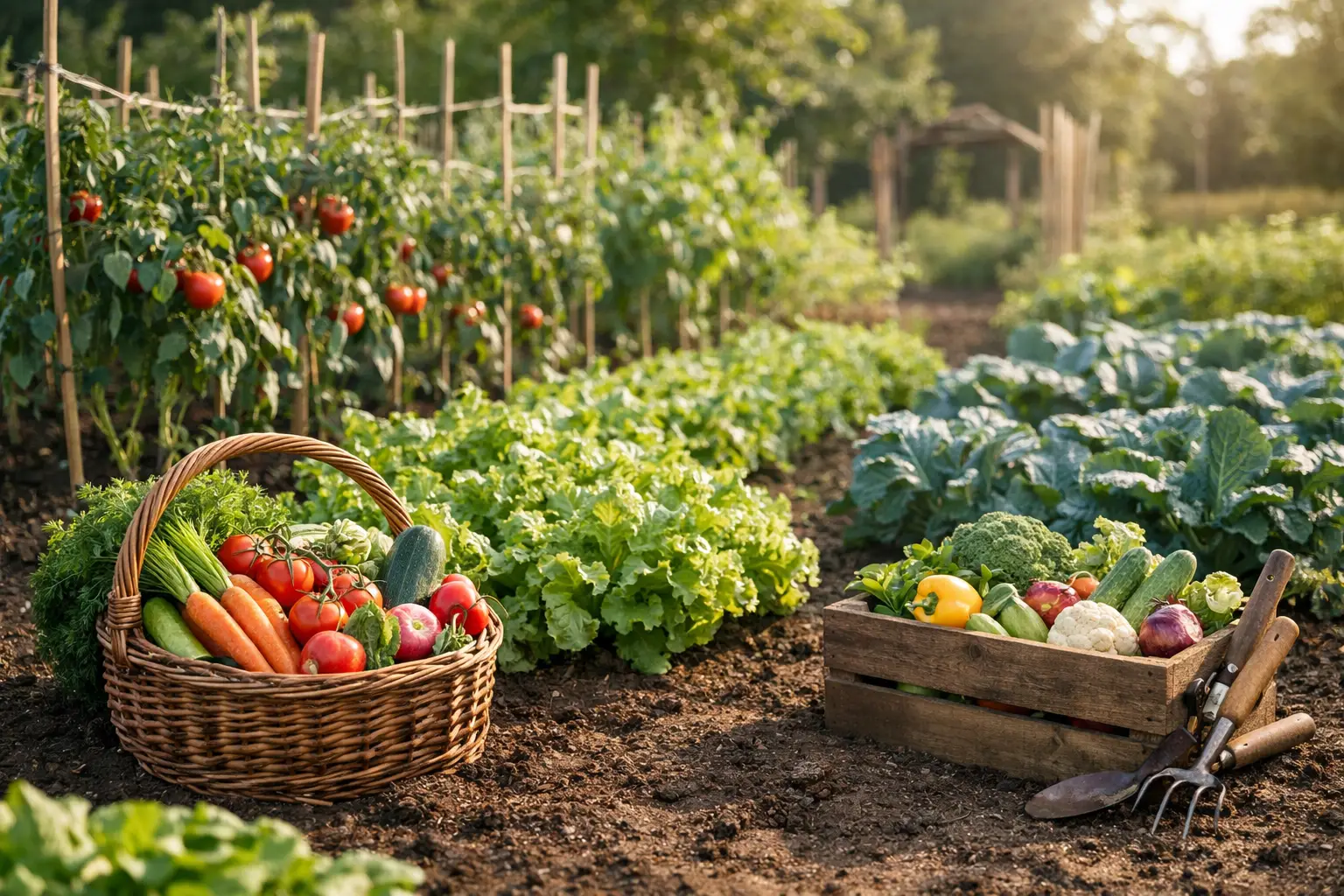
Most vegetable garden problems start before a seed ever goes in the ground. A tomato that struggles all summer or lettuce that bolts too fast usually traces back to a few basic choices – sunlight, soil, spacing, and watering. That is why a good organic vegetable gardening guide should begin with the setup, not the shopping list.
Organic gardening is not about doing everything the hard way. It is about building a garden that works with natural systems instead of constantly fighting them. For home gardeners, that usually means healthier soil, fewer mystery problems, and food you feel good about bringing into the kitchen.
What organic gardening really means in a vegetable garden
In practical terms, organic gardening means growing food without relying on synthetic fertilizers, weed killers, or harsh pesticides. But that definition only tells part of the story. The bigger idea is that you feed the soil so the soil can feed the plants, and you prevent problems early instead of reacting to every issue after it shows up.
That sounds simple, and mostly it is. The catch is that organic methods are not instant. A synthetic fertilizer can push quick green growth, while compost works more gradually. A broad pesticide may wipe out pests fast, but it can also harm pollinators and beneficial insects. Organic gardening asks for a little patience up front, but it often gives back a steadier, easier garden over time.
Start your organic vegetable gardening guide with the right spot
If you only get one thing right this season, make it location. Most vegetables need at least 6 to 8 hours of direct sun. Fruiting crops like tomatoes, peppers, cucumbers, and squash are especially needy here. If your yard has only one really sunny patch, reserve it for those crops and put leafy greens or herbs in the slightly less bright spaces.
Good drainage matters just as much. A bed that stays soggy after rain will stress roots and invite disease. If your soil is heavy clay or your yard tends to hold water, raised beds or large containers can save you a lot of frustration.
It also helps to keep the garden close to your daily path. A bed tucked behind the garage sounds peaceful until you forget to water it for three hot days. The best garden spot is not just sunny. It is somewhere you will notice, check, and harvest from often.
Build soil before you plant much of anything
Healthy soil is the center of organic vegetable growing. If your soil is compacted, pale, or dries into concrete, start there. Compost is the most useful first step for almost every garden because it improves both sandy and clay-heavy soils. It helps sandy ground hold moisture and helps dense soil loosen up so roots can breathe.
Before planting, mix a few inches of finished compost into the top layer of your bed. If you are using containers, choose a quality potting mix rather than digging up garden soil, which usually compacts too much in pots. If you want to go one step further, add an organic fertilizer based on the crop you are growing. Fruiting vegetables often appreciate something balanced or slightly higher in phosphorus and potassium, while leafy greens usually respond well to a nitrogen boost.
One place beginners get tripped up is overfeeding. More fertilizer does not mean more tomatoes. It can mean lots of leaves and very little fruit. Organic products are generally gentler, but they still need to be used with some restraint.
Choose easy crops first, not just your favorite vegetables
Every gardener wants to grow the things they love to eat, but some crops are much more forgiving than others. If you are just getting started, begin with vegetables that tend to produce well without constant babysitting. Bush beans, zucchini, radishes, lettuce, kale, cherry tomatoes, peppers, and herbs are often good picks.
That does not mean you should never try fussier crops. It just helps to balance them with a few confidence-building wins. Cauliflower, celery, and big slicing tomatoes can be rewarding, but they are less forgiving about heat, water swings, and timing.
Pay attention to your season, too. In many parts of the US, cool-season crops like spinach, peas, broccoli, and lettuce do best in spring and fall, while warm-season vegetables need the heat of late spring and summer. Planting at the wrong time is one of the most common reasons a perfectly healthy seedling fails.
Water deeply and less often than you think
A lot of new gardeners water too lightly. A quick sprinkle dampens the surface, but roots need moisture deeper down. Shallow watering encourages shallow roots, and shallow roots suffer fast when the weather turns hot.
A better approach is to water thoroughly, then let the top bit of soil begin to dry before watering again. How often that happens depends on your weather, soil, mulch, and crop. Containers dry out faster than raised beds, and raised beds dry out faster than in-ground plots. There is no perfect universal schedule.
Morning is usually the best time to water because leaves dry more quickly and plants have moisture available before the heat of the day. If you can, water at the base rather than overhead. Wet leaves are not always a disaster, but keeping foliage drier can help reduce disease pressure.
Mulch makes this easier. A layer of straw, shredded leaves, or other natural mulch helps hold moisture, keeps weeds down, and moderates soil temperature. It is one of those simple habits that pays off all season.
Feed plants the organic way
A strong organic garden usually relies on a mix of compost, mulch, and targeted feeding when needed. Heavy feeders like tomatoes, squash, cucumbers, and corn often need more nutrition than lettuce or radishes. If growth is slow, leaves look pale, or production stalls, a side-dressing of compost or a gentle organic fertilizer can help.
Liquid feeds such as fish emulsion or seaweed products can give plants a helpful boost, especially in containers. The downside is that they do not last long in the soil, so they work best as part of an ongoing routine rather than a one-time fix.
This is one of those areas where it depends on your setup. Rich garden beds that have been amended for years may need very little extra feeding. Brand-new raised beds filled with basic soil blends often need more support during the season.
Prevent pests before they become a full-blown mess
An organic vegetable gardening guide would not be complete without pest control, because this is where many gardeners panic and reach for the strongest spray they can find. Usually, you do not need to start there.
Healthy plants are naturally more resilient, so the first layer of pest control is still good soil, correct spacing, and steady watering. Stressed plants attract trouble. After that, regular checking matters more than most products. If you catch aphids early, a firm spray of water may be enough. If you find hornworms before they strip a tomato plant, hand-picking works surprisingly well.
Row covers can protect young plants from insect damage, especially brassicas like cabbage and kale. Companion planting can help in some gardens, mostly by increasing diversity and attracting beneficial insects, though it is not magic. Marigolds are nice to have around, but they will not solve every pest issue.
When you do need a treatment, choose the least disruptive option first. Insecticidal soap, neem-based products, and Bt can be useful in certain cases, but timing and target matter. A broad approach can still affect beneficial insects if used carelessly, even when a product is allowed in organic gardening.
Give plants room and keep air moving
It is tempting to cram in just one more pepper or tomato. Most of us have done it. But crowded plants stay damp longer, compete for nutrients, and are harder to inspect and harvest.
Proper spacing lowers disease pressure and helps plants grow into their full size. Tomatoes especially benefit from support early on. Cages, stakes, or trellises keep fruit off the ground and improve airflow. Cucumbers, pole beans, and even some squash varieties also do well when grown vertically, which is handy in small spaces.
If you are gardening on a patio or in a compact backyard, think upward as much as outward. Organic methods work just as well in containers as they do in traditional beds, but containers need more attention to watering and feeding.
Expect a little mess and learn as you go
A thriving organic vegetable garden does not look perfect every day. A few chewed leaves, some uneven growth, and the occasional failed crop are normal. The goal is not spotless plants. The goal is steady, healthy production from a garden that gets stronger over time.
Keep notes if you can. Write down what you planted, when pests showed up, which varieties actually tasted good, and what struggled in your specific conditions. That kind of real-world record becomes more useful than generic advice very quickly.
The best gardens are usually built season by season, not all at once. Start with a manageable space, improve your soil, pay attention often, and let each success teach you what to plant next. A small harvest picked from healthy soil has a way of making the whole process feel worth it.