If you’ve ever picked ten heads of lettuce in one week and then had nothing fresh for the next month, you’ve already met the problem this guide to succession planting vegetables solves. Most home gardens don’t fail because they aren’t productive enough. They fail because everything ripens at once, bolts in a heat wave, or leaves empty space behind.
Succession planting is simply the practice of planting in rounds so your garden keeps producing instead of peaking once and fading out. It sounds a little more organized than many of us feel in spring, but in practice it’s one of the easiest ways to make a small garden work harder. You do not need a spreadsheet, a giant yard, or perfect timing. You just need to think of your vegetable bed as something that stays in motion.
What succession planting vegetables really means
At its core, succession planting means replacing one crop with another, or sowing the same crop at intervals so it matures over time instead of all at once. Both approaches matter.
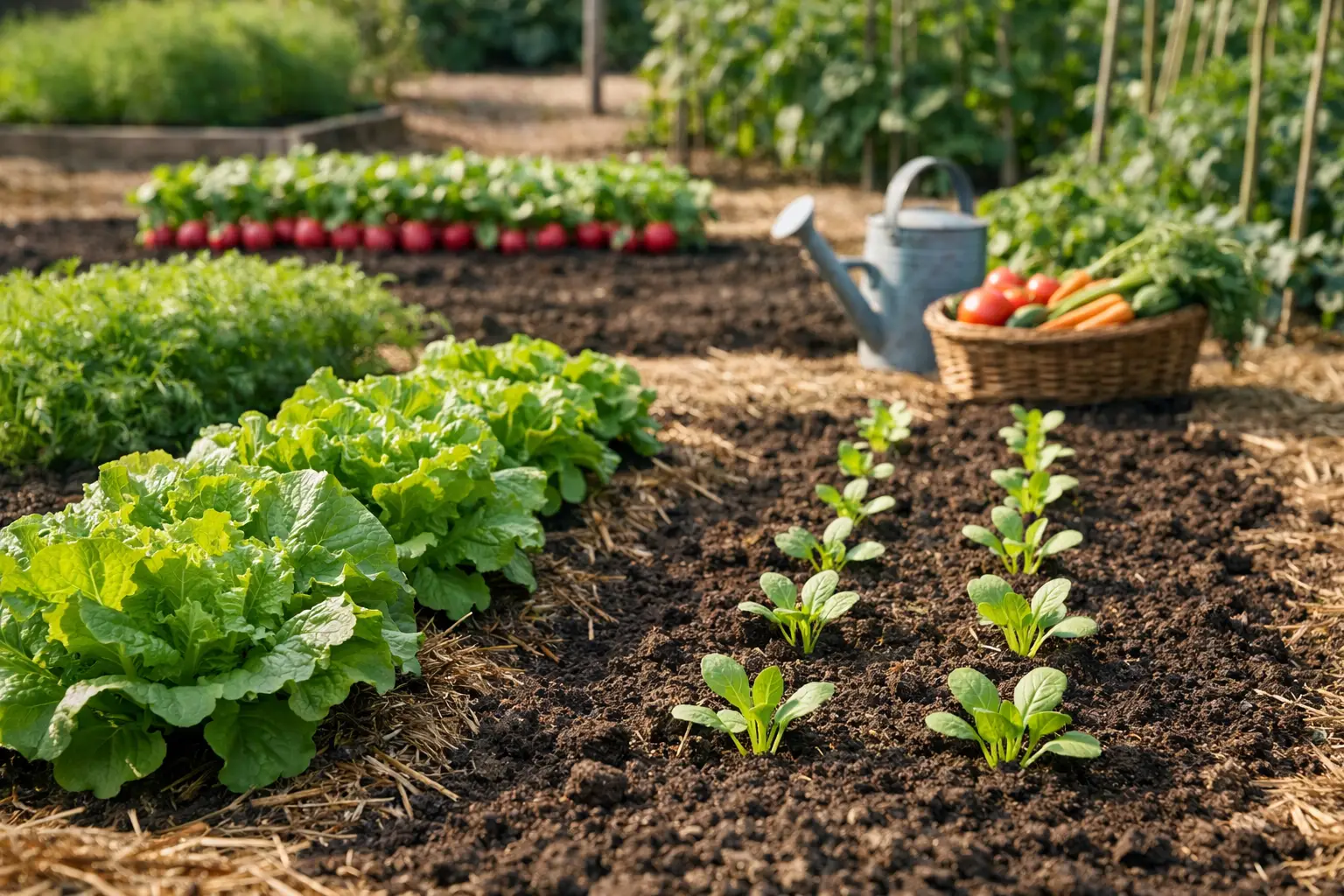
The first is staggered sowing. Instead of planting an entire packet of bush beans on one Saturday, you plant a short row now, another in two weeks, and another after that. The second is follow-up planting. When spring spinach is finished, that space might be replanted with basil, cucumbers, or a fast summer squash. When garlic comes out in early summer, the bed can become a fall carrot patch.
This is where gardening starts to feel less like luck and more like rhythm. One crop finishes, another is ready to take its place, and your soil stays covered and productive.
Why this method works so well in home gardens
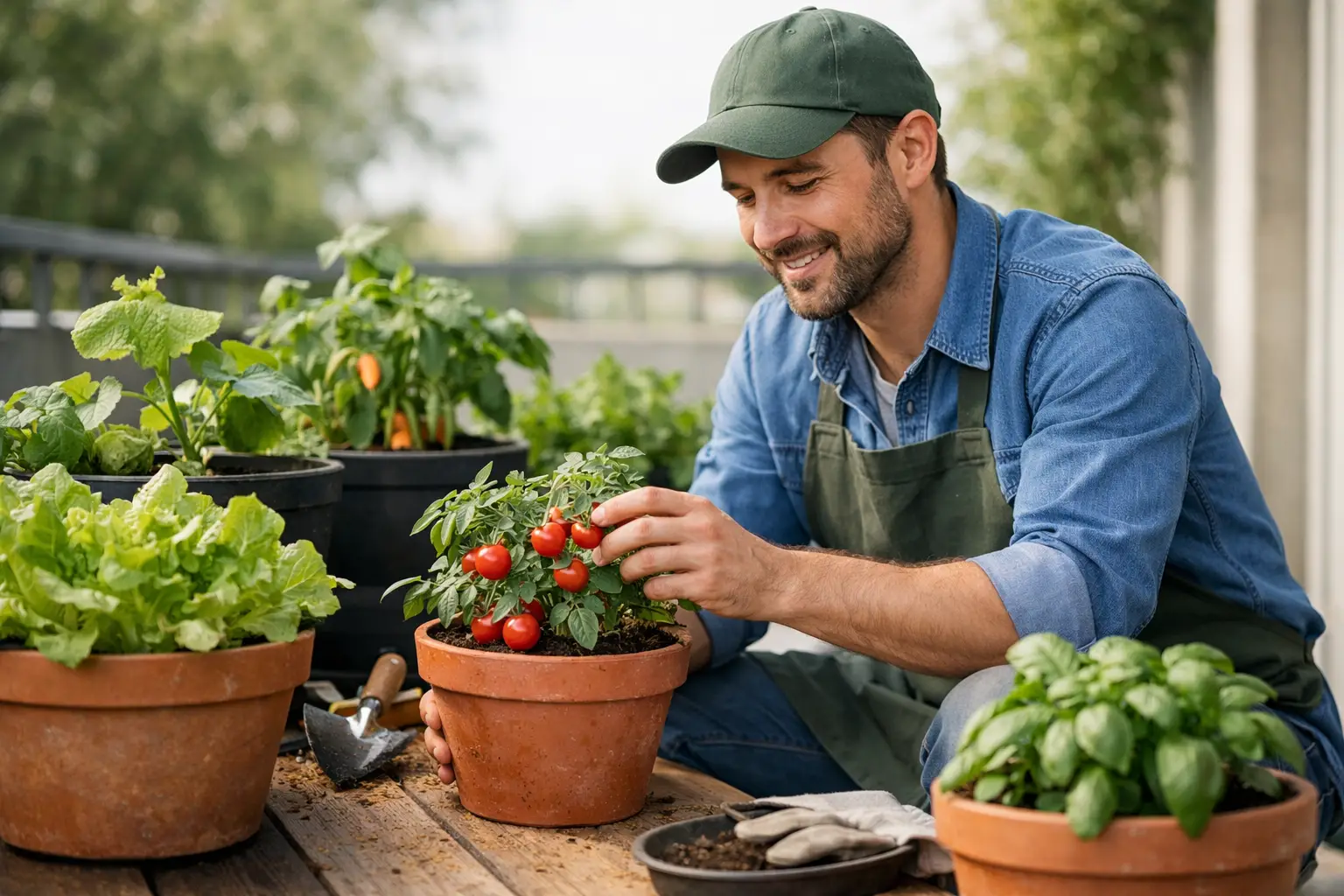
For backyard gardeners and raised-bed growers, space is usually the limiting factor. You may only have a few beds, a sunny side yard, or several containers on a patio. Succession planting helps you get more from that space without crowding plants or pushing them past their season.
It also cuts down on waste. A single sowing of cilantro, radishes, or leaf lettuce can be far more than one household can use at once. Smaller, repeated plantings give you a steadier harvest and a better chance of eating what you grow.
There’s another benefit that doesn’t get talked about enough. Replanting quickly after harvest helps reduce bare soil, which means fewer weeds and less moisture loss. In an organic garden, that matters. Empty beds invite weed seeds, bake in the sun, and tend to look abandoned by midsummer.
A practical guide to succession planting vegetables by season
The easiest way to start is by grouping vegetables into three categories: quick crops, one-and-done crops, and replacement crops.
Quick crops are the natural stars of succession planting. These are vegetables you can sow every couple of weeks for a longer harvest window. Think radishes, arugula, leaf lettuce, bush beans, baby carrots, scallions, beets, and cilantro. They grow fast, don’t demand much space, and are easy to repeat.
One-and-done crops are usually planted once per season and left in place for a while. Tomatoes, peppers, eggplant, winter squash, and cabbage fall into this camp. These are not the vegetables you keep re-sowing every two weeks. Instead, you plan around them.
Replacement crops are what go in after another crop is finished. This is where the real magic happens. After peas, you might plant cucumbers. After potatoes, you could sow fall beans or turnips. After spring lettuce, try basil or zinnias if you want to support pollinators near the food bed.
In spring, focus on cool-season crops that mature quickly. Lettuce, spinach, radishes, bok choy, carrots, and peas all fit well. Rather than planting all your lettuce at once, sow a short row every 10 to 14 days. That spacing is often enough to keep salads coming without creating a glut.
As temperatures warm, spring crops begin to fade. That’s your signal to replant, not to give up on the bed. Pull bolting greens, top-dress with compost, water the soil well, and move in warm-season vegetables or herbs. Bush beans, cucumbers, basil, and summer squash are good options, depending on your growing zone and remaining season length.
In late summer, succession planting shifts again. This is one of the most overlooked planting windows, especially in much of the US where fall gardening can be more forgiving than summer. Beds that held onions, garlic, cucumbers, or worn-out squash can often be replanted with carrots, kale, turnips, arugula, mustard greens, lettuce, and spinach for fall harvest.
The trade-off is timing. Plant too early and cool-season crops struggle in the heat. Plant too late and they may not size up before cold weather. That’s why local frost dates matter more here than the calendar printed on a seed packet.
How to plan without making it complicated
You do not need a full garden map worthy of a landscape architect. A simple notebook page is enough. Start by listing what you want to grow, how long each crop stays in the ground, and what could follow it.
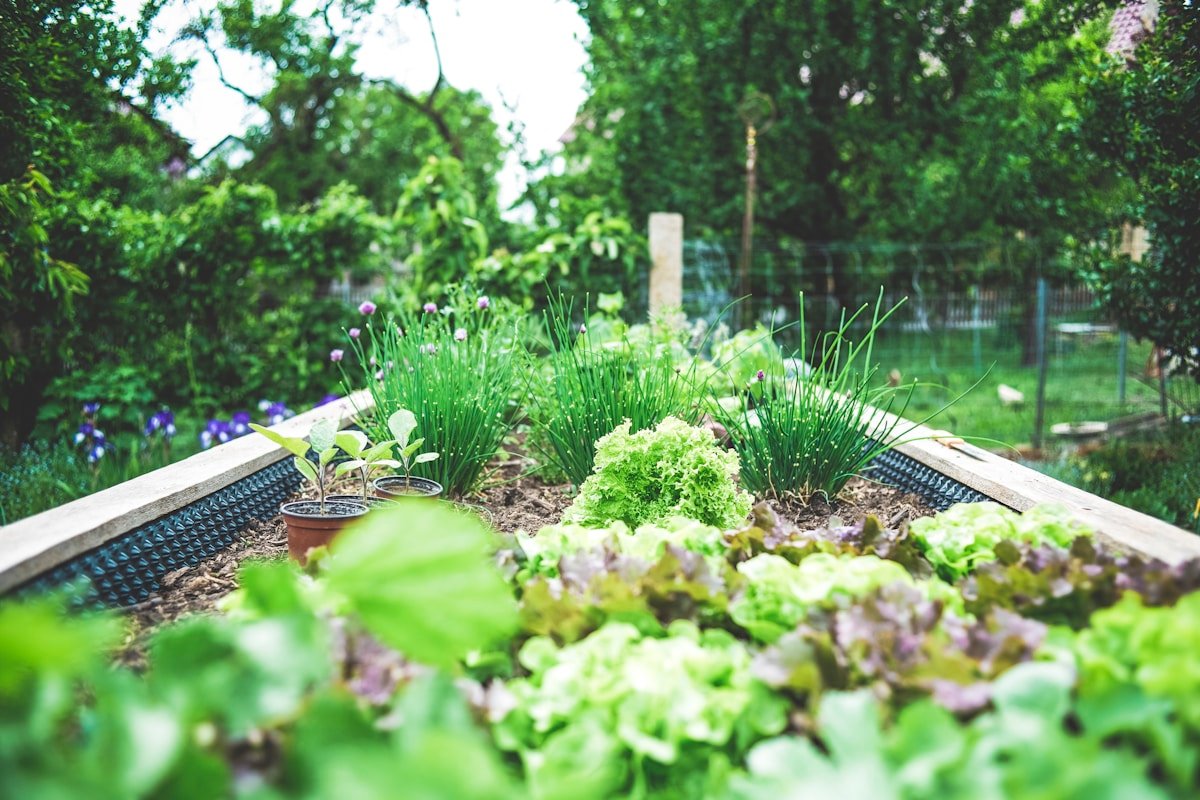
For example, a bed might begin with spring spinach, shift to bush beans in early summer, and finish with fall lettuce. Another could hold garlic until harvest, then be replanted with carrots and beets. Once you start thinking in sequences instead of single plantings, empty space becomes easier to spot and use.
A few practical questions help with planning. How many days to maturity does the crop need? Does it prefer cool or warm weather? Will it be direct sown or transplanted? And how much time is actually left in your season?
That last one is where many gardeners get tripped up. Days to maturity are helpful, but they are not a promise. Shorter fall days and cooler soil often slow growth. It’s smart to give yourself a cushion, especially for fall successions.
The crops that make succession planting easiest
If you’re new to this, start with vegetables that are forgiving and quick. Leaf lettuce is one of the best teachers because it sprouts fast, grows quickly, and clearly shows the difference between a single planting and repeated sowings. Radishes do the same, and they free up space quickly.
Bush beans are another favorite because they produce heavily for a shorter window than pole beans. That makes them ideal for sowing every two to three weeks if you want steady harvests. Cilantro is worth repeating too, especially if it tends to bolt fast in your garden. Small sowings keep it useful longer.
Carrots and beets can work well, though they need more consistent moisture to germinate. If your soil dries out fast in summer, these may take more effort than lettuce or beans. That does not mean they are poor succession crops. It just means success depends on your conditions.
Common mistakes and how to avoid them
The biggest mistake is waiting too long to replant. After a crop finishes, it is easy to tell yourself you’ll deal with that empty patch next weekend. Two weeks later, the soil is dry, weeds are moving in, and the momentum is gone. Keep a few seeds and transplants ready so harvested space can be reused quickly.
Another common problem is forgetting to refresh the bed. Successive crops need support. After one planting comes out, add a light layer of compost, loosen the surface if needed, and water deeply before sowing again. You are asking the same soil to keep producing, so treat it kindly.
It’s also easy to overplant. A succession strategy is not about cramming in more than your garden can handle. It’s about matching planting volume to what you can use and what your season supports. A small sowing every couple of weeks often beats one huge planting and a lot of disappointment.
And finally, pay attention to heat. Some vegetables simply won’t cooperate in midsummer, no matter how carefully you plan. Lettuce may turn bitter, spinach may bolt overnight, and peas may stall out. That is not failure. That is seasonality. Work with it.
Keep the garden moving, not perfect
Succession planting rewards attention, not perfection. If you miss a sowing window, plant the next one. If one crop flops, use the space for something faster and easier. The goal is not a perfectly choreographed garden. It’s a garden that keeps feeding you over a longer stretch of the year.
Once you get used to thinking this way, the whole growing season opens up. You stop seeing harvest as the finish line and start seeing it as the handoff to what comes next. That small shift can make even a modest garden feel generous.
A steady garden usually isn’t the result of doing everything at once. It comes from doing a few simple things at the right time, then doing them again.