The first warm afternoon of spring has a way of making everything feel urgent. Garden centers fill up, seed packets start calling your name, and it is very easy to plant too much, too soon, in soil that is still cold and soggy. If you want a spring garden planting guide that actually helps you get better results, the goal is not to plant at the first hint of sunshine. It is to plant at the right time, in the right order, with healthy soil doing most of the heavy lifting.
That one shift saves a lot of disappointment. Most spring garden trouble starts with timing, not effort. People water faithfully, buy good plants, and still end up with stunted lettuce, sulking tomatoes, or seeds that never sprout. Spring rewards patience just as much as enthusiasm.
What to do before you plant in spring
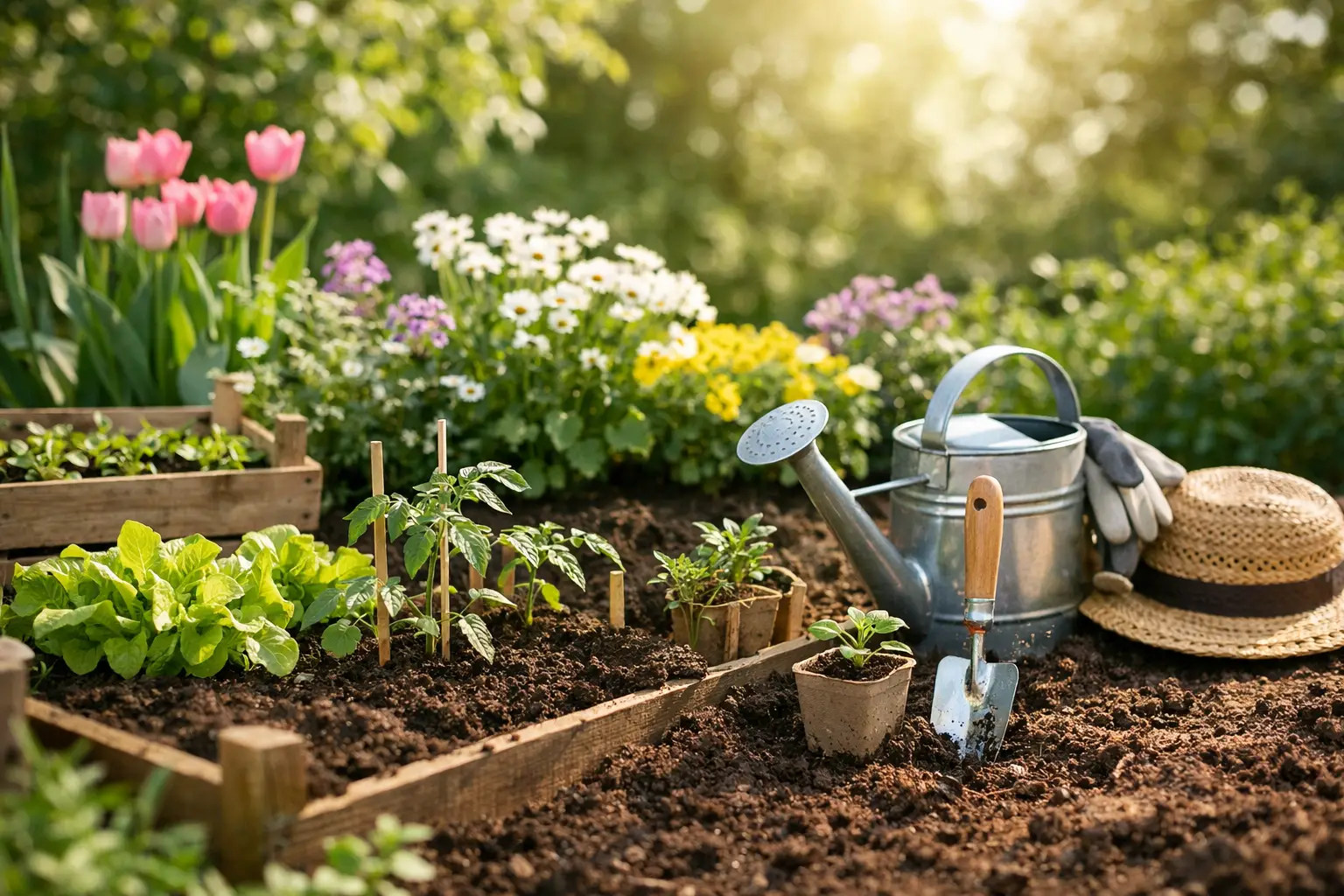
Before a single seed goes in the ground, take a close look at your space. Notice where the sun actually lands for six to eight hours, where water collects after rain, and which beds dried out first. A spot that looked perfect in winter can behave very differently once trees leaf out and spring storms roll through.
Next, check your soil. If it sticks to your shovel in wet clumps, wait a little longer. Working wet soil compacts it, and compacted soil makes life harder for roots, earthworms, and everything else that keeps a garden healthy. Good spring soil should crumble in your hand, not smear.
This is also the right moment to feed the soil naturally. A layer of finished compost mixed into the top few inches gives seedlings a better start than a quick blast of synthetic fertilizer. Compost improves drainage in heavy soil, helps sandy soil hold moisture, and adds the kind of slow, steady fertility that supports strong growth without pushing weak, tender plants.
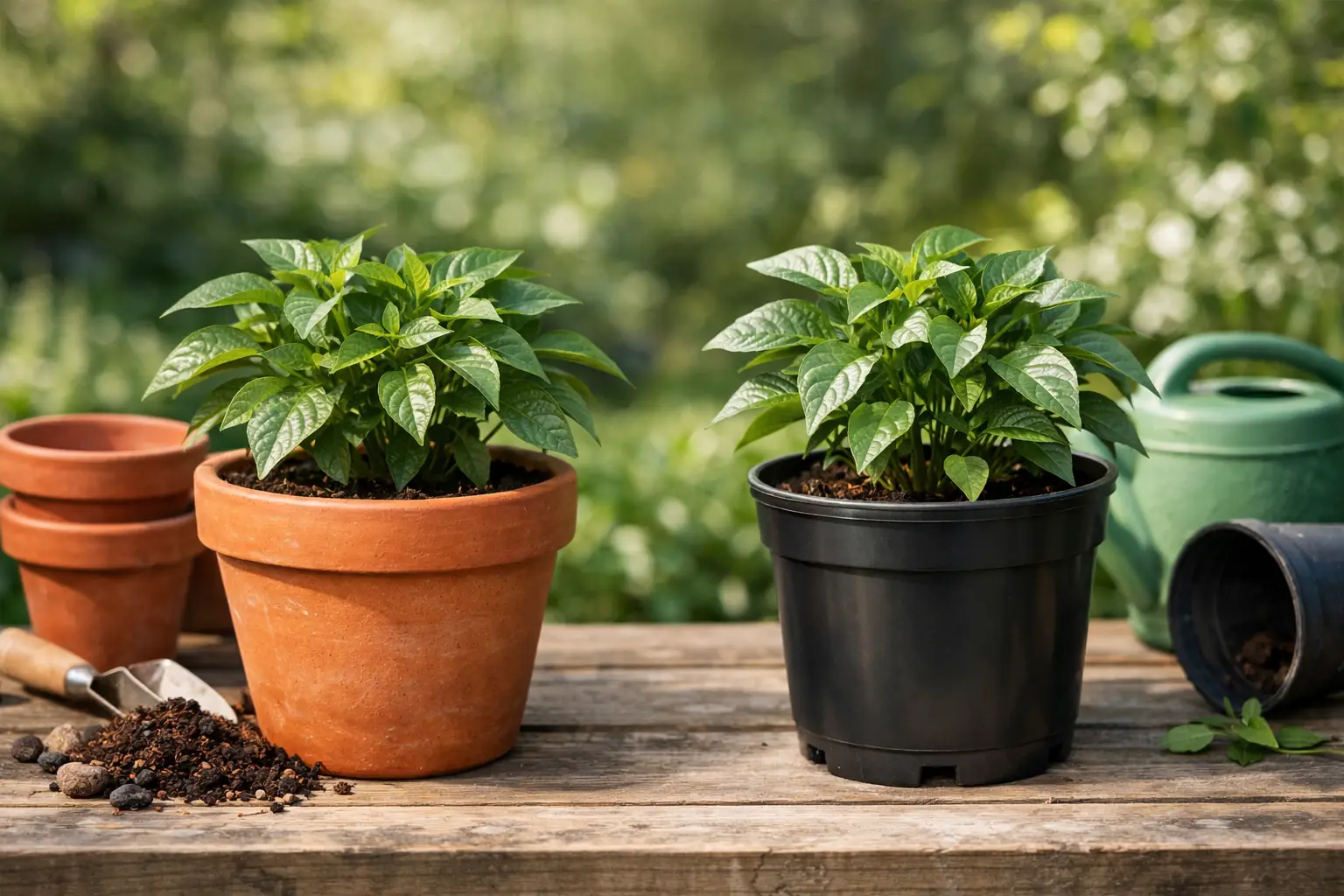
If you grow in raised beds or containers, refresh the planting mix instead of reusing exhausted soil as-is. You do not always need to replace everything, but topping beds with compost and loosening old roots makes a noticeable difference. Containers usually need more help because nutrients wash out faster and potting mix breaks down over time.
A spring garden planting guide for timing
Spring planting works best when you divide crops into two groups: cool-season plants and warm-season plants. That sounds simple, but it clears up most of the confusion.
Cool-season crops like lettuce, spinach, peas, radishes, carrots, kale, and broccoli prefer mild temperatures and can handle light frost. These are your early spring starters. In many parts of the US, they go in weeks before the last frost date, especially from seed. If you wait until it feels warm enough for tomatoes, some of these crops will already be struggling.
Warm-season crops like tomatoes, peppers, cucumbers, beans, squash, basil, and melons need warmer soil and air. Plant them too early and they often just sit there, yellowing and falling behind. They may survive, but survival is not the same as thriving. A tomato planted later into warm soil often outgrows one planted too early into cold ground.
Your average last frost date is helpful, but it is only a starting point. Local weather matters more than the calendar. A stretch of cold rain can slow everything down, while an unusually warm spring can move your window earlier. If you are deciding between planting now or waiting five more days, waiting is often the safer choice for warm-weather crops.
What to plant first, and what can wait
If your beds are ready, start spring with the crops that like cool conditions. Direct sow radishes, carrots, beets, peas, spinach, and salad greens. These usually germinate well in cool soil and do not mind chilly nights. If you use transplants, set out hardy plants like kale, cabbage, broccoli, and onions early, as long as you harden them off first.
Hardening off matters more than many beginners expect. Seedlings raised indoors or in a protected greenhouse need time to adjust to sun, wind, and temperature swings. Put them outside for a few hours a day over about a week, gradually increasing exposure. Skip this step and even healthy starts can get scorched or stalled.
Once the danger of frost has mostly passed and the soil has warmed, move on to beans, cucumbers, squash, basil, peppers, and tomatoes. If nights are still dropping into the low 40s, hold off on the tender stuff. They are not being lazy. They are cold.
Soil prep that makes spring planting easier
A lot of spring garden advice focuses on what to plant, but soil prep is what decides whether those plants take off. Healthy soil does three jobs at once: it drains well, holds enough moisture, and provides nutrients gradually.
Compost is the first tool to reach for. If your soil is very poor, adding compost every season is one of the best long-term habits you can build. For vegetable beds, you can also add organic amendments based on what your soil lacks, but do not feel pressured to turn this into a chemistry project. For many home gardeners, compost plus a balanced organic fertilizer is enough.
Mulch belongs in spring too, just not too soon. Once seedlings are established and the soil has started to warm, a light layer of straw, shredded leaves, or untreated mulch helps hold moisture, reduce weeds, and soften the impact of heavy spring rain. In very cool regions, applying thick mulch too early can keep soil colder longer, so timing matters.
Watering new spring plantings without overdoing it
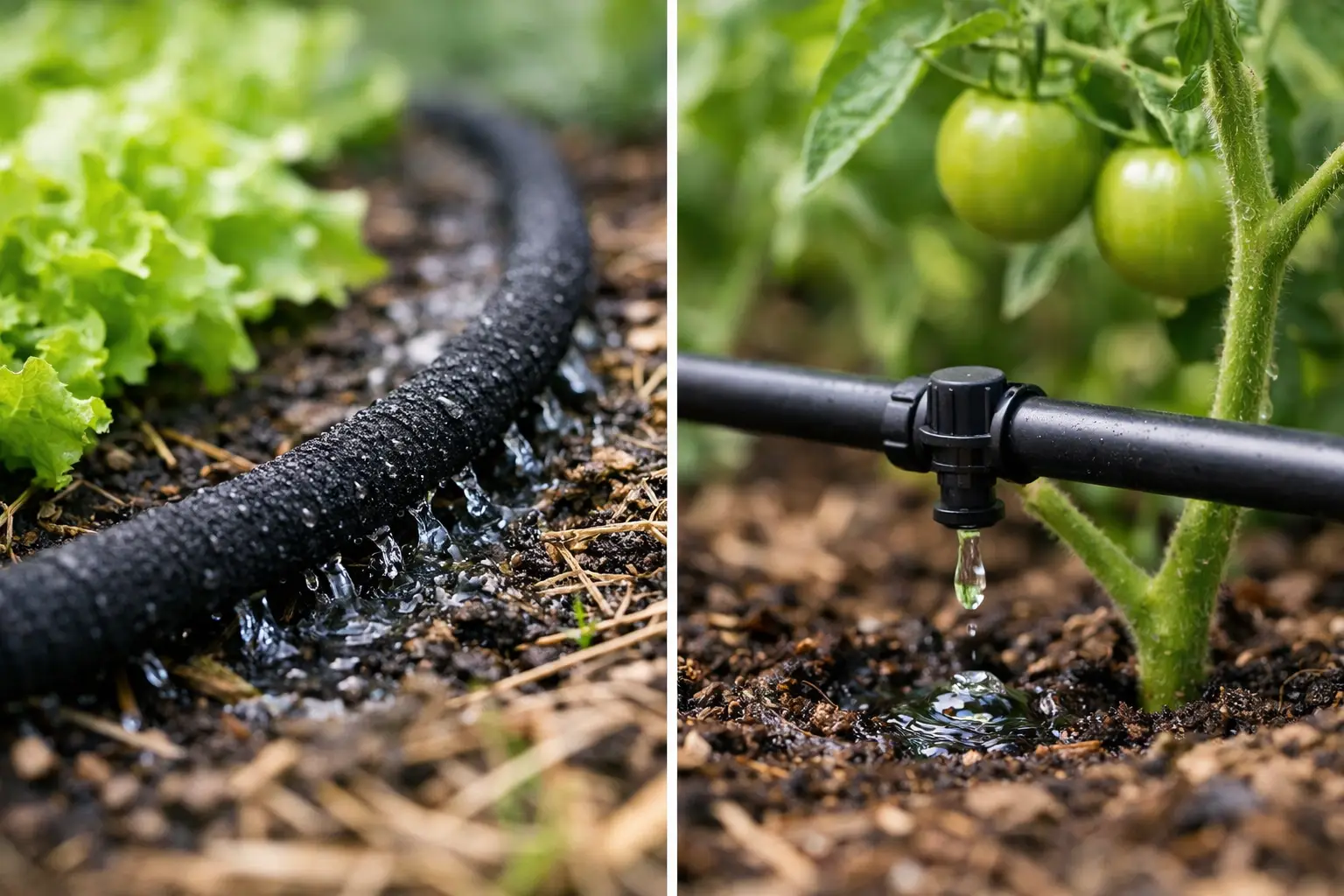
Spring can fool you because the weather feels mild, but wind and sun can dry out the top layer of soil quickly. At the same time, cool soil stays wet longer than summer soil. That means spring watering needs a lighter touch.
Seeds need steady moisture to germinate, especially small ones like lettuce and carrots. Keep the surface evenly damp, not soaked. Once seedlings are up, water a little deeper and less often to encourage roots to grow down.
Transplants need close attention for their first week or two. Water them in well at planting time, then check the soil before watering again. If the top inch is dry, it is usually time. If it still feels moist, leave it alone. Too much water can stress roots just as much as too little, especially in cool weather.
Containers dry out faster than in-ground beds, so they need more frequent checks. But even there, let the soil guide you. A fixed schedule sounds tidy, but plants do not read calendars.
Natural ways to prevent spring problems
Spring pests and diseases often get worse when plants are stressed. Healthy soil, proper spacing, and sensible timing prevent more trouble than sprays ever will.
Give plants enough room for air to move between them. Crowding may look lush at first, but it increases disease pressure and makes harvesting harder. This is especially true for lettuce, brassicas, and later on, tomatoes.
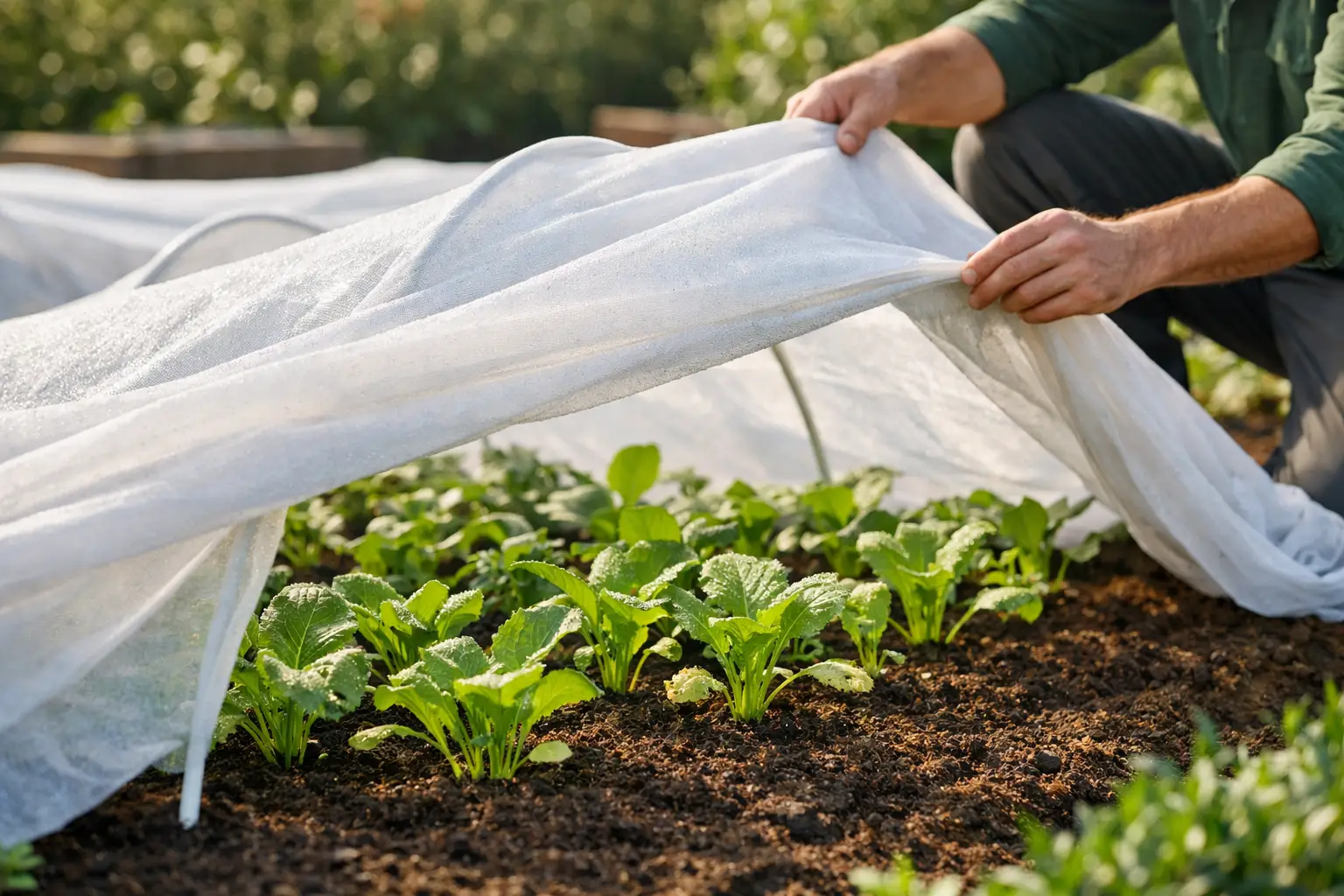
Use row covers if flea beetles, cabbage worms, or sudden cold snaps are common in your area. They are simple, effective, and fit nicely with an organic approach. Just remember to remove them from crops that need pollinators once flowering begins.
If slugs are a spring issue in your garden, reduce hiding spots near tender seedlings and water earlier in the day instead of late evening. For aphids, a strong spray of water often handles small outbreaks before they turn into a bigger problem. The earlier you notice issues, the easier they are to manage naturally.
Common mistakes this spring garden planting guide can help you avoid
The biggest one is planting by mood instead of conditions. A sunny Saturday can make the whole yard feel ready when it is not. Soil temperature, overnight lows, and drainage tell the real story.
Another common mistake is overplanting. It is tempting to sow every packet and buy every transplant, but spring gardens fill in fast. Start with what you know you will eat and what your space can support. A smaller, well-tended bed usually produces more than an overcrowded one.
Too much fertilizer is another problem, especially with quick-release products. Fast, lush growth can attract pests and create weak plants. Organic feeding tends to be steadier, which is one reason it works so well for home gardens.
And finally, do not assume a struggling plant needs more water. Yellow leaves, slow growth, and drooping can come from cold soil, poor drainage, transplant shock, or root stress. Water helps sometimes, but not every time.
Making your spring garden easier to manage
If you want a more relaxed season, plant in rounds instead of all at once. Sow a short row of lettuce now, then another in two weeks. Plant a few bush beans later rather than an entire month of harvest in one day. Succession planting gives you better timing, less waste, and a steadier harvest.
It also helps to keep simple notes. Nothing fancy. Write down when you planted peas, when the last frost hit, which tomato variety handled spring swings best, and where pests showed up first. After a season or two, your own notes become more useful than most generic advice because they reflect your actual garden.
Spring gardening always asks for a little faith. You prepare the bed, tuck in the seeds, and trust that a stretch of bare soil is quietly turning into dinner. If you give that process good soil, decent timing, and a bit of patience, the garden usually meets you more than halfway.