Peppers can be one of the most frustrating crops in a home garden because they often look healthy long before they actually do much. You plant them, keep them watered, maybe even admire their glossy leaves, and then weeks go by with almost no change. If you’ve been asking, why are my peppers not growing, the answer is usually not one dramatic problem. It’s more often a mix of temperature, watering, soil, and timing.
The good news is that peppers are slow and picky, but they are not mysterious. Once you know what they want, they usually respond.
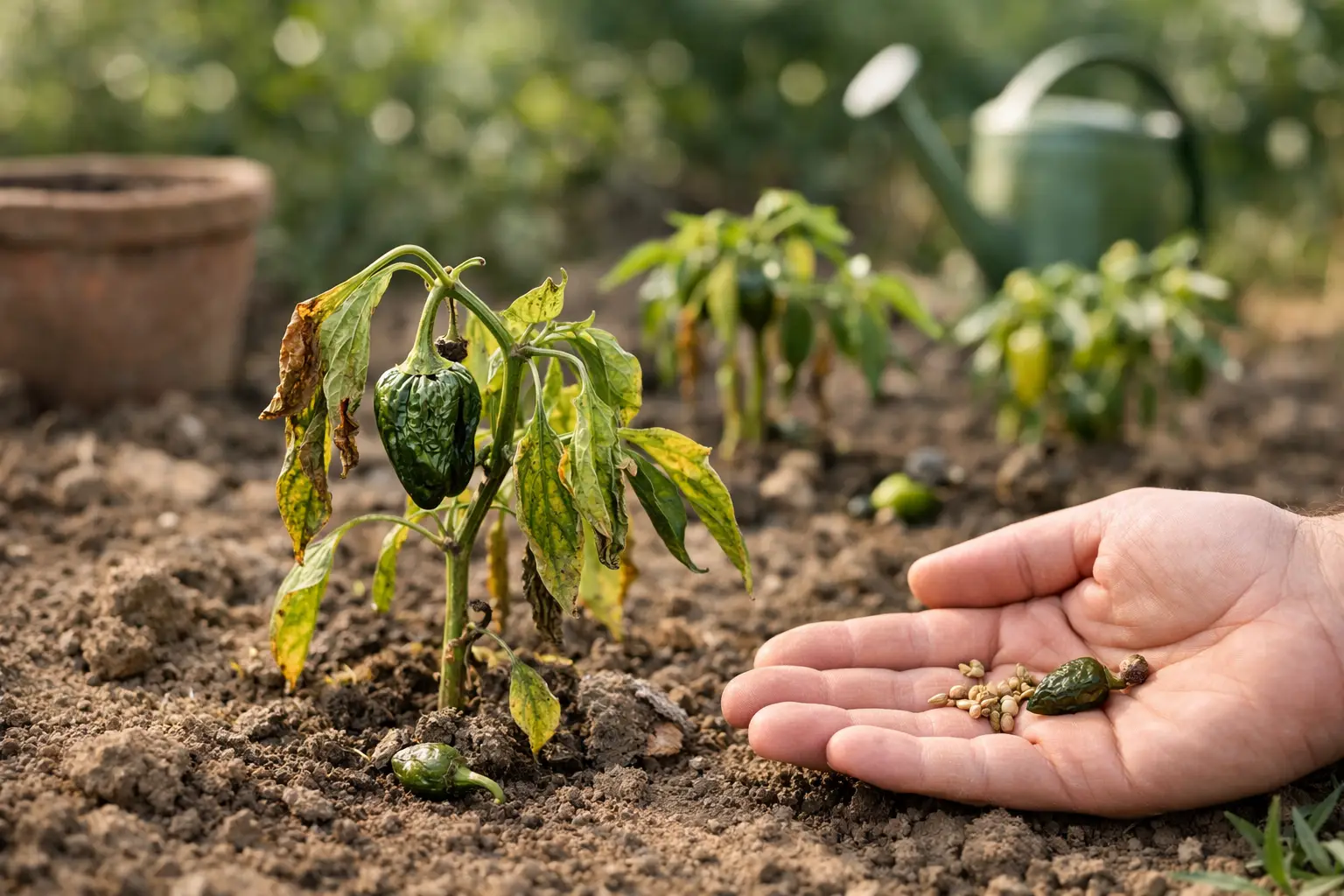
Why are my peppers not growing even though they look healthy?
This is probably the most common pepper complaint. The plant is green, upright, and not obviously sick, but it seems stuck in place. In many cases, that means your pepper is surviving, not thriving.
Peppers love warmth more than many other summer vegetables. Tomatoes will often push ahead in conditions that make peppers sulk. If daytime temperatures are mild but nights are still cool, peppers can sit almost motionless for weeks. They are especially sensitive when soil stays cool in spring.
This is why peppers often seem to do nothing early in the season and then suddenly grow fast once summer heat settles in. If your plant looks decent but isn’t sizing up, temperature is the first thing to check.
Cool weather is one of the biggest reasons peppers stall
Pepper plants really want warm soil and warm nights. Air temperature matters, but root-zone warmth matters just as much. When soil is cool, roots take up water and nutrients more slowly, and the whole plant idles.
If you planted early because the calendar said it was time, your peppers may simply be waiting for better conditions. This happens a lot in raised beds and containers too, especially after a stretch of chilly rain.
A simple fix is to help the soil warm faster. Dark mulch, black nursery pots, a south-facing wall, or even just patience can make a noticeable difference. If peppers are in containers, moving them to the warmest spot in the yard often helps more than adding fertilizer.
Watch the nighttime temperatures
Even when the days feel pleasant, nights below about 55 degrees can slow peppers down. They may not show obvious damage, but growth can be sluggish and flowering may pause. If your weather has been bouncing between warm afternoons and cool nights, slow growth is not unusual.
Watering problems can look like slow growth
Pepper plants prefer steady moisture, not constant wetness. That sounds simple, but it’s where a lot of gardeners get tripped up.
If soil stays soggy, roots struggle for oxygen and the plant can’t grow well. If soil dries out too much between waterings, the plant shifts into stress mode and growth slows there too. Peppers tend to do best when the soil feels evenly moist a couple inches down, not muddy and not bone dry.
Containers are especially tricky because they dry faster in heat but can also stay too wet if the potting mix is dense or drainage is poor. In the ground, heavy clay soil can hold too much water, while sandy soil may dry out before the plant gets what it needs.
If you’re not sure what’s happening, check the soil with your finger before watering. That quick habit is more useful than watering on a fixed schedule.
Soil that is too poor – or too rich – can hold peppers back
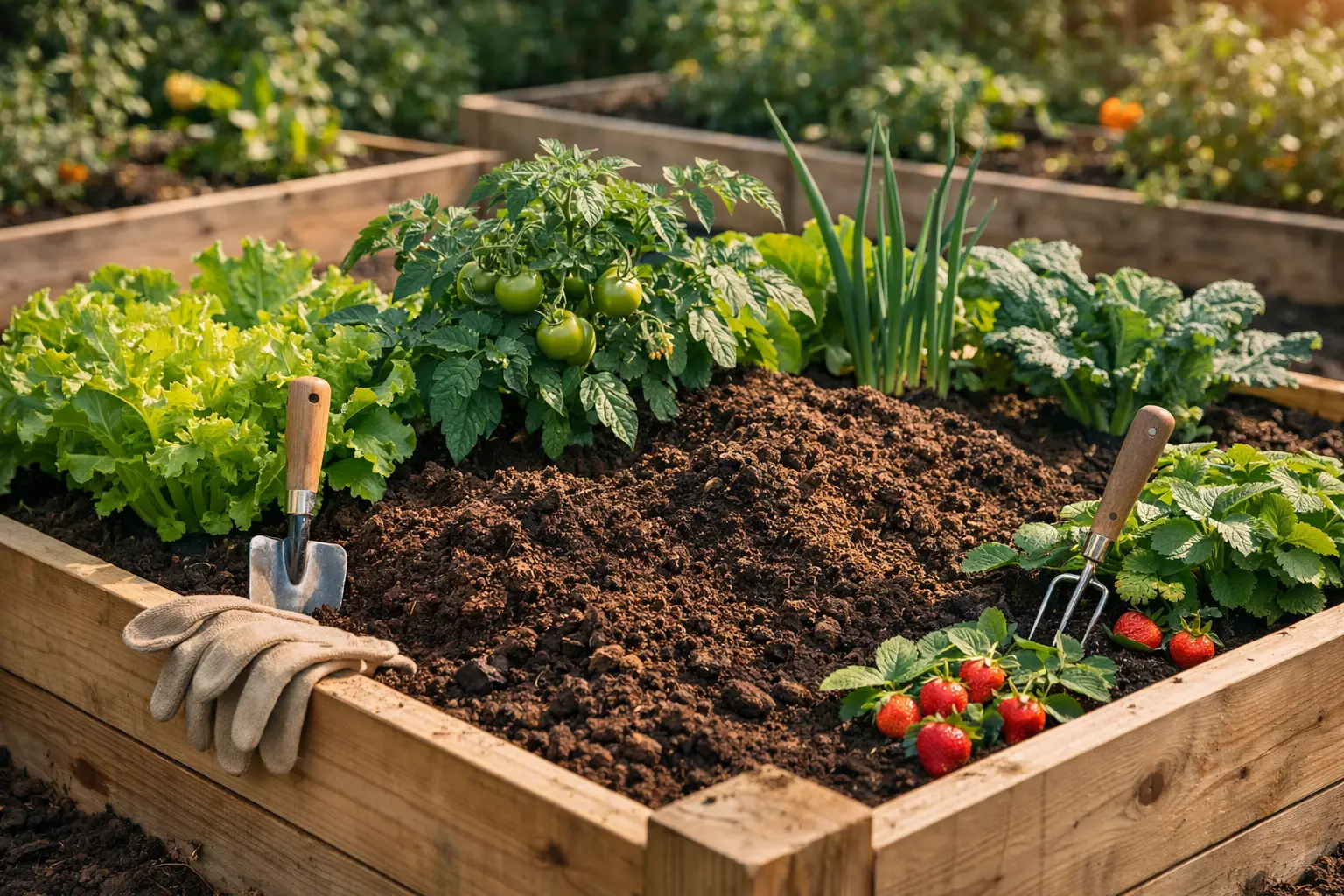
Peppers are not the hungriest plants in the garden, but they do need loose, healthy soil with enough organic matter. If the soil is compacted or depleted, roots stay shallow and growth stays slow.
On the other hand, too much nitrogen can also create problems. A pepper plant fed heavily with a high-nitrogen fertilizer may put energy into leafy growth while delaying flowers and fruit. Sometimes gardeners interpret that imbalance as poor performance because the plant is big but not productive. Other times, overfeeding salts the soil and stresses the roots.
For organic gardeners, this is where gentle, steady fertility works better than trying to force fast growth. Finished compost, worm castings, and a balanced organic vegetable fertilizer usually support peppers better than frequent heavy feeding. If your plant is pale and stalled, it may need nutrients. If it is lush, dark green, and still not doing much, it may need less fertilizer and more warmth or sun.
Why are my peppers not growing in containers?
Container peppers can do beautifully, but they depend on you for everything. When they stall, the issue is often the pot itself.
A too-small container limits root growth fast. Peppers may survive in small pots, but they rarely thrive there for long. Most varieties do better with more root space than people expect. A pot that dries out every afternoon or gets root-bound early will hold the plant back.
Potting mix matters too. Garden soil in pots usually compacts and drains poorly, while old potting mix can break down and stop holding air around the roots. If your pepper has been sitting in the same tired mix for months, that alone can slow it down.
Containers also need more consistent feeding than garden beds because nutrients wash out with watering. That does not mean constant fertilizer, but it does mean regular replenishment in a light, balanced way.
Not enough sun means not enough energy
Peppers are sun-loving plants. They generally need full sun to grow well and produce heavily. If they are getting only a few hours of direct light, they may stay small, lean toward the light, or produce very slowly.
This gets overlooked in yards where trees leaf out later in spring. A bed that looked bright in April may be partly shaded by June. Nearby tomatoes, trellises, fences, or patio structures can also cast more shade than expected.
In very hot parts of the US, a little late afternoon relief can be fine, especially during extreme heat. But most peppers still need strong light for the bulk of the day. If sun is limited, the best fix is often relocation rather than more fertilizer.
Transplant shock can set peppers back longer than expected
Peppers do not always bounce back quickly from transplanting. If roots were disturbed, seedlings were planted out too early, or indoor starts were not hardened off well, the plant may pause for a while.
This can be discouraging because a transplanted pepper may sit there looking exactly the same for two or three weeks. During that time, it is often rebuilding roots rather than top growth.
Try not to keep disturbing it. Avoid overwatering, skip heavy fertilizer, and let it settle in. Once roots establish, top growth usually follows.
Pests and disease are possible, but they’re not always the first suspect
When peppers stop growing, gardeners often assume insects are to blame. Sometimes they are, especially if aphids, spider mites, flea beetles, or broad mites are feeding on new growth. But many stalled pepper plants have no serious pest problem at all.
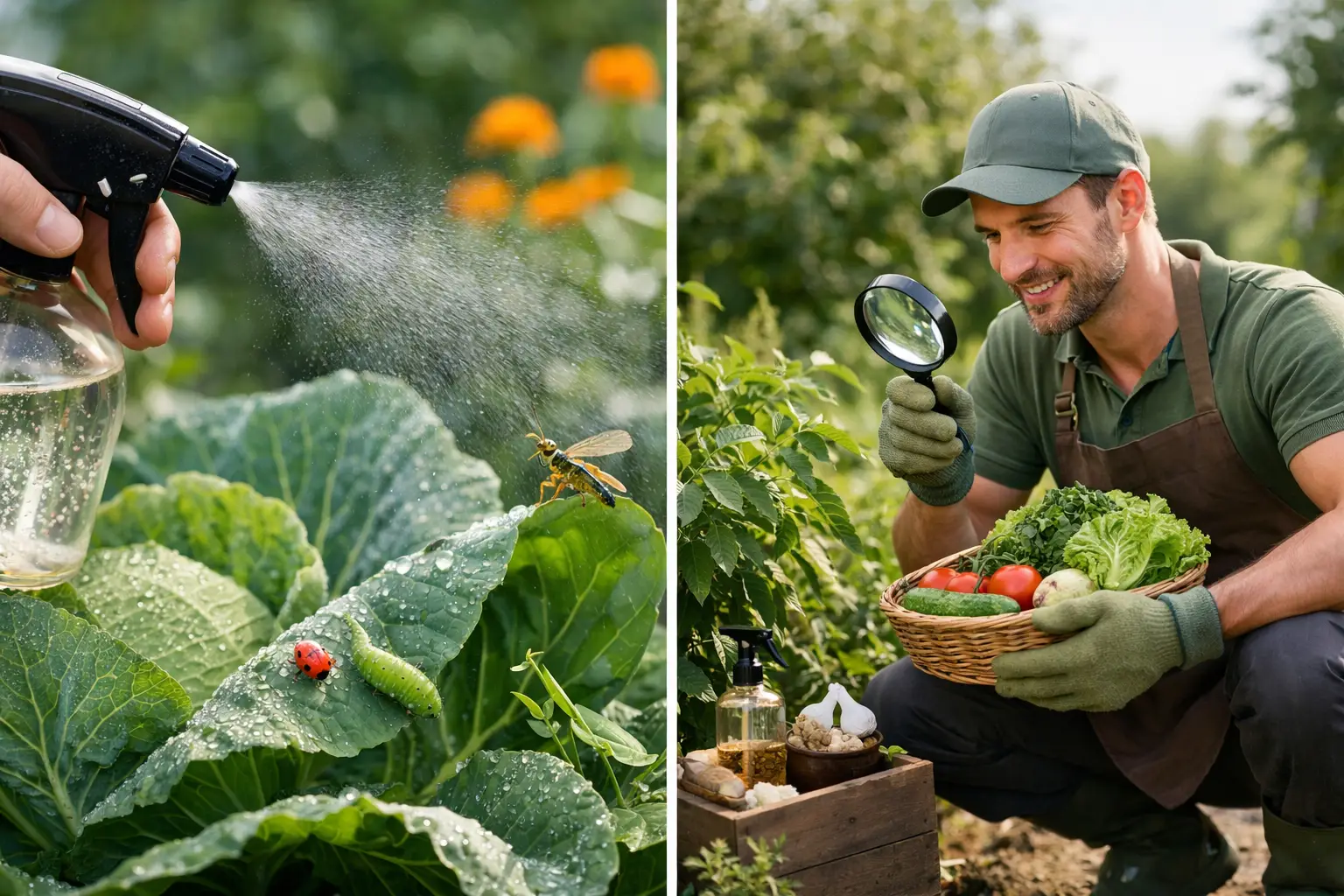
Take a close look before treating anything. Check the undersides of leaves, the growing tips, and the stems. If you see curling, stippling, sticky residue, holes, or clusters of insects, then it makes sense to step in with a natural approach such as a strong water spray, insecticidal soap, or improving airflow and plant health.
Disease is a little different. If the plant is yellowing, spotted, wilted, or collapsing, then slow growth may be part of a larger issue. But if it’s simply sitting still and otherwise looks okay, environmental stress is still the more likely cause.
A few practical fixes that usually help
If your peppers are stalled and you want to help them along, start with the basics instead of doing five things at once. Warm the soil if possible, water deeply but only when needed, and top-dress with compost if the soil seems tired. Make sure the plant is getting full sun and enough root room.
Then give it a little time. Peppers are slower than many gardeners expect, especially early on. One warm stretch of weather can change everything.
If I had to pick the most common answer to why are my peppers not growing, it would be this: they’re uncomfortable. Too cool, too wet, too shaded, too cramped, or too stressed from a recent move. Peppers don’t usually reward fussing, but they do respond when their growing conditions finally line up.
A pepper plant that seems stuck today can still turn into a strong producer once summer settles in. Keep the care simple, stay observant, and let the plant catch up at its own pace.