If you’ve ever planted tomatoes in Florida the same way you would in Ohio or Oregon, you probably learned the hard way that Florida has its own rules. Heat arrives early, humidity changes everything, pests never seem to take a full season off, and what thrives in spring can collapse by midsummer. That’s exactly why a guide to gardening in Florida needs to start with one simple truth: success here comes from timing and plant choice more than effort alone.
Florida gardening can be incredibly productive, but it rewards gardeners who work with the climate instead of fighting it. Once you stop expecting a traditional four-season pattern, things get easier. You begin to see fall as a major planting season, summer as a survival test, and winter as a real opportunity in many parts of the state.
What makes gardening in Florida different
The biggest adjustment is realizing that Florida is not one growing zone with one schedule. North Florida, Central Florida, and South Florida all behave differently. A gardener near Jacksonville can get frost, while someone in Miami may be planting straight through winter. Even within the same region, coastal conditions, sandy soil, and heavy summer rain can change how a garden performs.
That said, the broad pattern is familiar across much of the state. The easiest vegetable gardening windows are usually late fall through spring. Summer is often the toughest stretch for common backyard crops because heat stress, fungal problems, and insect pressure all ramp up fast. New gardeners often blame themselves when squash melts down in July, but often the plant is simply in the wrong season.
A seasonal guide to gardening in Florida
If you want better results, build your garden around Florida’s calendar rather than a generic seed packet schedule.
Fall is one of your best planting seasons
This surprises people, especially if they moved from colder states. In Florida, fall often feels like a fresh start. As the worst summer heat begins to ease, many vegetables become much easier to grow. This is a great time for beans, cucumbers, carrots, beets, lettuce, kale, broccoli, cabbage, and herbs.
The soil is still warm, which helps seeds germinate quickly, but the air is becoming less punishing. Plants usually establish faster and suffer less stress than they do in late spring.
Winter can be highly productive
In much of Florida, winter is not the end of the gardening year. It can be one of the most comfortable and productive times to grow food. Greens, brassicas, root crops, and many herbs perform beautifully during this season. In South Florida, winter is often peak vegetable-growing time.
The trade-off is that cold snaps can still happen, especially farther north. It helps to keep frost cloth or simple covers on hand. You may not need them often, but when temperatures dip unexpectedly, they can save tender plants overnight.
Spring is strong, but short
Spring can be excellent for warm-season crops like tomatoes, peppers, eggplant, and basil. The catch is that the window closes faster than many gardeners expect. If tomatoes go in too late, they may set flowers just as nighttime temperatures climb and disease pressure increases.
That’s why early planting matters. In Florida, getting a healthy crop before extreme summer weather arrives is often the goal. You are racing the heat a little, and that is normal.
Summer is for tough plants and realistic expectations
Summer gardening in Florida is not impossible, but it does require a shift. This is the season for heat-tolerant, humidity-loving crops and a bit more patience. Think sweet potatoes, okra, Southern peas, Seminole pumpkin, Malabar spinach, and certain herbs that can handle the conditions.
This is also a good time to improve beds, grow cover crops, refresh mulch, and prepare for fall. Sometimes the smartest summer gardening decision is not pushing exhausted plants beyond their natural season.
Start with the soil, because Florida soil usually needs help
Many Florida gardeners are working with sandy soil that drains fast and holds fewer nutrients than richer garden loam. That is not a failure. It just means your soil-building habits matter more.
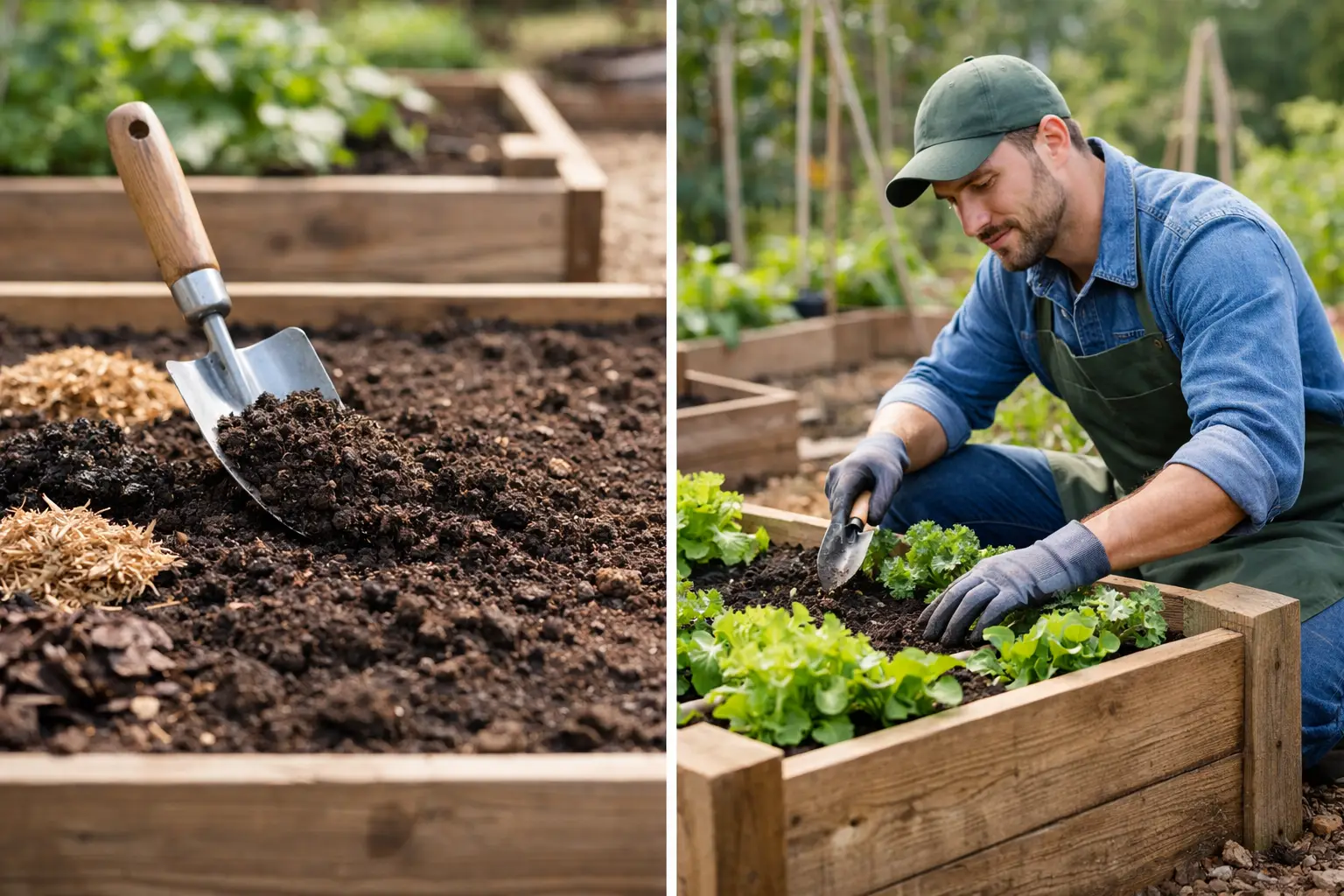
Compost is one of the best things you can add. It improves water retention, feeds soil life, and makes nutrients more available over time. A generous layer worked into beds before planting can make a noticeable difference. Repeated additions matter more than one big fix.
Organic matter is especially valuable here because it helps buffer extremes. Sandy soil dries out quickly, while heavy rain can wash nutrients away. Compost, shredded leaves, aged manure, and natural mulches help create a steadier root zone.
If you’re gardening in containers or raised beds, use a high-quality organic mix rather than yard soil. Containers dry out fast in Florida heat, so a mix that holds moisture while still draining well will save you trouble later.
Watering in Florida takes more judgment than people think
At first glance, a rainy climate sounds easy. In practice, Florida watering can be tricky. You may get a heavy downpour in the afternoon and still find that containers are dry the next morning. Sandy beds can also dry quickly between rains, especially in windy weather.
The goal is deep, steady watering rather than frequent shallow sprinkles. Deep watering encourages stronger roots and helps plants handle heat better. Mulch is a huge help here. A few inches of straw, pine needles, or shredded leaves can keep soil cooler, slow evaporation, and reduce stress during hot spells.
It also helps to water early in the day when possible. Morning watering gives plants time to take up moisture before the hottest part of the day and lowers the risk of prolonged damp foliage overnight. In a humid climate, that matters.
Choose crops that actually want to be here
One of the most useful parts of any guide to gardening in Florida is permission to stop forcing plants that hate the conditions. You can grow tomatoes and cucumbers successfully, but timing is everything. Meanwhile, some crops are naturally better suited to Florida’s long warm season.
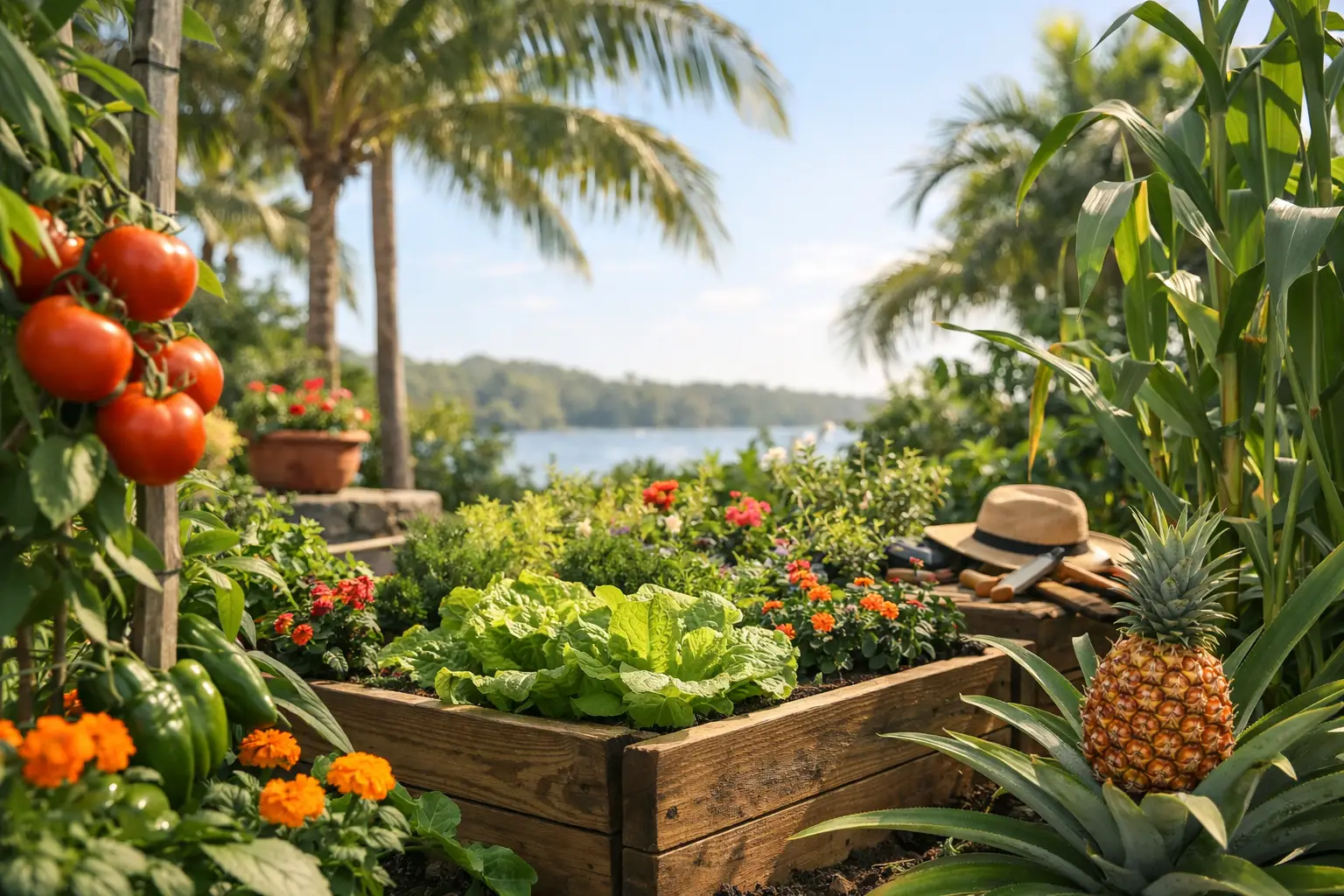
Herbs like basil, rosemary, oregano, and mint often do well with the right placement. Peppers can be very productive. Okra is one of those plants that seems almost unfazed by summer. Sweet potatoes are generous growers, and Southern peas are dependable when many other vegetables struggle.
For flowers and pollinator support, look for plants adapted to heat and humidity. Native and Florida-friendly choices usually need less fuss, less water, and less intervention. That fits well with a natural gardening approach.
Natural pest and disease control works best when it starts early
Florida’s climate is kind to plants, but it is also kind to insects and fungal disease. Waiting until a garden is overwhelmed usually leads to frustration. The better approach is prevention, observation, and quick action.
Healthy soil, proper spacing, and good airflow go a long way. Crowded plants stay wet longer and invite problems. Watering the soil instead of soaking the leaves helps too. So does removing weak or diseased plant material before issues spread.
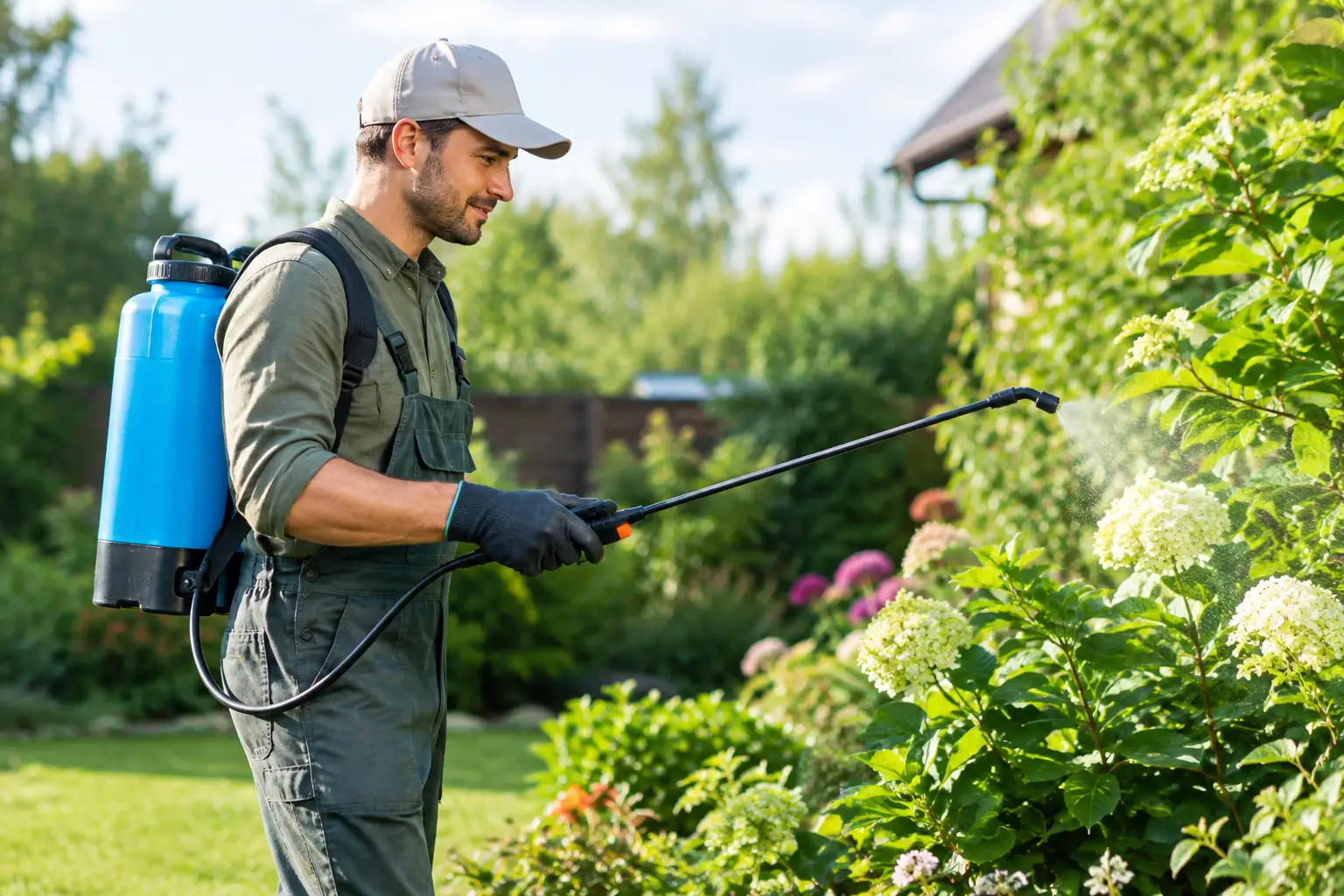
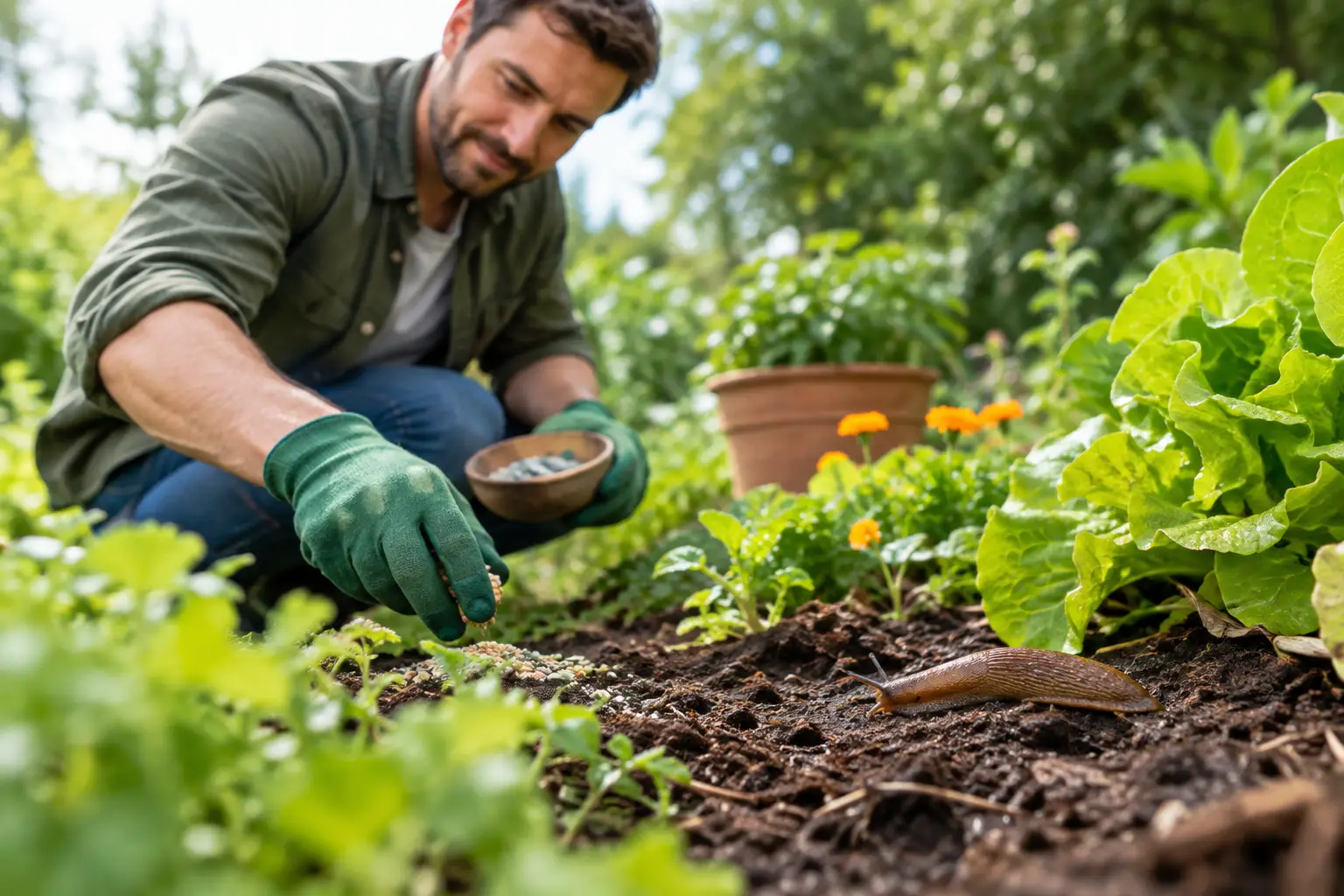
For pest control, the simplest methods are often the most effective. Hand-picking large insects, spraying aphids off with water, using insect netting on vulnerable crops, and encouraging beneficial insects can solve a surprising number of problems. Organic treatments can help, but they work best when used carefully and early rather than as a last-minute rescue.
It also helps to accept that some cosmetic damage is part of an organic garden. A few chewed leaves do not mean failure. The aim is healthy, productive plants, not perfect ones.
Raised beds and containers can make Florida gardening easier
If your yard has poor soil, drainage issues, or limited space, raised beds and containers are practical tools. They let you control soil quality, improve drainage, and place plants where they get the best light.
Containers are especially useful for herbs, salad greens, peppers, and patio vegetables, but they do need more frequent watering. In peak summer, that can mean checking them daily. Larger containers tend to be easier than tiny ones because they hold moisture more consistently.
Raised beds warm up fast, drain well, and are easier to amend with compost over time. For many home gardeners, they simplify the whole process.
The biggest Florida gardening mistake is planting at the wrong time
Most gardening problems here can be traced back to timing. If a crop is struggling, ask when it was planted before assuming the soil, fertilizer, or watering is the issue. A tomato planted a month too late may never really recover, no matter how carefully you tend it.
That can be frustrating at first, but it is also good news. Timing is something you can improve quickly. Keep notes, notice what thrives in your yard, and treat each season as information. A garden in Florida gets easier once you stop trying to match someone else’s climate.
If you keep things simple, build your soil, and grow what fits the season, Florida can be one of the most rewarding places to garden naturally. Start with a few crops, pay attention to the calendar, and let your garden teach you the rest.