A five-gallon bucket with one happy tomato plant can outproduce a whole patch of struggling garden soil. That is why container vegetable garden examples are so useful – they help you picture what to plant, how much space it needs, and what actually works in everyday yards, patios, balconies, and front porches.
If you have ever stood in the garden center holding a pot and wondering, What should go in this, you are not alone. Containers make vegetable gardening feel manageable, but they can also make it easy to crowd plants, mix the wrong crops, or choose a pot that dries out by noon. A good example gives you a starting point you can trust, then you can adjust based on your light, climate, and how much watering you are willing to do.
What makes container vegetable garden examples work
The best container gardens are not always the prettiest ones in a photo. They are the ones built around three simple realities: root space, sunlight, and moisture. Most vegetables need more root room than beginners expect, full sun for at least six to eight hours, and steady watering to avoid stress, blossom drop, or bitter flavor.
Organic container growing also depends on the potting mix doing a lot of heavy lifting. Garden soil is usually too dense for pots, so use a quality potting mix with compost blended in. From there, regular feeding matters because every watering washes nutrients through the container. A gentle organic liquid fertilizer or compost tea during active growth can make a noticeable difference.
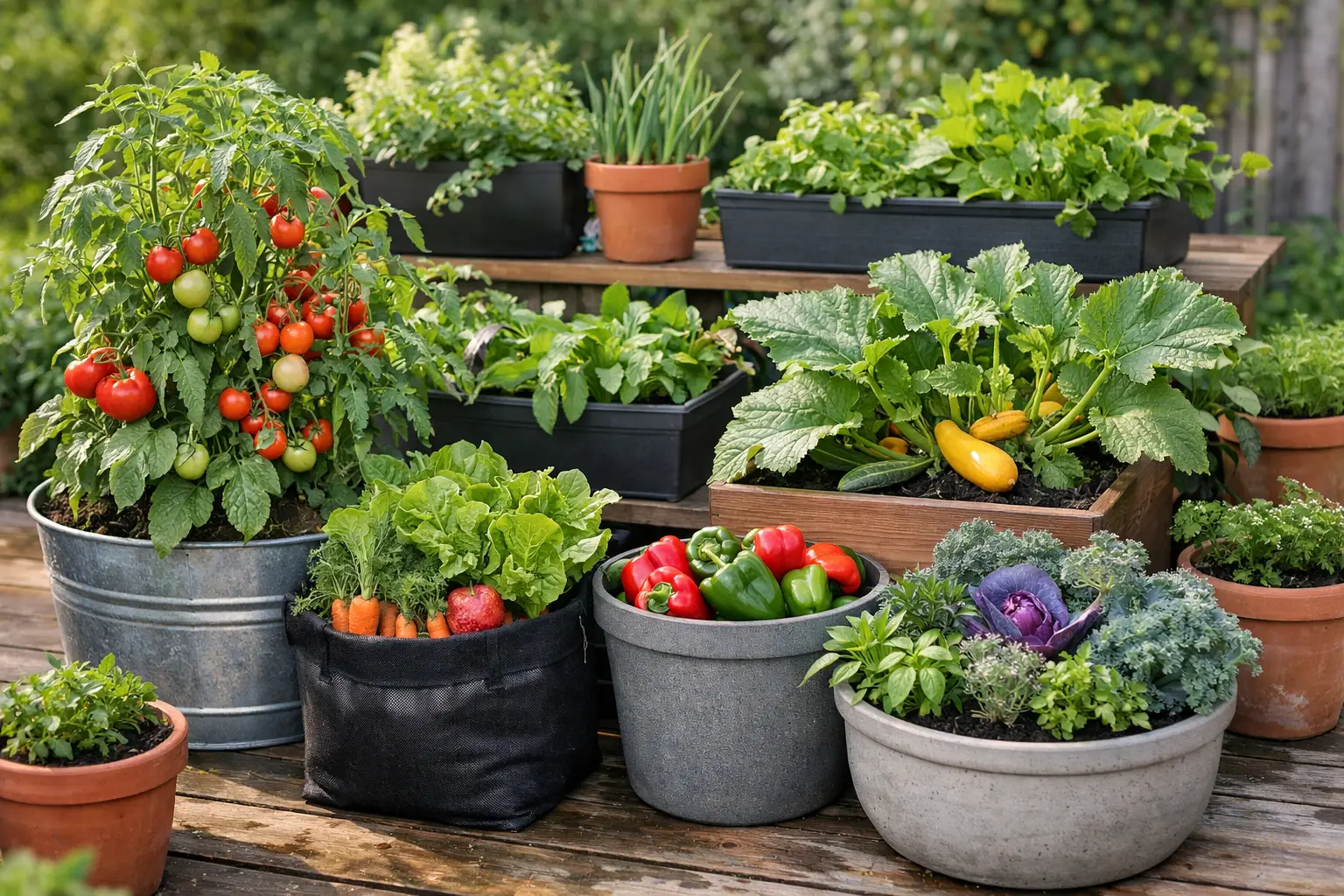
10 container vegetable garden examples to copy or adapt
1. Patio tomato pot
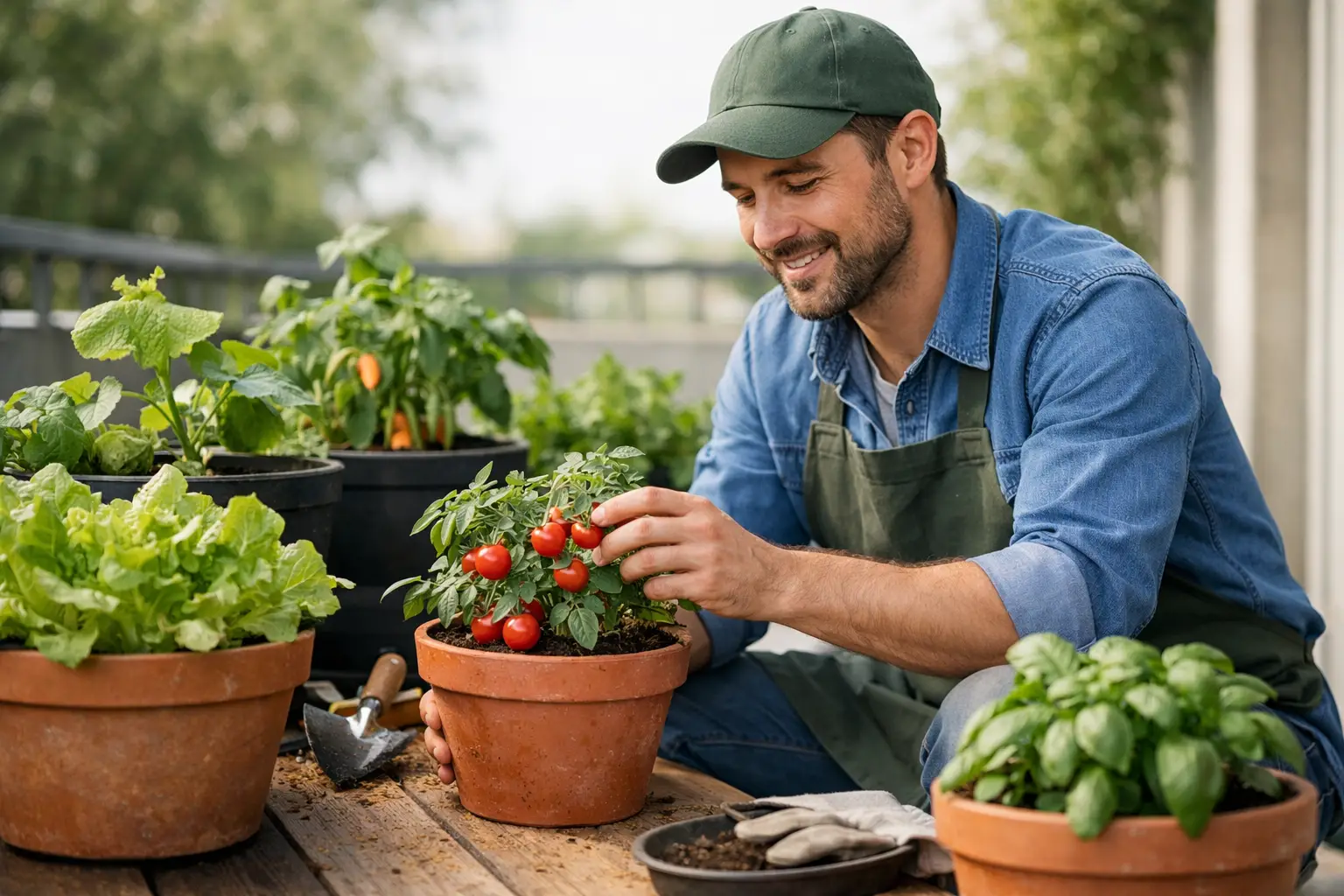
This is the classic for a reason. Use one large container, ideally 15 to 20 gallons, for one determinate tomato or a compact cherry tomato. Add a sturdy cage at planting time, then tuck in basil at the edge if the pot is wide enough.
This setup works because tomatoes are hungry, thirsty plants that do best when they are not competing with three other vegetables. The trade-off is space. One tomato can take over a container, but if you want reliable fruit, giving it the whole pot is usually the better call.
2. Salad bowl container
A wide, shallow planter can hold leaf lettuce, arugula, and a few green onions. This is one of the easiest container vegetable garden examples for beginners because the crops grow quickly and do not need deep soil.
The trick is to harvest often and keep the container in morning sun if your afternoons are hot. In many parts of the US, salad greens last longer with a little shade after lunch. If you place this kind of pot in full summer heat all day, it may bolt fast.
3. Pepper and herb combo pot
One sweet pepper or jalapeno in a 5-gallon container, with parsley or basil around the edges, makes a practical and good-looking patio planting. Peppers stay tidier than tomatoes and usually handle container life well once the weather is warm.
What matters most here is patience. Peppers often sit still for a while, then suddenly take off when nights warm up. Overwatering is a common mistake. Let the top inch of mix dry slightly before watering again.
4. Bush bean box
Bush beans are a smart choice for a rectangular planter or window box with decent depth. They sprout fast, fix some nitrogen, and do not need a trellis the way pole beans do.
This is a nice option if you want a productive container without managing a climbing structure. The downside is the harvest comes in a shorter window. If you want beans all season, sow a fresh round every couple of weeks.
5. Cucumber with vertical support
A large pot with one compact or patio cucumber and a trellis can turn a small corner into a surprisingly productive spot. Cucumbers need more water than many gardeners expect, especially once vines are growing fast and setting fruit.
This example works best if you keep the leaves dry when possible and avoid crowding the base with too many companions. Good airflow helps reduce mildew. A layer of mulch on top of the potting mix also helps slow evaporation.
6. Root crop crate
Carrots, radishes, and beets can do very well in deep containers, especially if your native soil is rocky or heavy. A crate, tall planter, or grow bag with loose potting mix gives roots the straight path they need.
Radishes are the quickest reward here, while carrots ask for more patience and steady moisture. If carrots grow into stunted little forks, the mix may be too compact or the seedlings may be overcrowded. Thin them early, even though it feels wasteful.
7. Eggplant in a dark pot
Eggplant loves heat, which makes it a natural fit for containers in warm, sunny spots. One plant in a 7- to 10-gallon pot is usually enough. Compact varieties are often the easiest choice for home growers.
This is one of those examples where your climate matters a lot. In cooler regions, a container can actually help because the soil warms faster than in-ground beds. In very hot areas, though, the pot may dry quickly, so keep an eye on moisture during fruit set.
8. Green onion and chive trough
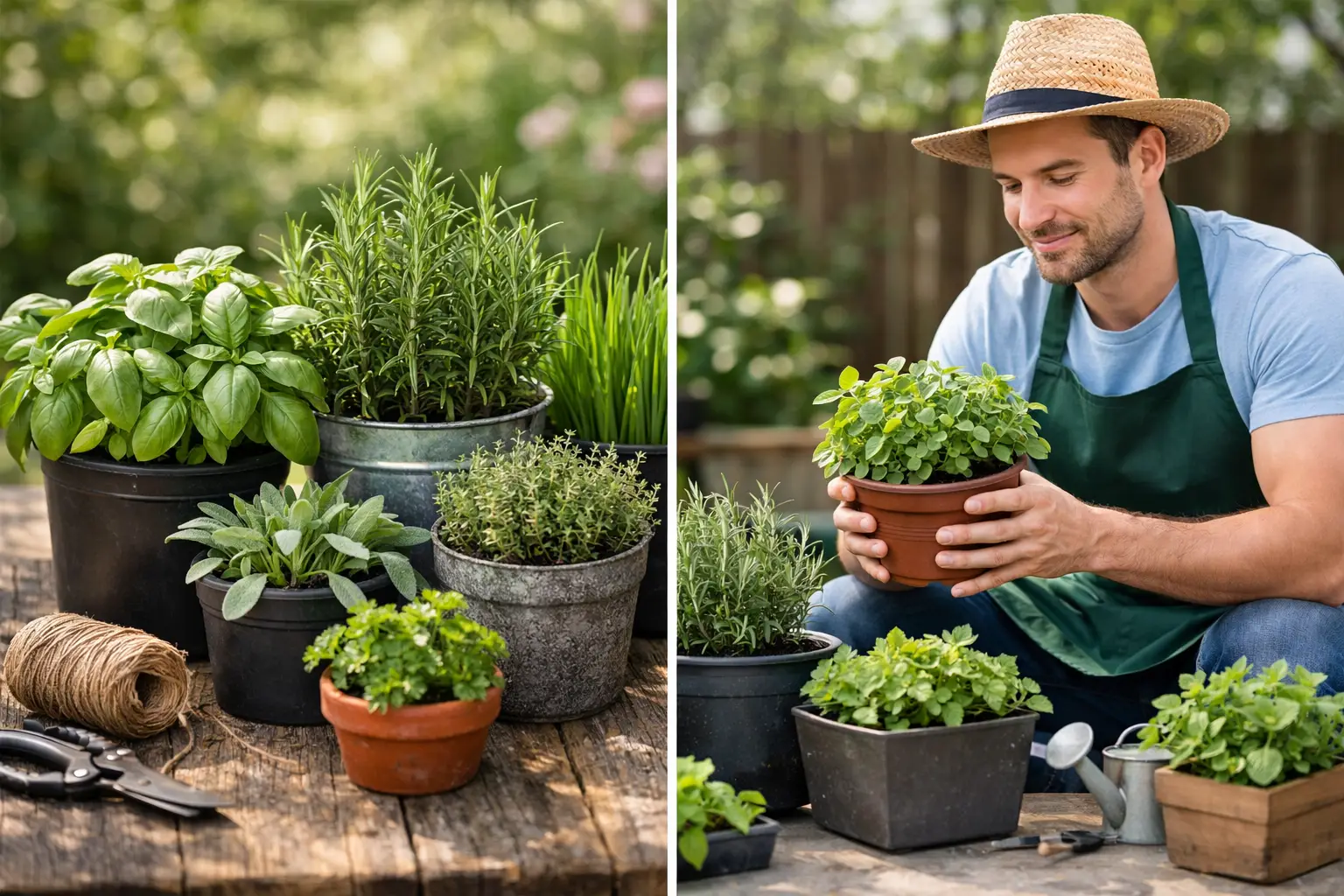
If you cook often, a narrow planter filled with green onions and chives earns its keep. These crops do not demand much room, and they are easy to snip as needed.
This is less of a big harvest container and more of a useful kitchen garden piece. It is especially nice near the back door where you will remember to use it. A little compost worked into the top of the pot every few weeks keeps it productive.
9. Potato grow bag
Potatoes in grow bags are satisfying because harvest day feels a bit like digging for treasure. Start with a bag at least 10 gallons, add seed potatoes, and hill them with more mix or compost as the stems grow.
This is a fun project for families and beginners, but it is not the most space-efficient crop if room is tight. You trade compact storage and easy harvesting for a container that takes up space for a while before giving much visual payoff.
10. Mixed summer harvest planter
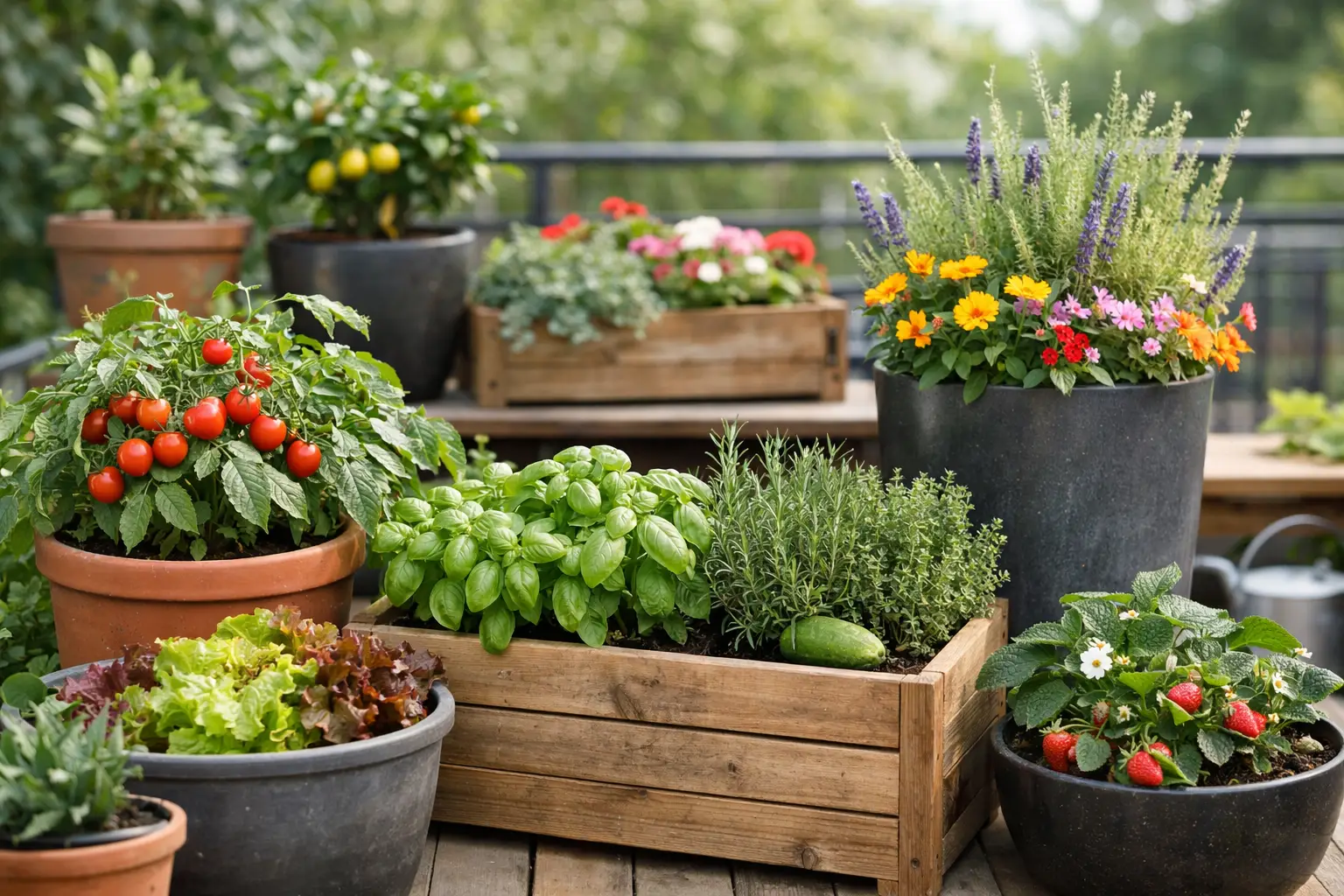
If you want one container with variety, try a large stock tank or oversized raised container with one pepper, a few basil plants, one compact bush bean section, and a border of leaf lettuce early in the season. As temperatures rise, the lettuce can be harvested out, leaving more room for the warm-season crops.
This kind of mixed planter works when the container is truly large. In a small pot, mixed plantings often become a competition for water and nutrients. Bigger containers are more forgiving, which is why they are usually the best place to experiment.
How to choose the right example for your space
Start with sunlight, not with the crop you are craving. If you only get four to five hours of direct sun, leafy greens, herbs, and green onions are usually better choices than tomatoes or eggplant. Fruiting vegetables can still grow in less light, but the harvest may be sparse.
Next, think honestly about watering. Small pots dry out fast, hanging baskets dry out even faster, and black containers heat up more than lighter ones. If you are home every day and do not mind checking pots often, you have more flexibility. If your schedule is busy, larger containers will save you a lot of stress.
Then consider what you actually like to eat. A container garden should be useful, not just impressive. One sturdy cherry tomato, a pepper, and a salad bowl may feed your kitchen better than six novelty crops you forget to harvest.
Common mistakes with container vegetable gardens
The most common problem is trying to fit too much into one pot. Seedlings look tiny, so it is tempting to pack them in. A month later, roots are crowded, leaves are competing for light, and the whole container dries out twice as fast.
Another issue is uneven watering. Letting containers swing from bone dry to soaking wet stresses plants and can lead to cracked tomatoes, bitter cucumbers, or blossom end rot. Consistent moisture matters more than perfect timing.
Feeding gets overlooked too. Potting mix starts out rich enough for young plants, but vegetables use that up quickly. A simple organic feeding routine, even every couple of weeks, can be the difference between surviving plants and productive ones.
A simple way to get started
If you are new to this, do not begin with six containers and a complicated planting chart. Pick two examples: one easy, quick crop like a salad bowl, and one warm-season favorite like a pepper or tomato in a large pot. That gives you a fast win and a longer harvest without turning the patio into a part-time job.
There is a reason experienced gardeners come back to containers year after year. They are flexible, forgiving when set up well, and a great way to grow food close to where you live your life. Start with one container that matches your sun, your schedule, and your dinner plate, and let success shape the next one.