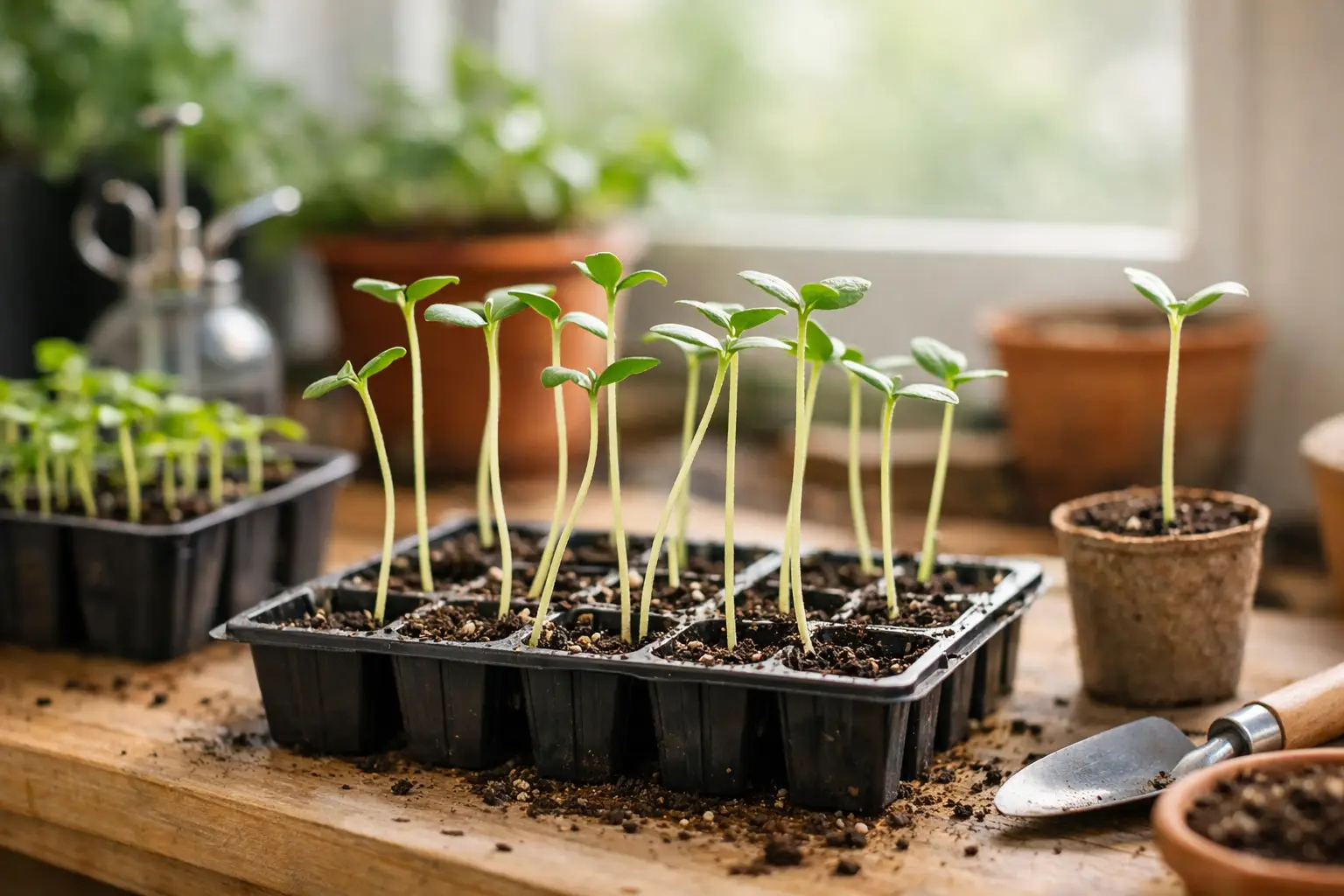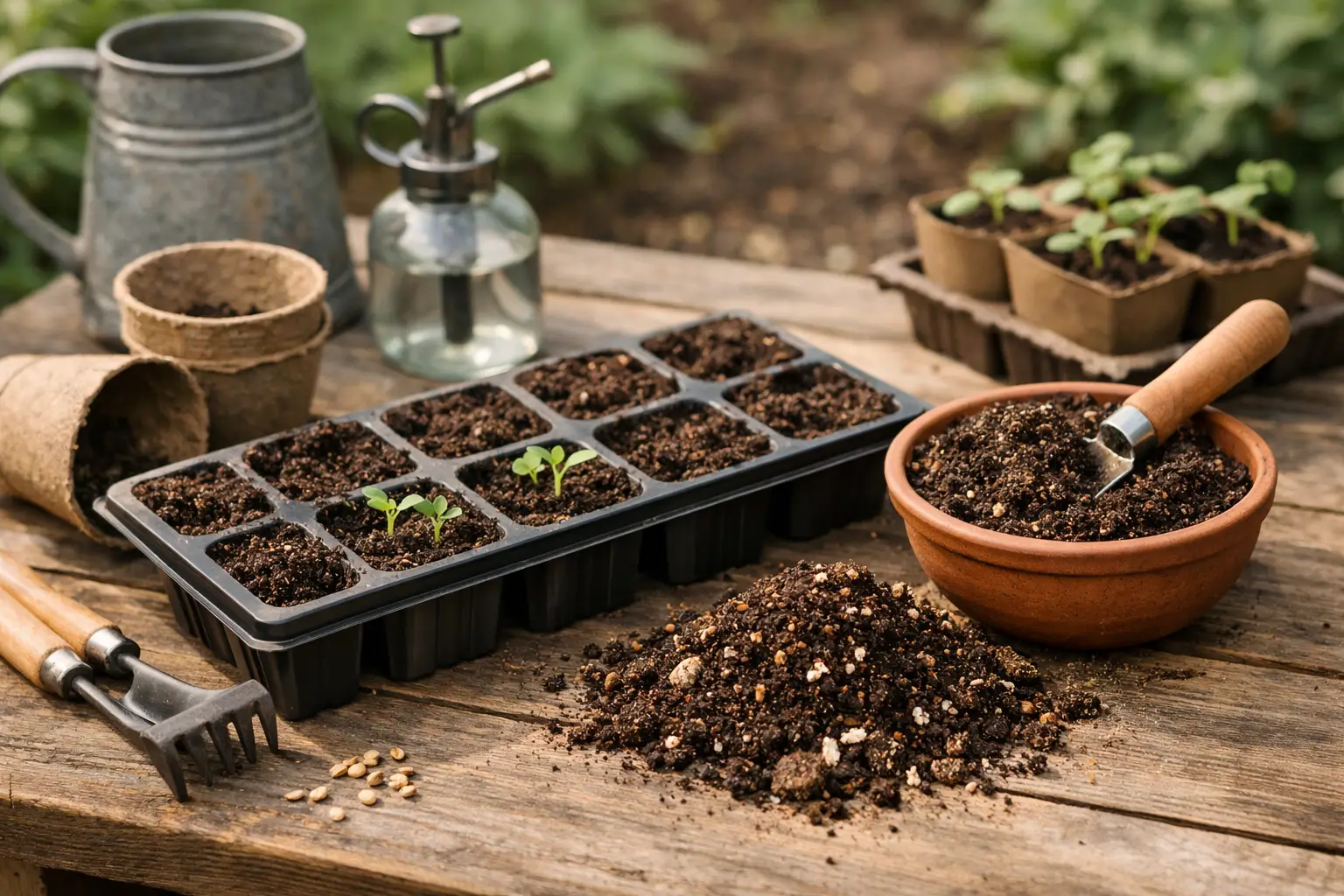
If your seeds sprout and then stall, flop over, or fade out for no obvious reason, the problem is often right under them. An organic seed starting mix can make the difference between sturdy little seedlings and a tray full of frustration. It is one of those small choices that affects nearly everything that happens in the first few weeks.
Seed starting mix is not the same thing as garden soil, and it is not always the same as potting mix either. Seeds need a light, fine-textured growing medium that holds enough moisture to stay evenly damp without turning soggy. They also need plenty of air around new roots. That balance is where a good mix earns its keep.
What makes an organic seed starting mix different?
An organic seed starting mix is made with natural ingredients and without synthetic fertilizers or chemical wetting agents. Depending on the brand or recipe, it may include coconut coir or peat moss for moisture retention, compost or worm castings for a small nutrient boost, and perlite or pumice for drainage and airflow.
The word organic can be a little slippery on gardening products, so it helps to look past the front label. Some mixes are labeled organic because they contain organic ingredients, while others are certified under a recognized organic standard. For most home gardeners, the bigger question is whether the mix is clean, light, and appropriate for starting seeds indoors. A mix can be technically organic and still be too dense or too rich for reliable germination.
That last point surprises a lot of gardeners. Rich soil sounds like a good thing, but seeds do not need much nutrition at first. They need moisture, warmth, oxygen, and a soft place to root. Too much compost in a seed mix can hold excess water, introduce uneven texture, or encourage fungal problems if airflow is poor.
Why regular potting soil usually falls short
It is tempting to grab whatever bag of potting soil is already in the shed. Most of us have done it. Sometimes you get away with it, especially with larger seeds like squash or beans. But regular potting mix is usually built for established plants, not brand-new seedlings.
Many potting soils are chunkier, heavier, and more fertilized than seed starting mix. Those larger particles can make it harder for tiny seeds to stay in contact with moisture. Heavier mixes also dry unevenly on top while staying wet below, which is not ideal for germination. And if the mix contains bark fines or larger compost pieces, delicate roots can struggle to move through it.
Garden soil is an even tougher fit. It compacts easily in containers, drains poorly, and can carry weed seeds or plant diseases. Outdoors, your soil may be wonderful. In a seed tray on a windowsill, it usually creates more problems than it solves.
The best texture for seed starting
When I am checking a mix, I want it to feel soft and crumbly, not sticky or lumpy. A good seed starting mix should hold together loosely when squeezed, then fall apart easily. That texture helps seeds stay moist while still getting airflow.
Fine texture matters most for small seeds like lettuce, basil, snapdragons, or peppers. If the mix is too coarse, those tiny seeds can settle unevenly or get buried deeper than intended. Larger seeds are more forgiving, but they still benefit from a light mix that drains well.
Moisture behavior is just as important. The mix should absorb water without becoming muddy. Some organic mixes based on coir can be easier to re-wet once they dry out, while peat-based mixes often hold moisture very well but can be stubborn if allowed to get bone dry. Neither is automatically better. It depends on your watering habits, your indoor conditions, and whether you tend to overwater or forget a tray for a day.
How to choose a good organic seed starting mix
Start with the ingredient list, not the marketing language. Look for a short, simple mix that includes a moisture-holding base such as coir or peat, plus an aeration ingredient like perlite or pumice. A small amount of compost or worm castings is fine, but the mix should still feel light rather than dense.
If the bag feels heavy for its size, that can be a clue that it is too rich or too wet-holding for seed trays. If you can see large wood pieces, uncomposted chunks, or stringy material, it may be better suited to potting up seedlings later rather than germinating seeds.
It also helps to think about what you are starting. Tomatoes, zinnias, cucumbers, and sunflowers are fairly forgiving. Celery, herbs, and many flowers are pickier. If you mostly start easy crops, a basic organic mix is usually enough. If you start lots of tiny or slow-germinating seeds, texture becomes much more important.
Can you make your own organic seed starting mix?
Yes, and plenty of gardeners do. A homemade mix gives you control and can save money if you start a lot of plants each season. A simple version often includes coconut coir for moisture retention, perlite for air space, and a small amount of screened compost or worm castings.
The trade-off is consistency. Homemade mixes work best when ingredients are measured fairly carefully and blended well. Compost can vary a lot from batch to batch. If it is too coarse or not fully finished, it can lead to uneven germination or fungus gnats indoors. That does not mean you should avoid homemade mixes. It just means they are worth testing before you fill every tray.
If you make your own, screen any compost so you end up with a fine, even texture. Then moisten the mix before filling containers. Dry ingredients can be dusty and hard to wet thoroughly once they are packed into cells.
Common problems that start with the mix
One of the most common seed-starting issues is damping off, where seedlings suddenly collapse at the base. That problem is usually not caused by the mix alone, but soggy conditions, poor airflow, and contaminated containers all make it more likely. A clean organic seed starting mix helps because it drains better and reduces stress on young roots.
Another problem is crusting. If the surface of the mix dries into a hard layer, tiny seedlings can struggle to push through. This happens more often with dense mixes or with mixes that contain a lot of compost. A lighter blend stays more open on the surface.
Then there is the opposite issue – trays that dry out too fast. If your home is warm and dry, or if seed trays sit near a heat source, a very airy mix may need more frequent watering. That is where observation matters more than perfection. The best mix in one home can be annoying in another.
When seedlings need more than seed starting mix
A seed starting mix is only meant for the earliest stage. Once seedlings have their first true leaves and begin growing quickly, they often need more room and a little more nutrition. That is the point where many gardeners pot up into a richer organic potting mix.
This step matters because even a great seed starting mix is intentionally mild. It gives seedlings a healthy beginning, but it is not meant to carry them for months. If your seedlings turn pale after a strong start, they may simply be ready for potting up or a diluted organic fertilizer.
That shift is normal, not a sign you chose the wrong mix. Think of seed starting mix as a nursery, not a permanent home.
A simple way to get better results
If you want one practical habit that improves germination fast, pre-moisten your mix before sowing. Not soaking wet, just evenly damp like a wrung-out sponge. Fill your trays loosely, level the surface gently, and sow at the right depth for each seed. Then water carefully so seeds stay in place.
That one step solves a surprising number of issues. Dry pockets disappear, small seeds stay where you put them, and the surface stays more even. It also helps you avoid the common mistake of overwatering after sowing just to get the mix fully wet.
There is no single perfect organic seed starting mix for every gardener. Some people do best with a simple bagged blend. Others love mixing their own. What matters most is that your mix is light, clean, and suited to the tender stage when seedlings are just getting started.
If you have struggled with weak starts in the past, do not assume you lack a green thumb. Often, you just need a better foundation. Give your seeds a mix that holds moisture without smothering roots, and they will do a lot of the work from there. The first few weeks should feel hopeful, not fussy.