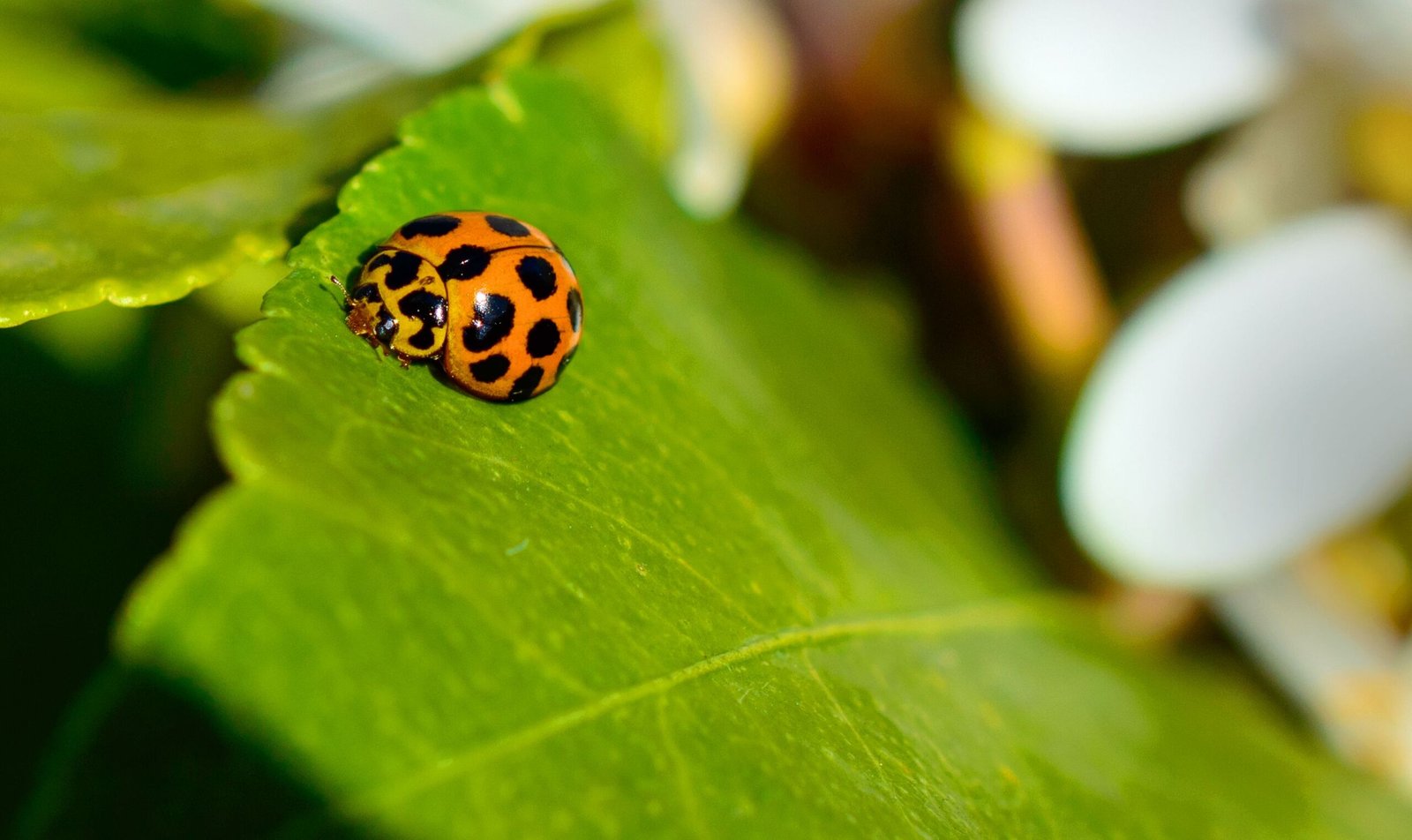
A tomato hornworm can strip a leafy tomato plant faster than most gardeners expect. The tempting response is to reach for a spray, but a healthier garden has another line of defense already nearby: predatory and pollinating insects. Learning how to attract beneficial insects gives your vegetable patch a better chance of handling pests naturally, with fewer products and less worry around food, pets, and family spaces.
📋 Table of Contents
The goal is not a garden with no insects. That is neither realistic nor desirable. The goal is a garden with enough variety that aphids, caterpillars, and other troublemakers do not get an easy takeover.
Why Beneficial Insects Need More Than Flowers
Lady beetles, lacewings, hoverflies, parasitic wasps, ground beetles, spiders, native bees, and many other small garden helpers all have different jobs. Some eat soft-bodied pests such as aphids and mites. Some lay eggs in or on pest insects. Others pollinate cucumbers, squash, beans, peppers, and fruiting plants.
What they share is a need for food, water, cover, and a place to reproduce. A single pot of blooms may bring in a few visitors, but it will not necessarily support them through the season. Think of your garden as a small habitat rather than a collection of plants. The more consistently it offers the basics, the more likely helpful insects are to stay.
This is also why beneficial insects do not create instant pest control. It can take a little time for predators to find an aphid outbreak and reproduce. A few chewed leaves early in the season are often the signal that draws the right help to your garden.
Plant Flowers That Feed Adult Beneficials
Many predatory insects eat pests during one stage of life but need nectar and pollen as adults. Hoverfly larvae, for example, are impressive aphid eaters, while adult hoverflies feed on flowers. Tiny parasitic wasps also rely on accessible nectar.
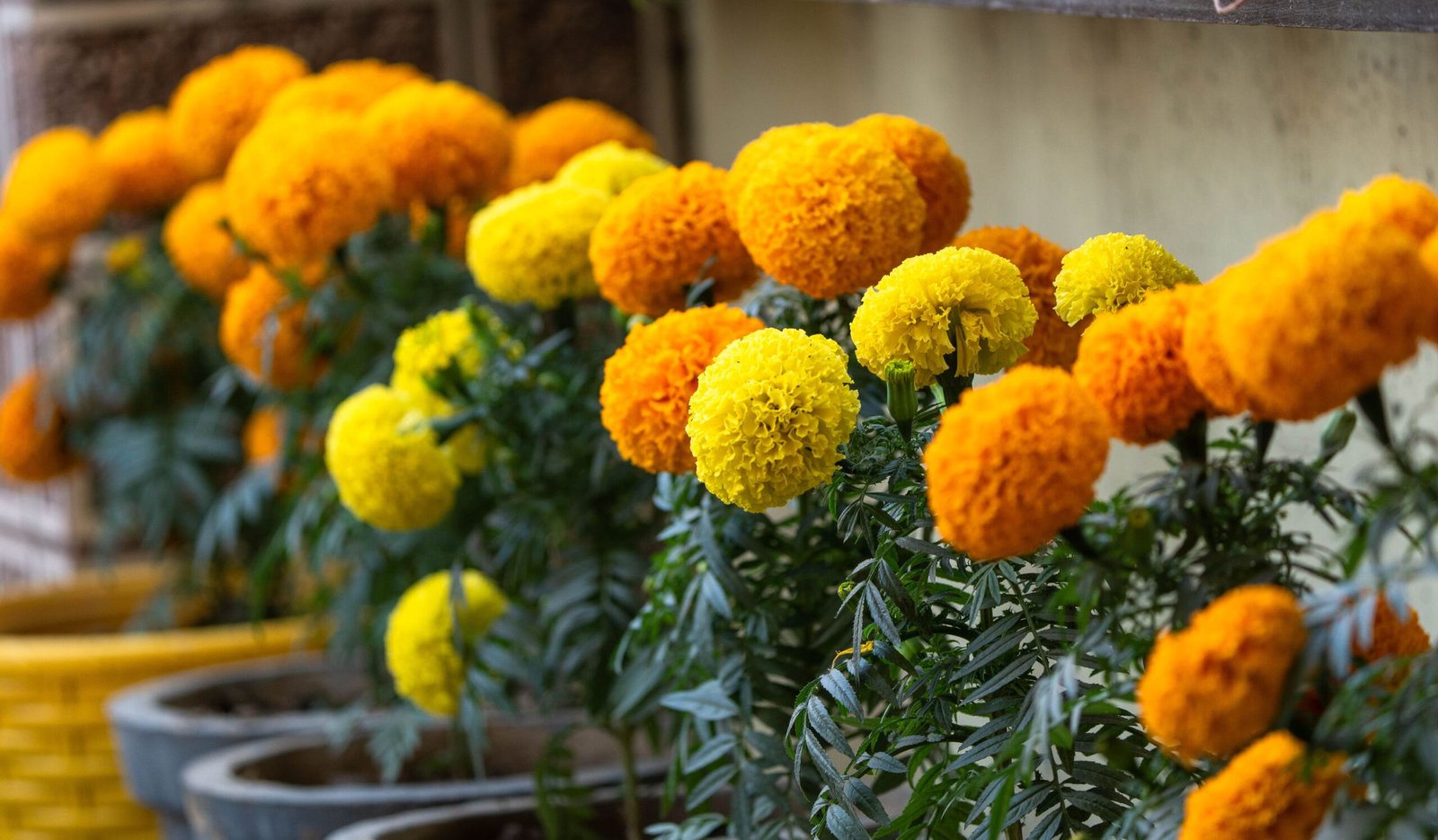
Choose flowers with lots of small, open blooms rather than heavily doubled varieties. Their shallow flower centers make food easier for small insects to reach. Good choices for vegetable beds and containers include sweet alyssum, calendula, cosmos, zinnias, dill, cilantro, fennel, basil, borage, yarrow, and native asters.
You do not need a separate flower garden to make this work. Tuck alyssum along the edge of raised beds, let a few cilantro plants bolt after harvest, or grow basil for both the kitchen and its late-season flowers. I have found that the most useful flowers are usually the ones planted right among the vegetables, not in a neat bed across the yard.
Aim for overlapping bloom times. Early flowers help insects get established in spring, while late-blooming choices provide food when many vegetable crops are slowing down. In much of the US, spring-sown annuals and fall asters can cover the ends of the season, with herbs and summer flowers filling the middle.
Native plants deserve a place, too. They are often especially well matched to local bees and other insects. The best options vary by region, so use native plant recommendations from your state, county, or local nursery rather than assuming one plant works everywhere.
Let Some Herbs Flower
Herbs are one of the easiest ways to add insect-friendly flowers without changing the look of your garden. Dill, cilantro, parsley, oregano, thyme, chives, and basil all become valuable once they bloom. You may lose a little leaf quality as plants flower, but leaving a few plants for the insects is a worthwhile trade-off.
Fennel is particularly attractive to beneficial insects, but it can grow large and may self-seed. Give it space, remove seed heads if you do not want volunteers, and avoid planting it where it will shade smaller crops.
Provide Water, Shelter, and a Little Mess
Even a well-planted garden can feel like a dry, exposed place to a tiny insect. A shallow water source helps, especially during hot weather. Use a saucer, birdbath edge, or shallow dish with pebbles, marbles, or small stones breaking the surface. Insects need a safe landing place, not a deep pool where they can drown. Refresh the water often, particularly if mosquitoes are a concern.
Shelter matters just as much. Ground beetles and spiders hunt pests near the soil, and they need cool, protected spots during the day. A layer of organic mulch, a few flat stones at the bed edge, low-growing plants, and patches of leaf litter can provide cover. You do not have to leave the whole yard untidy. A small, intentional wild corner is enough to make a difference.
Avoid clearing every stem and leaf the moment fall arrives. Hollow stems can shelter overwintering insects, while leaf litter protects pupae and other small creatures. If a perfectly clean garden is important to you, leave the messier habitat in a less visible spot behind shrubs, beside a fence, or near the compost area.
Stop Removing the Help You Want
Broad-spectrum insecticides are the fastest way to undo your habitat work. They do not reliably distinguish between a pest and the insects that eat it. Even some products approved for organic gardening can harm bees, lady beetles, lacewings, and aquatic life when used carelessly.
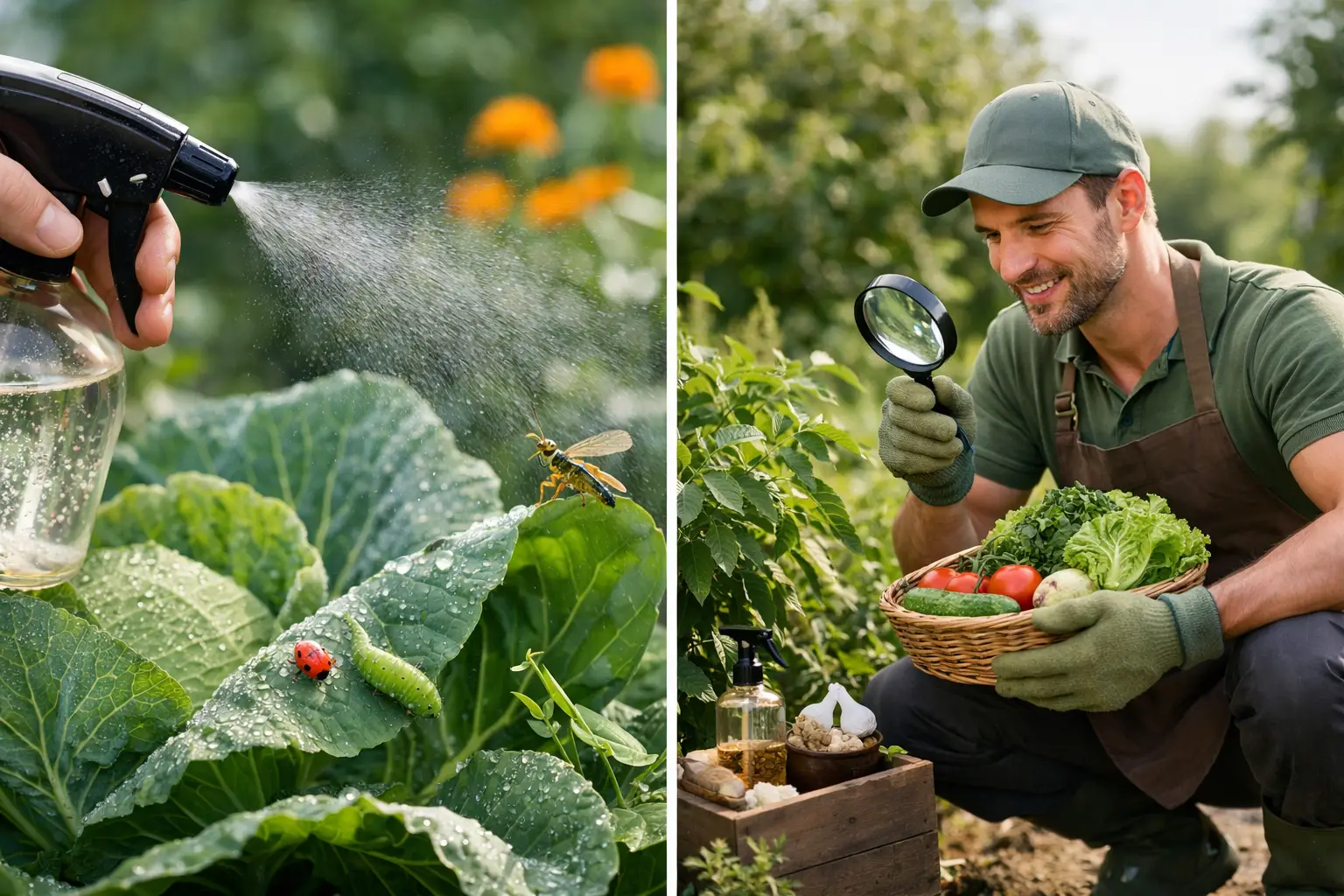
Before treating a pest, take a closer look. Aphids are a good example. A small colony may be handled by a strong spray of water, a hand wipe, or simply by waiting for hoverfly larvae and lady beetles to arrive. If a pest is causing serious damage, choose the least disruptive approach first: handpick large caterpillars, use row cover before pests appear, prune badly infested growth, or target the specific problem rather than spraying the entire garden.
If you use insecticidal soap or horticultural oil, apply it only where needed and follow the label exactly. Spray in the evening after pollinators have stopped foraging, never on drought-stressed plants or open flowers, and do not assume “natural” means harmless. These products can be useful tools, but they work best as a precise response, not a routine.
Grow a More Varied Garden
Large blocks of one crop are easy for pests to find and easy for beneficial insects to overlook until damage has started. Mixing vegetables, herbs, flowers, and a few perennial plants creates more scent, structure, and food sources. It also gives predators somewhere to live when one crop is removed.
Try planting flowers at the ends of rows, herbs between tomatoes and peppers, and flowering containers near a patio vegetable garden. If your space is small, one pot of alyssum, one pot of blooming herbs, and a shallow water dish can still make the area more welcoming.
Diversity does not mean crowding everything together. Tomatoes, squash, and cucumbers still need airflow to avoid disease. Keep mature plant size in mind, give crops their proper spacing, and add companion plants where they will not compete heavily for sun and water.
Be Patient With the Balance
A beneficial-insect garden will still have holes in leaves, aphids on tender shoots, and the occasional caterpillar on a kale plant. Those signs do not automatically mean your method has failed. They are often part of the food web that keeps predators returning.
Watch for the helpers before making a decision. Look under leaves for lacewing eggs on thin stalks, hoverfly larvae that resemble tiny green or brown slugs, lady beetle larvae with their spiky, alligator-like shape, and small wasps visiting flower clusters. These are easy to miss until you begin looking for them.
The biggest change usually comes from repeating these habits season after season. Add a few accessible flowers, leave a little cover, keep water available, and use sprays only when truly necessary. Your garden does not need to be perfect to become a safer, busier place for the insects that help it grow.
🌿 Recommended Pest Control Products
As an Amazon Associate, The Natural Gardener earns from qualifying purchases at no extra cost to you.
Garden Safe Neem Oil Extract
Ready-to-use neem oil spray. Works on aphids, mites, whiteflies and more.
~$12–$18
Harris Diatomaceous Earth Food Grade
Kills crawling insects by damaging their exoskeleton. Safe around kids & pets.
~$14–$22
Spray-N-Grow Micronutrients
Strengthens plants so they naturally resist pest damage.
~$20–$35
Sticky Yellow Insect Traps
Non-toxic traps for fungus gnats, whiteflies and aphids. 20-pack.
~$8–$12
🌱 More Gardening Resources
Curated partner recommendations — I earn a small commission at no cost to you.
True Leaf Market
Heirloom, organic & specialty seeds. Huge selection for veggie growers.
Shop Seeds →Garden Tool Picks
Soil meters, pruners, sprayers and raised beds — tools that actually work.
Shop on Amazon →Natural Pest Supplies
Neem oil, diatomaceous earth, sticky traps — organic solutions that work.
Shop on Amazon →Affiliate links — your purchases support this blog at zero extra cost. Thank you!