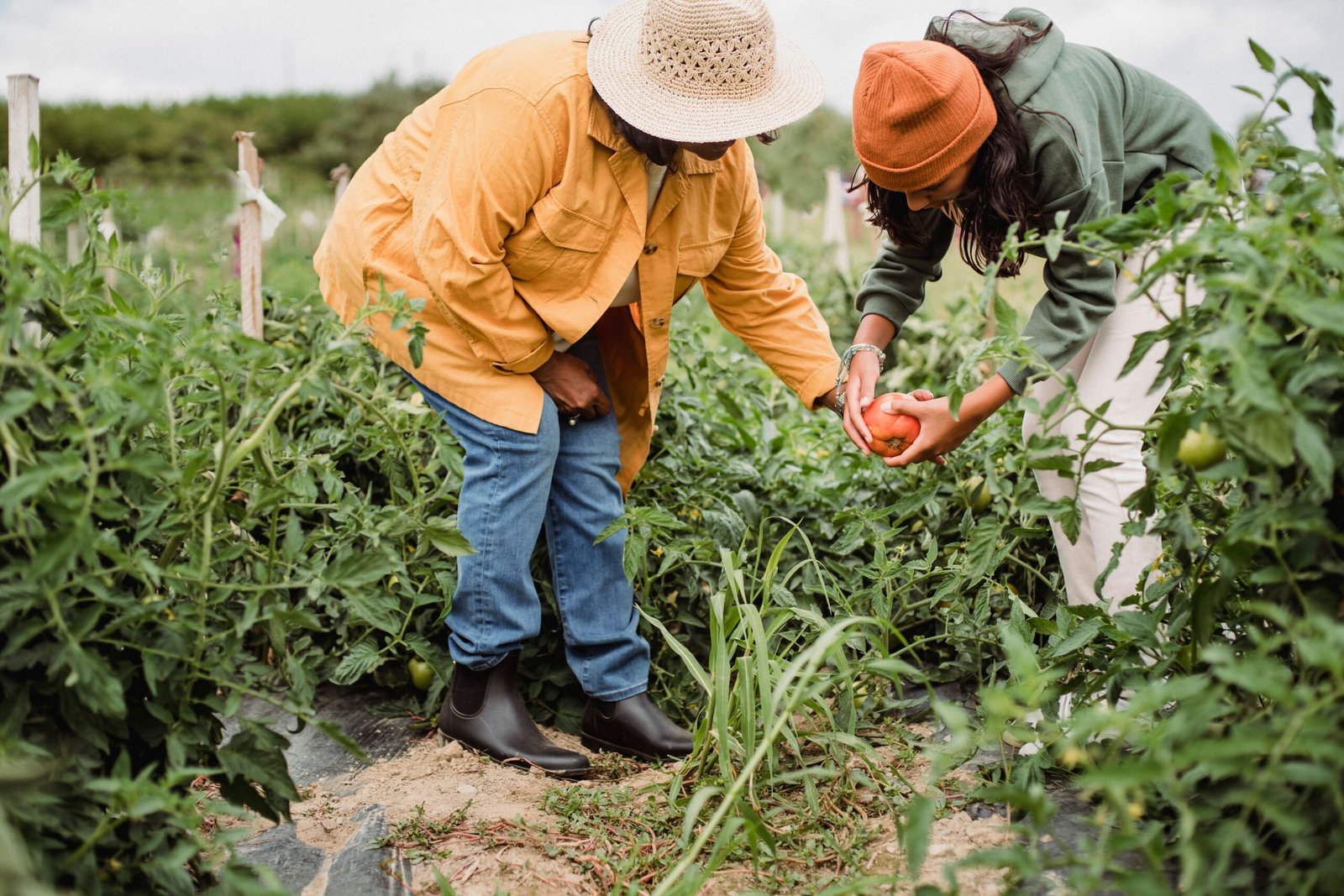
The seed packet says to plant in spring, but spring can mean February in coastal California and late May in northern Minnesota. That is why a US vegetable planting calendar works best when it is built around your local frost dates, not one fixed month on the calendar. Once you know when frost usually ends in spring and returns in fall, planting becomes much less of a guessing game.
📋 Table of Contents
- How to Use a US Vegetable Planting Calendar
- Planting Times by Crop Type
- Cool-season vegetables: 2 to 6 weeks before last frost
- Near the last frost date: 0 to 2 weeks before or after
- Warm-season vegetables: 1 to 3 weeks after last frost
- A Simple Frost-Date Timeline
- Plan Fall Vegetables From Your First Frost Date
- Succession Planting Makes the Calendar Work Harder
- Let Soil and Weather Have the Final Say
- 🌿 Recommended Products for This Topic
The goal is not to squeeze every crop into the ground at the first warm afternoon. It is to give each vegetable the conditions it actually needs: cool soil for peas and lettuce, steady warmth for tomatoes and peppers, and enough growing days to produce before the next frost. A little timing goes a long way toward healthier plants and fewer disappointing bare spots.
How to Use a US Vegetable Planting Calendar
Start with two dates for your area: your average last spring frost date and average first fall frost date. These are averages, not promises. A surprise cold night can still arrive after the last frost date, so keep row cover, old sheets, or frost cloth handy for tender seedlings.
Your USDA hardiness zone is useful for choosing perennial plants, but annual vegetable timing depends more directly on frost dates, soil temperature, and the length of your growing season. A gardener in the same zone as you may still plant at a different time if they are at a higher elevation, near the coast, or in a city that stays warmer at night.
For the calendar below, count backward or forward from your own last frost date. If your last frost is April 15, for example, a crop marked “4 to 6 weeks before last frost” can usually go out from early to mid-March, as long as the soil is workable.
Planting Times by Crop Type
Cool-season vegetables: 2 to 6 weeks before last frost
Cool-season crops enjoy mild weather and can handle a light frost. Plant them first, once the ground is no longer soggy or frozen. In many gardens, this is the most overlooked part of the season because everyone is waiting for tomato weather.
Direct sow peas, spinach, radishes, arugula, turnips, and carrots early. Set out hardened-off seedlings of lettuce, kale, cabbage, broccoli, cauliflower, and onions. These vegetables often grow sweeter and more tender in cool conditions, while heat can make them bolt, turn bitter, or form loose heads.
If spring swings wildly between warm and cold, use a light row cover rather than rushing to plant heat-loving crops. It protects young leaves while still allowing rain and airflow.
Near the last frost date: 0 to 2 weeks before or after
Beets, Swiss chard, potatoes, and many leafy greens can go in around your last frost date. Bush beans are more sensitive and should wait until the soil begins to warm. Planting beans into cold, wet ground is a common cause of poor germination and rotting seed.
Corn is another crop that rewards patience. It may sprout in chilly soil, but it will grow slowly and unevenly. Wait until the soil has warmed to at least 60°F, ideally closer to 65°F. A simple soil thermometer can save you from replanting an entire bed.
Warm-season vegetables: 1 to 3 weeks after last frost
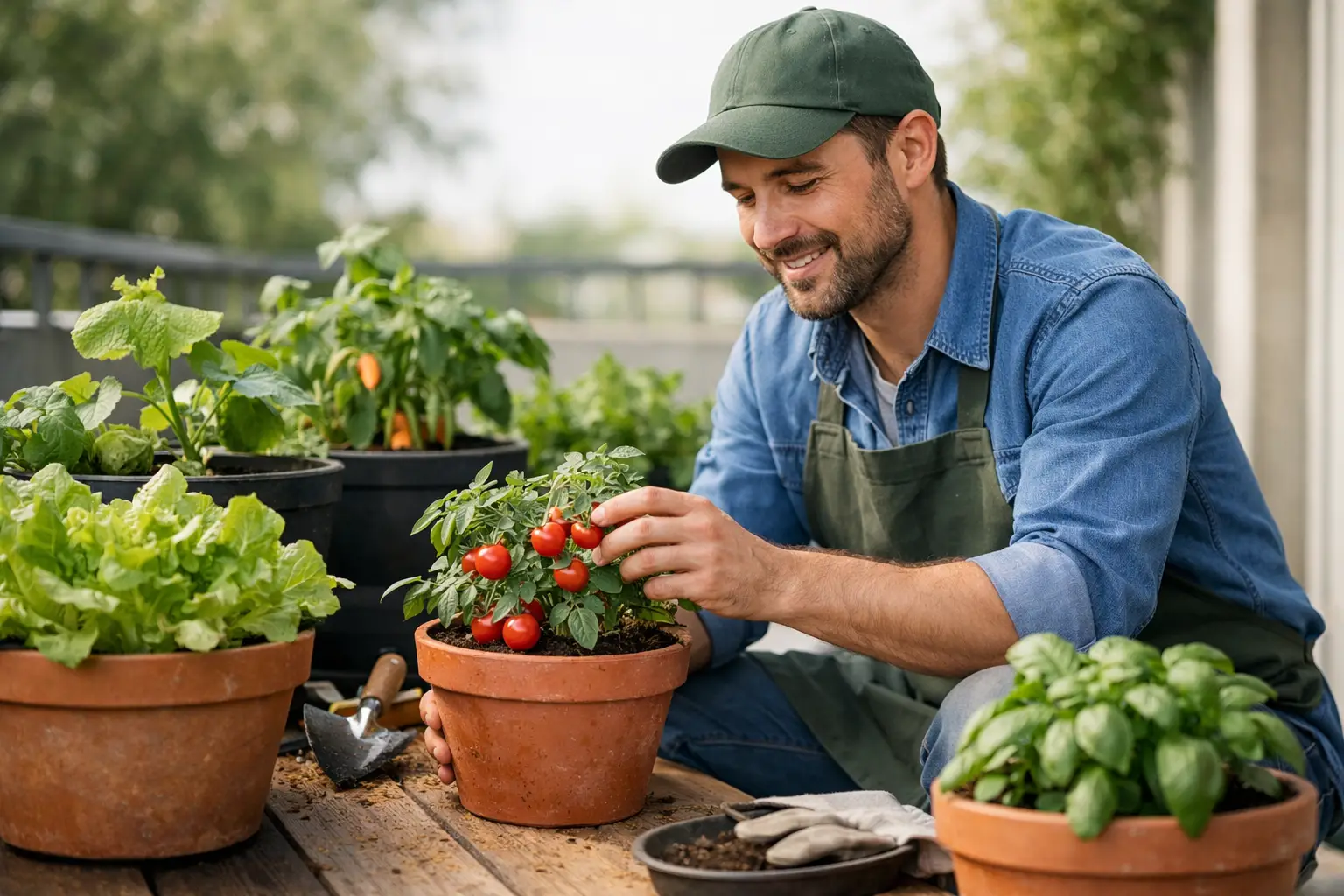
Tomatoes, peppers, eggplants, cucumbers, squash, melons, sweet potatoes, and basil need warm soil and frost-free nights. They may survive a cool spell, but survival is not the same as thriving. A tomato that sits shivering through several 40°F nights often stalls for weeks.
Wait until nighttime temperatures are regularly above 50°F for tomatoes and above 55°F for peppers, eggplants, and basil. In cooler regions, black mulch, cloches, or a sheltered south-facing spot can help warm the soil naturally. In hot southern climates, the reverse can be true: planting warm-season crops earlier may help them set fruit before intense summer heat arrives.
A Simple Frost-Date Timeline
Use this broad timeline as a starting point, then adjust for your weather and the directions on your seed packet.
| Timing from your last spring frost | What to plant | | — | — | | 6 to 8 weeks before | Start indoors: onions, broccoli, cabbage, kale, cauliflower, some lettuces | | 4 to 6 weeks before | Direct sow: peas, spinach, radishes, arugula; transplant hardy greens | | 2 to 4 weeks before | Sow carrots, beets, turnips, lettuce, and potatoes in workable soil | | Around last frost | Sow Swiss chard; plant more greens; begin beans only if soil is warm | | 1 to 3 weeks after | Transplant tomatoes, peppers, eggplants; sow cucumbers, squash, corn, and melons | | 3 to 6 weeks after | Plant sweet potatoes, basil, heat-loving beans, and succession crops |
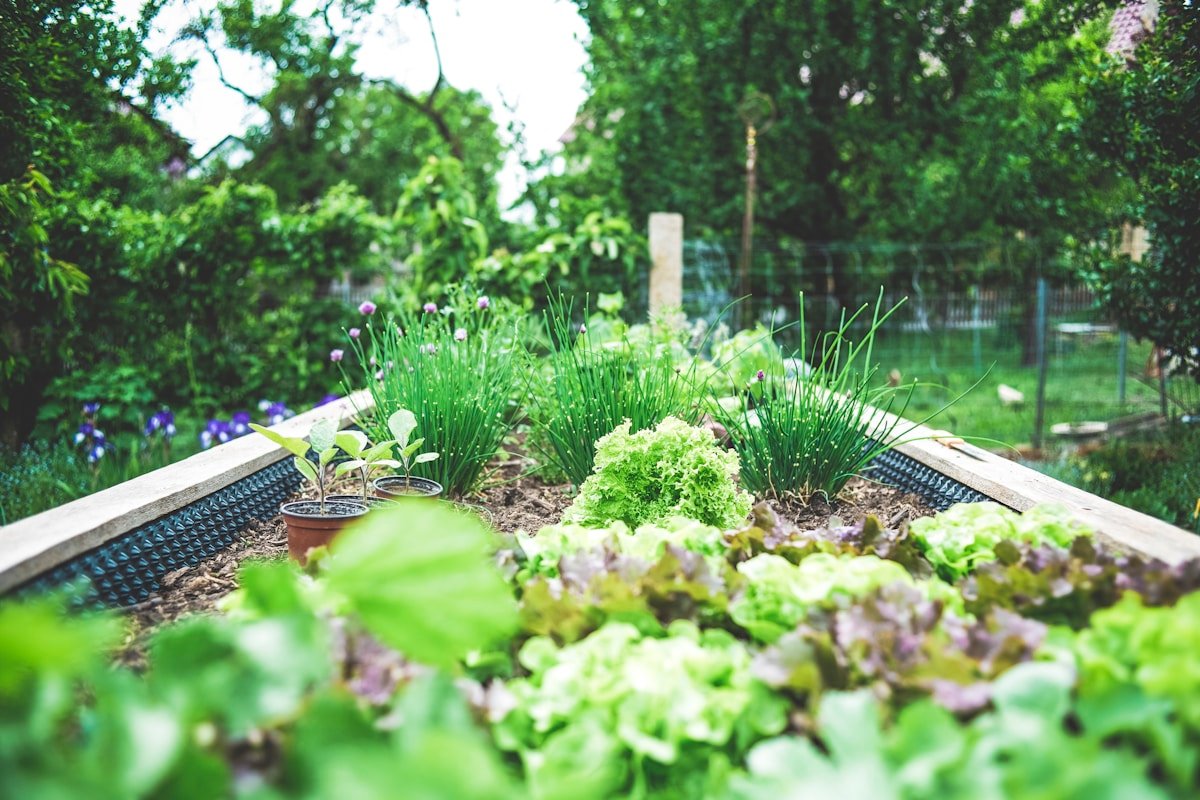
This is a guide, not a rulebook. A raised bed warms sooner than a shaded in-ground plot. Containers warm fast but also cool down fast at night. Watch your own garden closely, especially during your first year, and write down what worked. Those notes become your most reliable local calendar.
Plan Fall Vegetables From Your First Frost Date
A good US vegetable planting calendar does not stop after spring. Fall is often one of the easiest and most productive seasons for organic gardening. Pest pressure is usually lower, cool-weather crops regain their flavor, and fall rain can reduce the watering load.
Find your average first fall frost date, then count backward using the “days to maturity” on the seed packet. Add one or two weeks because shortening days slow plant growth. For example, if carrots need 70 days and your first frost is October 20, sowing by early August gives them time to size up.
Start broccoli, cabbage, kale, and lettuce indoors during summer if your weather is hot, then transplant once the worst heat begins to ease. Direct sow spinach, radishes, arugula, peas, carrots, and turnips as space opens up. In mild-winter regions, these crops may carry right through winter with a little protection.
Do not pull every summer plant the moment production slows. Healthy tomatoes or peppers can keep going until frost. Instead, tuck quick crops such as radishes, leaf lettuce, or cilantro into open pockets, and clear larger areas as summer plants finish.
Succession Planting Makes the Calendar Work Harder
Planting one giant row of lettuce or beans on a single day usually produces a feast followed by a gap. Succession planting spreads out the harvest and makes small spaces more useful.
For fast crops, sow a small patch every two to three weeks during their preferred season. Radishes, bush beans, lettuce, arugula, spinach, and cilantro are especially good candidates. Stop planting cool-weather crops once sustained heat is likely, then restart as summer begins to fade.
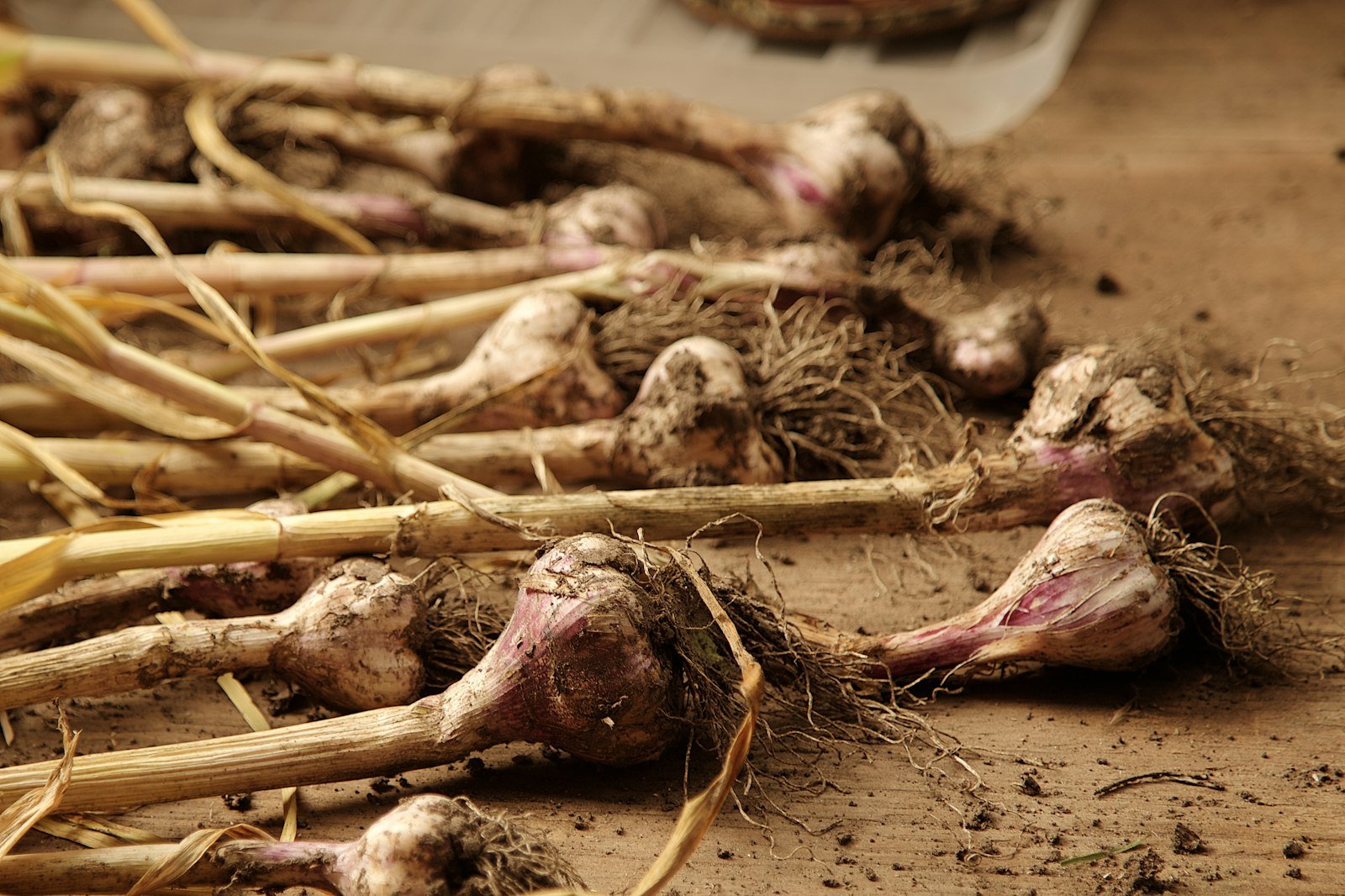
After harvesting peas, follow with beans or cucumbers. After garlic comes out in early summer, plant a fall crop of carrots, kale, or beans depending on your climate. This simple handoff keeps soil covered, shades out weeds, and gives you more food without expanding the garden.
Let Soil and Weather Have the Final Say
Calendar timing matters, but soil conditions matter just as much. Avoid working soil when it is wet enough to clump in your hand. Compacted soil is hard on roots and can take a long time to recover. Instead, wait for a crumbly texture, then top-dress beds with compost rather than repeatedly turning them over.
For seeds, moisture is the key. Keep the top inch of soil consistently damp until seedlings emerge, using a gentle spray so you do not wash seed away. For transplants, water deeply at planting and mulch after the soil has warmed. Shredded leaves, untreated straw, or chopped plant debris help hold moisture and feed soil life as they break down.
If a late cold snap threatens, protect plants before sunset. Covering them after the ground has already lost its daytime warmth is less effective. Remove covers in the morning once temperatures rise so plants get light and airflow.
Your garden will always have its own small surprises, even with the best planting calendar. Treat frost dates as a strong starting point, notice how your beds warm and cool, and adjust a little each season. Before long, you will be planting with the kind of confidence that comes from knowing your own patch of ground.
🌿 Recommended Products for This Topic
As an Amazon Associate, The Natural Gardener earns from qualifying purchases at no extra cost to you.
Survival Garden Seeds Heirloom Variety Pack
Non-GMO heirloom seeds — 35 varieties of vegetables for year-round growing.
~$25–$35
Window Garden Herb Seed Kit
5 culinary herbs in one kit: basil, cilantro, parsley, dill, chives.
~$14–$22
Garlic Softneck Variety Bulbs
Fresh planting garlic — perfect for fall planting and storing.
~$15–$30
🌱 More Gardening Resources
Curated partner recommendations — I earn a small commission at no cost to you.
True Leaf Market
Heirloom, organic & specialty seeds. Huge selection for veggie growers.
Shop Seeds →Garden Tool Picks
Soil meters, pruners, sprayers and raised beds — tools that actually work.
Shop on Amazon →Natural Pest Supplies
Neem oil, diatomaceous earth, sticky traps — organic solutions that work.
Shop on Amazon →Affiliate links — your purchases support this blog at zero extra cost. Thank you!