If you have ever come home to a droopy tomato, crispy basil, or a container that went from soaked to bone dry in a day, this self watering planter review is for you. These planters can make container gardening much easier, but they are not magic. The right one can steady out watering, reduce stress on plants, and save you some daily fuss. The wrong one can leave roots soggy, encourage salts to build up, or simply not hold enough water for the crop you want to grow.
That is why it helps to look past the marketing and think about how these planters actually behave in real gardens. For patio vegetables, herbs, and flowers, a self watering setup can be a real help, especially during hot spells or busy weeks. But the details matter more than the label on the box.
What a self watering planter really does
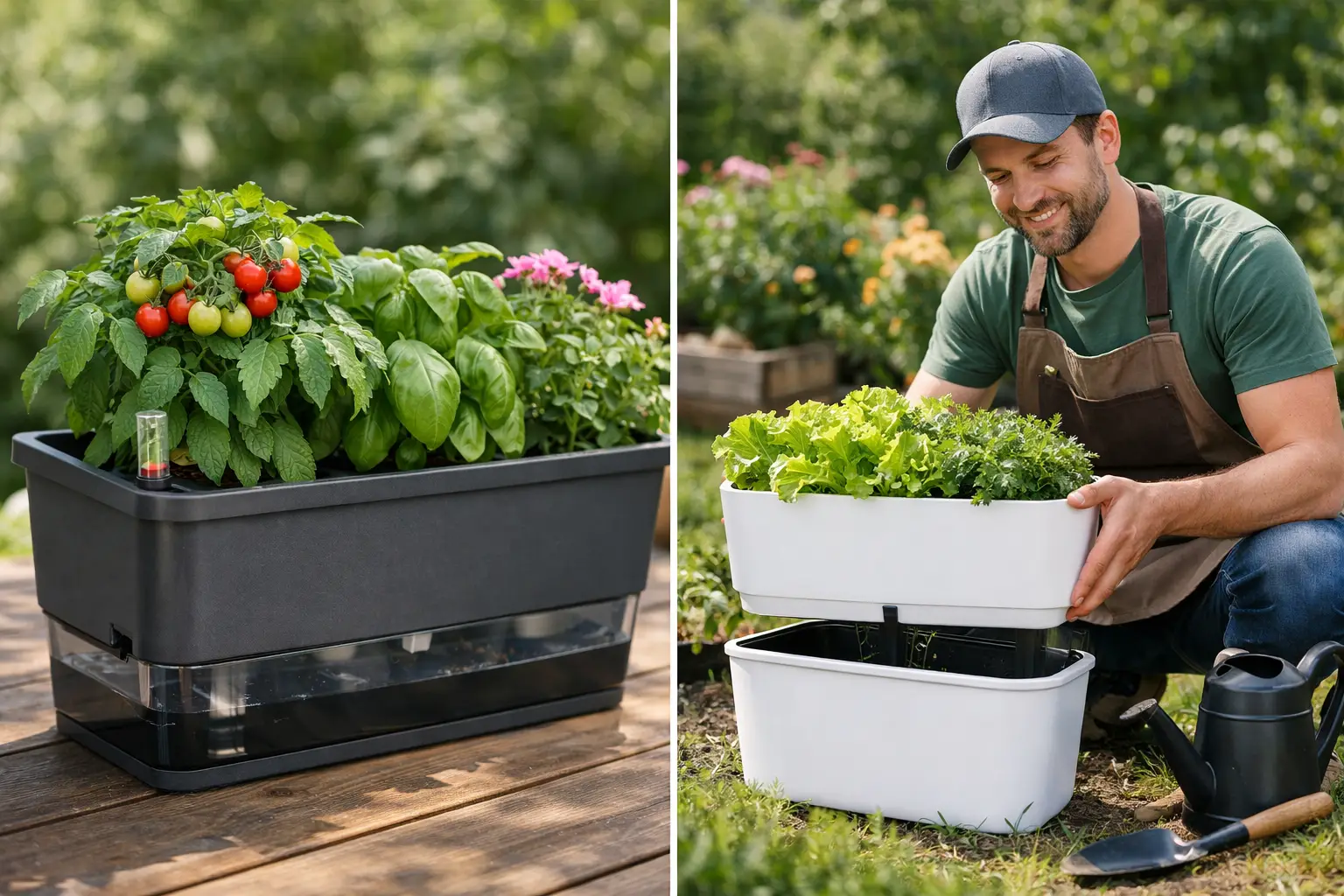
Most self watering planters have two basic parts – a soil chamber on top and a water reservoir below. Water moves upward into the potting mix through a wick, a column of soil, or a built-in insert. Instead of watering from the surface every day, you refill the reservoir and let the plant draw moisture as needed.
In practice, that means more even moisture than many standard pots provide. That evenness is a big deal for crops that sulk when they dry out, like lettuce, basil, parsley, and many annual flowers. It can also help prevent common problems caused by inconsistent watering, such as blossom end rot in tomatoes, though it will not solve that issue on its own.
What it does not do is replace good growing habits. You still need the right potting mix, enough root space, solid drainage design, and a plant that fits the container. A self watering planter can support healthy roots, but it cannot make up for a cramped pot or poor light.
Self watering planter review – the pros and cons
The biggest advantage is consistency. In regular pots, the top layer often dries quickly, and by the time the root zone is thirsty, the whole plant is stressed. A reservoir gives you a buffer. If you miss a day, or even a couple of days, your plants are less likely to crash.
That matters most in summer and in small-space gardens where containers sit in full sun on patios, decks, and driveways. These spots heat up fast, and dark pots can bake roots. A self watering planter will not cool the pot, but it can reduce the sharp wet-dry swings that make container plants struggle.
There is also less wasted water. Because you are filling a reservoir rather than drenching from above until excess runs out, these systems can be more efficient. For gardeners trying to grow more food with less water, that is a real plus.
The trade-off is that moisture-loving does not mean moisture-constant for every plant. Some herbs, especially rosemary, thyme, oregano, and lavender, prefer to dry a bit between waterings. In a self watering planter with dense mix, they can stay too damp and lose vigor. Succulents are usually a poor fit too.
Another downside is maintenance. Over time, fertilizer salts can accumulate in the potting mix, especially if you are using liquid feed regularly and there is little top-down flushing. Some planters are also harder to clean than they should be. If the reservoir gets slimy or the fill tube is awkward, you may not enjoy using it long term.
What to look for before you buy
Size comes first. A lot of disappointment with self watering planters is really a sizing problem. People try to grow a full-size tomato or zucchini in a small decorative container with a tiny reservoir, then wonder why the plant stalls. Fruiting vegetables need root room, and they drink heavily once they get going.
For herbs and lettuce, smaller units can work beautifully. For peppers, bush beans, and compact tomatoes, look for a planter that offers both generous soil volume and a meaningful reservoir. If the water chamber is too small, you lose most of the convenience.
Material matters too. Thick, UV-resistant plastic tends to be the most practical choice because it is lightweight, holds moisture well, and usually costs less than ceramic. Wood-clad versions can look nicer, but make sure the internal liner is durable and the reservoir design is simple enough to monitor.
Pay close attention to overflow drainage. This is one of the most important features and one of the easiest to overlook. A good self watering planter needs a reliable overflow hole so heavy rain does not flood the root zone. Without it, roots can sit in water too long, especially outdoors.
A water level indicator can be helpful, but it is not essential. In my experience, a sturdy planter with clear access to the reservoir matters more than a fancy gauge that may stop reading accurately after a season.
Which plants do best in self watering planters
If you are hoping for the best return on your money, match the planter to crops that appreciate steady moisture. Leafy greens are excellent candidates. Lettuce, spinach, arugula, and chard tend to stay tender and less stressed when the soil does not swing from dry to soaked.
Many kitchen herbs also do well, especially basil, parsley, and cilantro. These are the kinds of plants that often suffer first in standard patio pots when life gets busy. A reservoir can keep them productive longer.
Tomatoes and peppers can do very well too, but only in larger planters. They need enough soil to anchor roots, enough reservoir capacity to keep pace in summer, and regular feeding. The planter helps with moisture, not nutrition. Once these plants start flowering and fruiting, they are hungry.
Plants that prefer drier feet are more hit or miss. Mediterranean herbs can work if the mix is very airy and the reservoir is not kept constantly full, but they usually perform better in standard pots where the soil can dry more thoroughly.
The most common mistakes gardeners make
The first mistake is using garden soil instead of potting mix. Self watering planters need a mix that is light enough to wick moisture upward while still holding air around the roots. Heavy soil compacts, drains poorly, and can turn the whole system into a swamp.
The second mistake is assuming the reservoir means you never need to check the plant. In cool spring weather, a reservoir may last quite a while. In July, a fruiting tomato in full sun can empty it surprisingly fast. You still need to pay attention, especially during heat waves.
The third mistake is overfilling early on. Seedlings and small transplants do not use much water yet. If the planter stays too wet before roots have spread, growth can slow down. It often helps to water from the top at first, just until roots establish, then rely more on the reservoir.
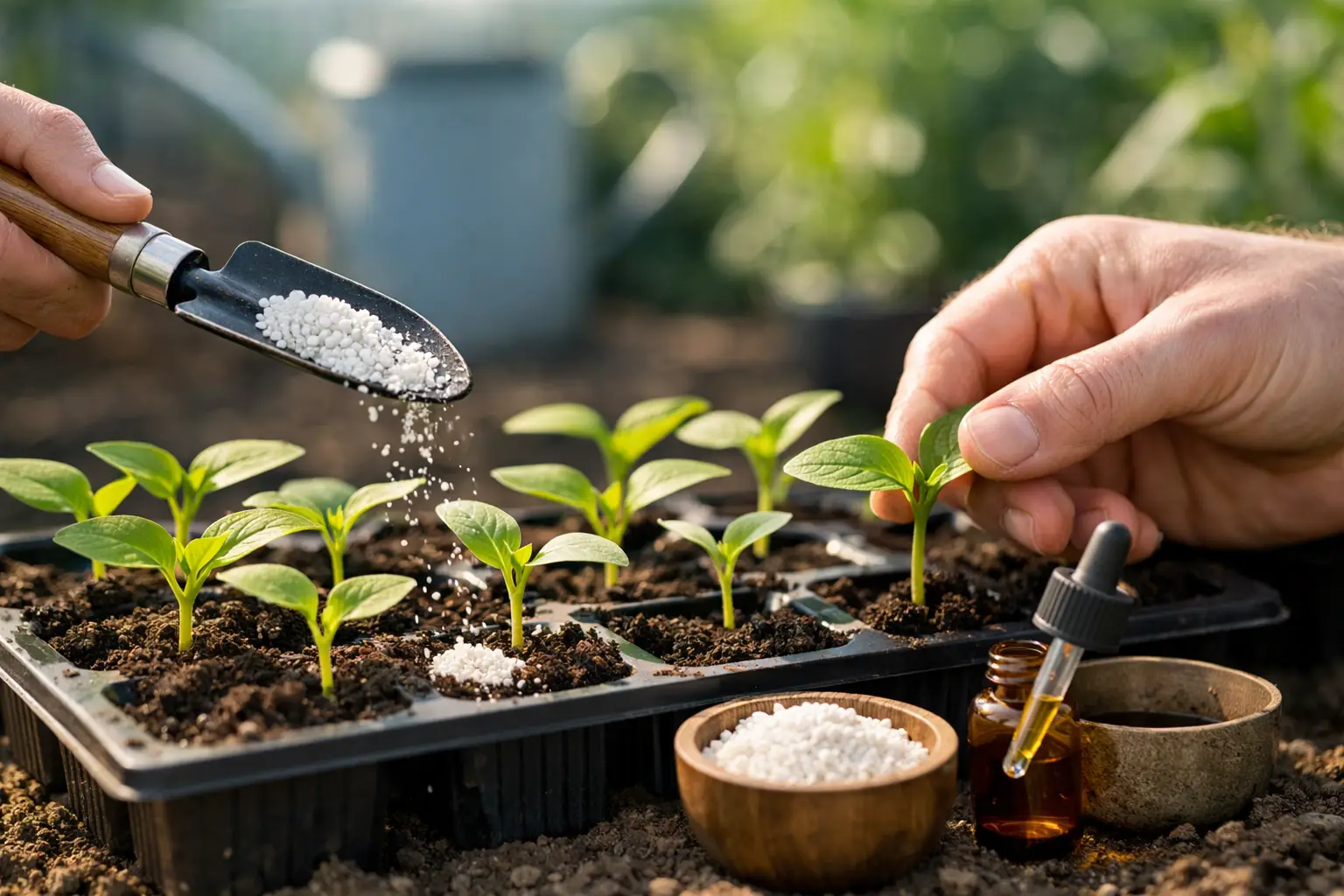
Feeding is another weak spot. Because self watering containers keep moisture more stable, plants often grow faster, which means they use nutrients steadily too. For organic gardeners, that can mean blending compost into the potting mix at planting time and adding a gentle liquid or granular organic fertilizer during the season.
Are self watering planters worth it?
For many home gardeners, yes. If you grow on a patio, travel occasionally, work long days, or simply want fewer watering emergencies, a good self watering planter can be worth every penny. It takes one of the trickiest parts of container gardening – keeping moisture consistent – and makes it more forgiving.
But they are not automatically better than standard pots. If you enjoy hands-on watering, grow mostly drought-tolerant herbs, or have a shaded setup that dries slowly, you may not need one. And if your budget is tight, one large well-made self watering planter is usually a smarter buy than several small, flimsy ones.
For organic gardeners, I think the strongest case is with edible container crops that are sensitive to stress. Basil, salad greens, cucumbers in large containers, compact tomatoes, and peppers all benefit from steadier moisture. When paired with a quality peat-free or organic potting mix and sensible feeding, these planters can support strong growth without adding complexity.
My honest take after using them in real gardens
The best self watering planters solve a real problem without asking you to relearn container gardening. They should be easy to fill, hard to flood, large enough for the plant, and simple to clean at season’s end. If a planter only looks clever on the shelf but makes watering harder to track, it is not a good tool.
I also think expectations matter. A self watering planter is not there to let you ignore your plants. It is there to give them a steadier root environment so they can handle normal life a little better. That alone can make the difference between limping through summer and actually harvesting from your containers.
If you are curious but not fully convinced, start with one planter and use it for a crop that normally gives you watering trouble. Basil is a great test case. So is lettuce. You will learn quickly whether the system fits your gardening style, and that kind of small experiment usually teaches more than any product claim ever will.
A good garden setup should make growing feel calmer, not more complicated. If a self watering planter helps you keep your plants healthy with less scrambling, that is a pretty good reason to give one a spot on the patio.