If your tomato keeps shading your peppers, your cucumbers swallow the walkway by July, or harvest time feels like a game of hide-and-seek, the problem may not be your soil or your seeds. It may be your vegetable garden layout. A good layout makes everyday gardening easier – watering, weeding, feeding, and picking all take less effort when the space is planned around how plants actually grow.
That matters more than people think. Most of us start with the fun part, choosing vegetables, and figure out placement later. I have done that too, usually in spring optimism, and it almost always leads to one crowded bed that looks lush in May and unruly by midsummer. A better layout does not need to be fancy. It just needs to match your sunlight, your space, and the amount of time you realistically have to care for it.
Start your vegetable garden layout with sunlight
Before you sketch a single bed, watch the light. Most vegetables want at least six to eight hours of direct sun, and fruiting crops like tomatoes, peppers, squash, and cucumbers are happiest on the higher end of that range. Leafy greens and a few root crops can manage with a little less, especially in hotter climates where afternoon shade can actually help.
This is where many layouts go wrong. People place beds where they look nice or where the ground is open, then wonder why the plants struggle. A fence, garage, or mature tree can cut your productive area in half. Spend a day noticing where the sun lands in morning, midday, and late afternoon. That small step can save a whole season of disappointment.
If your yard has mixed light, use it to your advantage. Reserve the sunniest spots for crops that need to ripen fruit. Tuck lettuce, spinach, and herbs into areas with gentler light. A layout that follows the sun is usually more successful than one based on symmetry.
Choose a garden shape that fits your life
There is no single best garden shape. In-ground rows, raised beds, and container groupings can all work beautifully. The right choice depends on your soil, your budget, and how you like to garden.
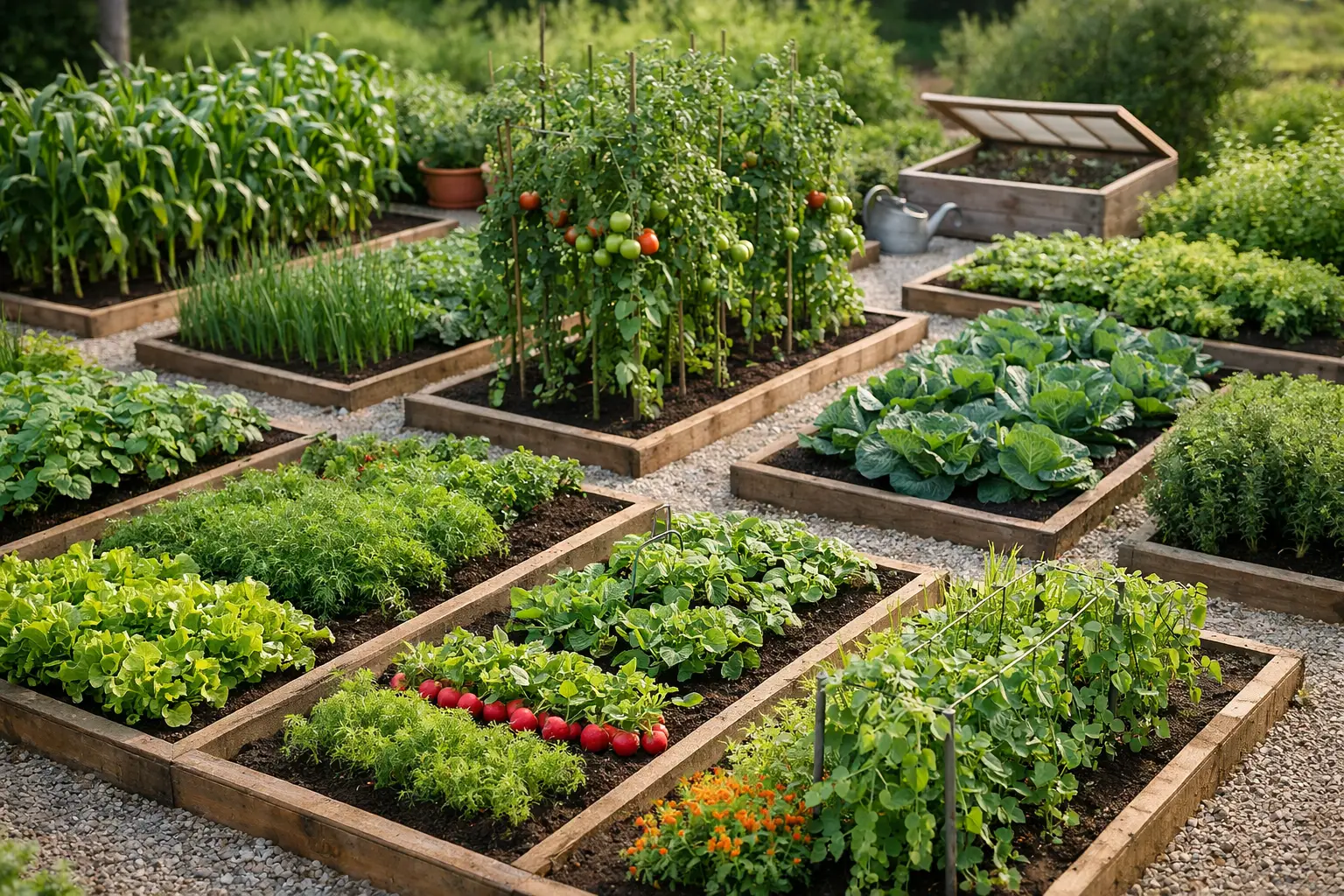
Raised beds are often the easiest starting point for home gardeners because they give you more control. You can build healthy soil faster, define paths clearly, and avoid stepping where plants grow. They are especially helpful if your native soil is compacted, rocky, or slow to drain. The trade-off is cost and the fact that raised beds dry out faster in summer.
In-ground gardens can be wonderfully productive and more budget-friendly, especially if you already have decent soil. They tend to hold moisture a bit longer, which can help in hot weather. But they usually need more initial work, particularly if grass, weeds, or poor drainage are part of the picture.
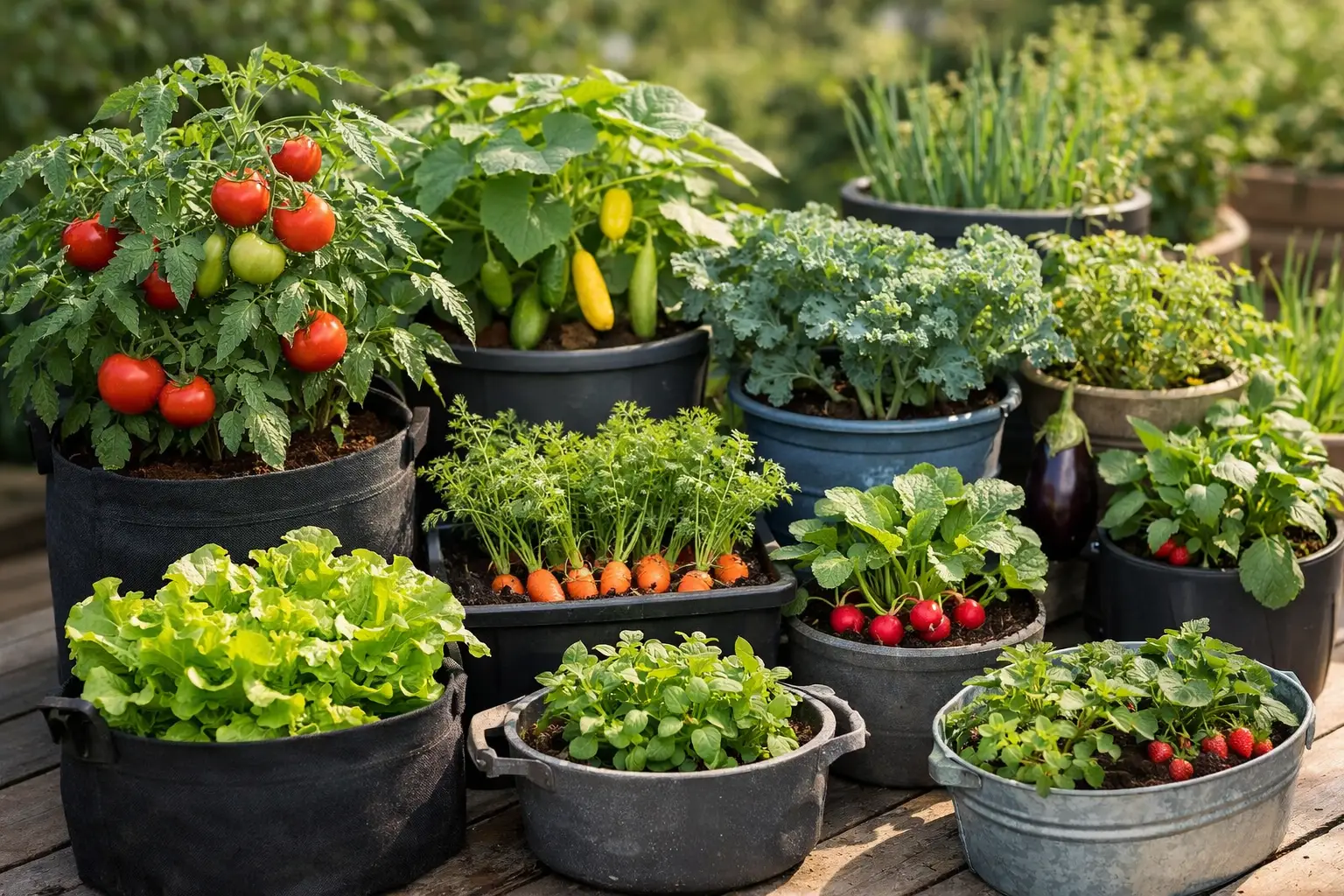
Containers make sense for patios, renters, and anyone gardening in a small space. They are flexible and easy to place where the sun is best. The catch is that they need closer attention to watering and feeding. A container tomato in July is not shy about its needs.
Whatever form you choose, keep access in mind. Beds that are about 3 to 4 feet wide let you reach the center without stepping on the soil. Paths should be wide enough for a hose, a basket, or your knees if you kneel to weed. A layout that looks efficient on paper but feels cramped in real life quickly becomes annoying.
Group plants by size, season, and care
One of the simplest ways to improve a vegetable garden layout is to stop thinking only in terms of crops and start thinking in terms of habits. Plants that grow similarly and need similar care usually do better when they are grouped together.
Put tall crops where they will not block shorter ones. In most gardens, placing tall plants on the north side of the bed works well because they are less likely to cast shade over everything else. Corn, trellised beans, tomatoes, and pole cucumbers belong in spots where their height helps rather than hurts.
Think about spread too. Zucchini is famous for acting small at planting time and enormous six weeks later. Winter squash can wander well beyond its assigned space. Giving sprawling plants room at the edge of a bed, or training what you can onto supports, keeps the layout manageable.
Season matters just as much. Cool-season crops like peas, radishes, lettuce, broccoli, and carrots often finish before heat-loving plants hit their stride. That means one area of the garden can do double duty. You might grow spring spinach in a bed that later holds peppers, or use an early lettuce patch for bush beans once the weather warms. This kind of succession planting makes a garden feel bigger without adding more square footage.
Care needs are worth grouping too. Thirsty, fast-growing plants such as cucumbers and tomatoes are easier to manage when they are near each other. So are plants you harvest often, like herbs, salad greens, and cherry tomatoes. Keep those close to the house or near the path you already walk. If a crop is convenient, you will use it more.
Make room for airflow, mulch, and movement
A healthy garden is not just about where plants go. It is also about the empty spaces around them. Beginners often plant too tightly because the bed looks bare at first. A month later, leaves are pressed together, airflow drops, and powdery mildew, blight, and pest issues have an easier time getting started.
Seed packets and plant tags are not perfect, but spacing recommendations are a good baseline. If you tend to garden organically, proper spacing matters even more because prevention does a lot of the heavy lifting. Good airflow helps foliage dry faster, reduces disease pressure, and gives beneficial insects better access.
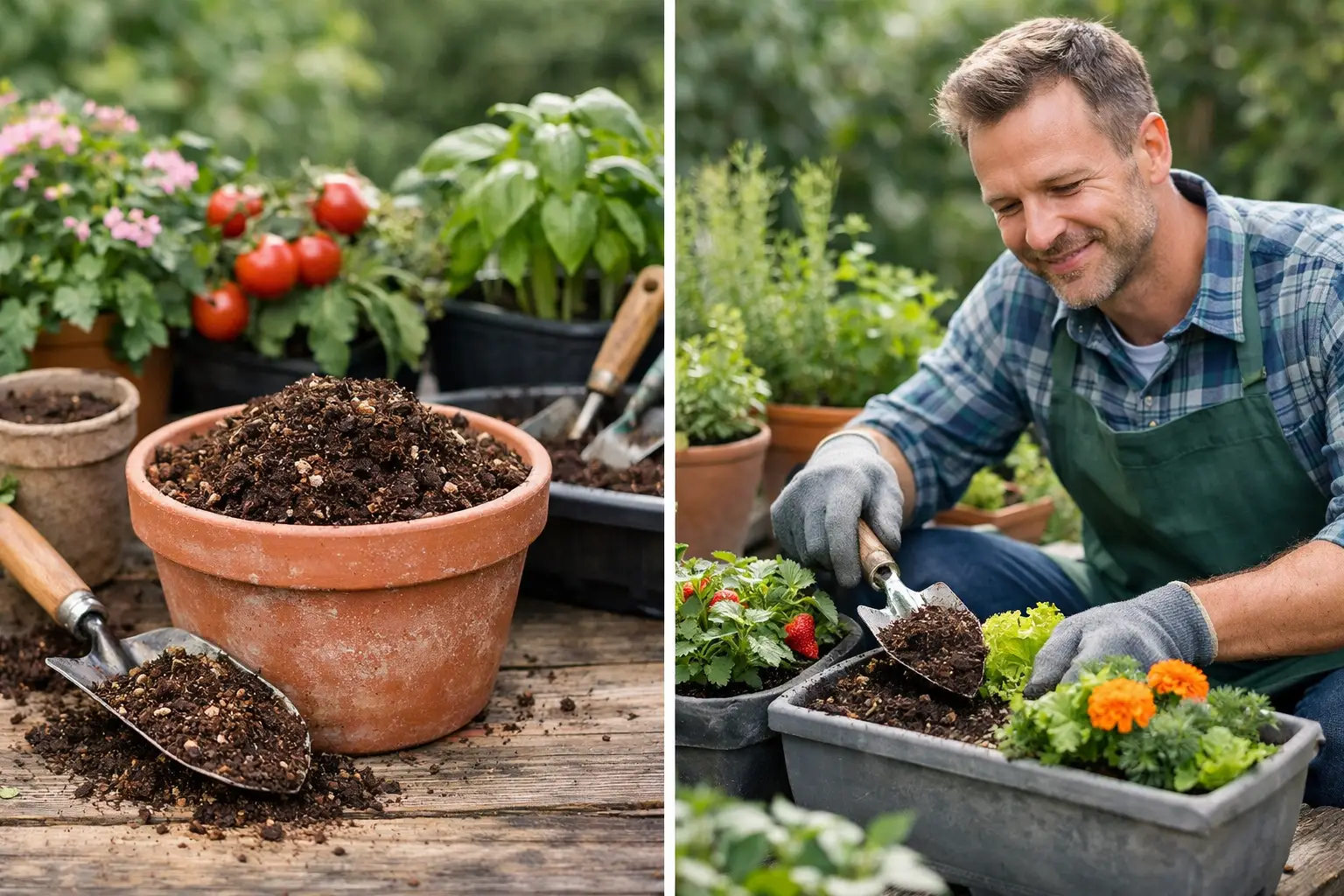
Leave room for mulch as part of the plan. A natural mulch layer helps hold moisture, moderate soil temperature, and suppress weeds, but it needs a little breathing room around stems. Paths benefit too. Mulched or clearly defined walkways make the whole garden easier to maintain and less muddy after rain.
Movement through the garden matters more than many layouts account for. Can you carry a watering can without brushing every plant? Can you reach the back corner to harvest beans? Can you inspect leaves for pests without stepping into the bed? A layout should support those small routines. That is what makes it sustainable through a full season.
A simple vegetable garden layout for beginners
If you are not sure where to begin, keep it small and balanced. A beginner-friendly vegetable garden layout might include one bed for tall summer crops, one bed for compact and quick harvests, and one flexible space for succession planting.
In the tall-crop bed, place tomatoes, peppers, and a trellised cucumber or pole bean planting, with basil or marigolds tucked along the edges if you enjoy companion planting. In another bed, grow bush beans, carrots, onions, and lettuce or chard. In the flexible bed, start with spring crops like radishes and spinach, then replant with summer squash or another round of beans once temperatures rise.
This kind of layout works because it spreads out the workload. You are not trying to manage every plant type in one crowded square. It also helps with crop rotation later, since each bed can shift roles next season.
Plan for organic success, not just appearance
Pretty gardens are nice, but productive gardens are better. With an organic approach, your layout should help you prevent problems before they start.
Trellises are a good example. They save space, improve airflow, and keep fruit cleaner by lifting it off the soil. They also make pest checks easier. If you have ever found cucumber beetles only after the vines became a tangled mat, you know why that matters.
Diversity helps too. A bed filled with one crop can look tidy, but mixed plantings often support a more balanced garden ecology. Herbs and flowers that attract pollinators and beneficial insects can be woven into the layout without turning it into a decorative border. The key is not to crowd your vegetables for the sake of companion planting. Helpful neighbors are great. Blocked airflow is not.
Water access deserves a place in the plan as well. If the hose barely reaches, or containers are far from a faucet, the garden becomes harder to care for during heat waves. Sometimes the best location on paper is not the best one for real life. It depends on how often you can tend it.
Let the layout evolve over time
The best gardens are rarely designed perfectly in year one. They improve because the gardener pays attention. You notice that one bed dries out faster, one corner gets too much shade in late summer, or your family eats far more peppers than beets. That is useful information, not failure.
Take a few notes through the season. Mark what outgrew its spot, what stayed too damp, what was awkward to harvest, and what you barely used. Those little observations are what turn a decent vegetable garden layout into one that truly fits your home and habits.
If you keep the structure simple, the garden can change with you. Add a trellis where plants flopped. Widen a path you use every day. Move herbs closer to the kitchen door. Gardening gets easier when the space supports the way you actually live, not the way a picture says it should look.
A thoughtful layout will not prevent every pest, storm, or summer setback. But it gives your plants a stronger start and makes your work lighter, which is often the difference between a garden that feels stressful and one you want to walk through every evening.