If you have ever stood in the garden with a hose in one hand and a wilted tomato in the other, you already know watering can make or break the season. When it comes to soaker hose vs drip irrigation, most home gardeners are really asking a simpler question: what will keep plants healthy without turning watering into a daily chore?
The good news is that both systems can help you water more efficiently, waste less, and keep leaves drier than overhead sprinklers. The tricky part is that they do not work the same way, and the better choice depends on what you grow, how your beds are laid out, and how much tinkering you are willing to do.
Soaker hose vs drip irrigation: the basic difference
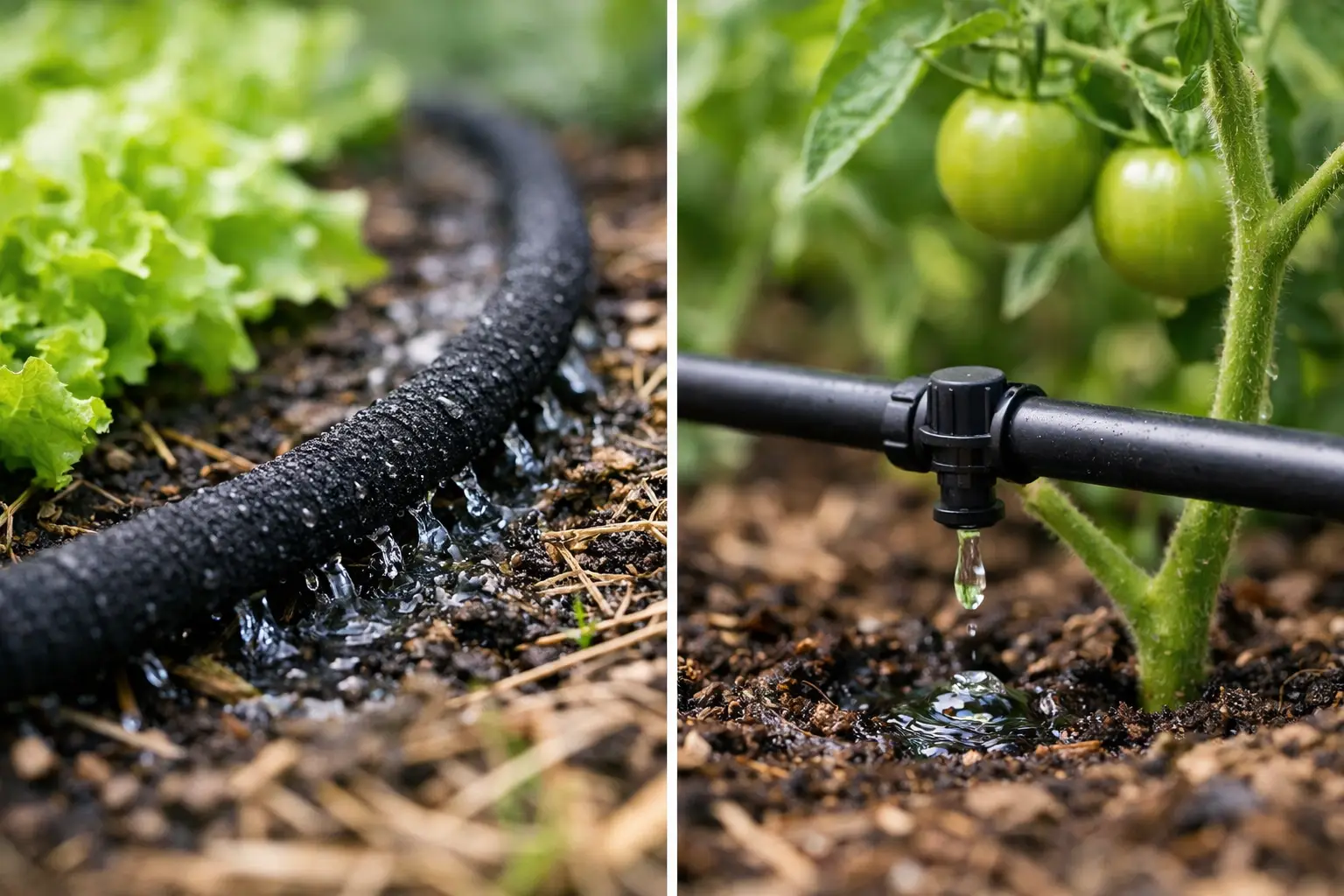
A soaker hose is a porous hose that slowly weeps water along its entire length. You snake it through a bed, turn on the water at low pressure, and moisture seeps into the soil around nearby roots. It is simple, forgiving, and easy to understand even if you are brand new to garden irrigation.
Drip irrigation uses tubing with emitters, or small outlets, that release water at set points. Instead of watering everywhere along the hose, it targets where each plant sits. That makes it more precise, especially in beds where plants are spaced farther apart or where some crops need more water than others.
Both methods are rooted in the same smart idea: water the soil, not the leaves. That helps reduce evaporation, limits splashing that can spread soil-borne disease, and usually makes for happier vegetables.
When a soaker hose makes the most sense
Soaker hoses shine in simple garden layouts. If you have a long row of beans, a small in-ground bed, or a mixed planting where everything is fairly close together, a soaker hose can be a very practical choice.
One reason gardeners like them is that setup is usually quick. You can lay one out in minutes, cover it lightly with mulch, and start watering without much planning. If your goal is to stop hand watering every evening, that can feel like a huge win.
Soaker hoses also tend to cost less upfront. For gardeners on a budget, that matters. You may not need as many connectors, emitters, pressure regulators, or extra fittings. For a small backyard space, the lower cost and lower complexity can make a soaker hose the right first step.
There is also something pleasantly low-tech about them. You do not need to map every plant like a plumbing project. In an organic garden where practicality matters just as much as efficiency, that simplicity has real value.
Still, soaker hoses have limits. They do not always distribute water evenly from one end to the other, especially on long runs. The beginning of the hose may release more water than the far end. They can also clog over time, crack in strong sun, or become less reliable after a season or two depending on quality and storage.
When drip irrigation is the better fit
Drip irrigation is usually the stronger choice when you want control. If you grow tomatoes, peppers, cucumbers, squash, herbs, and flowers in the same area, drip lets you place water where each plant needs it instead of soaking the whole bed evenly whether it needs it or not.
That precision can save a surprising amount of water. It also helps in raised beds, where planting can be intensive but still organized enough to make emitter placement worthwhile. If you garden in a hot, dry part of the US, or if water conservation is a big priority for you, drip irrigation often earns its extra setup time.
It also scales better. A small starter setup can grow into a more complete system as your garden expands. That is helpful if you start with two raised beds and end up, as many gardeners do, adding three more by next spring.
Drip systems are also better for containers. Soaker hoses are not especially neat or efficient in pots, while drip tubing with emitters can be tailored to each container. If you have a patio garden, this is one area where drip clearly pulls ahead.
The trade-off is complexity. Drip irrigation has more parts, more decisions, and a bit more troubleshooting. If one emitter clogs or pops out, a plant can go dry while the rest of the system keeps running. It is not difficult once you get used to it, but it asks more from you at the beginning.
Water efficiency and plant health
If your main goal is healthier plants with less wasted water, drip irrigation usually wins on efficiency. Because water is delivered in measured amounts right at the root zone, there is less runoff and less accidental watering of empty soil.
That said, soaker hoses are still far better than overhead watering for many gardens. They keep foliage drier, which matters for common problems like powdery mildew, early blight, and other fungal issues that thrive when leaves stay wet.
Where gardeners sometimes get frustrated is assuming either system is foolproof. In reality, both need testing. Soil type changes everything. In sandy soil, water moves down fast and may not spread far sideways. In clay, it may spread wider but soak in slowly. A watering system that works beautifully in one yard may need adjusting in another.
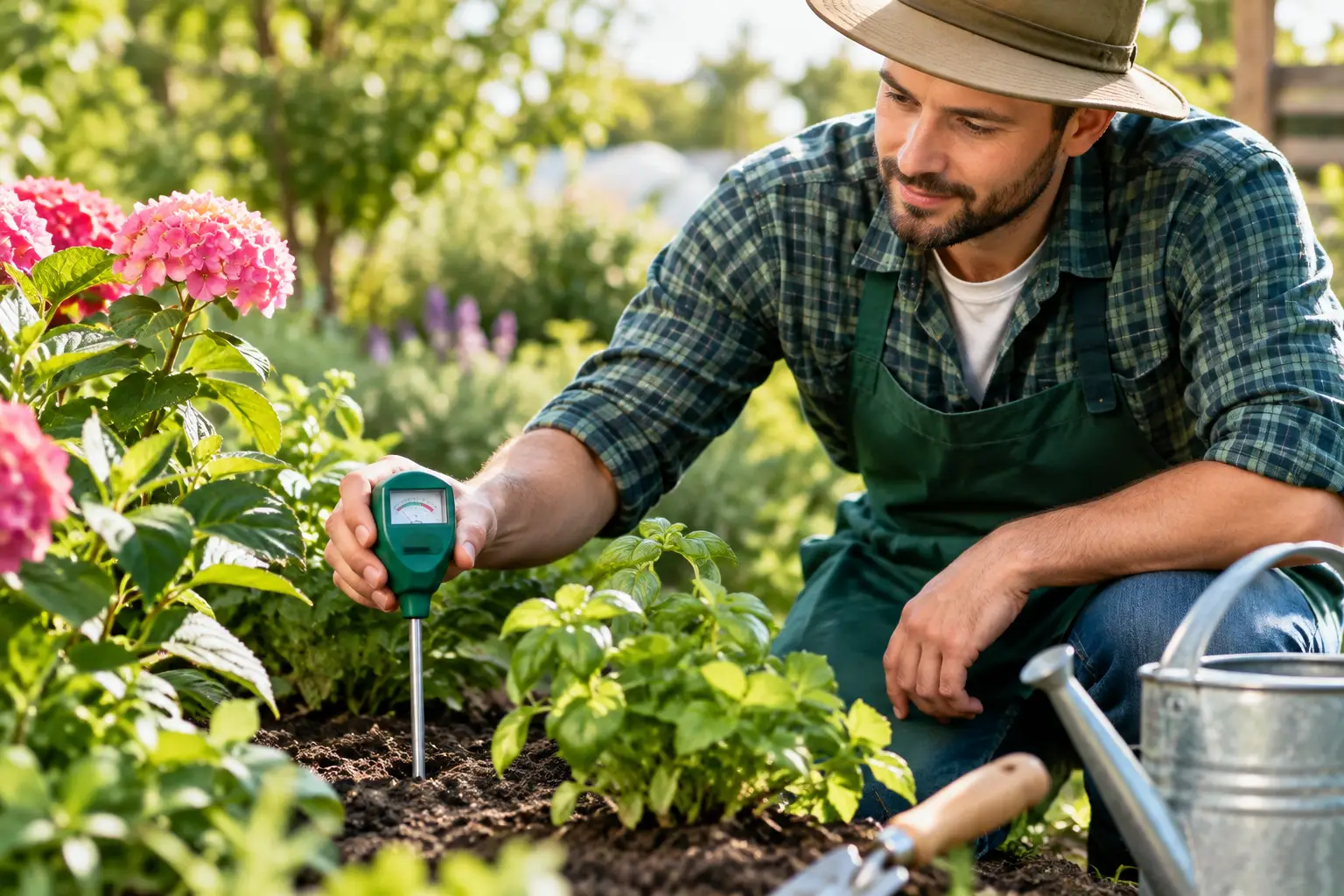
This is why it is smart to run your system, dig down a few inches, and actually check moisture. It sounds basic because it is basic, and it saves a lot of guessing.
Cost, maintenance, and how much patience you have
For many home gardeners, the real soaker hose vs drip irrigation decision comes down to patience. Not gardening patience. Setup patience.
Soaker hoses usually cost less and ask less of you on day one. If you want a simple, affordable solution for a few beds, they are appealing. But they may need replacement sooner, and performance can be inconsistent over time.
Drip irrigation costs more upfront, especially if you add timers, filters, pressure regulators, and extra tubing. But it often lasts longer and can be easier to fine-tune once it is installed. If you like systems that can be adjusted instead of replaced, drip may save frustration later.
Maintenance matters with both. Soaker hoses can clog or split. Drip systems can clog too, especially with hard water or debris, which is why filters matter. Neither system is completely hands-off forever, even if a timer makes daily watering easier.
Which is better for raised beds, rows, and containers?
In raised beds, drip irrigation often gives the cleanest results, especially for square or rectangular layouts with evenly spaced crops. It is easier to organize, easier to mulch around, and easier to adapt as plantings change through the season.
In traditional row gardens, soaker hoses can be wonderfully practical. If your crops are planted in long lines and have similar watering needs, laying a soaker hose down each row is simple and effective.
For containers, drip irrigation is the better option almost every time. Pots dry out quickly, and targeted watering helps a lot. A soaker hose can work in large grouped containers, but it is usually awkward and less precise.
For perennial beds or ornamental borders, it depends on plant spacing. Dense plantings can do well with soaker hoses. More spaced-out shrubs and flowers often benefit from drip.
The best choice for most home gardeners
If you are a beginner and want the easiest path away from hand watering, start with a soaker hose for simple beds and rows. It is approachable, budget-friendly, and usually easy to get running in an afternoon.
If you already know your garden layout, want to conserve water, or grow in raised beds and containers, drip irrigation is often the better long-term choice. It takes more planning, but the payoff is better control and usually better efficiency.
There is also a middle-ground option that works well for a lot of people. You can use soaker hoses in one part of the garden and drip irrigation in another. Your vegetable rows may do just fine with soaker hoses, while containers and high-value crops get a drip setup. Gardening does not always need one perfect answer.
The most natural system is the one you will actually use correctly and consistently. A simple setup that keeps soil evenly moist is better than an elaborate one that never quite gets finished. If you choose with your garden’s layout, your budget, and your attention span in mind, you will make a good call – and your plants will tell you pretty quickly.