The first tomato you pick from your own plant usually ruins store-bought tomatoes for good. It is warmer from the sun, a little imperfect, and full of actual flavor. That moment answers a big part of why grow vegetables at home, but it is not the only reason. Home vegetable gardening gives you fresher food, more control over what touches it, and a satisfying way to turn even a small space into something useful.
For a lot of people, the appeal starts with food and quickly becomes something more. A few pots of herbs turn into a patio pepper plant. One raised bed becomes a summer habit. You begin by wanting better lettuce and end up noticing pollinators, composting kitchen scraps, and planning your weekends around what needs harvesting. That does not mean every garden is easy or cheap from day one. It does mean the payoff often goes well beyond the harvest basket.
Why grow vegetables at home in the first place?
The simplest answer is that growing your own food changes your relationship with it. You stop seeing vegetables as items on a grocery list and start seeing seasons, plant health, weather, and soil as part of the meal. That shift can make people eat better, waste less, and feel more connected to their homes.
It is also one of the most practical kinds of gardening. Flowers are wonderful, but vegetables give something back in a very direct way. You water them, feed the soil, stay ahead of pests, and they feed you. That exchange feels grounding in a way that is hard to explain until you have done it.
The vegetables taste better
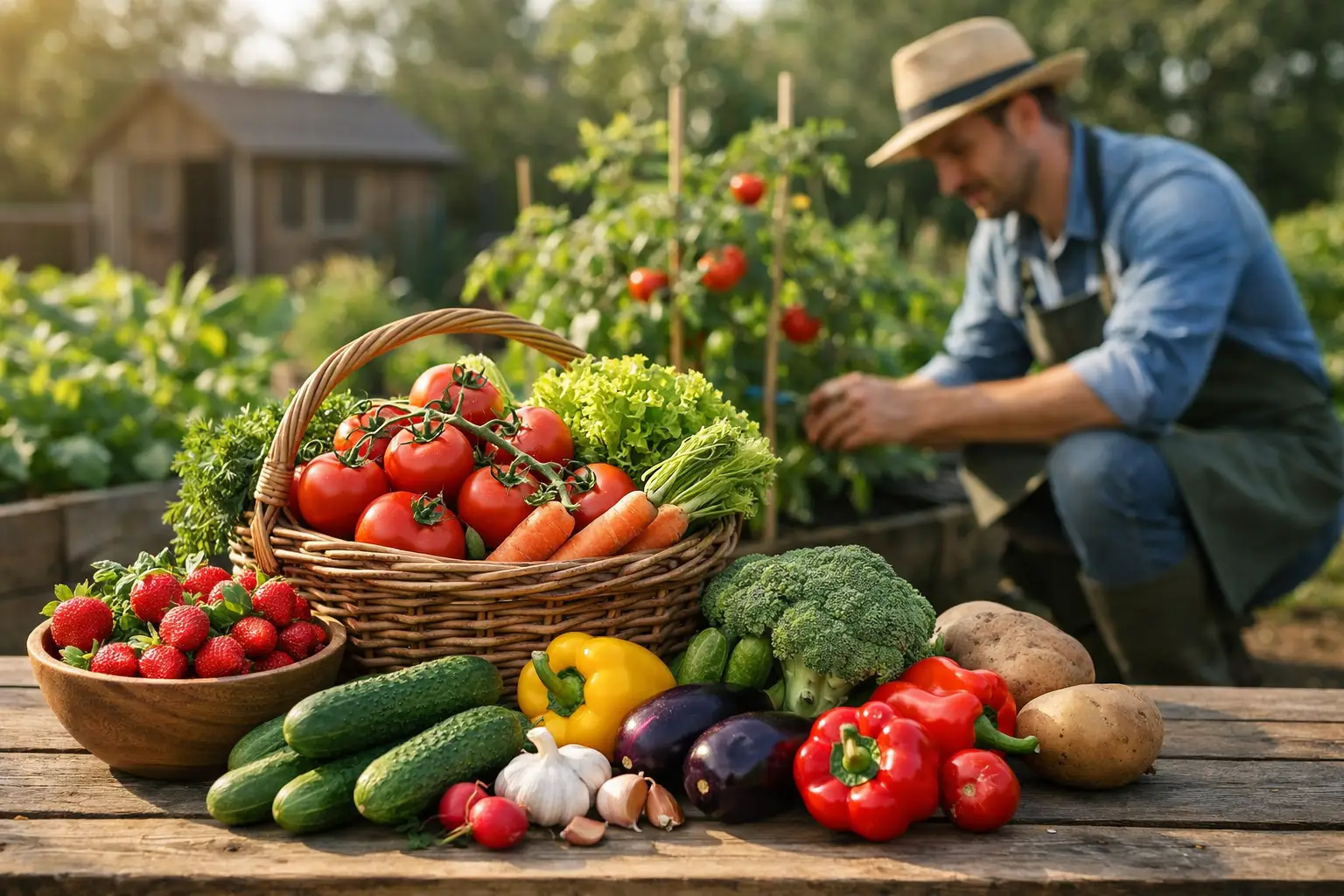
This is the reason that wins people over fastest. Homegrown vegetables are often harvested minutes before dinner instead of days before shipping and storage. Leafy greens stay crisp, beans stay tender, and tomatoes develop fully on the vine instead of being picked early to survive transport.
Flavor also improves when you grow varieties chosen for taste rather than shelf life. In a store, produce needs to look uniform and travel well. In a home garden, you can grow a sweet cherry tomato, a buttery lettuce, or a pepper with thin skin and rich flavor even if it bruises easily. That freedom is a big part of the reward.
There is some variation, of course. A stressed plant can produce bland or bitter vegetables, and poor soil shows up in the final harvest. But when your plants are healthy, the difference is hard to ignore.
You have more control over how your food is grown
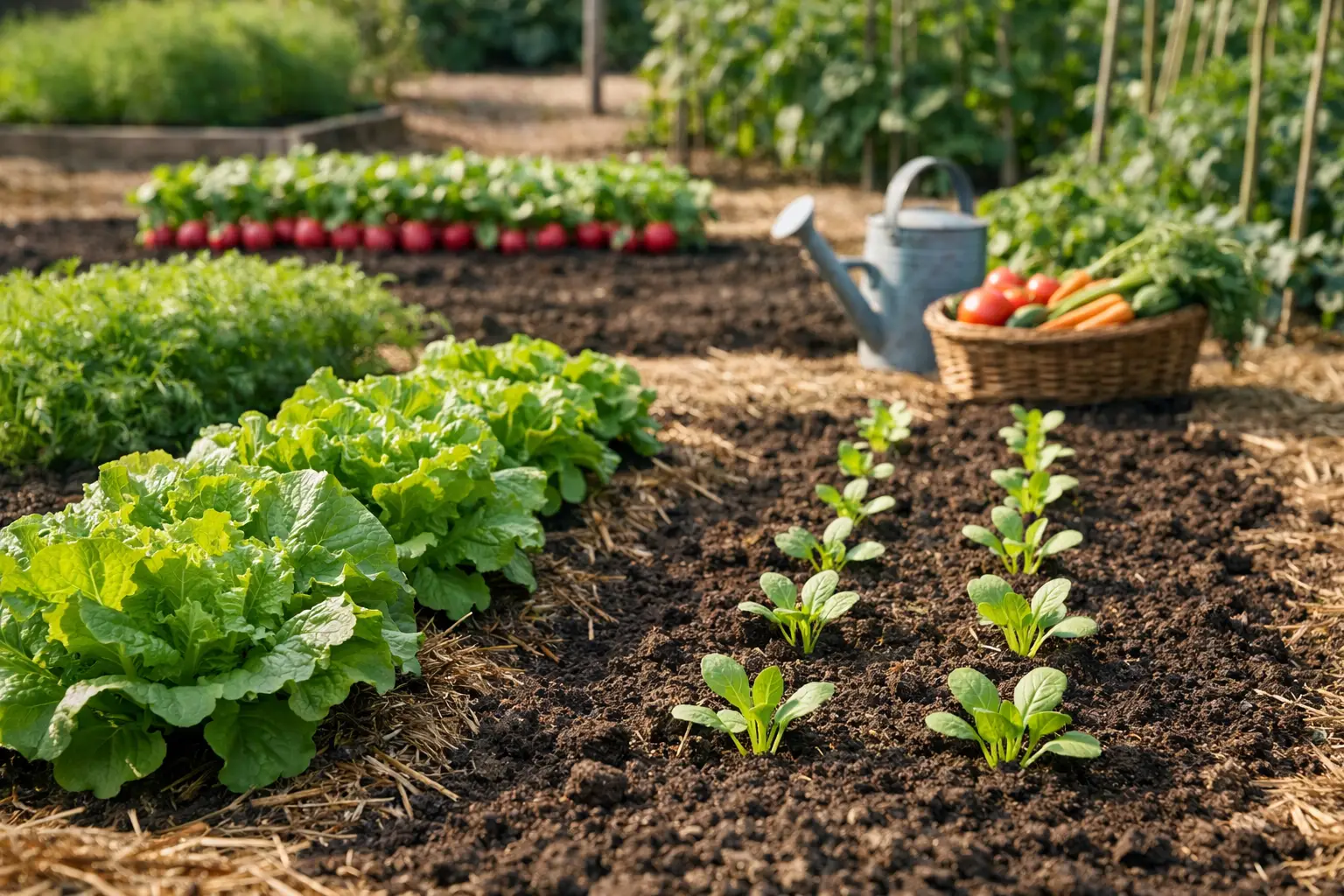
For many gardeners, this is the real heart of why grow vegetables at home. You get to decide what goes into the soil and what stays out of it. If you want to garden organically, build healthy soil with compost, and avoid routine synthetic sprays around kids or pets, you can.
That control matters because food gardening can feel personal. You are not just growing something pretty. You are growing something you will wash, chop, and serve. Being able to use natural fertilizers, mulch to hold moisture, and choose gentler pest control methods gives a lot of people peace of mind.
This does not mean a home garden is automatically perfect or pest-free. Cabbage worms still show up. Aphids do not care about your good intentions. But natural gardening gives you workable options, and over time you get better at prevention instead of reacting in a panic.
It can save money, but it depends on how you garden
People often hear that vegetable gardening saves money, and it can. A productive bed of salad greens, herbs, zucchini, or cherry tomatoes can give you a lot of harvest for the cost. Crops that are expensive to buy fresh and easy to grow tend to offer the best return.
That said, gardening can also become a hobby that happily eats up a budget. Raised beds, tools, irrigation kits, trellises, and impulse seed orders add up quickly. If saving money is one of your goals, the smart move is to start small and grow vegetables you actually eat often.
Containers, a simple in-ground patch, or one modest raised bed can be enough to make a difference. The gardeners who save the most are usually not the ones with the fanciest setup. They are the ones who keep it manageable, build their soil over time, and avoid buying more than they can use.
You reduce food waste without trying so hard
A bunch of kale in the fridge can be easy to forget. A kale plant outside is much harder to ignore. When food is growing a few steps from your kitchen, you tend to harvest what you need and use it sooner.
That shift leads to less waste in a practical, everyday way. You pick a handful of basil instead of buying a whole clamshell. You harvest two cucumbers instead of letting a store pack go soft in the crisper drawer. Even herbs alone can cut waste and save frustration.
There is also less packaging involved. No plastic box for cherry tomatoes, no rubber bands around greens, no extra trips for one ingredient. It is a small household change that adds up over a season.
Gardening teaches you what plants actually need
One of the hidden benefits of growing vegetables at home is confidence. You start to notice patterns. Tomatoes need steadier watering than you thought. Lettuce bolts when the weather heats up. Squash looks great until vine borers arrive, which is why timing and row covers matter.
That knowledge carries into every part of gardening. You become less likely to overwater, overfertilize, or reach for a product you do not need. Instead of feeling like plants are mysterious, you start reading the signs. Yellow leaves, chewed holes, wilting in afternoon heat, slow growth in cool soil – these stop feeling random.
This is especially helpful for beginners who have been burned by confusing advice. A home vegetable garden gives you direct feedback, and that kind of learning tends to stick.
It supports pollinators and healthier garden ecosystems
Vegetable gardens are not just food spaces. They become mini ecosystems. Flowers on cucumber, squash, bean, and tomato plants draw in pollinators, while healthy soil supports worms and beneficial microbes below the surface.
If you mix in companion flowers, mulch well, and avoid harsh broad-spectrum chemicals, your garden gets even more balanced. You may start seeing more bees, more ladybugs, and fewer all-out pest explosions. Not always, and not overnight, but enough to notice.
This is one reason natural methods make so much sense in edible gardens. When you work with the garden instead of trying to sterilize every problem, the space becomes more resilient over time.
It works in small spaces too
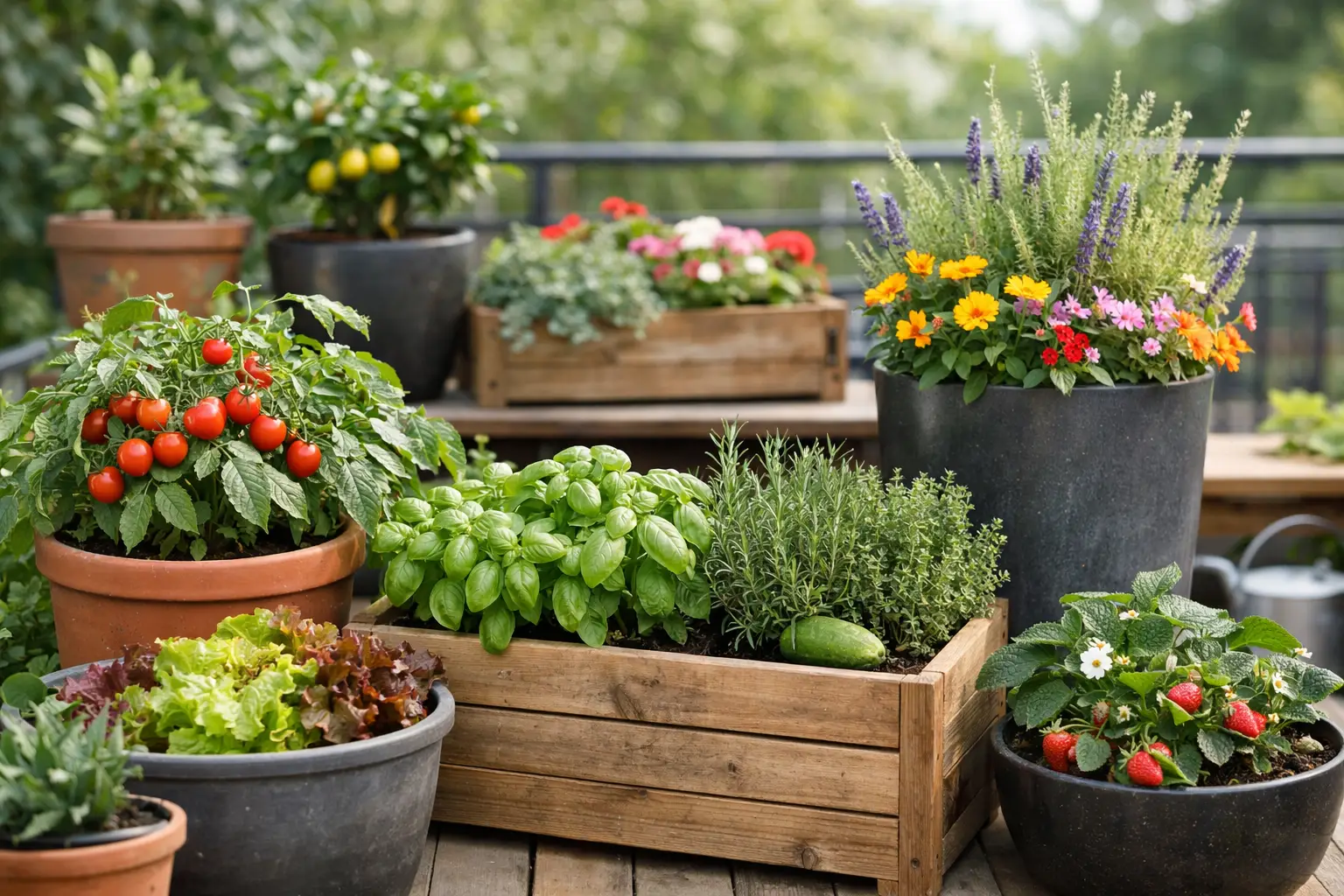
A lot of people assume vegetable gardening requires a big backyard, but that is simply not true. You can grow a surprising amount in containers, grow bags, balcony planters, or a couple of raised beds near a sunny fence.
In small spaces, the key is to be selective. Grow what is productive and useful. Herbs, lettuce, peppers, bush beans, radishes, and cherry tomatoes often give great returns without taking over. Large sprawling crops like pumpkins may not make sense unless you truly want the challenge.
This is good news for beginners because smaller gardens are easier to manage. They are simpler to water, easier to monitor for pests, and less overwhelming during busy weeks. Success often starts with less, not more.
The trade-offs are real, and still worth it
Vegetable gardening is rewarding, but it is not effortless. Plants need regular attention, especially in hot weather. Some seasons are generous, and some are humbling. You may lose a crop to squirrels, disease, or one week of neglect during a heat wave.
There is also a learning curve. The first year might be more educational than productive. That is normal. A successful home garden is usually built through small adjustments – better soil, better spacing, better timing, and crops that fit your conditions.
If you go in expecting perfection, gardening can feel frustrating. If you go in expecting to learn while growing some excellent food, it becomes much more enjoyable.
So, why grow vegetables at home?
Because it gives you something useful, healthy, and deeply satisfying from a patch of soil or a few containers. Because a handful of homegrown lettuce can taste better than a full grocery bag. Because it lets you grow food in a way that matches your values, whether that means organic methods, less waste, or simply knowing where dinner came from.
You do not need a big yard or a perfect setup to start. A pot of basil, a tomato plant, or a short row of salad greens is enough to learn the rhythm. Once you taste that first real harvest, the question usually changes from why grow vegetables at home to what should I plant next?