Most new gardeners make the same mistake at the start – they buy too many tools before they know how they actually garden. If you’re looking for the best garden tools for beginners, you do not need a packed shed or a long shopping list. You need a short set of reliable basics that help you plant, water, prune, and weed without making the work harder than it needs to be.
A good beginner tool kit should feel simple, useful, and easy to reach for. That matters even more if you’re growing organically, because hands-on care is often the best first line of defense. A sharp pruner, a sturdy trowel, and a watering setup you will actually use can solve more problems than a shelf full of gadgets.
What makes the best garden tools for beginners?
The best tools for a beginner are not always the fanciest or the most expensive. They are the ones that fit your space, your strength, and the kind of garden you want to keep up with week after week.
If you have a few containers on a patio, you probably do not need a full-size digging spade right away. If you are starting a raised bed for vegetables, a hand fork and a hoe may earn their spot quickly. And if hand pain or wrist strain is a concern, comfort matters just as much as durability.
There is also a natural gardening angle here. Cheap tools that bend, snap, or rust out in one season create waste and frustration. Buying fewer, better tools tends to be the more sustainable choice. You do not need heirloom-quality everything, but you do want tools that can handle regular use and stay in service for years.
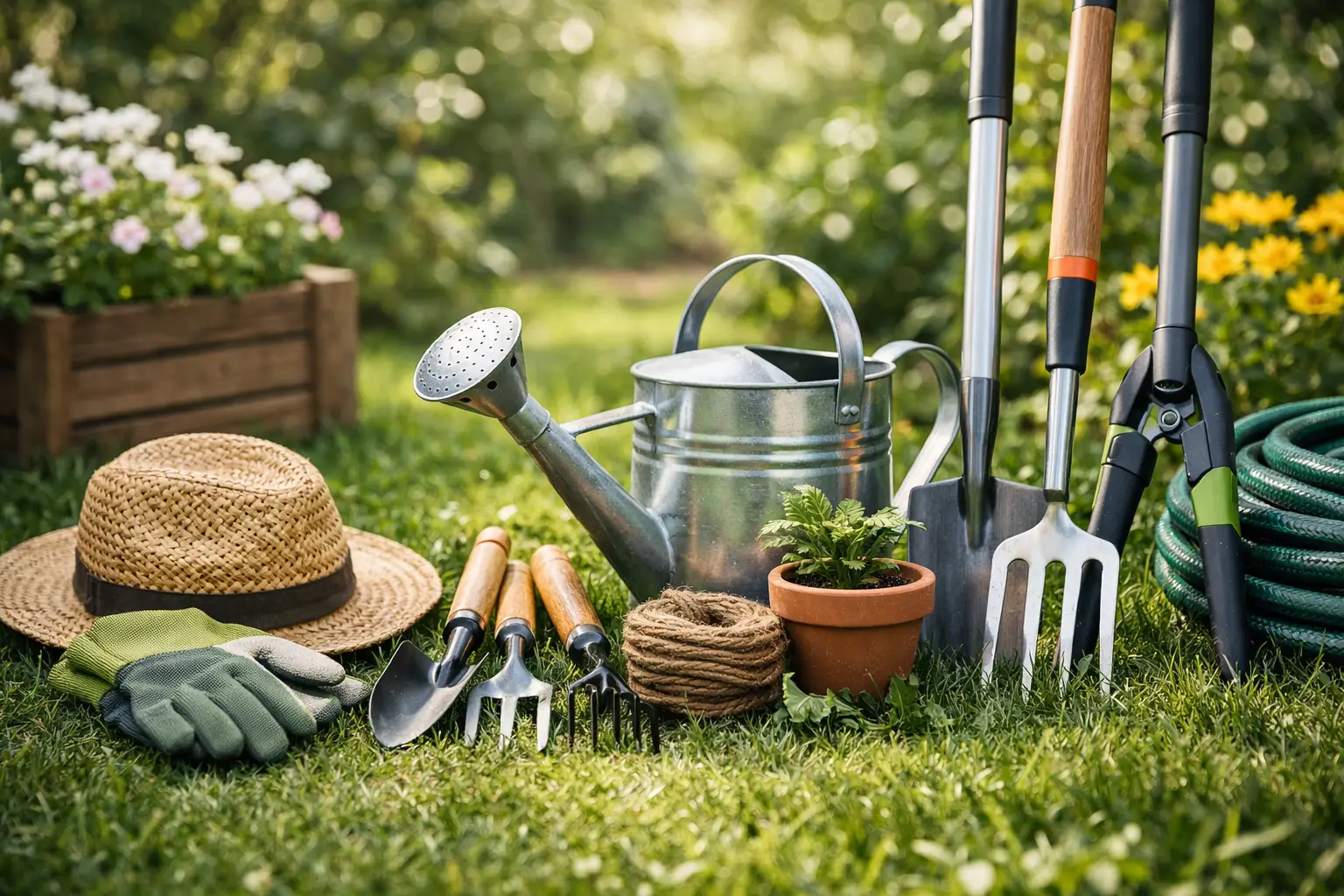
The 10 tools worth buying first
1. Hand trowel
If you buy one tool, make it a hand trowel. It is the workhorse for planting seedlings, digging small holes, moving soil, loosening root balls, and filling containers. A trowel with a solid metal blade and a comfortable handle is usually the safest bet.
This is one of those tools where flimsy versions become annoying fast. If the blade flexes every time you hit compacted soil, planting stops being fun. A slightly narrower trowel works well for containers, while a broader one moves more soil in raised beds.
2. Hand pruners
Good pruners save plants and hands. You will use them for harvesting herbs, trimming dead growth, cutting back damaged stems, and shaping tomatoes or peppers. Clean cuts heal better than torn stems, which matters in any garden but especially in an edible one.
Bypass pruners are usually the best choice for beginners because they make cleaner cuts on live plant material. If possible, test how they feel in your hand. A pruner that sticks or requires too much force often ends up sitting unused.
3. Garden gloves
Not every gardener loves gloves, but most beginners appreciate them. They help with thorns, splinters, rough soil, and the surprise sting of grabbing a hidden ant trail. They also make long weeding sessions more comfortable.
Look for a pair that bends easily and still lets you feel what you are doing. Thick, stiff gloves can be useful for heavy work, but they are frustrating for seedling care or delicate harvesting.
4. Watering can or hose with a gentle nozzle
Watering is where many gardens succeed or struggle. A good setup makes it easier to water deeply and evenly instead of blasting soil away or skipping the job because it feels awkward.
For containers, a watering can with a narrow spout gives you control. For beds, a hose with a gentle shower nozzle is more practical. The trade-off is storage and convenience. A watering can is simple and low-waste, but it gets old fast if you have a larger space.
5. Hand fork or cultivator
A hand fork is one of those tools beginners do not always think to buy, then wonder how they managed without it. It loosens soil, breaks up light compaction, lifts shallow weeds, and mixes in compost around plants.
In an organic garden, that matters because healthy soil is the center of everything. You will likely be adding compost, mulch, and natural amendments more often than synthetic feeds. A hand fork helps you work those materials in gently without overdoing it.
6. Digging shovel or spade
If you are gardening in the ground or building new beds, you need a real digging tool. Whether you choose a round-point shovel or a flat spade depends on your soil and your projects. A shovel is better for digging and moving soil. A spade is better for edging and making clean cuts.
For many beginners, this is not an immediate purchase if the whole garden is in containers. But once you start moving compost, planting shrubs, or reshaping a bed, it becomes essential.
7. Hoe
A hoe can feel old-fashioned until you use one at the right moment. For larger beds, it is one of the easiest ways to slice off small weeds before they get established. That can save a lot of kneeling and hand-pulling later.
This tool depends on your garden style. In tight container setups, you may never need it. In a vegetable bed with open rows, it earns its keep quickly. A lightweight hoe is usually easier for beginners to control.
8. Rake
A basic rake helps with smoothing soil, spreading mulch, gathering debris, and cleaning up around beds. If you only picture rakes as fall-leaf tools, you may overlook how useful they are during bed prep.
You do not necessarily need multiple rakes right away. One general-purpose garden rake is often enough when you are starting out.
9. Wheelbarrow or garden cart
This is the first item on the list that really depends on the size of your space. In a small patio garden, you can skip it. In a backyard with raised beds, compost, mulch, and bags of soil, it can save your back.
A cart is often easier to maneuver than a classic wheelbarrow, especially for beginners. A wheelbarrow may handle uneven ground better. If storage is tight, this may be one to borrow first rather than buy.
10. Weeding tool or hori hori knife
For gardeners dealing with stubborn weeds, a dedicated weeding tool is worth it. A hori hori knife is especially handy because it digs, cuts roots, divides plants, and helps with transplanting. It is one of the few multi-use tools that lives up to the hype.
That said, it is not the first tool I would buy over a trowel or pruners. Think of it as the next step once you know the kinds of jobs that eat up your time.
Tools beginners can skip for now
Plenty of tools look useful on the store shelf but are not essential in a first-season garden. Broadforks, specialty seeders, electric tillers, soil blockers, and oversized pruning tools all have their place, but most beginners do better with a smaller, simpler setup.
The same goes for tool sets sold in big bundles. They often include items you will barely touch and lower the quality of the tools you will use every week. It is usually smarter to build your collection slowly, one good tool at a time.
How to choose tools that last
The best garden tools for beginners should not feel like a mystery. Start with the handle. If it feels awkward in your hand at the store, it will feel worse after half an hour in the garden. Look for solid connections between metal and handle, smooth finishes, and enough weight to feel sturdy without being tiring.
Material matters, but not in a fussy way. Stainless steel resists rust and cleans up easily. Wood handles can last a long time and feel good in the hand, but they should be smooth and well-fitted. Plastic is fine in some cases, though the cheapest versions tend to crack sooner.
A lifetime warranty can be reassuring, but ease of use still comes first. The tool you enjoy using is the one that will help you garden consistently.
A simple starter kit by garden type
If you are growing in containers, start with a trowel, pruners, gloves, and a watering can or hose nozzle. Add a hand fork if you will be refreshing potting mix or working compost into planters.
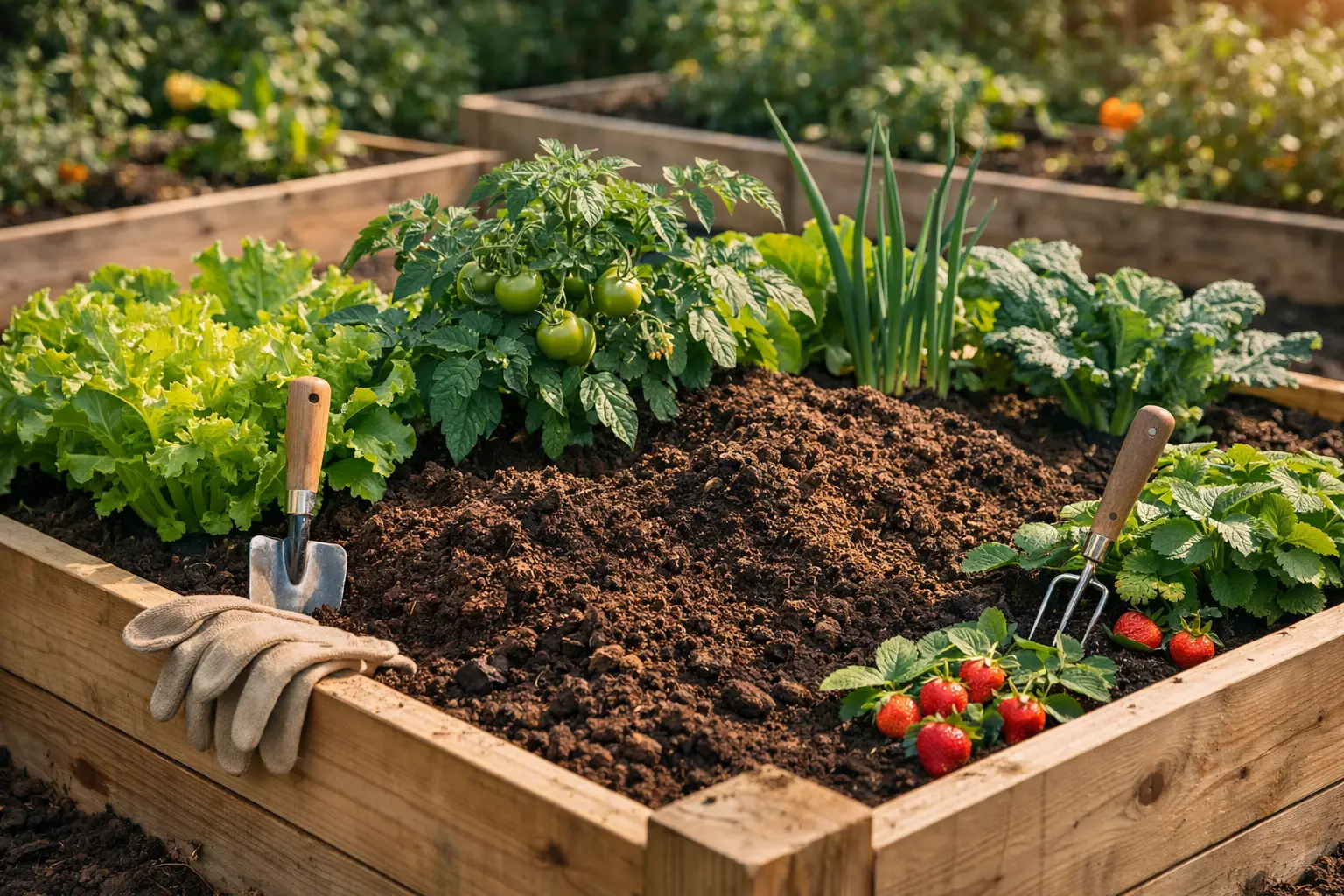
If you are planting a raised bed, begin with a trowel, pruners, gloves, a hose or watering can, a hand fork, and either a hoe or a rake depending on how much bed prep you are doing.
If you are starting an in-ground garden, add a digging shovel or spade early. That is where many beginners underestimate the physical part of the work.
Take care of your tools and they will take care of your garden
Even the best beginner tools wear out quickly if they are left outside, put away muddy, or used for jobs they were never meant to do. A quick rinse, a dry spot for storage, and occasional sharpening for pruners and blades make a bigger difference than most people expect.
Natural gardening is often built on small habits more than dramatic fixes. The same is true for tools. Keep a few good ones nearby, learn what each one does well, and let your garden tell you what to add next. The right tools do not make you a gardener overnight, but they do make it easier to keep showing up, and that is where the real progress happens.