The first warm weekend of spring can make you want to clean everything at once. I get it. After a long winter, it is tempting to cut back every stem, rake every leaf, and make the garden look neat by lunch. But a good spring garden cleanup checklist is not really about making the yard look tidy as fast as possible. It is about helping your soil, your plants, and the beneficial insects that are still waking up.
That small shift matters. When you clean up with a little patience and a clear order, your garden bounces back faster and with fewer problems later. You are less likely to disturb pollinators, less likely to spread disease, and much more likely to start the season with healthy beds instead of compacted soil and stressed plants.
A spring garden cleanup checklist starts with timing
The best cleanup day is not always the first sunny one. If your garden is still soggy, wait. Walking on wet beds compacts the soil, and that can set back root growth for weeks. If nights are still consistently cold, some beneficial insects may also still be sheltering in hollow stems, leaf litter, or tucked under old plant debris.
A better approach is to work in stages. Start with the spots that truly need attention, like broken branches, slimy annuals, or obvious disease issues. Leave some leaf litter and standing stems in quieter areas until the weather settles a bit more. If daytime temperatures are regularly warming and the soil crumbles in your hand instead of sticking like clay, that is usually your signal to move ahead.
What to do first in your spring garden cleanup checklist
Start by taking a slow walk through the garden before you touch anything. This sounds simple, but it saves time. Look for winter damage, spots where mulch shifted, signs of rot, and any plants that are already pushing fresh growth. Notice where water tends to sit and where weeds are getting a head start.
This first look helps you sort cleanup into three categories: remove, repair, and leave alone for now. That last category is the one many gardeners skip, and it is often the reason spring cleanup turns into over-cleanup.
Remove what can cause problems
Some garden debris really does need to go early. Pull out mushy annuals, collapsed vegetable vines, and any plant material that clearly had disease last season. If your tomatoes had blight, your squash had powdery mildew, or your bee balm was covered in mildew by fall, do not chop that material into the bed. Bag it or dispose of it away from your compost if your compost pile does not get reliably hot.
This is also the time to pick up broken pots, damaged supports, and any trash winter winds tucked into the borders. Clean spaces are easier to work in, but the goal here is plant health, not perfection.
Leave some habitat in place a little longer
Not every dry stem is dead weight. Many native bees and other beneficial insects use hollow or pithy stems for shelter. Leaf litter also protects ground beetles, spiders, and other helpers that keep pest populations down later in the season.
If you want a balanced approach, clean the main paths and vegetable beds first, then leave a few less-visible corners a bit messier for another couple of weeks. You still get a garden that feels fresh without stripping away all the life tucked into it.
Cut back perennials with a little restraint
Once new growth begins to show, it is easier to see what needs trimming. Cut back last year’s dead perennial growth, but avoid hacking everything to the ground without checking the crown. Many plants are already sending up tender new shoots by the time you start cleaning.
Use clean pruners and make cuts above the base of the plant without tearing or crushing stems. For ornamental grasses, cut before fresh green blades stretch too far. For woody perennials and shrubs, remove winter-killed tips, but wait to shape heavily until you know how the plant is leafing out. Some shrubs that look rough in early spring recover just fine once warm weather settles in.
If you find a clump that has outgrown its space or blooms poorly every year, spring can also be a good time to divide it. This depends on the plant, though. Fall-blooming perennials often handle spring division better than spring bloomers, which may sulk if moved right before flowering.
Rake lightly and keep the soil covered
One of the easiest spring mistakes is aggressive raking. A hard rake can tear up emerging shoots, disturb shallow roots, and expose soil that would be better left protected. In most home gardens, a gentle pass is enough to lift matted leaves and loosen debris.
If leaves are shredded and partly broken down, you may not need to remove all of them. They can act as a light mulch and feed the soil as they decompose. Whole, thick mats are different because they can smother new growth and hold too much moisture. Break those up or move them to the compost pile.
Bare soil dries out faster, crusts over more easily, and gives weeds an open invitation. Once cleanup is finished, add a natural mulch like shredded leaves, straw, or untreated bark where it makes sense. Keep it a couple of inches away from crowns and stems so you do not trap moisture against the plant.
Refresh beds before you feed plants
Spring is a good time to check in on your soil before you reach for fertilizer. If you garden organically, the long game is always soil health first. Pull back mulch and look at texture, drainage, and earthworm activity. If the soil feels compacted, loosen the top layer gently with a hand fork instead of deep digging, especially in established beds.
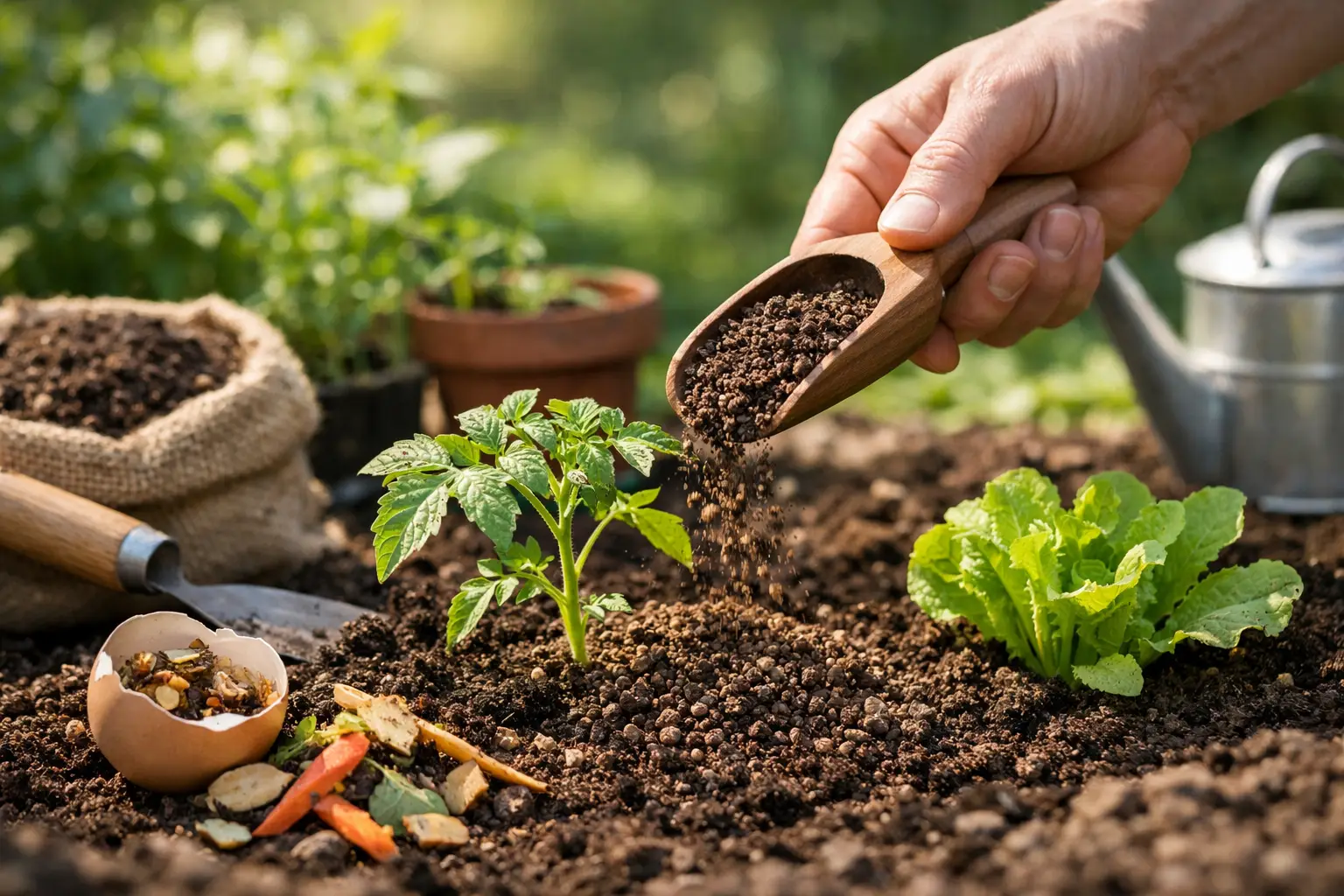
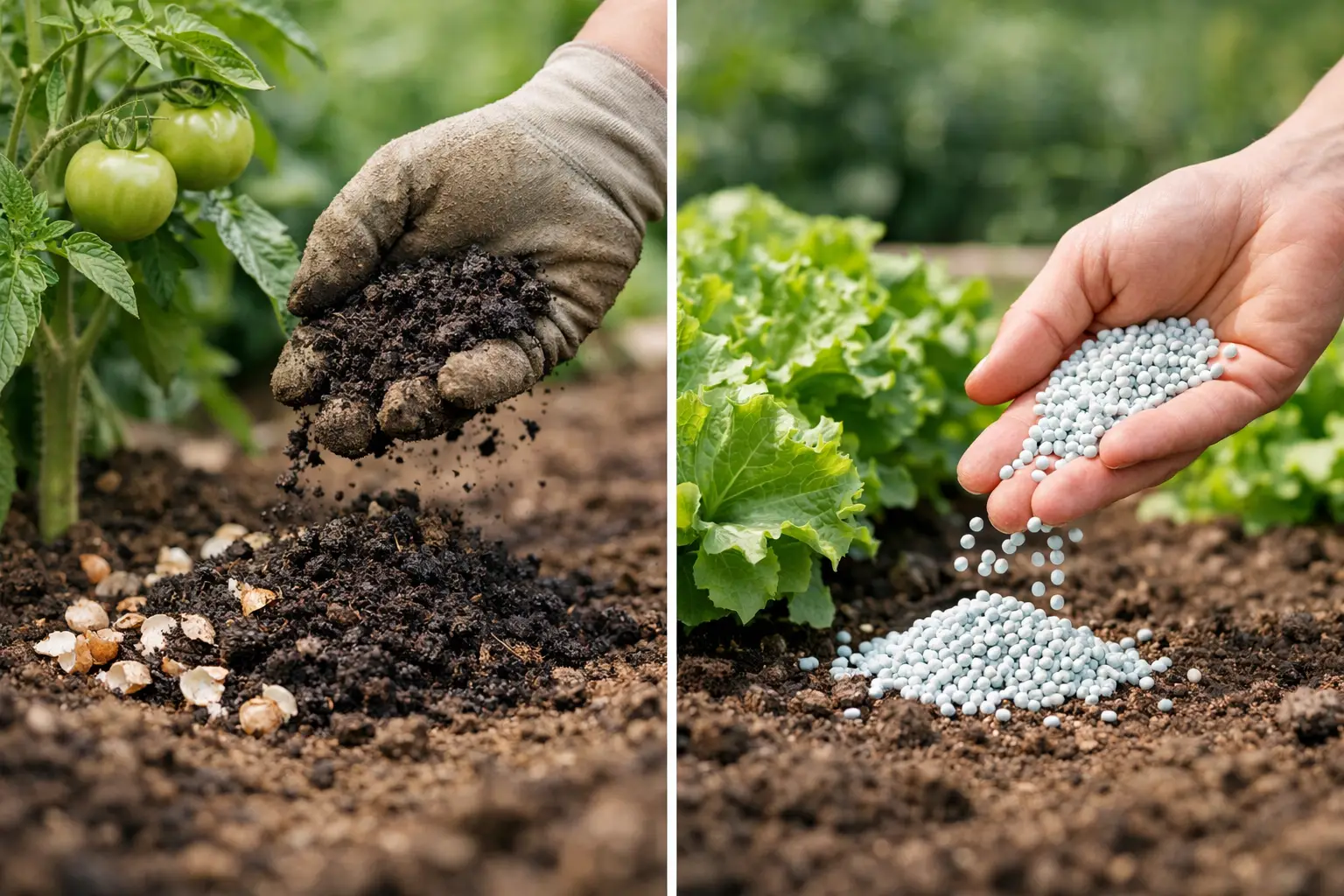
Add compost to vegetable beds, raised beds, and around hungry perennials. A one- to two-inch layer worked lightly into the surface is often enough to wake the soil up without overdoing it. Compost improves structure, supports beneficial microbes, and gives plants a steady source of nutrition.
Fertilizer depends on what you are growing. Leafy greens and heavy-feeding vegetables usually benefit from extra nutrients early on, while many native plants and established perennials prefer a lighter touch. Too much fertilizer can lead to weak, lush growth that attracts pests. If your plants struggled last year, a soil test is more useful than guessing.
Tackle weeds while they are small
Spring weeds are easy to ignore for a week and then strangely impossible the next. Tiny seedlings pull quickly, especially after light rain, and removing them now saves a lot of work later.
Focus on weed roots, not just tops. If you have creeping weeds like bindweed or established clumps of dandelion, take your time and remove as much root as possible. Then cover open soil with mulch so the next wave has a harder time getting started.
This is also a good moment to edge beds and reclaim the lines between lawn, paths, and planting areas. It makes the garden look tidier right away, even if you are still leaving a little habitat in place elsewhere.
Clean tools, pots, and supports
A spring garden cleanup checklist should include the gear, not just the plants. Dirty tomato cages, seed trays, and pruners can carry disease from one season to the next. Wash off soil, scrub away residue, and disinfect anything that touched sick plants last year.
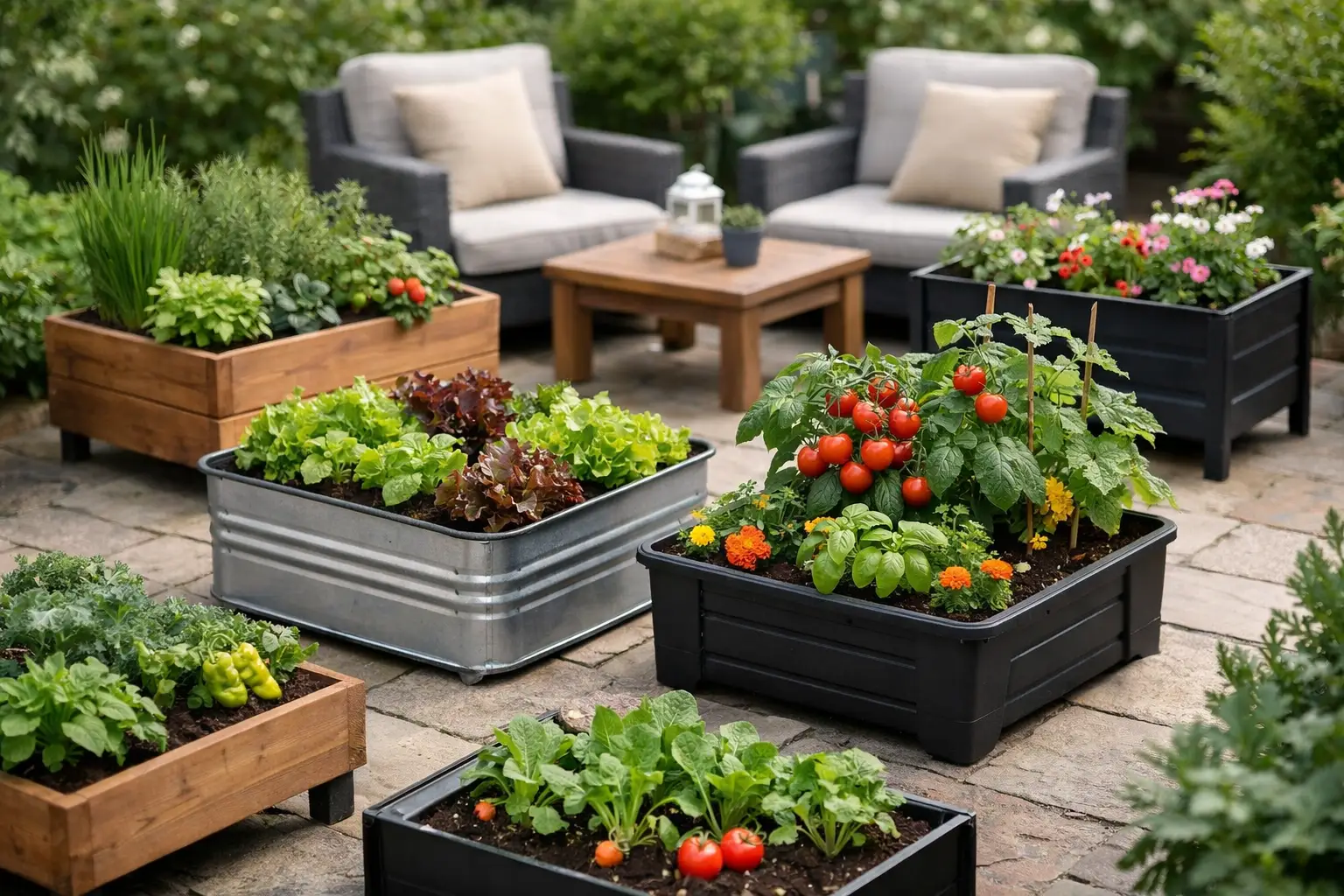
Check hoses for leaks, test watering wands, and make sure irrigation lines are not clogged or cracked. It is much easier to fix these before planting gets busy. If you use containers, refresh potting mix where needed rather than reusing tired, compacted soil year after year.
Look for pests, but do not rush to react
Spring is when many gardeners start worrying about bugs, and sometimes that leads to spraying too early. A few aphids on tender growth are not the same as a full infestation. Before you act, look for the bigger picture. Are ladybugs, lacewings, or hoverflies showing up? Are plants actually being damaged, or are you just seeing normal early-season garden life?
If you do spot a real issue, start with the least disruptive option. Hand-pick pests, blast aphids off with water, use row covers for vulnerable crops, and encourage beneficial insects with diverse planting. Natural gardening usually works best when you stack simple methods instead of expecting one product to solve everything.
Finish with a plan, not just a clean yard
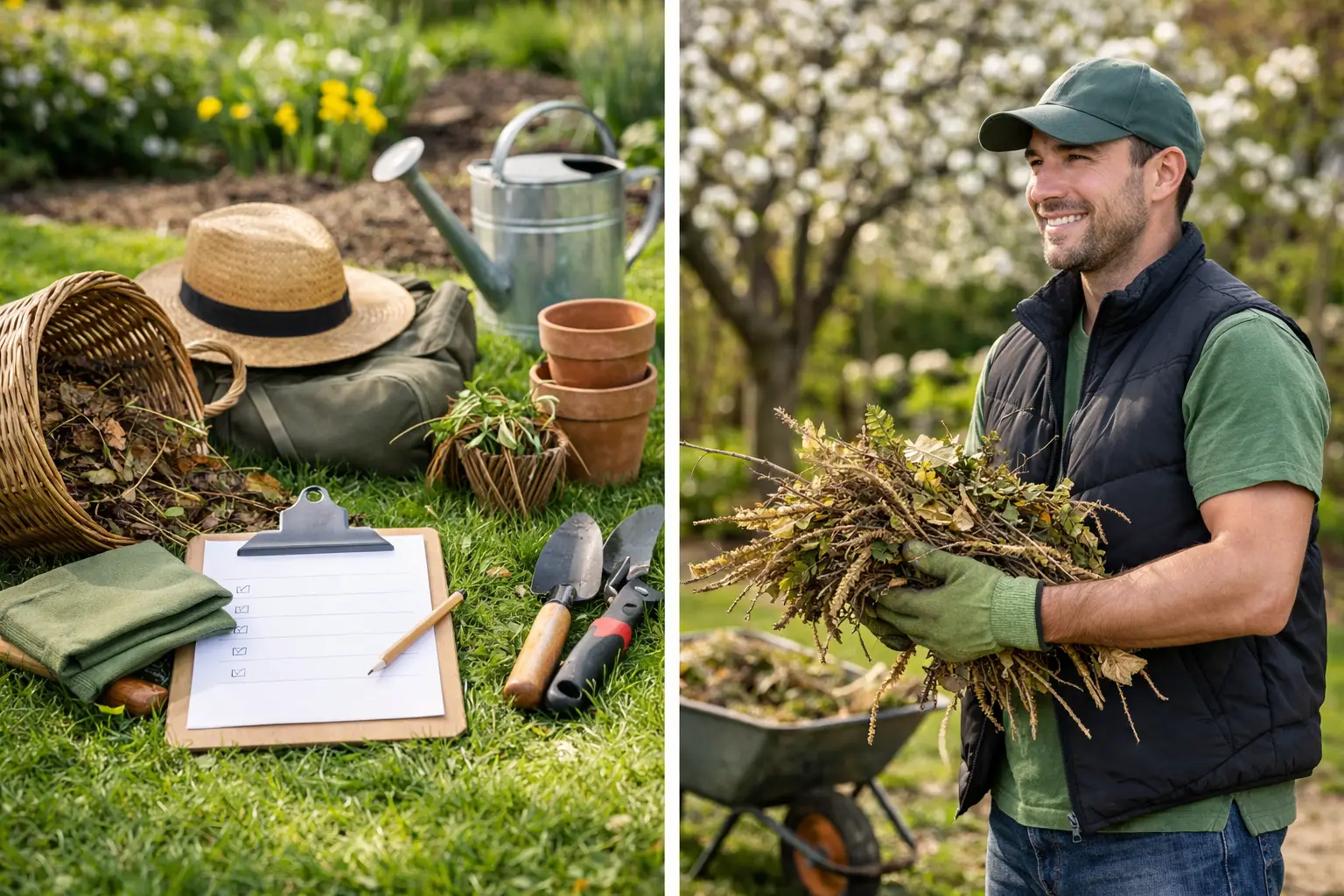
The best spring cleanup leaves you with more than tidy beds. It gives you a clear sense of what the garden needs next. Maybe one bed needs more compost, one shrub should be moved, and one corner would be better with a ground cover instead of constant weeding. Those little notes are often more valuable than the cleanup itself.
If you garden the natural way, spring is a good reminder that healthy gardens are not built by stripping everything back and starting over each year. They are built by paying attention, disturbing the soil less, feeding life below the surface, and making room for the good insects along with the plants you want to grow.
So take your time with it. A thoughtful cleanup done over two or three weekends is usually better than one big rush that leaves the garden looking neat but less alive.