A bag of potting mix can look like the least exciting purchase in the garden center. But it decides a surprising amount: whether a tomato’s roots get enough air after a heavy rain, whether basil dries out by lunchtime, and how often you find yourself wondering why a healthy-looking plant has suddenly stalled. The future of peat free potting soil matters because more home gardeners are asking for mixes that grow well without relying on peatlands, which store enormous amounts of carbon and support unique wetland ecosystems.
The good news is that peat-free mixes are no longer a niche experiment. The less convenient truth is that they are not all interchangeable. A bag labeled “peat-free” can be excellent for a patio pepper, too dense for a succulent, or a little too quick-drying for a hanging basket. Learning to read the ingredients and adjust your care is what turns a good intention into thriving plants.
Why peat is being left behind
Peat forms very slowly in waterlogged bogs, over hundreds or thousands of years. When it is harvested, the bog is disturbed and stored carbon can be released. Restoration can help damaged peatlands, but it cannot quickly replace what was removed. For gardeners who already compost, grow food organically, and try to use fewer resources, choosing another growing medium is a sensible next step.
Peat became popular for understandable reasons. It is lightweight, holds water, has a fairly consistent texture, and starts with few nutrients. It was easy to formulate into dependable retail mixes. Replacing it means recreating those useful traits with several ingredients instead of one familiar base.
That is why the change can feel uneven. One peat-free mix may be fluffy and beautifully drained, while another feels heavy or seems to shrink away from the sides of the pot when dry. This is not proof that peat-free gardening does not work. It is a reminder that “peat-free” describes what is absent, not exactly what is in the bag.
The future of peat-free potting soil is blended
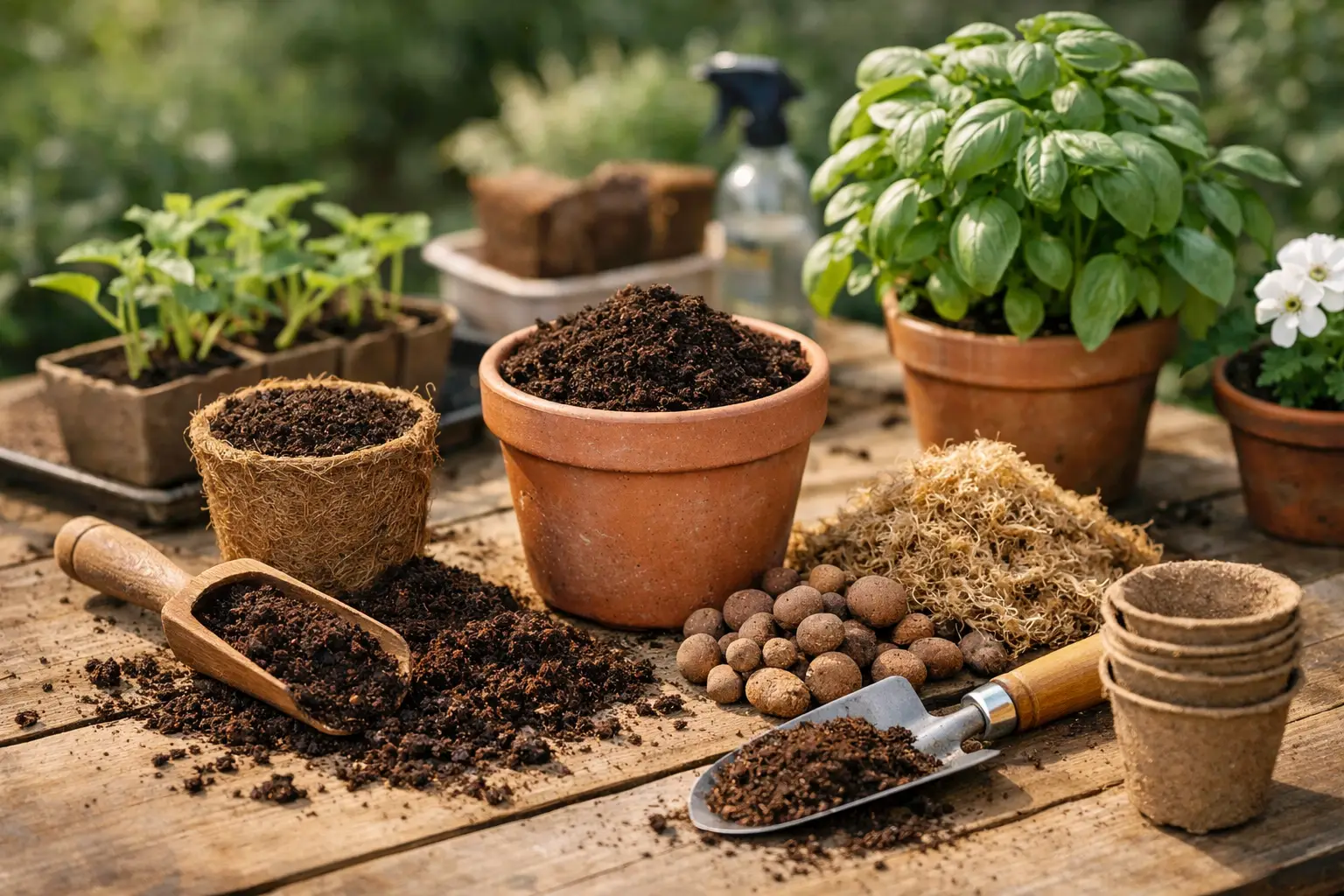
The most promising mixes use ingredients with different jobs. Finished green-waste compost or composted forest products contribute organic matter and nutrients. Aged bark helps create air pockets and drainage. Wood fiber can make a mix light and springy. Coir, made from coconut husks, can hold moisture. Perlite, pumice, rice hulls, and biochar may be added to improve structure or airflow.
Each ingredient brings a trade-off. Compost is valuable, but too much can make a container mix dense, especially after a full season of watering. Bark is great for air around roots, though chunky bark may be frustrating for tiny seedlings. Wood fiber often dries more quickly than peat. Coir can be useful, but it is shipped long distances to many US gardeners and should be properly processed to avoid excess salts.
This is where the future looks more practical than perfect. A local compost-and-bark blend may have a lower transport footprint than coir-heavy mix, but its quality can vary by producer. A highly consistent commercial blend may perform wonderfully, yet contain ingredients from farther away. There is no single winning recipe for every region, crop, and gardener.
What matters most is a mix that is appropriate for containers, made from responsibly sourced materials where possible, and reliable enough that you can keep plants healthy rather than constantly replacing them.
A label tells you more than a marketing claim
When choosing a peat-free potting mix, turn the bag over. Look for a clear ingredient list rather than relying only on a large front-label promise. For vegetables, herbs, and annual flowers, a mix containing compost plus bark, wood fiber, or another aeration ingredient is often a good starting point.
Be cautious with products labeled simply “garden soil” or “topsoil.” Those are usually meant for filling beds, not containers. In a pot, they can compact, drain poorly, and leave roots short on oxygen. A true potting mix should feel loose in your hands, even when it has compost in it.
If the bag lists fertilizer, notice whether it is a short-term starter charge or slow-release nutrition. Peat-free mixes can contain different nutrient levels depending on the compost and added fertilizer. That means a plant may need feeding sooner than you expect, or not at all for the first few weeks. The label is your first clue, while the plant’s growth is the better guide.
Watering changes more than most gardeners expect
The first season I used a wood-fiber-rich peat-free mix in containers, I watered on my old schedule. By the end of a warm, breezy day, the top few inches were much drier than I expected. The plants recovered, but it taught me not to treat a new potting mix like a familiar one.
Many peat-free blends dry faster at the surface, particularly in fabric pots, terracotta, window boxes, and small containers. Check moisture with a finger two inches below the surface instead of watering by calendar. If it is dry at that depth, water slowly until it runs from the drainage holes. If it is still cool and moist, give it another day.
At the same time, do not assume every peat-free mix needs more water. Compost-heavy mixes can stay wet longer, especially in a deep container with little sun. Yellowing lower leaves, slow growth, and a pot that remains heavy for days can point to overly wet roots rather than a lack of fertilizer.
A light mulch of shredded leaves, untreated wood chips, or straw can help large vegetable containers hold moisture. Keep mulch an inch or two away from stems. Grouping pots together also cuts down on wind exposure and makes watering less of a daily scavenger hunt.
Match the mix to the plant, not the trend
A single all-purpose mix can work for many plants, but small adjustments make peat-free growing much easier. Tomatoes, peppers, cucumbers, and most annual flowers appreciate a mix that drains freely while holding steady moisture. Choose a large container, since more soil volume gives you a much wider margin for missed watering.
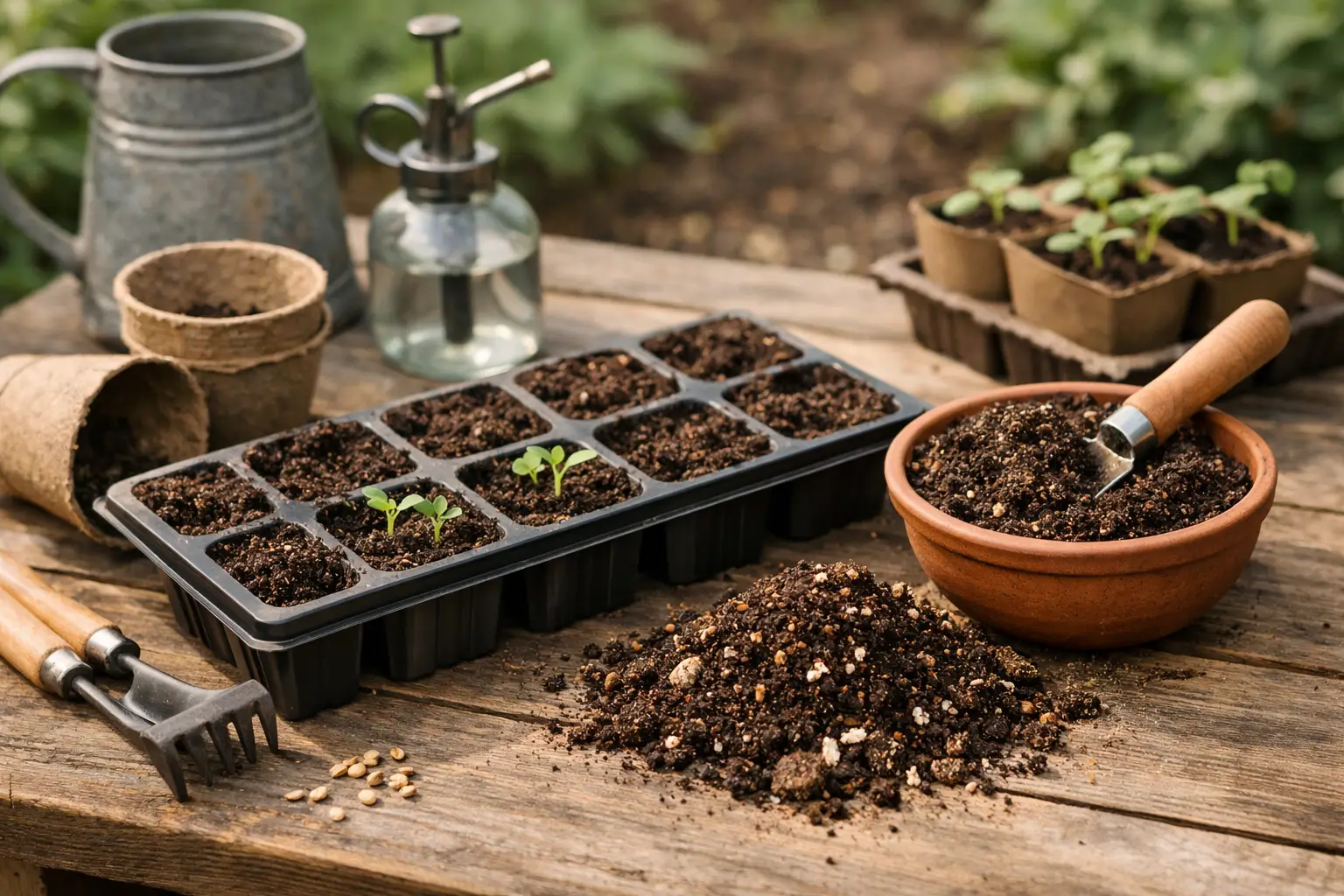
For seed starting, use a fine-textured peat-free seed-starting mix rather than a coarse container mix. Tiny roots need close contact with the medium, and large pieces of bark or fiber can make germination uneven. Once seedlings have several true leaves, pot them up into a more substantial mix.
Succulents, citrus, rosemary, and other plants that dislike wet feet need extra drainage. Mixing in pumice or perlite is often worthwhile if your peat-free base contains a lot of compost. For moisture-loving plants in hanging baskets or hot porch containers, coir or a fine compost component can be helpful, but regular checks still beat any promise printed on a bag.
How to make a peat-free mix work better
You do not need to become a soil blender to succeed. Start with a quality bagged peat-free potting mix and observe it for two weeks. Water thoroughly, notice how long the pot stays moist, and watch whether water pools on the surface or runs straight through dry pockets.
If the mix stays soggy, add aeration at the next repotting with pumice, perlite, or fine pine bark. If it dries out far too quickly, use a larger container, mulch the surface, and consider blending in a modest amount of screened compost or coir. Avoid adding ordinary backyard soil to containers. It usually solves neither problem and can make compaction worse.
Fertility deserves attention, too. Compost-based mixes can feed plants initially, but hungry crops such as tomatoes and peppers will use those nutrients quickly. Once plants are actively growing, use an organic fertilizer that fits the crop and follow its application rate. Healthy leaves, steady new growth, and good flowering tell you more than chasing a perfect feeding schedule.
What home gardeners can expect next
As demand grows, expect better peat-free options made for specific jobs: seed starting, houseplants, raised-bed transplants, water-wise containers, and food crops. Growers and manufacturers are also refining blends with regional materials such as bark, composted plant fibers, and agricultural byproducts. That can make mixes more useful and potentially reduce unnecessary shipping, though availability will vary from one part of the country to another.
The best direction is not a new miracle ingredient. It is more transparent labeling, better consistency, and gardeners who know how to respond to what their pots are telling them. A peat-free mix may ask for a small change in watering or feeding, but it can support a very productive garden. Start with one or two containers this season, pay attention, and let your plants teach you which blend earns a permanent place on your potting bench.