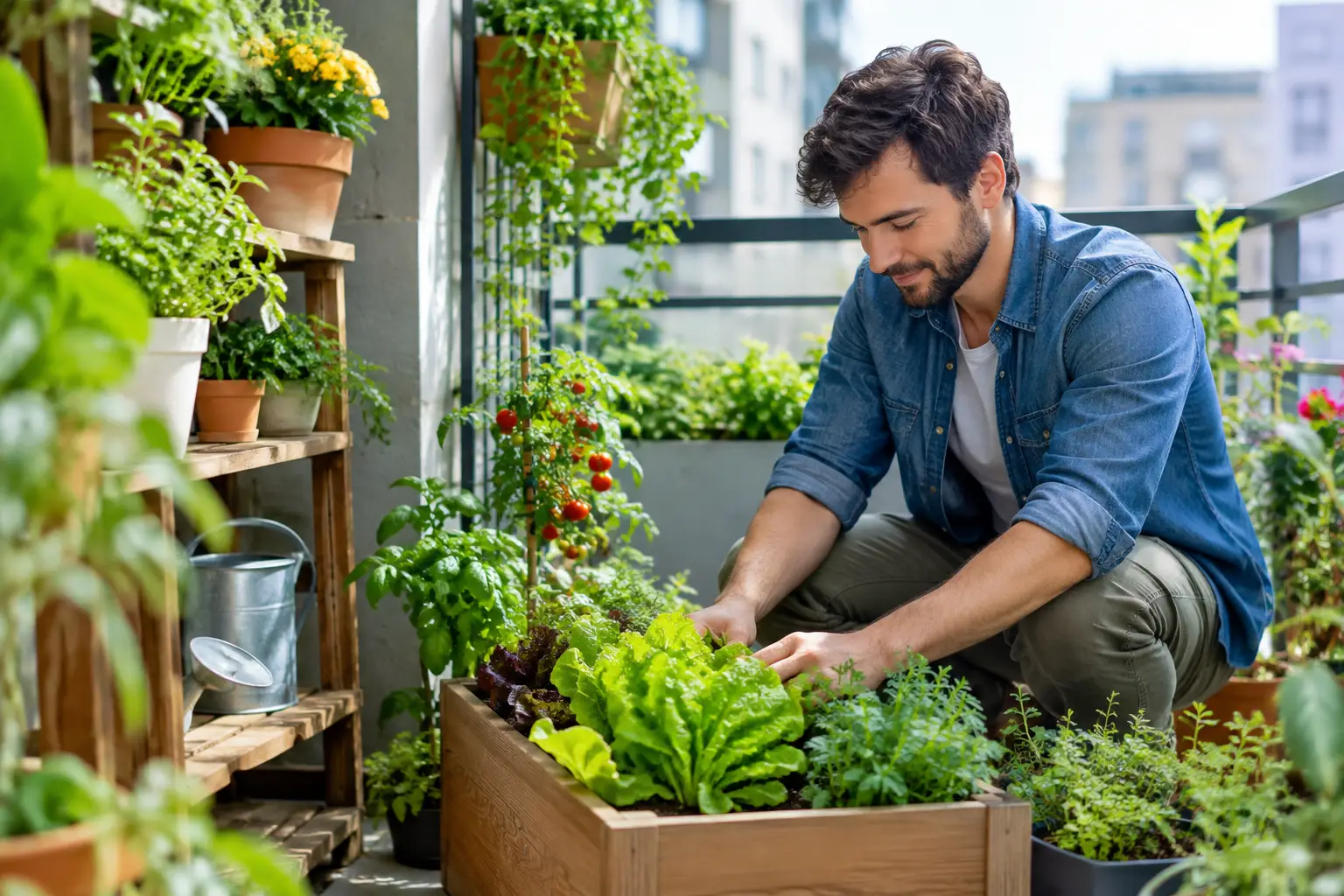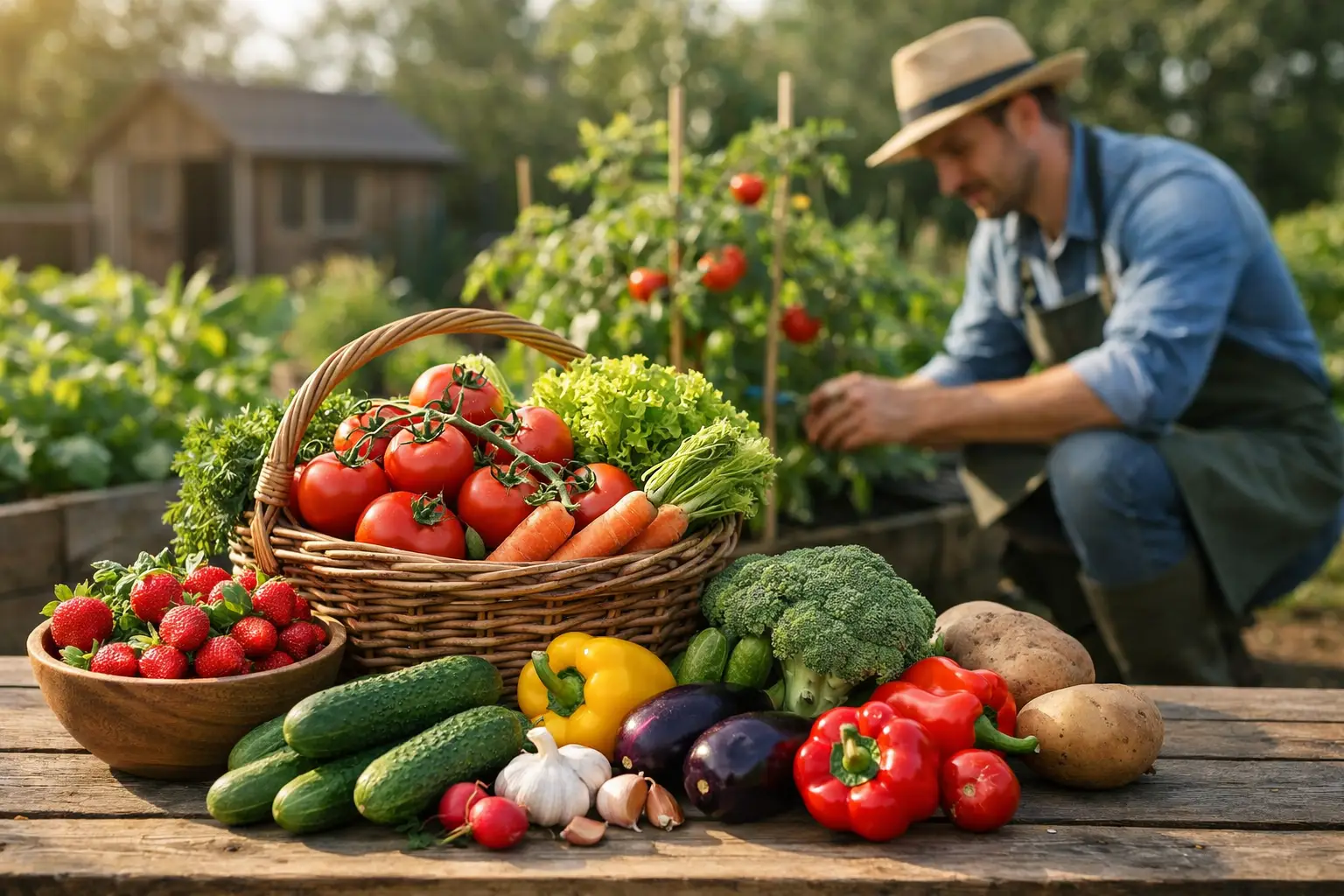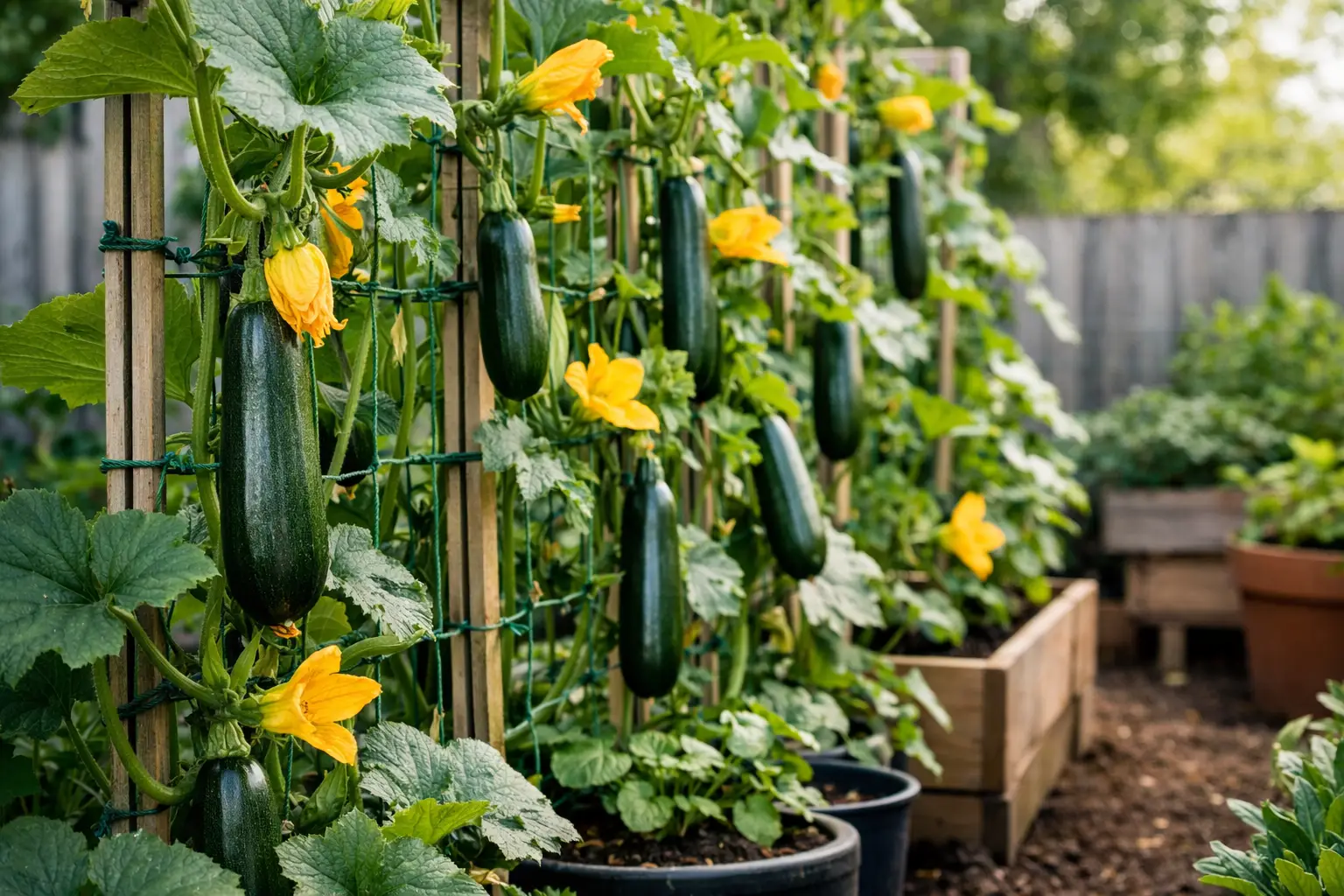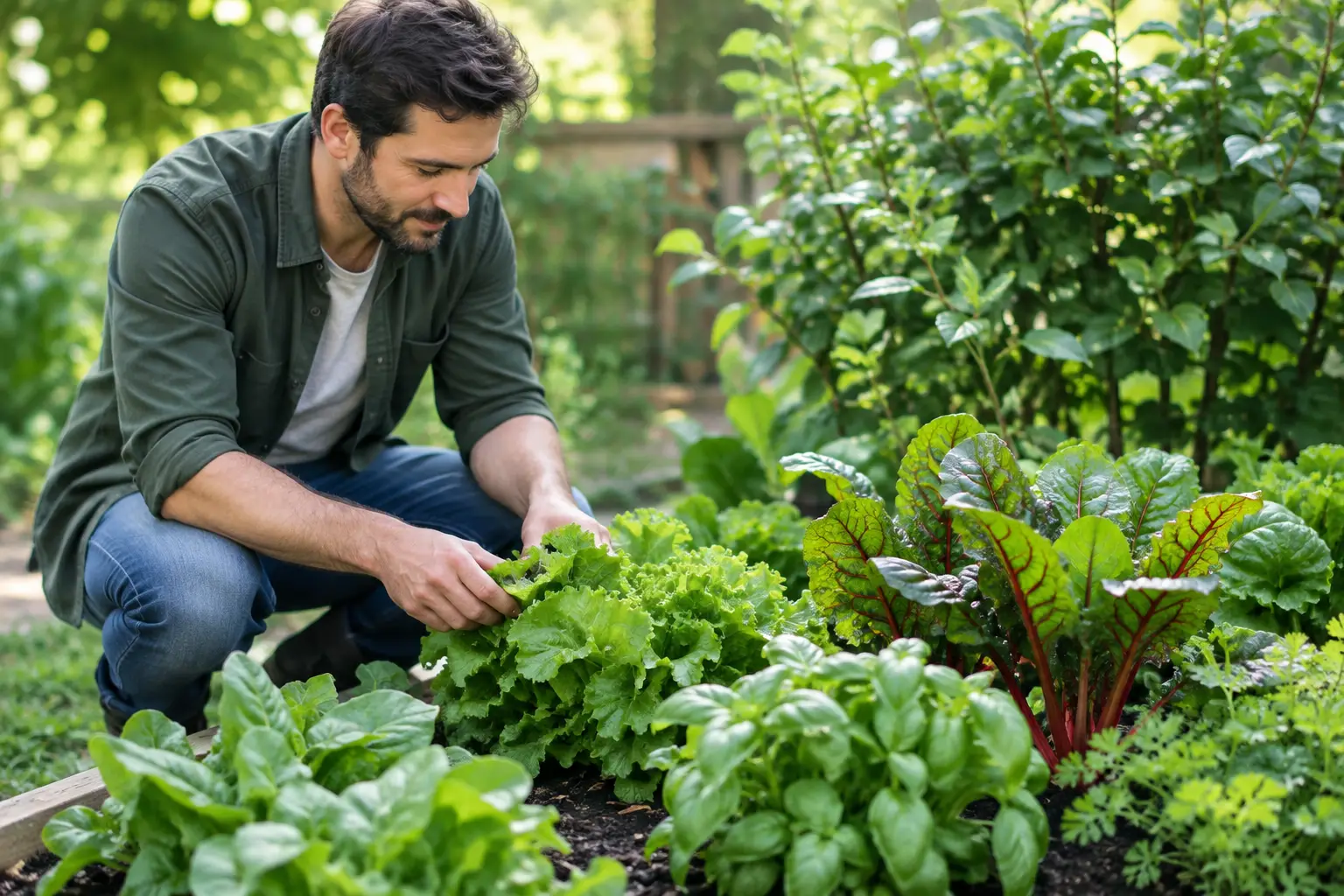
That strip beside the fence, the patio that gets morning sun only, or the bed beneath a high-branched tree does not have to become a hosta-only zone. Some of the best edible plants for shade are not just willing to cope with less sun – they often produce sweeter, more tender leaves when protected from hot afternoon light.
📋 Table of Contents
- First, know what kind of shade you have
- The best edible plants for shade gardens
- Lettuce
- Spinach
- Arugula and Asian greens
- Kale, collards, and Swiss chard
- Mustard greens
- Parsley and cilantro
- Mint and lemon balm
- Chives
- Radishes
- Beets
- Green onions
- Alpine strawberries
- How to make a shady edible garden more productive
- A simple way to plan your planting
The key is to adjust expectations. A shady garden will not give you bushels of tomatoes or giant pepper harvests. But it can grow salads, cooking greens, herbs, roots, and even a few fruits surprisingly well. Once you match plants to the kind of shade you have, that overlooked corner can become one of the most useful parts of the garden.
First, know what kind of shade you have
Gardeners often call an area “shade” when it actually gets a few very different levels of light. Partial shade usually means two to four hours of direct sun, often in the morning. Dappled shade is the shifting, filtered light beneath an open-canopy tree. Both can support a generous edible garden.
Full shade means little to no direct sun all day, such as the north side of a building or under dense evergreens. Food crops will grow more slowly there, and yields will be smaller. You can still grow some leafy greens, especially in containers you can move toward brighter spots when needed.
Before planting, watch the space for a day or two. Morning sun is especially valuable. Four hours of gentle morning light can be far more useful for vegetables than four hours of blazing late-afternoon sun in a hot climate.
The best edible plants for shade gardens
Lettuce
Lettuce is one of the easiest wins in a low-light bed. In full summer sun, it can turn bitter and bolt before you have picked more than a few salads. A spot with morning sun and afternoon shade helps it stay mild and productive longer.
Grow loose-leaf varieties for the simplest harvest. Snip outer leaves while the center continues growing, rather than pulling the whole plant at once. Sow a short row or tuck seedlings between taller crops every two or three weeks for a steady supply.
Spinach
Spinach appreciates cool weather and tends to bolt as temperatures rise. Shade will not make it a summer crop everywhere, but it can stretch the spring season and make fall planting easier. Give it fertile soil with plenty of finished compost, and keep moisture even for tender leaves.
If your summers are warm, plant spinach where it receives morning light but is shaded by midday. It may grow a little more slowly, but it is often less stressed.
Arugula and Asian greens
Arugula, mizuna, tatsoi, bok choy, and similar Asian greens are excellent choices for partial shade. Their leaves are useful at many stages, from baby greens to full-size cooking leaves. Shade also softens arugula’s peppery bite, which some gardeners consider a bonus.
Bok choy and tatsoi need more light than lettuce for sturdy heads, so aim for at least three or four hours of sun. In deeper shade, grow them as cut-and-come-again greens instead.
Kale, collards, and Swiss chard
These dependable greens can handle partial shade, particularly in places where summer heat is intense. Kale and collards may not reach their biggest size without ample sun, but a smaller plant can still provide plenty of leaves for soups, sautés, and smoothies.
Swiss chard is a good middle ground. It prefers sun but remains useful with light shade, especially if it receives several hours of morning light. Harvest a few outer leaves from each plant instead of stripping it bare, and it will keep producing for months.
Mustard greens
Mustard greens are quick, flavorful, and much tougher than they look. They grow well in partial shade and are especially welcome in the spring and fall garden. Young leaves add a pleasant bite to salads, while mature leaves mellow beautifully when cooked.
If flea beetles are a recurring problem in your garden, protect seedlings with a lightweight row cover early on. Healthy, steadily growing plants recover much better than stressed ones.
Parsley and cilantro
Many culinary herbs demand full sun, but parsley and cilantro are exceptions worth making room for. Parsley grows slowly at first, then settles in as a reliable harvest for salads, sauces, and soups. It tolerates partial shade well and benefits from protection during hot weather.
Cilantro is even more grateful for a little shade. It bolts quickly in heat, so a cool, bright-but-not-blazing spot can give you more time to harvest leaves. Sow small batches every couple of weeks rather than relying on one large planting.
Mint and lemon balm
Mint and lemon balm are enthusiastic growers in shade, which is both their strength and their warning label. Their fragrant leaves are lovely for tea, fruit salads, and summer drinks, but their roots can travel fast through a garden bed.
Plant either one in a container, even if that container sits in the ground. They are forgiving herbs for a shady porch or patio, where many sun-loving herbs struggle.
Chives
Chives are compact, cold-hardy, and useful nearly all year in many gardens. They grow best with a few hours of sun but can manage in partial shade. Snip leaves often for eggs, potatoes, dressings, and soups, leaving an inch or two above the soil so the plant can regrow.
Their purple spring flowers are edible, too. Pull the florets apart and scatter them over a salad for mild onion flavor and a little color.
Radishes
Radishes can grow in partial shade, though they need more light than leafy greens to form crisp, round roots. If your bed gets three to four hours of sun, try fast-growing varieties in spring or fall. In lower light, expect smaller roots and enjoy the tender tops as well.
Loose, stone-free soil matters more than fertilizer for radishes. Too much nitrogen often gives you lush leaves and disappointing roots.
Beets
Beets are a smart choice for gardeners willing to harvest two crops from one plant. Their roots may be smaller in partial shade, but the leaves are delicious and productive. Use young beet greens like spinach, or cook larger leaves as you would chard.
For the best chance of decent roots, give beets the brightest part of your shady space and avoid crowding. Thin seedlings early, then use the thinnings in salads.
Green onions
Green onions, also called scallions, are one of the more flexible root crops for partial shade. They will not need the blazing sun that bulbing onions prefer, and they take up very little room. Sow seeds thickly in a short row, or plant sets close together for easy harvesting.
Keep soil consistently moist and pull them when stems reach pencil thickness. A small patch can supply fresh onion flavor for weeks.
Alpine strawberries
Most strawberries need sun for a heavy crop, but alpine strawberries are worth trying in bright, dappled shade. These small-fruited plants will not fill a freezer, yet their berries have intense flavor and are a cheerful treat for snacking in the garden.
They make an especially good edible ground cover along a woodland edge or in containers. Give them rich soil, mulch with shredded leaves or straw, and do not let them dry out during fruiting.
How to make a shady edible garden more productive
Light is only one part of the equation. In shade, plants grow more slowly, so good soil and careful watering make an even bigger difference. Work compost into beds before planting, then add a light organic mulch to protect soil moisture and feed the soil life underneath.
Do not overfeed. A heavy dose of high-nitrogen fertilizer can create floppy, pest-prone growth, especially where plants already receive limited light. Compost, worm castings, or a gentle organic vegetable fertilizer applied according to the label is usually plenty.
Spacing matters, too. It is tempting to pack shade plants tightly because they stay smaller, but crowded leaves hold moisture and invite fungal problems. Give plants airflow, water the soil rather than soaking foliage, and harvest regularly so light can reach the center of the patch.
Tree shade deserves one extra caution. The challenge beneath trees is often not only low light but root competition. Tree roots can pull a surprising amount of water and nutrients from the soil. Raised beds or containers set just beyond the root zone are often easier than trying to grow directly under a mature tree.
A simple way to plan your planting
Put your sunniest available section toward crops that need firmer roots or heads, such as beets, radishes, and bok choy. Use the shadier edges for lettuce, spinach, arugula, parsley, and mint in containers. If your shade comes from a fence or a building, observe whether the light changes through the season before deciding a spot has failed.
A shaded garden asks for a different kind of abundance: a basket of tender greens, a handful of herbs for dinner, and a cool place to keep planting when the sunny beds are baking. Start with two or three crops you already enjoy eating, harvest often, and let that quiet corner show you what it can do.
🌿 Recommended Gardening Products
As an Amazon Associate, The Natural Gardener earns from qualifying purchases at no extra cost to you.
Raised Bed Galvanized Garden Bed Kit
Durable metal raised bed — easy assembly, no rot, lasts 10+ years.
~$45–$80
Companion Planting Guide Laminated Chart
Quick-reference chart for companion planting combinations in any garden.
~$8–$15
Organic Vegetable Gardening — Rodale Press
The definitive organic gardening reference — covers soil, pests, seeds and seasons.
~$20–$30