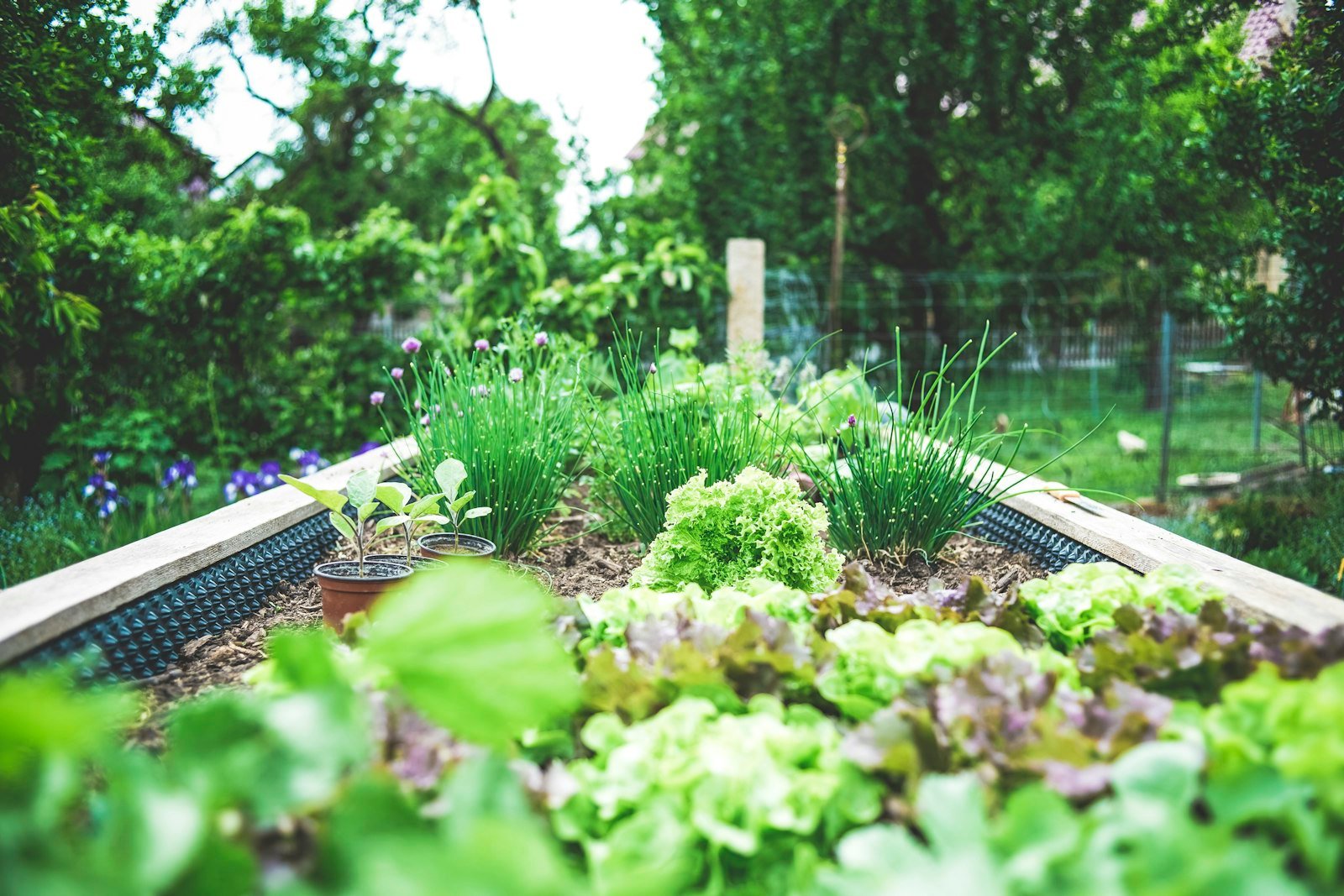
A garden bed that produces one big burst of lettuce or beans can feel successful for about a week. Then the lettuce bolts, the beans slow down, and you are left waiting for the next crop. This succession planting guide helps you avoid that familiar feast-or-famine pattern by planting small amounts at thoughtful intervals, so fresh food keeps coming instead of arriving all at once.
📋 Table of Contents
Succession planting is not about squeezing every last inch out of your garden or turning weekends into a planting marathon. It is a simple way to work with the seasons, whether you have a few containers on a patio or several raised beds. Once you get the rhythm, it is one of the easiest ways to make a home vegetable garden more productive.
What Succession Planting Really Means
Succession planting means starting new crops as earlier plantings are harvested, or sowing the same crop every few weeks instead of all at once. The goal is a longer, steadier harvest.
There are a few ways this looks in a real garden. You might sow a short row of radishes every 10 days in spring. You might tuck basil seedlings into the space where spinach finished. Or you might plant a second round of bush beans after the first plants begin to slow down in midsummer.
The key is to think of your garden as a series of openings rather than a single spring planting event. A bed is rarely “done” for the year after one crop. With healthy soil, enough water, and the right timing, it can support several rounds of food.
Start With Your Frost Dates and Growing Season
Before choosing crops, find your average last spring frost date and first fall frost date. These dates give you the basic boundaries of your growing season. They are averages, not guarantees, but they are useful for planning.
Cool-season vegetables such as lettuce, spinach, peas, radishes, kale, and carrots grow best in the milder weather of spring and fall. Warm-season crops such as beans, cucumbers, squash, basil, and tomatoes need warm soil and frost-free nights.
For fall planting, work backward from your expected first frost date. Check a seed packet for days to maturity, then add a week or two because shortening fall days slow plant growth. If your first frost usually arrives around October 20 and your carrots need 70 days, aim to sow by early August rather than waiting until late August.
Local weather matters more than a calendar printed for the whole country. Gardeners in southern states may grow greens through winter, while gardeners in northern areas may focus on quick crops between spring and fall frosts. Watch your garden, keep a few notes, and adjust next season.
Choose Crops That Reward Repeat Planting
Some vegetables are especially well suited to succession planting because they mature quickly or because a new sowing replaces an older, declining plant.
Lettuce, arugula, spinach, radishes, cilantro, and bush beans are reliable choices for beginners. Sow a small patch every one to three weeks during their ideal season. Rather than planting a whole packet of lettuce in April, sow enough for a few salads, then repeat after 10 to 14 days.
Carrots and beets are also good candidates, although they need more patience. Plant them every two to three weeks in spring, then again in late summer for fall harvests. Keep the seedbed evenly moist until seedlings emerge, especially during warm weather.
For summer crops, bush beans are hard to beat. Plant a first round after the soil warms, then sow another round every two to three weeks until about two months before frost. Cucumbers and zucchini can also be replanted in midsummer if earlier plants are struggling with pests, disease, or simple old age.
Tomatoes and peppers are different. They take a long time to mature, so most home gardeners get better results by planting them once and caring for them well. You can still use the open space around young tomato plants for quick radishes, leaf lettuce, or scallions before the tomatoes shade the bed.
Make a Simple Succession Planting Plan
A successful plan does not need a color-coded spreadsheet. Start by choosing two or three crops your household actually eats often. Then decide how long you want to keep harvesting them.
For example, if your family loves salad, plant one short row or container of lettuce every two weeks from early spring until hot weather arrives. In summer, switch that space to basil or bush beans. When temperatures cool in late summer, sow lettuce again for fall.
It helps to keep a small notebook or a note on your phone with the date you planted, the variety, and how it performed. Seed packets can offer a starting point, but your own garden will teach you the most useful timing. A shady backyard, a windy patio, or a bed that stays cool and damp can all change the schedule.
Use the Empty-Space Method
This is the most natural approach for busy gardeners. Each time you pull a crop, ask one question: what can grow here next?
After spring peas come out, plant beans. After radishes are harvested, sow carrots or basil. After garlic is lifted in early summer, use that open bed for cucumbers, a late planting of zucchini, or a fall crop of broccoli and kale, depending on your season.
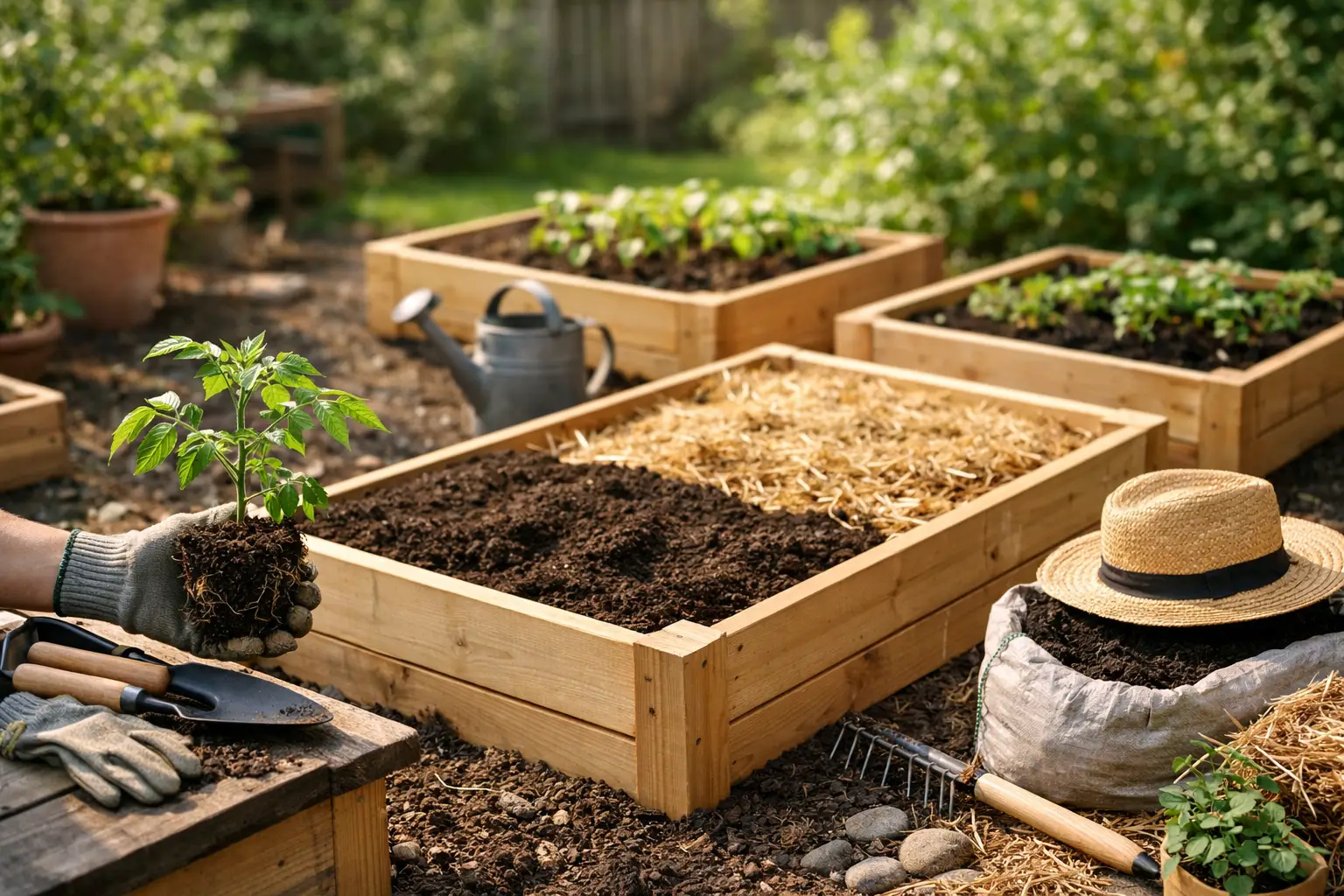
Before replanting, remove old roots and spent plant debris, especially if the crop showed signs of disease. Add a thin layer of finished compost, gently loosen the top few inches of soil, and water the bed. You do not need to completely rebuild the soil between every crop, but a little organic matter gives the next planting a better start.
Try the Interval Method
The interval method is best for crops you want continuously. Instead of planting one large block, plant small amounts on a schedule.
A practical rhythm is every 7 to 10 days for radishes, every 10 to 14 days for leaf lettuce and arugula, every two to three weeks for bush beans, and every two to three weeks for carrots and beets. These intervals are flexible. During a heat wave, seeds may struggle to germinate. In cool weather, growth may be slower. It is fine to pause and restart when conditions improve.
Keep the Soil Ready for Another Crop
Repeated planting asks more of the soil than leaving a bed empty. The good news is that organic soil care does not need to be complicated.
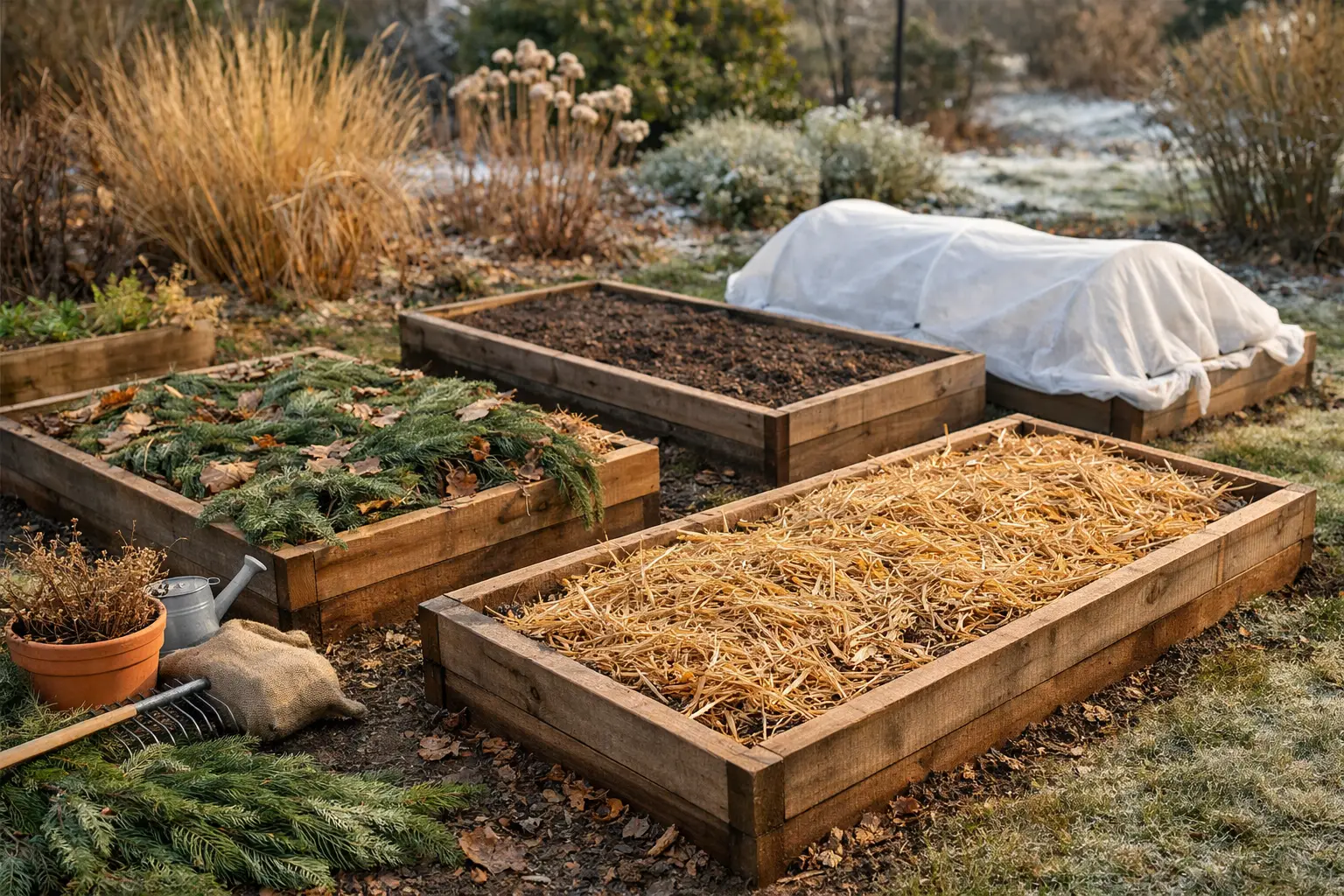
Add compost before major seasonal plantings and after heavy-feeding crops like tomatoes, squash, or corn. Mulch with shredded leaves, untreated grass clippings, or straw to hold moisture and protect soil life. A two- to three-inch layer around established plants can also reduce weeds, which matters when you are trying to get the next crop in quickly.
Avoid planting the same plant family in the same spot over and over when you can. For instance, follow beans with carrots, lettuce, or a brassica such as kale. This simple rotation can reduce pressure from soil-borne pests and diseases while balancing how different crops use nutrients.
If a crop had a serious disease problem, do not rush to replant a close relative in that bed. Tomato blight is not a reason to plant peppers in the same space next week. Choose an unrelated crop and remove infected material from the garden rather than composting it at home.
Common Succession Planting Mistakes
The most common mistake is planting too much at each interval. A little lettuce seed goes a long way, and a six-foot row of radishes can still mature faster than one household can eat. Start smaller than you think, especially with fast crops, and increase only if you are consistently wishing for more.
Another mistake is forgetting that summer heat changes everything. Lettuce and cilantro may bolt quickly in hot weather, while carrots can be slow to germinate in a dry seedbed. Give fall seedlings shade with a light row cover or a board laid over the soil until they sprout, then remove it promptly. Water newly sown seeds gently and consistently.
Finally, do not wait until a bed is completely barren to make a plan. Keep a few seed packets and labels handy. When the last pea plant comes out or a patch of spinach finishes, you will be ready to plant rather than lose the opportunity to weeds.
A longer harvest is built one small planting at a time. Plant a little this week, notice what your family uses, and leave room for the next round. Your garden does not have to be perfect to keep feeding you well.
🌿 Recommended Seeds & Starting Supplies
As an Amazon Associate, The Natural Gardener earns from qualifying purchases at no extra cost to you.
Survival Garden Seeds Heirloom Variety Pack
Non-GMO heirloom seeds — 35 varieties of vegetables for year-round growing.
~$25–$35
Window Garden Herb Seed Kit
5 culinary herbs in one kit: basil, cilantro, parsley, dill, chives.
~$14–$22
Garlic Softneck Variety Bulbs
Fresh planting garlic — perfect for fall planting and storing.
~$15–$30