A bowl of salad picked five minutes before dinner tastes different. The leaves are colder, crisper, and full of flavor, and you do not need a large vegetable garden to have that feeling. This guide to growing salad greens will help you raise reliable, chemical-free harvests in a raised bed, a small in-ground patch, or a few patio containers.
Salad greens are one of the most forgiving crops for new gardeners, but they do have a rhythm. Give them cool weather, steady moisture, and a little protection from heat, and they will keep giving back. The biggest mistake I see is planting one large row in spring, harvesting it once, and wondering where the rest of the season’s salads went. A few small sowings are much more useful than one ambitious planting.
Start with greens that suit your season
“Salad greens” covers a wide range of plants, and choosing a mix is the easiest way to create better bowls and spread out your harvest. Looseleaf lettuce is mild, quick, and easy to pick leaf by leaf. Arugula adds a peppery bite and grows fast in cool weather. Spinach is sweet and substantial but can be slower to germinate when the soil is cold. Baby kale, mustard greens, and Asian greens such as mizuna bring more flavor and can handle a light frost.
For a first planting, a looseleaf lettuce mix plus arugula is hard to beat. If your household prefers mild greens, plant more lettuce and spinach. If you like a stronger salad, add small amounts of mustard or arugula rather than filling an entire container with them. Those bold leaves go a long way.
In much of the United States, greens grow best in early spring and again in fall. Gardeners in mild winter regions can often grow them through winter. Summer is possible, especially with afternoon shade, but heat makes many greens bitter and encourages lettuce to bolt, meaning it sends up a flower stalk and shifts away from making tender leaves.
A guide to growing salad greens in small spaces
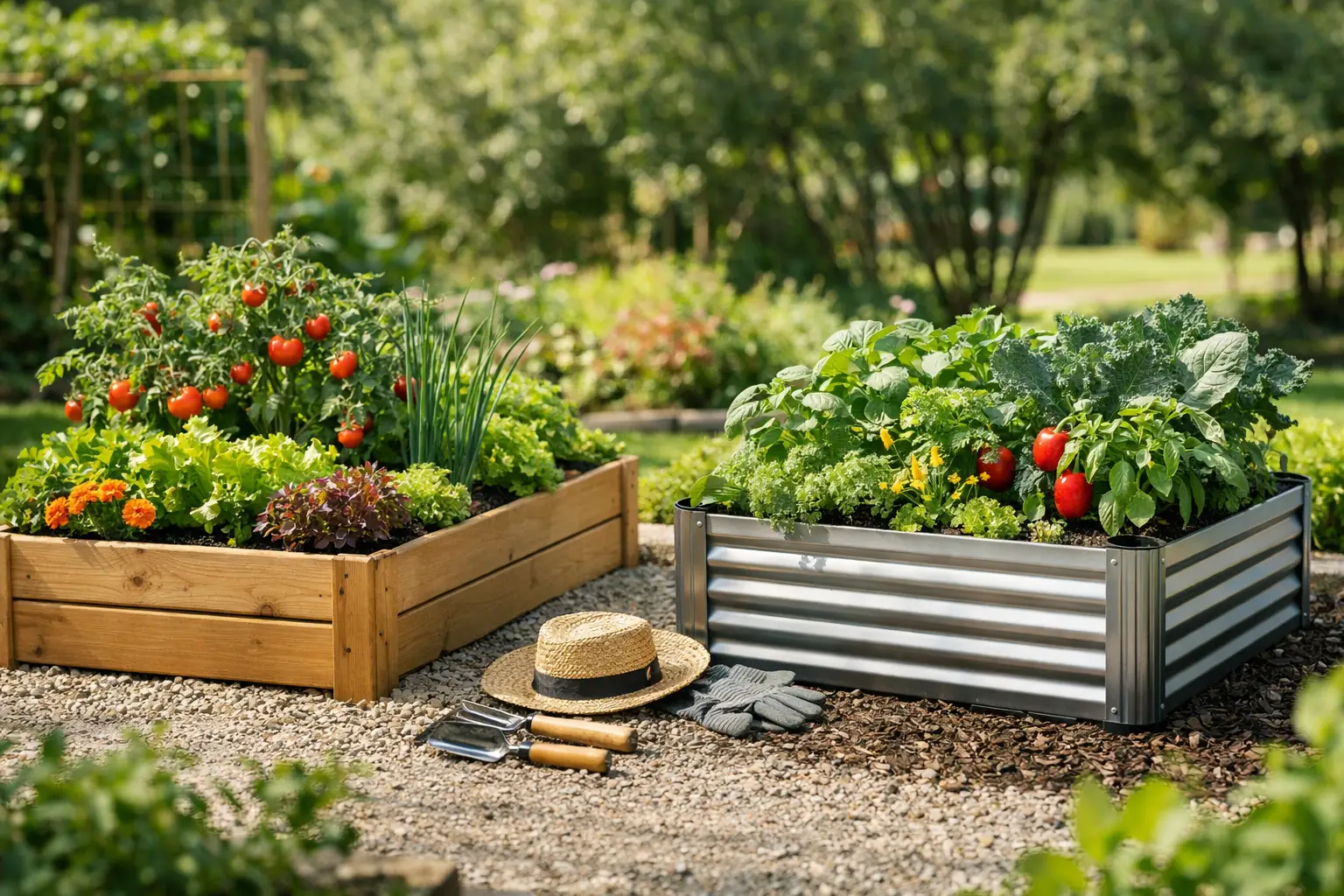
Greens do not need deep soil or much room, which makes them ideal for patios and small yards. A container at least 6 to 8 inches deep works well for baby-leaf crops, while a raised bed gives you room to grow larger looseleaf lettuce plants. Use a pot with drainage holes, not a decorative bowl that holds water around the roots.
Fill containers or beds with loose, compost-rich soil. For a raised bed, blend finished compost into the top few inches before planting. For containers, begin with a quality organic potting mix and add a small amount of compost if the mix does not already contain it. Garden soil alone becomes dense in pots and can leave roots short on air.
Most greens prefer four to six hours of sun in spring and fall. In cooler weather, more sun is welcome. Once warm weather arrives, a spot with morning sun and shade after lunch can keep leaves tender longer. This is one of those cases where less sun can mean a better crop.
Sow seeds shallowly and generously
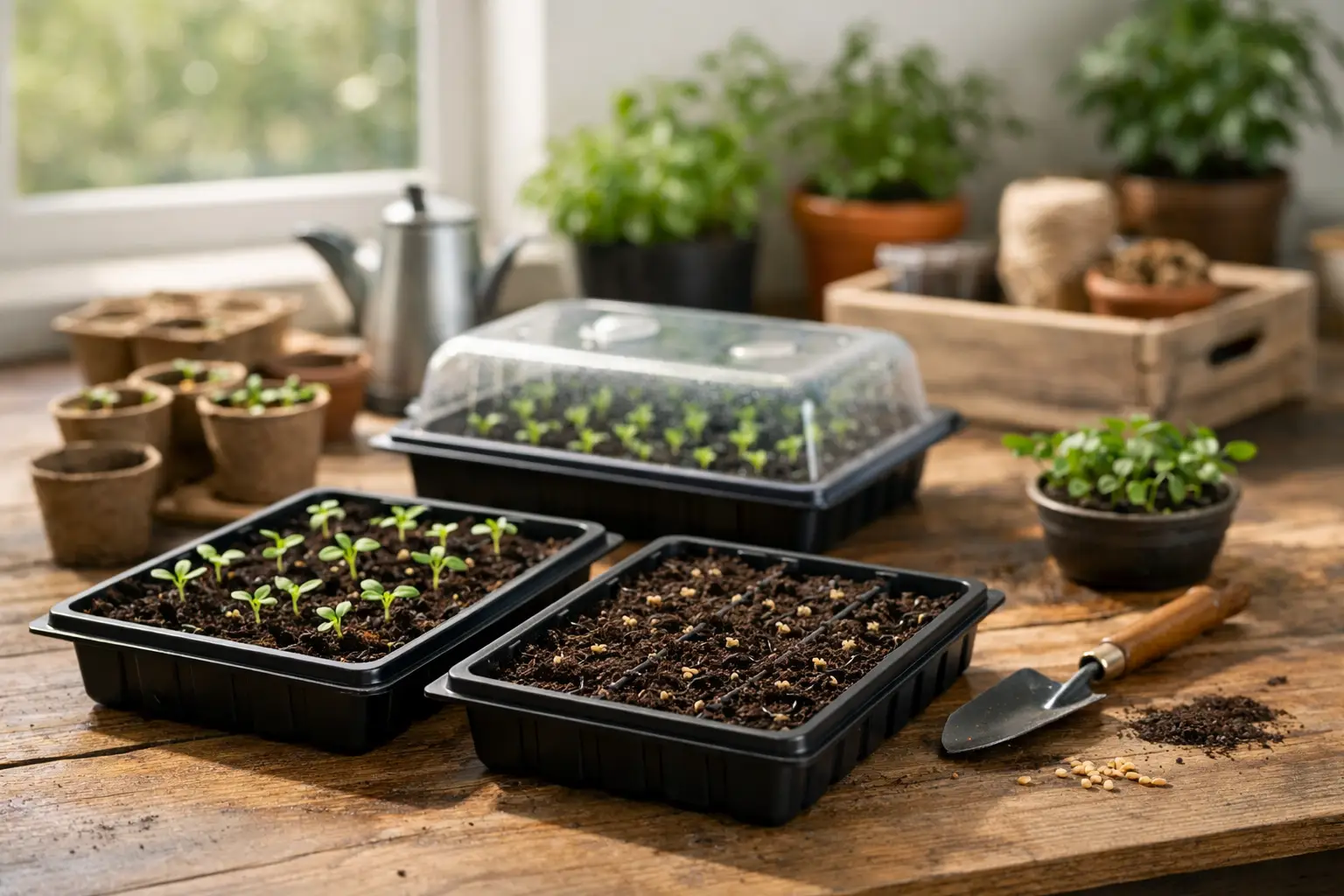
Green seeds are small, so burying them too deeply is an easy way to get spotty germination. Make a shallow furrow about one-quarter inch deep, scatter seeds thinly, cover lightly, and gently press the soil so seeds make good contact. Water with a soft spray so you do not wash them away.
For baby greens, sow seeds fairly close together in a broad band and harvest the leaves young. For full-size looseleaf lettuce, leave more room between seedlings, usually 6 to 10 inches depending on the variety. You can start crowded, then thin plants as they grow. The tiny thinnings are perfectly good in a sandwich or salad.
Keep the top layer of soil consistently moist until seedlings emerge. This may mean checking containers every day, especially during a breezy spring week. Once plants have a few true leaves, water deeply enough to moisten the root zone, then let the surface begin to dry before watering again. Soil that stays soggy invites root problems, but repeated dry spells make greens tough and bitter.
Plant a little, then plant again
Succession planting is the simple habit that turns a brief harvest into a longer season. Rather than sowing all your seed at once, sow a small patch or container every 10 to 14 days while the weather is cool. As one planting reaches its peak, the next one is just getting started.
If you are growing in containers, reserve one pot for new seed every couple of weeks. In a raised bed, tuck a short row into any open space. Salad greens mature quickly, so they fit nicely between slower crops such as tomatoes, peppers, or broccoli early in the season. Once those larger plants need the room, your greens will likely be harvested.
When summer heat arrives, do not blame yourself if lettuce suddenly turns bitter or flowers. That is normal plant behavior. Let a few plants bloom if you enjoy their small flowers and beneficial insects, then pull the rest when production slows. Start fresh in late summer for a fall crop as temperatures begin to ease.
Feed gently and keep the soil covered
Greens are leafy plants, so they appreciate fertile soil, but they do not need heavy feeding. Compost at planting time is often enough for a short baby-green crop. If leaves look pale or growth stalls after several harvests, water with a diluted organic liquid fertilizer according to the label. Too much fertilizer can create soft growth that attracts pests and is less flavorful.
A thin layer of clean straw, shredded leaves, or untreated grass clippings around larger lettuce plants helps keep the soil cool and slows moisture loss. Do not pile mulch directly against the crowns. For densely sown baby greens, mulch is usually more trouble than it is worth.
Handle common pests without harsh sprays
Most salad-green troubles can be managed with observation rather than a shelf full of products. Check the undersides of leaves a few times each week, especially during warm spells. Catching a problem early is kinder to the plants and easier on the gardener.
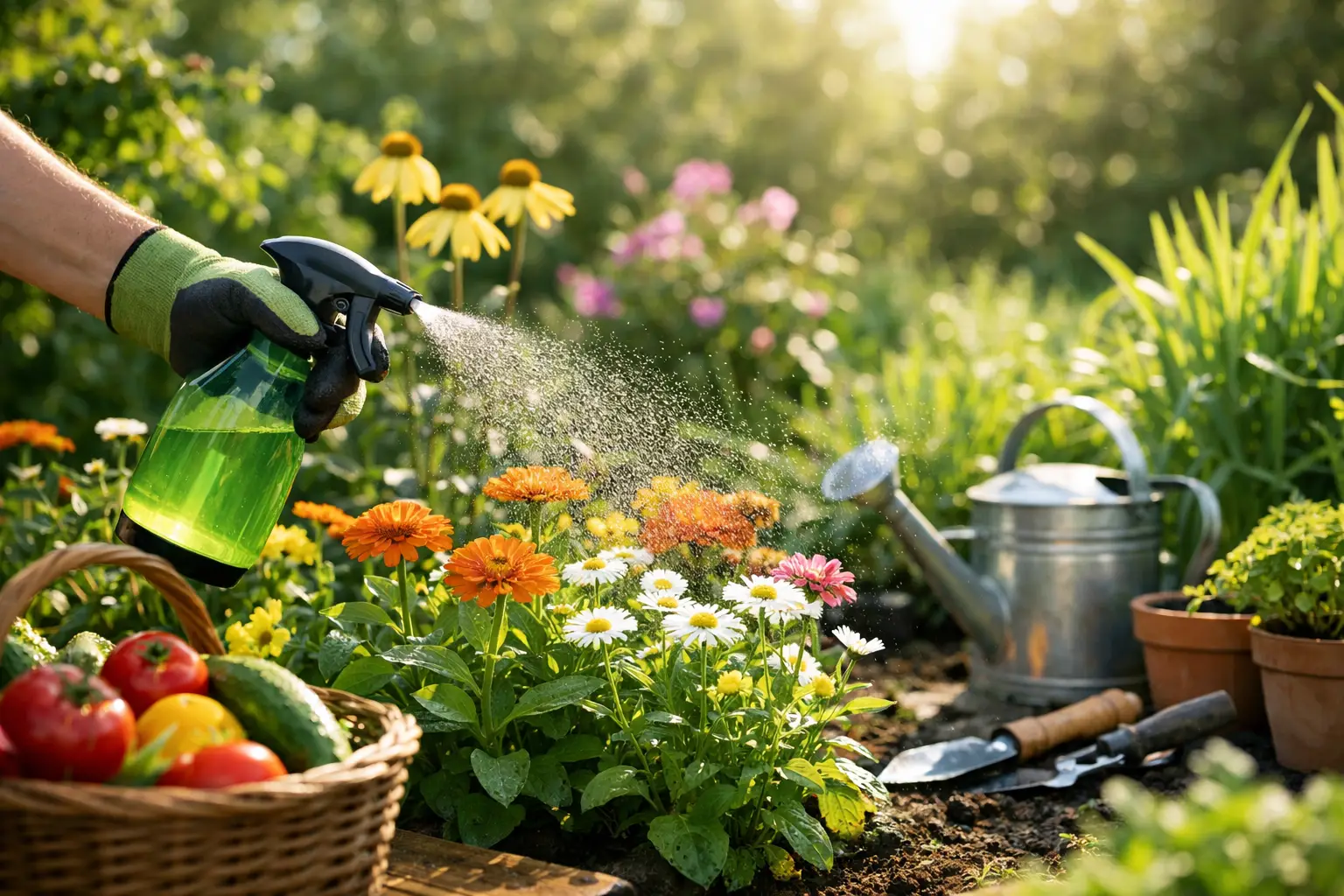
Aphids may cluster in tender new growth. A firm spray of water in the morning often dislodges them, and ladybugs, lacewings, and other beneficial insects usually help once you avoid broad-spectrum insecticides. Slugs and snails are more common in damp gardens. Remove hiding places such as boards and dense weeds, water early in the day, and hand-pick at dusk when possible.
Flea beetles make tiny shot holes in arugula, mustard, and Asian greens. The leaves are still safe to eat after a good wash, but lightweight row cover can prevent damage when plants are young. Use it only while temperatures allow, and remove it if heat builds underneath. No single method works everywhere, so let the pest, weather, and size of your garden guide the response.
Harvest for more than one salad
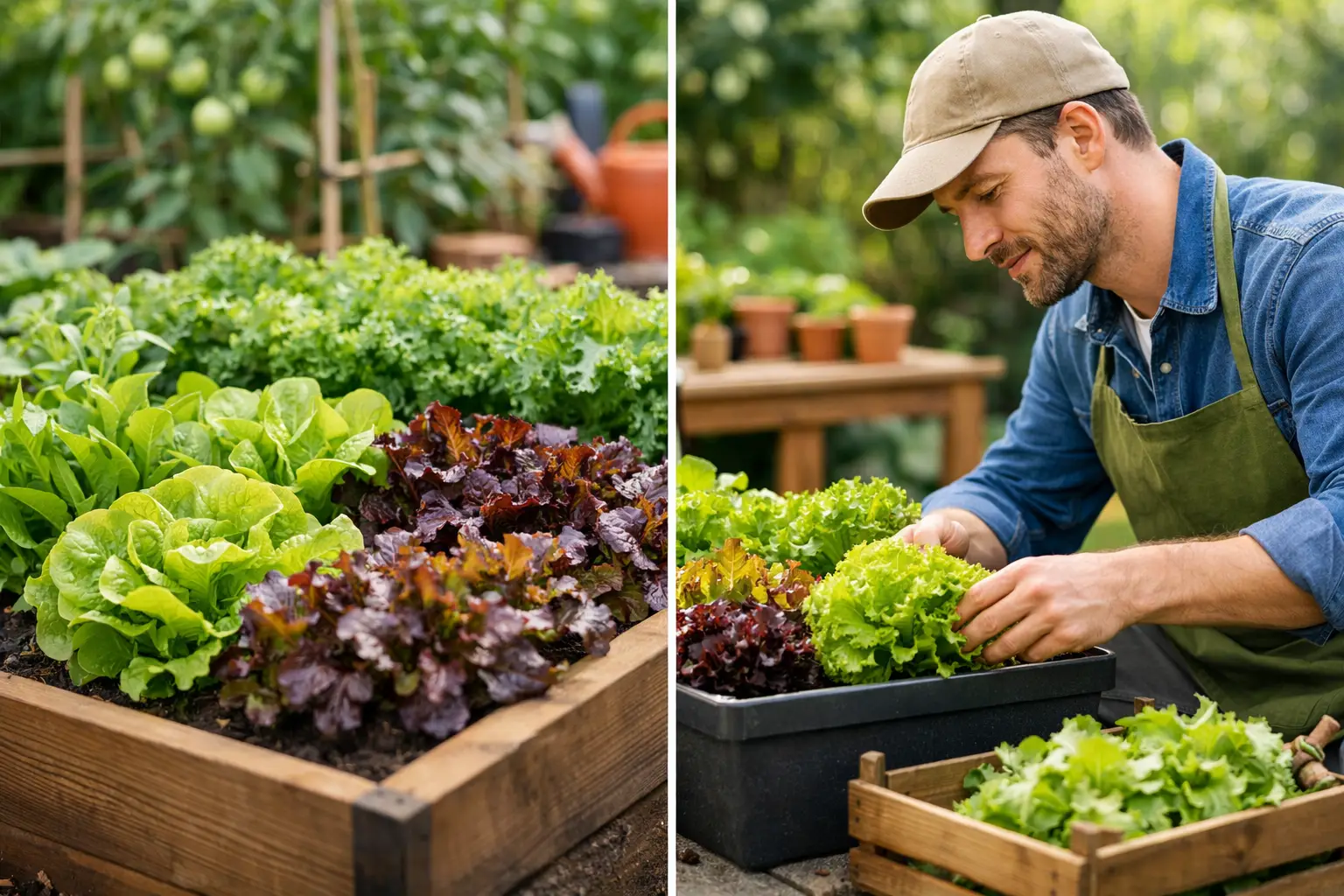
The best time to harvest is early morning, when leaves are full of moisture. For looseleaf lettuce, kale, arugula, and many mixes, pick the outer leaves first and leave the center growing point intact. This “cut and come again” approach can provide several harvests from the same plants.
For baby greens, cut about an inch above the soil with clean scissors when leaves are 3 to 5 inches tall. They may regrow once or twice, though the second cut is often slower and less uniform. Harvest before plants become oversized. Younger leaves are generally more tender, and regular picking tells the plant to keep producing.
Rinse greens in cool water, dry them well, and store them in the refrigerator with a towel to absorb excess moisture. Do not leave harvested greens in the sun while you finish other chores. A little shade and quick cooling make a noticeable difference in how long they last.
The nicest thing about growing greens is that success can begin with one packet of seed and one sunny pot. Sow a small handful this week, keep the soil evenly moist, and plan your next sowing before you pick the first leaves. Your future salads will be waiting for you.