The first time neem oil works for you, it feels a little like a gardening reset. You spot aphids clustering on tender growth or powdery mildew creeping across squash leaves, and instead of reaching for something harsh, you have a gentler option. If you’ve been wondering how to use neem oil without hurting your plants or wasting your time, the good news is that it’s pretty simple once you understand when to spray, how to mix it, and where people usually go wrong.
What neem oil actually does
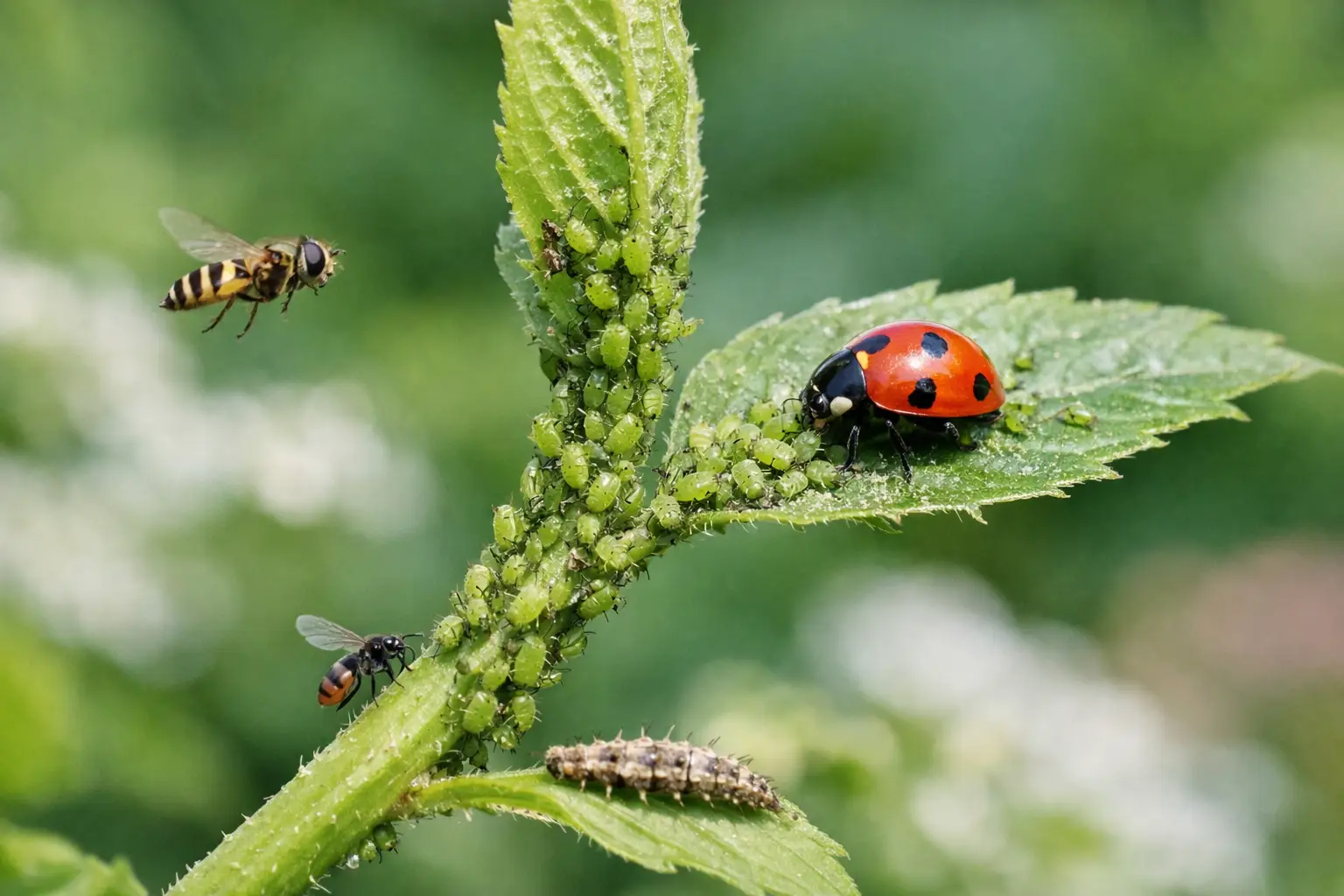
Neem oil is pressed from the seeds of the neem tree and is widely used in organic gardening as a natural pest-control tool. It helps in a few different ways. For soft-bodied pests like aphids, whiteflies, spider mites, and mealybugs, it can smother insects on contact. It also interferes with the life cycle of certain pests, which means it is often more effective over time than in a single dramatic spray.
It can also help with some fungal issues, especially powdery mildew and certain leaf spot problems. That doesn’t mean it cures every plant issue in the yard. If a tomato has blight or a cucumber is already badly infected, neem oil may slow the spread, but it will not bring severely damaged leaves back to health.
That’s one of the most useful things to know early on – neem oil is best used at the first sign of trouble, or as a light preventive treatment when you know a plant tends to have repeat problems.
How to use neem oil the right way
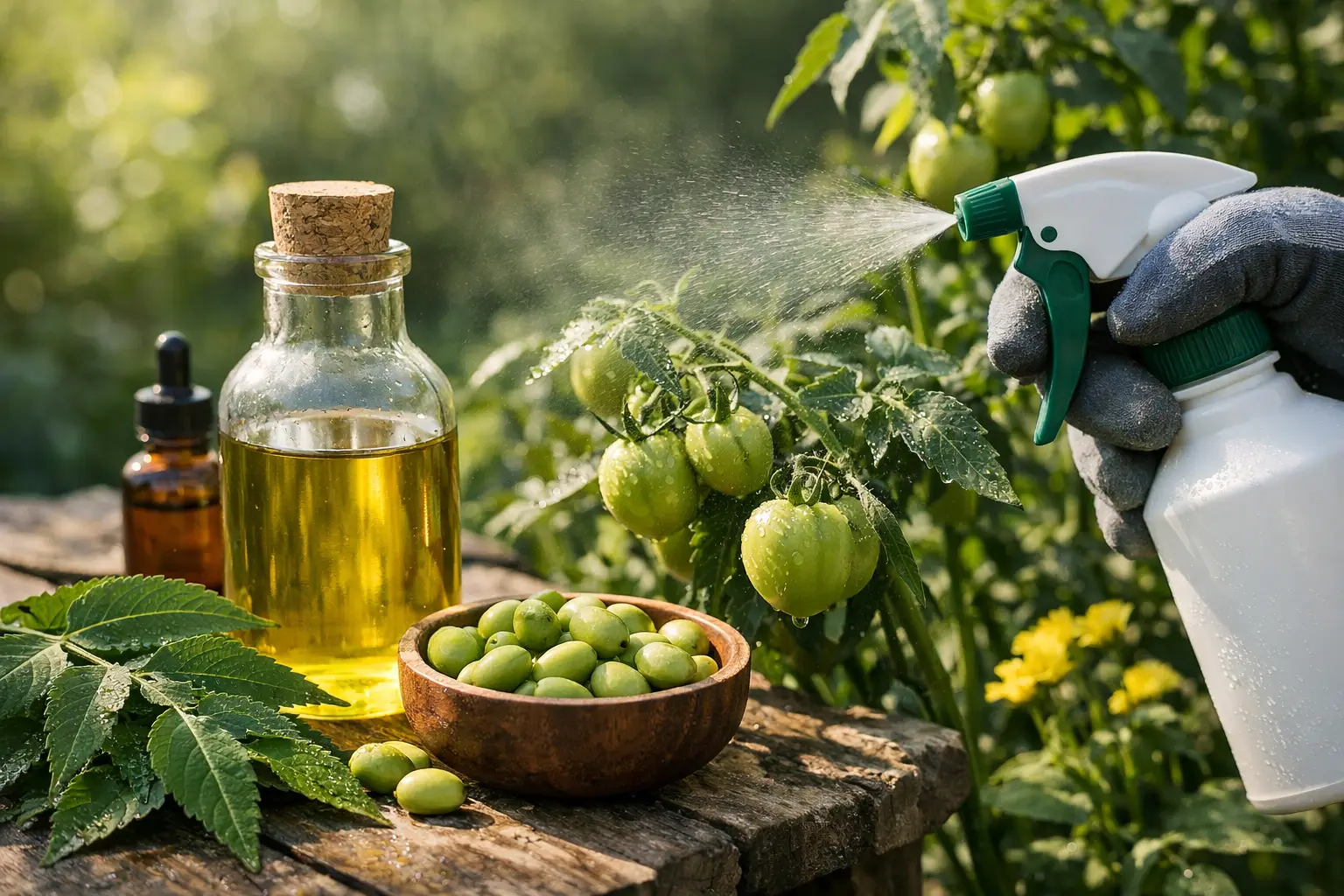
Most home gardeners use neem oil as a foliar spray. You dilute it with water and usually add a small amount of gentle liquid soap to help the oil mix evenly. If you bought a ready-to-use bottle, you can skip the mixing and go straight to spraying. If you bought concentrated neem oil, follow the label on that specific product because strengths vary.
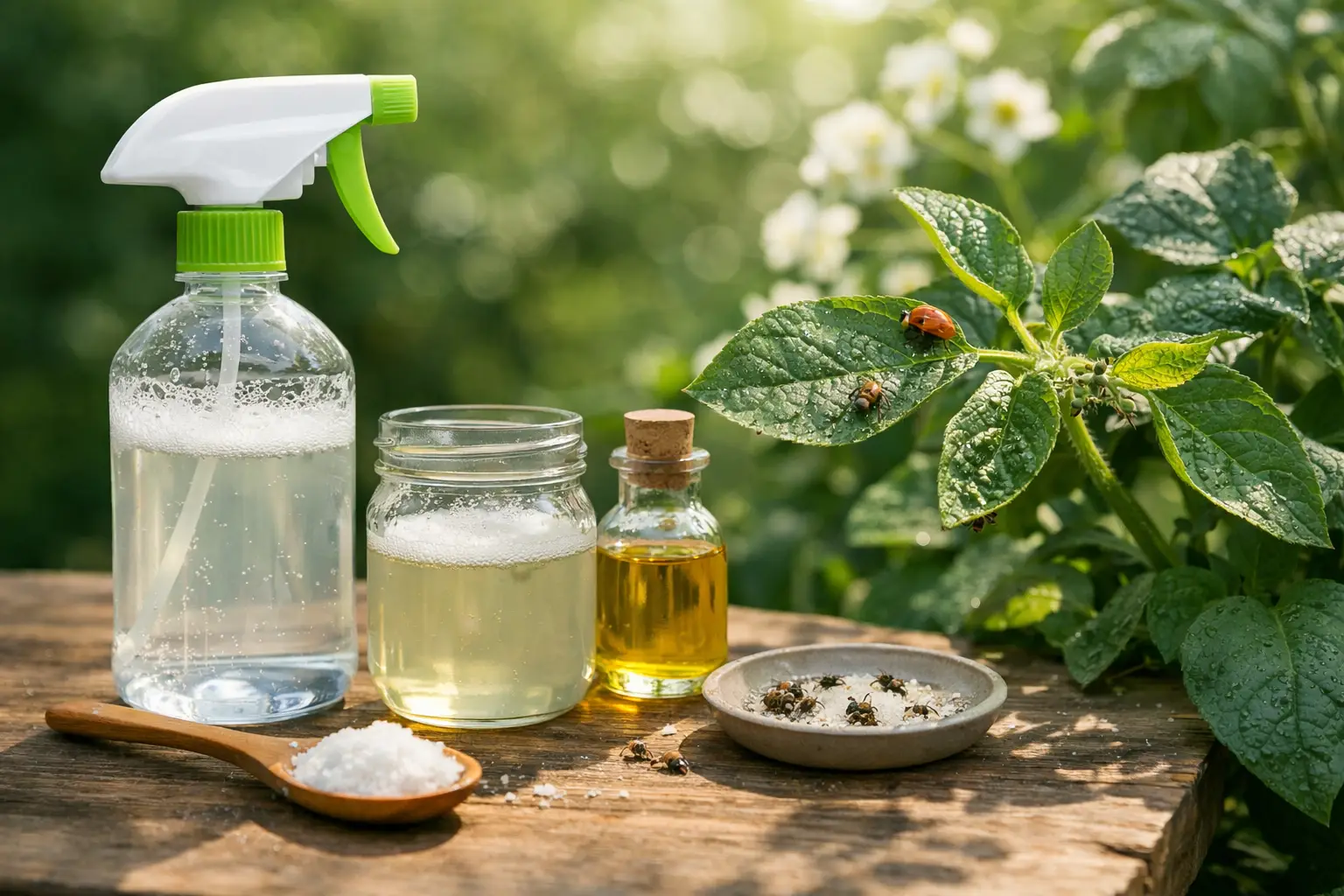
A common homemade mix is water, neem oil concentrate, and a few drops of mild dish soap or castile soap as an emulsifier. The soap matters because oil and water naturally separate. Without it, you can end up spraying unevenly, which leads to poor results and a greater chance of leaf damage.
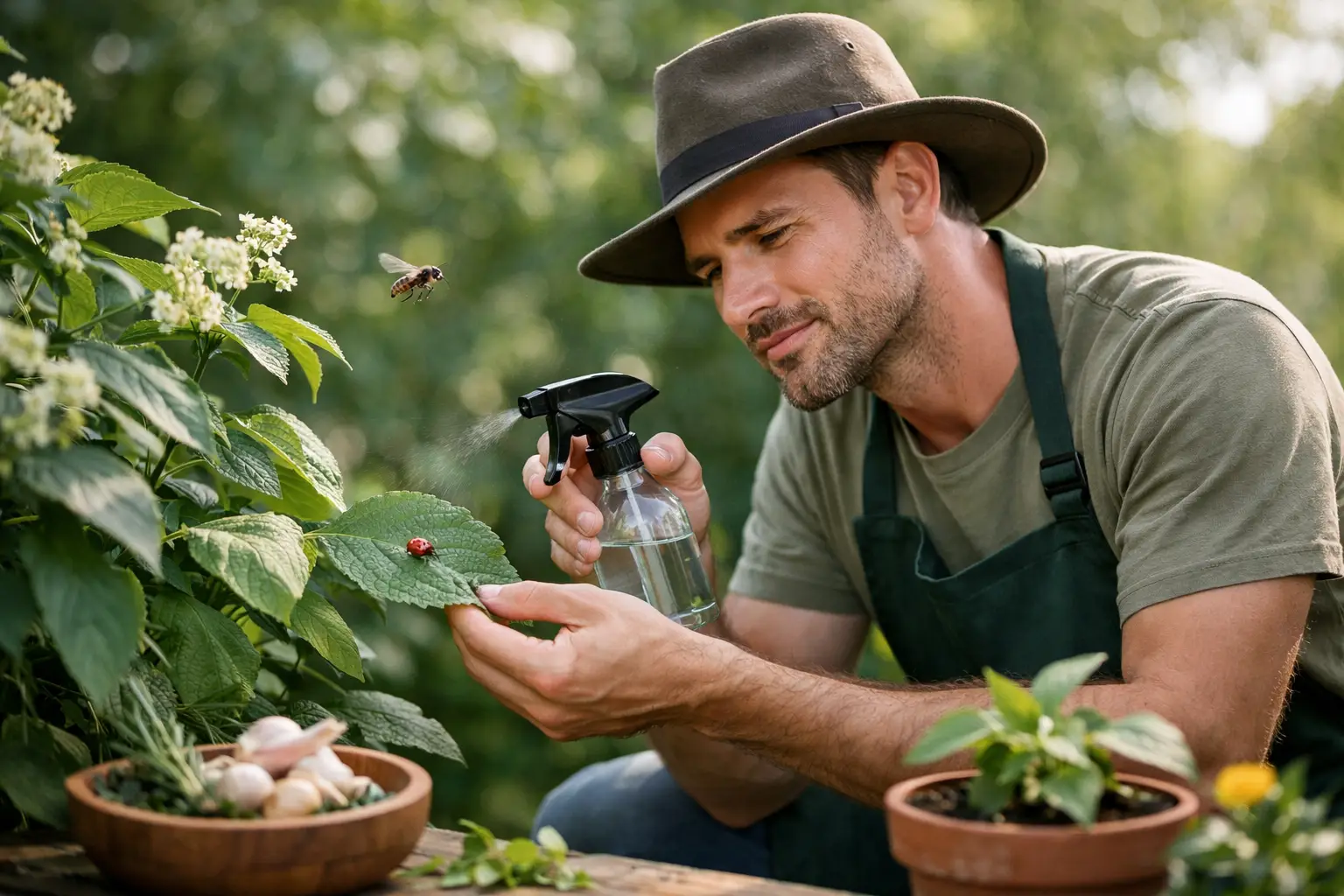
Once mixed, spray the plant thoroughly, including the undersides of leaves where pests like to hide. A light mist over the top will not do much if insects are clustered underneath. You want coverage, not runoff. The leaves should look evenly coated, not drenched.
It also helps to mix only what you plan to use right away. Neem spray works best fresh, and a leftover bottle sitting in the garage is usually less effective by the next application.
Spray in the right conditions
This is where a lot of neem oil frustration starts. If you spray in direct sun or during the heat of the day, you can burn leaves. Early morning or evening is usually the safest time. That gives the plant time to dry gently and reduces the chance of leaf scorch.
You should also avoid spraying stressed plants. If a plant is wilting from heat, dry soil, transplant shock, or recent pruning, neem oil may be too much for it in that moment. Water first, let the plant recover, and then treat it later if needed.
Weather matters too. If rain is expected within a few hours, hold off. The spray needs time to stick and do its job.
When neem oil works best
Neem oil works best on small, early infestations. If you catch spider mites before they web up an entire plant, or aphids before they cover every stem, you have a much better shot at getting things back under control. If a plant is already overwhelmed, neem may still help, but you may need to prune heavily damaged growth and repeat treatment consistently.
For fungal issues, neem is usually more helpful when symptoms are just starting. A few powdery spots on squash leaves are manageable. A whole patch covered in white is a tougher fight.
Repeat applications are often part of the process. Many gardeners spray every 7 to 10 days for active problems, though again, the product label should guide you. One treatment is rarely enough for pests with eggs, multiple life stages, or hiding spots.
Plants to be careful with
Not every plant loves neem oil. Tender herbs, newly seeded plants, fuzzy-leaved plants, and some houseplants can react badly. Delicate new growth is especially vulnerable.
If you’re using neem on a plant for the first time, test a small section of leaves and wait 24 hours. That quick patch test can save you from accidental damage on the whole plant. It’s a good habit, especially in hot weather or when treating ornamentals you really don’t want to lose.
You’ll also want to be careful with plants close to harvest. Neem oil is commonly used in edible gardens, but you still need to follow the product instructions for timing and washing produce. Organic does not mean careless.
Common mistakes that make neem oil seem ineffective
When gardeners say neem oil “doesn’t work,” it’s often one of a handful of issues.
The first is poor timing. Spraying once at noon on a hot day is almost guaranteed to disappoint. The second is incomplete coverage. Pests hide in leaf joints, on stems, and under foliage, so a quick top spray misses the real problem.
The third is using it on the wrong target. Neem oil is helpful for aphids, mites, whiteflies, scale crawlers, mealybugs, and some fungal issues. It is not the best answer for every beetle, caterpillar, or soil pest. If tomato hornworms are chewing your plants, hand-picking will work faster. If squash vine borers are inside the stem, neem spray on the leaves won’t solve that.
The fourth is expecting instant results. Neem is often slower and steadier than synthetic sprays. That trade-off is part of why many home gardeners prefer it around edible crops, pets, and family spaces, but it does require patience.
How to use neem oil safely around pollinators
This matters in any healthy garden. Neem oil is generally considered less disruptive than many conventional pesticides, but that does not mean you should spray it carelessly around bees and other beneficial insects.
The safest approach is to spray early in the morning or later in the evening when pollinators are less active, and avoid spraying open flowers whenever possible. Focus on affected leaves and stems instead of misting everything in sight. If you can treat only the problem area, that is usually better than blanket spraying the whole bed.
Ladybugs, lacewings, and other beneficial insects often help more than any spray can. If you see a strong population of helpers already at work, it may make sense to wait a day or two and see whether they bring the pest numbers down naturally.
Indoor plants and container gardens
Neem oil is also useful beyond raised beds and vegetable rows. It can be a solid option for houseplants with fungus gnats, spider mites, or mealybugs, and for patio containers where pests spread fast in warm weather.
The same rules apply: dilute properly, spray in gentle light, and test first. Indoors, good air flow matters even more. A plant that stays wet for too long after spraying can develop other problems, so avoid soaking it.
For container plants outside, remember that stressed plants are more likely to react badly. Pots dry out quickly, especially in summer, so check soil moisture before treating.
A simple neem routine that works
If you want the most practical approach, keep it simple. Identify the pest or disease first. Mix neem oil according to the label, with an emulsifier if needed. Spray in the early morning or evening. Coat the plant thoroughly, especially under the leaves. Repeat as directed if the problem continues.
And if a plant seems worse after spraying, pause and reassess. It may be too hot, the mix may be too strong, or neem may not be the right tool for that specific issue. Good organic gardening is rarely about forcing one product to solve everything. It’s more about choosing the gentlest effective option and paying attention to how your plants respond.
Neem oil earns its place in the garden because it gives you a middle ground – stronger than doing nothing, gentler than many chemical sprays, and especially useful when you catch problems early. Use it with a light hand, a little patience, and realistic expectations, and it can become one of those products you’re genuinely glad to keep on the shelf.