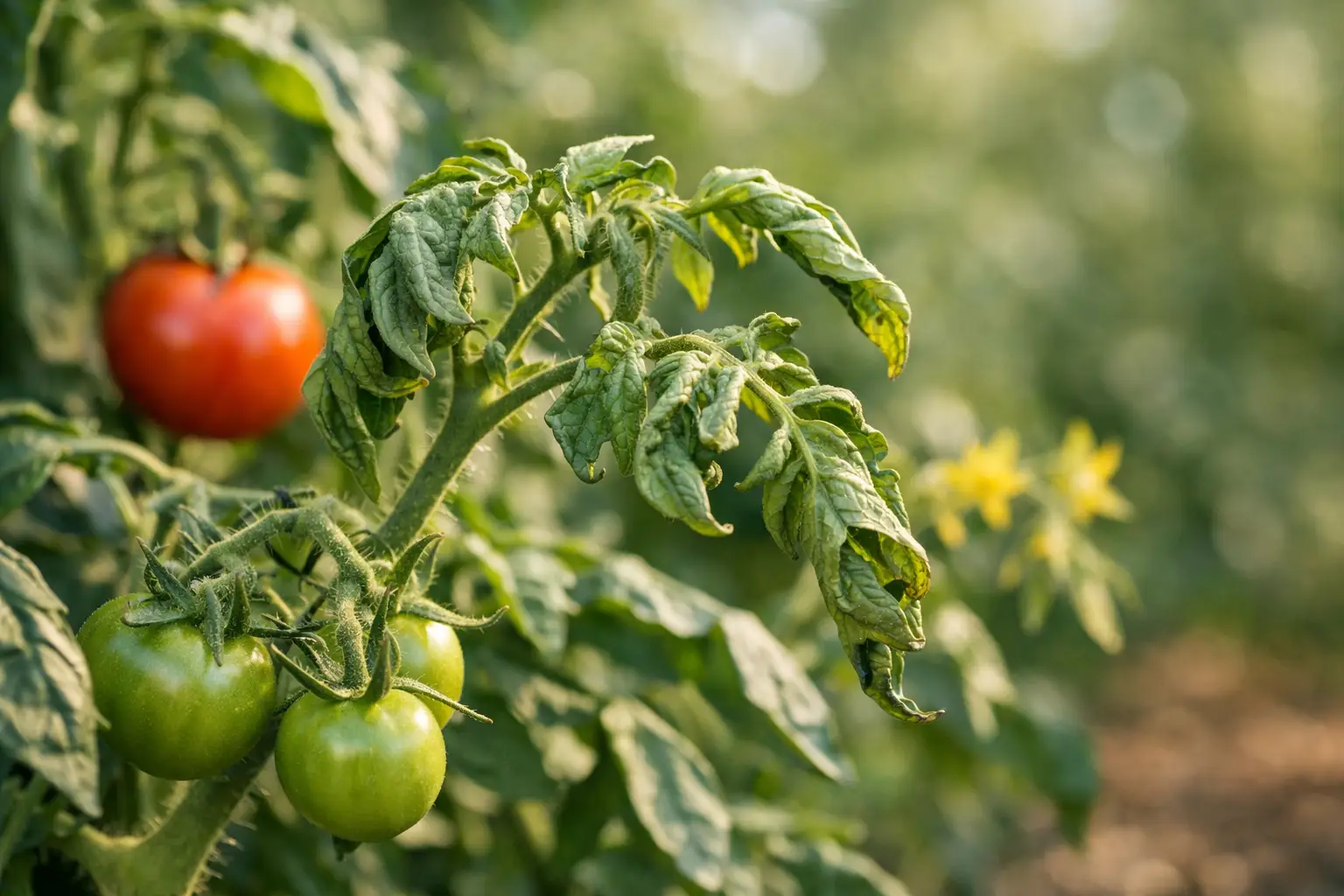
A tomato plant can look perfectly happy one week, then suddenly stall out, turn pale, or drop blossoms the next. That is usually when gardeners start asking about compost vs fertilizer for vegetables – and whether they should be using one, the other, or both. The short answer is that they do different jobs, and most vegetable gardens benefit from a mix of both.
If that feels a little less satisfying than a simple yes or no, stay with me. This is one of those garden questions where the best answer depends on what your soil is like, what you are growing, and how quickly your plants need help. Once you understand the difference, feeding vegetables gets much easier.
Compost vs fertilizer for vegetables: what is the difference?
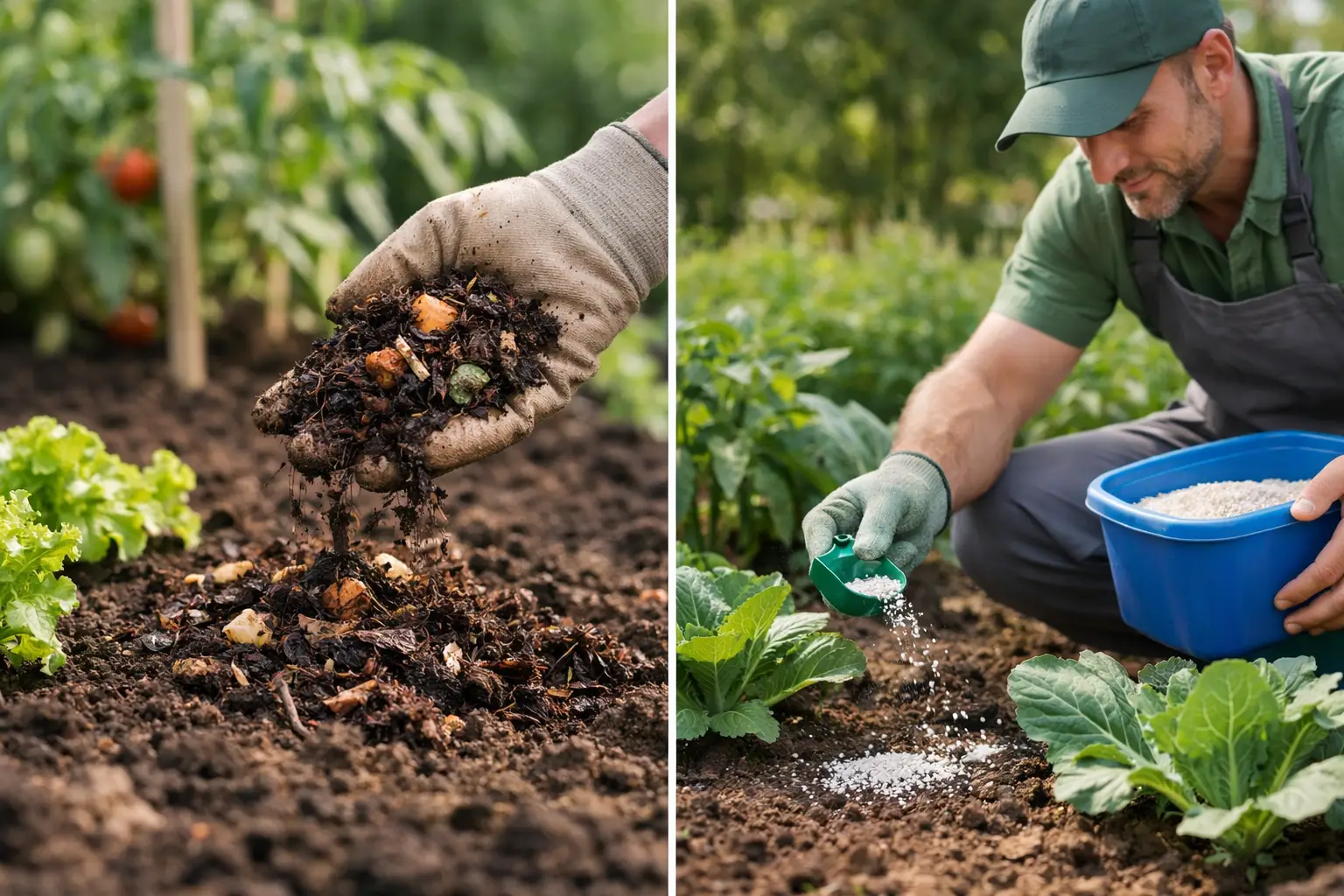
Compost is food for the soil. Fertilizer is food for the plant.
That is the simplest way to think about it, and it clears up a lot of confusion. Compost is made from decomposed organic matter like leaves, plant scraps, and other natural materials. It improves soil structure, helps the soil hold moisture, supports beneficial microbes, and adds a gentle range of nutrients over time.
Fertilizer is more concentrated. It is meant to supply specific nutrients, usually nitrogen, phosphorus, and potassium, in amounts plants can use more quickly. Organic fertilizers might come from sources like fish emulsion, bone meal, kelp, feather meal, or composted manure. Synthetic fertilizers are made differently, but the main idea is the same: they feed plants directly and more predictably.
If your vegetables are growing in tired, compacted, lifeless soil, compost is often the better first move. If your vegetables are in decent soil but clearly hungry during the season, fertilizer may give the faster response.
Why compost matters more than many gardeners think
New gardeners often treat compost like a nice extra. In practice, it is one of the foundations of a healthy vegetable garden.
When you add compost regularly, your soil becomes easier to work, less crusty, and better at holding both water and air. That matters because vegetable roots need all three: moisture, oxygen, and room to spread. Compost also buffers extremes. Sandy soil dries out a little less fast. Clay soil loosens up and drains better. Plants handle heat and uneven watering more gracefully.
There is also a quiet long game happening underground. Compost feeds earthworms and soil microbes, and those living helpers make nutrients more available over time. You are not just feeding this season’s tomatoes. You are building next season’s garden too.
That said, compost is not magic. It usually does not contain enough concentrated nutrients to keep heavy feeders productive all season long, especially crops like tomatoes, peppers, squash, corn, broccoli, and cabbage. Compost improves the system, but it may not fully cover the appetite of demanding vegetables.
When fertilizer makes the biggest difference
Fertilizer is helpful when vegetables need a stronger nutritional push than compost alone can provide.
This comes up a lot in raised beds, containers, and intensively planted gardens where crops are expected to produce hard for months. Every tomato cluster, cucumber vine, and zucchini harvest pulls nutrients out of the soil. If those nutrients are not replaced, plants often start strong and fade halfway through the season.
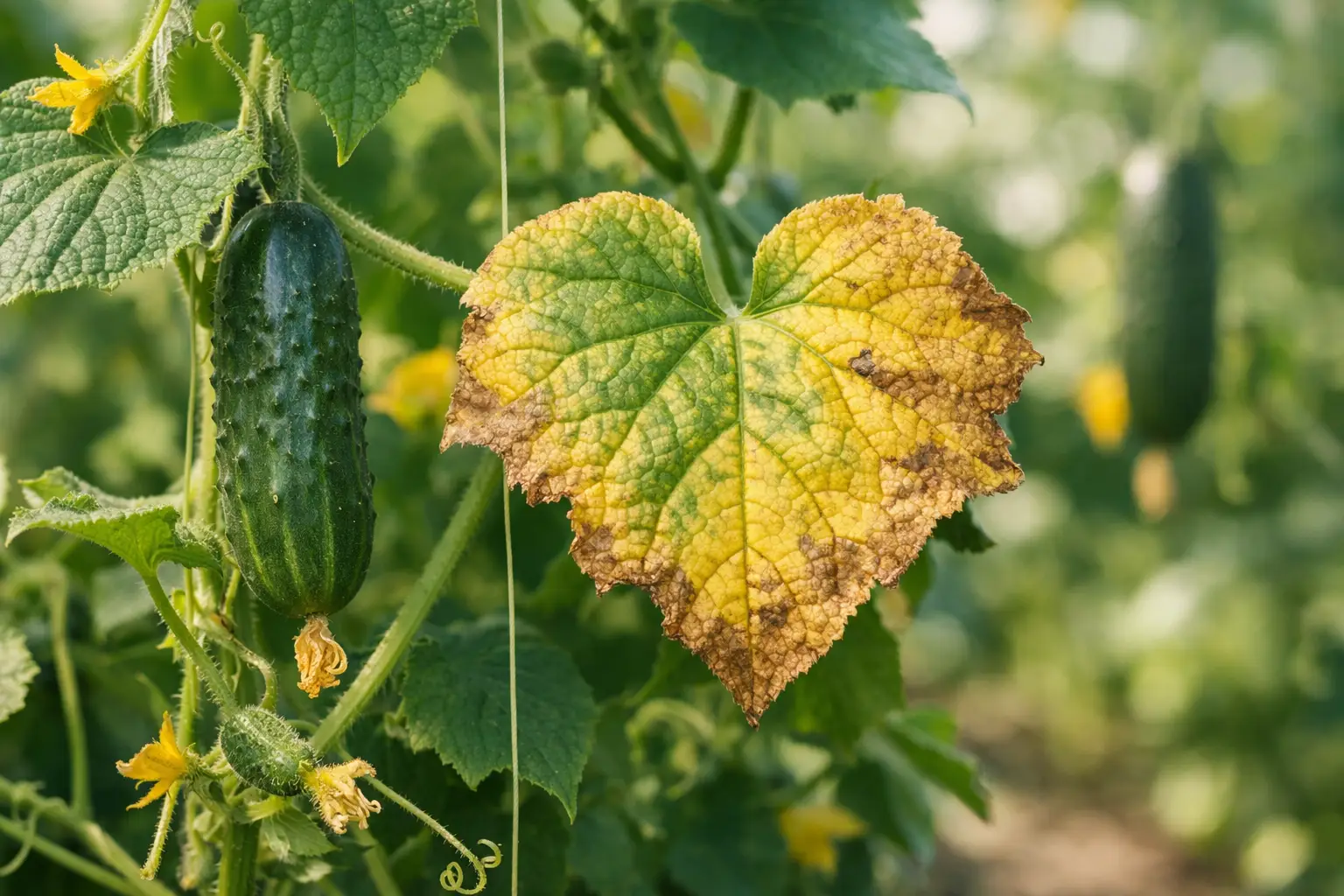
Fertilizer can also help when a plant shows a likely deficiency. Pale leaves, slow growth, weak stems, and poor fruiting can all point to nutrient issues, though watering problems and root stress can look similar. A balanced organic vegetable fertilizer can help cover the basics without going overboard.
The trade-off is that fertilizer does not improve soil texture or long-term soil health the way compost does. It can fix hunger, but it does not build the pantry.
Do vegetables need compost, fertilizer, or both?
For most home gardens, both is the sweet spot.
Think of compost as your baseline habit and fertilizer as your support tool. If you start each season by mixing compost into beds or spreading it on top, you create better growing conditions from the start. Then, if your vegetables are heavy feeders or your soil is not especially rich, you add fertilizer during the season as needed.
This approach is especially useful for gardeners who want strong harvests without leaning on harsh chemicals. It fits natural gardening well because it works with the soil first, then uses targeted feeding only where it helps.
A simple example: before planting, work 1 to 2 inches of finished compost into a garden bed. Once crops are established, side-dress heavy feeders with an organic fertilizer according to the label. For long-season vegetables, another light feeding later on may help keep production steady.
Compost vs fertilizer for vegetables in different garden setups
Where you grow matters almost as much as what you grow.
In-ground vegetable gardens
In-ground beds usually benefit the most from steady compost use. Native soil has the potential to improve year after year, and compost helps that happen. If your vegetables are planted in reasonably healthy soil, compost may cover a lot of your needs early on, with fertilizer used mainly for heavy feeders.
Raised beds
Raised beds are productive, but they can run through nutrients faster than people expect. Because the soil volume is limited and planting is often dense, compost alone may not be enough for the whole season. Raised beds usually do best with compost at planting time and regular, light fertilizing afterward.
Containers
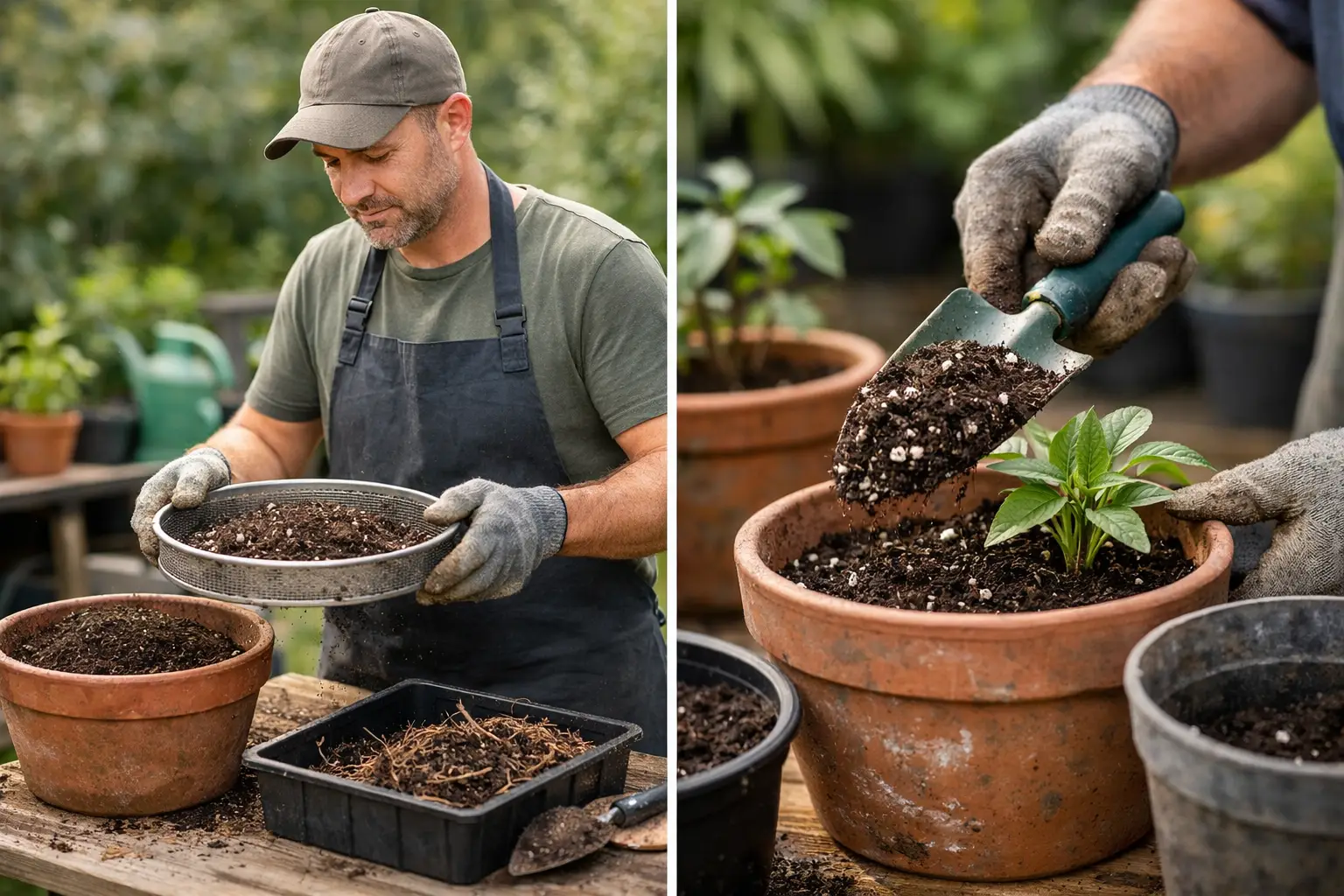
Containers are the least forgiving. Potting mix does not act like garden soil, and nutrients wash out more quickly with frequent watering. Compost can still help, especially in small amounts blended into potting mixes or used as topdressing, but container vegetables almost always need regular fertilizer to stay productive.
Common mistakes gardeners make
One of the most common mistakes is assuming more is better. Too much fertilizer, especially high-nitrogen fertilizer, can give you huge leafy plants and very little fruit. This is classic with tomatoes and peppers. They look impressive, but harvests lag behind.
Another mistake is using unfinished compost. If compost still looks chunky, smells sour, or heats up noticeably, it is not ready. Unfinished compost can tie up nitrogen and stress young plants instead of helping them.
A third mistake is relying on compost tea or random garden hacks instead of consistent soil-building and feeding. Most vegetables respond better to a simple routine than to complicated fixes.
How to choose the right approach for your vegetables
If your soil is poor, start with compost. If your plants are hungry, add fertilizer. If you want the healthiest, steadiest garden over time, do both with a light hand.
Leafy crops like lettuce, kale, chard, and spinach appreciate nitrogen, but they also grow quickly in compost-rich soil. Fruiting crops like tomatoes, cucumbers, eggplant, squash, and peppers often need extra feeding once flowering and fruiting begin. Root crops like carrots and beets usually prefer balanced nutrition rather than heavy nitrogen, which can cause lots of top growth and underwhelming roots.
It also helps to pay attention to timing. Compost works best before planting or as a seasonal topdressing. Fertilizer is more useful when plants are actively growing and need support right away.
If you are trying to keep things simple, here is a practical routine that works for many home gardeners. Add finished compost to beds before planting in spring. Use an organic all-purpose vegetable fertilizer at planting time for heavy feeders. Then feed again lightly during the season if growth slows, leaves pale, or harvests taper off.
A natural gardening mindset that actually works
One reason this topic gets confusing is that gardening advice often turns into a debate. Compost fans can make fertilizer sound unnecessary. Fertilizer fans can make compost sound too slow. Real gardens do not care about teams.
Healthy vegetable growing is usually about balance. Build the soil so plants are less stressed. Feed the plants when they need extra help. Watch how your garden responds, and adjust from there.
That kind of approach is more forgiving, especially for home gardeners still learning their space. A sunny raised bed in Arizona, a backyard plot in Ohio, and a patio container garden in California will not all behave the same way. The good news is that you do not need a perfect system. You just need a simple one you can repeat.
If your vegetables are struggling, do not assume you have failed or that you need a shelf full of products. Start with the basics: healthy soil, finished compost, steady watering, and targeted fertilizer only when it serves the plant. Often, that is enough to turn a frustrating season into a much better one.