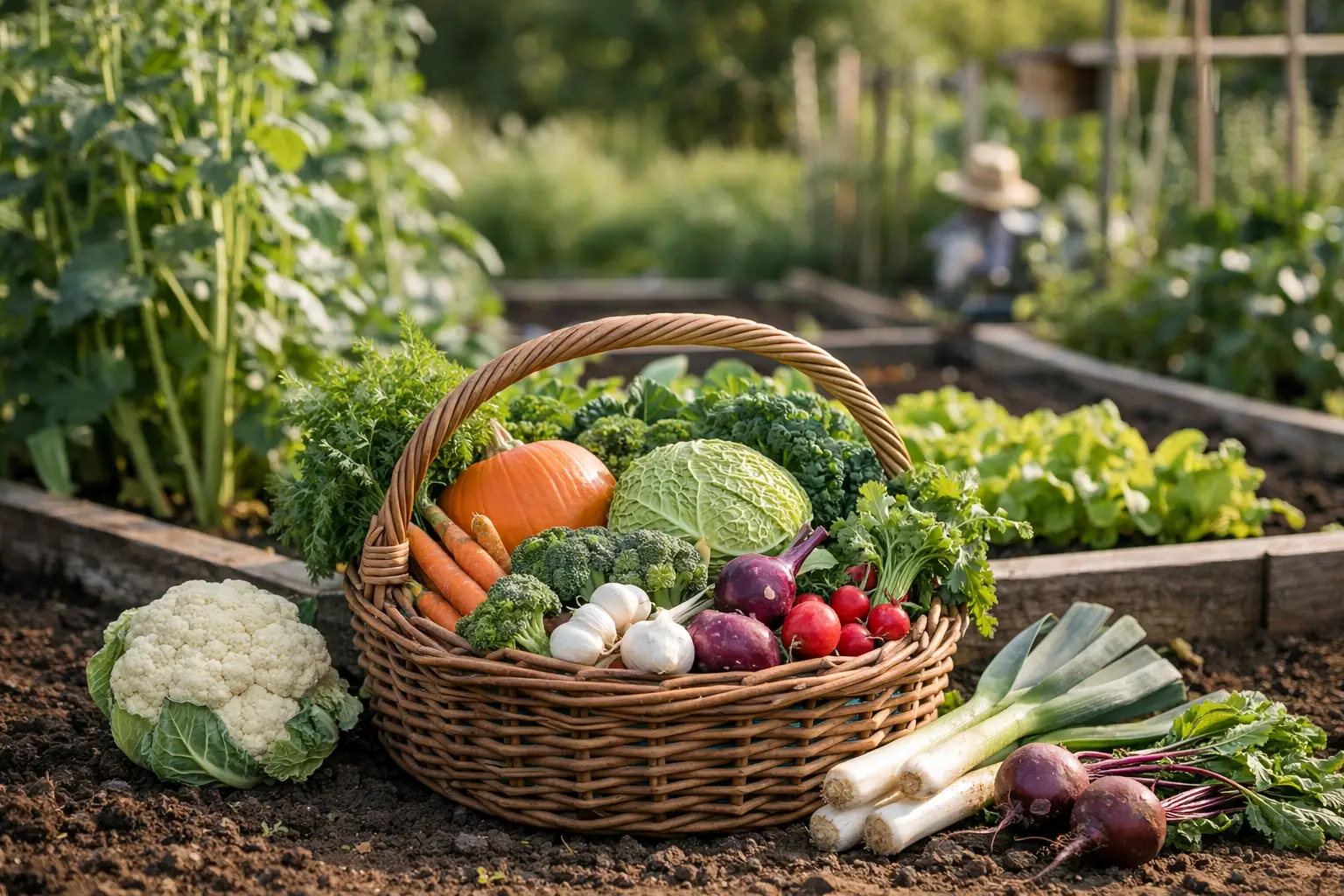
If your tomato vines are looking tired and the summer squash has slowed to a crawl, this is not the end of vegetable season. It is the moment many gardeners miss. The best vegetables for fall planting often grow faster, taste sweeter, and deal with fewer pest problems than their summer counterparts. Once the worst heat starts to ease, you can fill empty beds, refresh containers, and get another round of harvests without starting from scratch.
Fall gardening has a calmer rhythm. The soil is still warm, which helps seeds sprout quickly, but the air is cooler, so plants are under less stress. That combination is especially helpful for leafy greens and root crops, which tend to bolt, turn bitter, or stall out in spring’s unpredictable swings. If you have ever wished gardening felt a little easier, fall is a good season to lean into.
Why the best vegetables for fall planting do so well
A lot of favorite fall crops are naturally suited to cooler weather. Kale, spinach, carrots, and broccoli are not just tolerating autumn conditions. They prefer them. Light frosts can even improve flavor by encouraging plants to convert starches into sugars, which is why fall carrots and kale often taste noticeably better than the same crops grown through summer heat.
There is a trade-off, though. As the days get shorter, plant growth slows down, even when temperatures are still pleasant. That means timing matters more in fall than in spring. If you plant too late, seedlings may sit there looking healthy but never really size up before winter arrives. The sweet spot is usually late summer through early fall, depending on your region and first frost date.
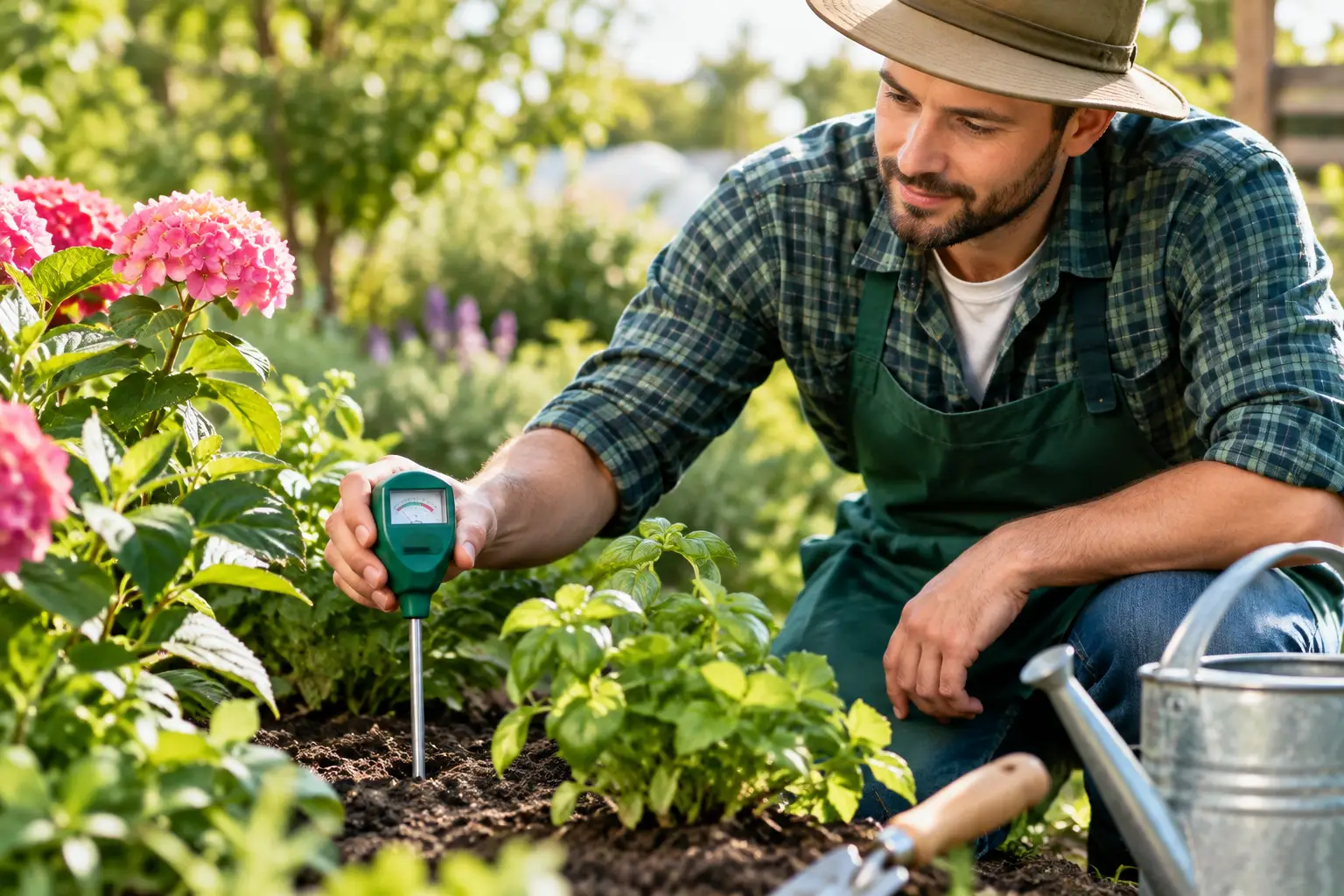
Before planting, pull out any spent crops, add compost, and water the bed deeply. Summer soil can become dry and hard, and new seeds need even moisture to germinate well. A light mulch can help hold moisture without smothering tiny seedlings.
12 best vegetables for fall planting
1. Lettuce
Lettuce is one of the easiest fall wins. Seeds sprout quickly in warm soil, and the cooler weather that follows helps leaves stay tender instead of turning bitter. Loose-leaf types are especially forgiving because you can harvest outer leaves as needed instead of waiting for a full head.
If your afternoons are still hot, give new seedlings a little shade for the first week. In raised beds or containers, lettuce does especially well with regular watering and a thin layer of compost worked into the top inch of soil.
2. Spinach
Spinach can be a little fussy in heat, which is exactly why fall suits it so well. Once temperatures cool, it grows steadily and produces sweeter, thicker leaves. In mild climates, spinach can even overwinter and start growing again in late winter.
For best results, keep the seedbed consistently moist until germination. Spinach seeds sometimes struggle in dry late-summer soil, so a quick daily sprinkle can make the difference between patchy sprouts and a full row.
3. Kale
Kale is one of those vegetables that makes gardeners look more skilled than they feel. It is sturdy, productive, and much happier in cool weather than in summer. A light frost improves the flavor, and plants can keep producing well into cold weather.
If you only have room for one fall crop, kale is a strong choice because it gives repeated harvests. Pick the outer leaves, leave the center growing, and it keeps coming.
4. Arugula
Arugula grows fast, which makes it perfect if you are getting a slightly late start. In cool weather it develops that peppery bite without becoming too sharp or tough. It is also one of the easiest greens to grow in shallow containers.
Sow it every couple of weeks for a longer harvest window. That staggered planting works especially well with salad greens because you avoid getting everything ready at once.
5. Radishes
Radishes are the quick reward crop of fall gardening. Many varieties mature in less than a month, which makes them ideal for filling gaps between slower vegetables. They also help build momentum if you are a newer gardener and want something that feels successful fast.
The main thing with radishes is consistency. If they dry out and then get flooded, roots can split or turn woody. Even moisture and loose soil matter more than fertilizer.
6. Carrots
Carrots are absolutely among the best vegetables for fall planting, especially if flavor matters to you. Cool nights help develop sweetness, and fewer summer pests means cleaner roots. They do need patience at the beginning because germination can be slow.
Keep the top layer of soil evenly damp until seedlings emerge. Some gardeners lay a board over the row for a few days to hold moisture, then remove it as soon as sprouts appear. Thin seedlings early so roots have space to size up.
7. Beets
Beets pull double duty by giving you edible roots and greens. That makes them a smart use of garden space, especially in smaller raised beds. Fall beets tend to be smoother and sweeter than spring ones, with less pressure from heat and bolting.
They prefer loose soil with decent organic matter, but avoid overdoing nitrogen. Too much can push leafy growth at the expense of root development.
8. Turnips
Turnips deserve more love in home gardens. They grow quickly, handle cool weather well, and are useful in the kitchen whether you harvest them small and tender or let them size up. The greens are also excellent when picked young.
If you have struggled with root crops before, turnips are often easier than carrots. They germinate faster and are a little more forgiving of less-than-perfect soil.
9. Broccoli
Broccoli can be frustrating in spring, when a sudden warm spell sends it flowering too soon. Fall is usually kinder. Start with transplants if your season is short, and keep them growing steadily with compost and regular watering.
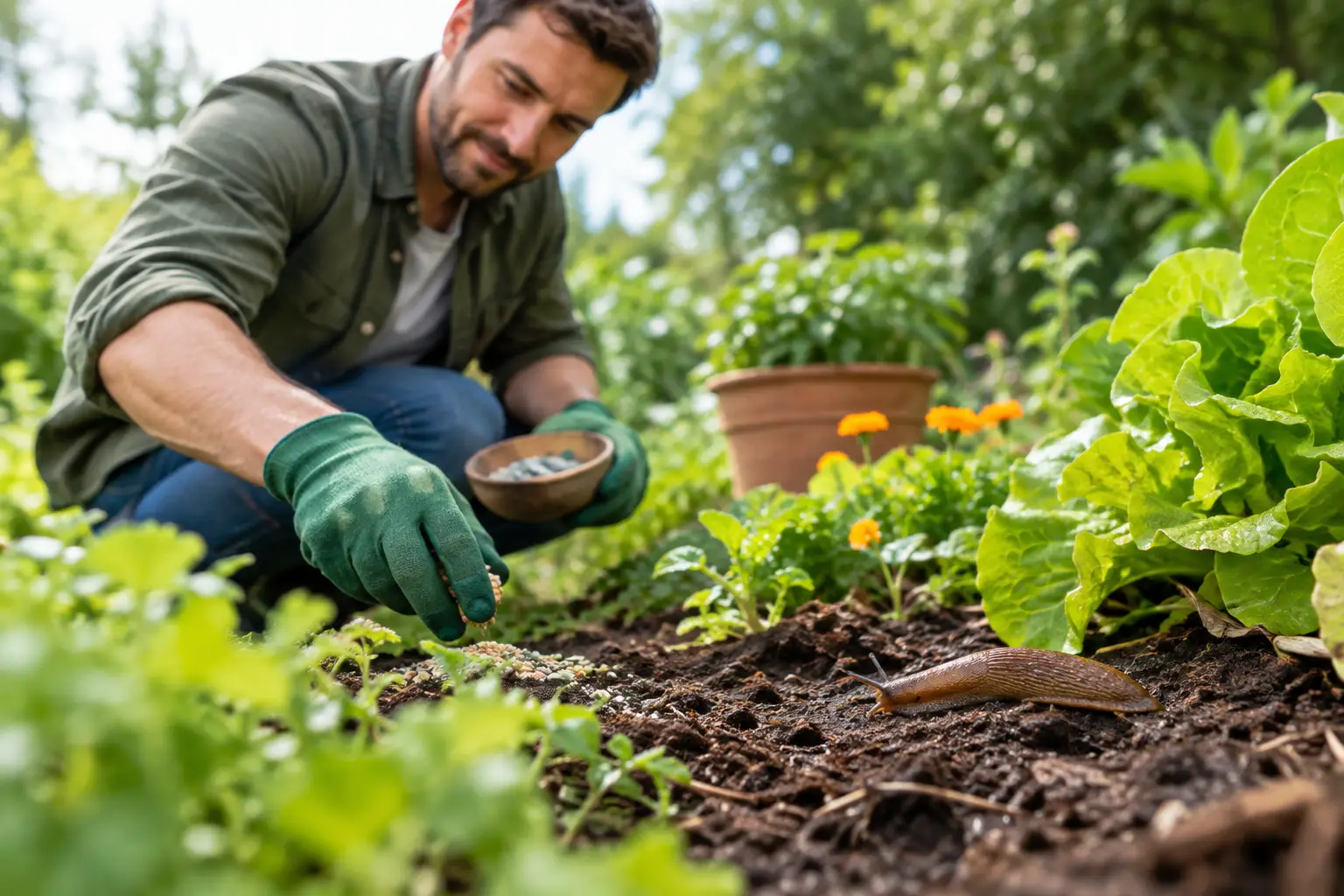
Watch for cabbage worms, since they still show up in fall gardens. Hand-picking, row covers, and healthy soil go a long way if you want to stay organic without reaching for harsh sprays.
10. Cabbage
Cabbage takes up more room, but it earns it. Fall-grown heads are often denser and sweeter than those grown through heat. It is a good choice if you want a crop that stores well after harvest.
Because cabbage needs time, it is better for gardeners who can plant on the early side of fall. In cooler northern areas, transplants usually make more sense than direct seeding.
11. Swiss chard
Swiss chard is helpful when you want something productive but less fussy about temperature swings. It tolerates warmth better than spinach and cold better than many summer greens, so it bridges the seasonal transition nicely.
It is also one of the best options for containers because the plants stay attractive and harvestable for a long time. Cut outer leaves often, and they will keep producing.
12. Peas
In some parts of the US, especially where winters are mild, fall peas are worth trying. They love cool weather and can be sweeter than spring plantings. In colder regions, this depends on timing. If your first frost comes early, peas may not have enough runway.
Choose a fast-maturing variety and give them a trellis from the start. Even short pea varieties appreciate support once they begin climbing.
How to choose the right fall crops for your garden
The best fall garden is not the one with the longest plant list. It is the one matched to your weather, space, and schedule. If you are planting late, lean toward quick crops like radishes, arugula, lettuce, and baby turnips. If you have a longer fall season, add broccoli, cabbage, carrots, and kale.
Container gardeners should focus on greens, radishes, beets, and chard, which adapt well to smaller spaces. Gardeners with larger beds can mix quick growers with longer-season crops so the space stays productive. It also helps to think about what you actually cook. A row of kale is only useful if someone at your house wants to eat kale.
A few organic tips for better fall harvests
Fall gardens usually need more attention to watering than people expect. Even when the air feels cooler, late-summer sun can dry out the top layer of soil fast, and that is where your seeds are trying to germinate. Water gently and consistently until seedlings are established.
Compost is your best reset button between seasons. After clearing summer crops, add an inch or two and lightly work it in. That refreshes the soil without pushing soft, overly lush growth. If pests were an issue in summer, clean up old plant debris well so you are not giving them a comfortable place to linger.
You may also need to protect crops from temperature swings. Shade cloth can help at planting time if it is still hot, while row covers can stretch your season once nights turn cold. Fall gardening is often less about fighting nature and more about smoothing out the transition.
A fall vegetable garden has a nice way of restoring confidence. Beds that looked worn out in August can feel full again in just a couple of weeks, and the harvests are often some of the best of the year. Start with a few easy crops, keep the soil alive with compost, and let the season surprise you a little.