One summer, I grew a striped heirloom tomato that tasted so rich and sweet it barely made it from the garden to the kitchen. Right beside it, a sturdy hybrid kept pumping out smooth, dependable slicers through heat, storms, and a bout of early blight. That pretty much sums up heirloom vs hybrid tomatoes for most home gardeners – one often wins on flavor and character, while the other usually makes life easier.
If you have been staring at seed packets and wondering which type deserves a spot in your bed, container, or raised garden, the good news is that this is not an all-or-nothing choice. The best pick depends on what you want most from your tomato season: unforgettable taste, fewer disease problems, heavy harvests, seed saving, or a little of everything.
Heirloom vs hybrid tomatoes at a glance
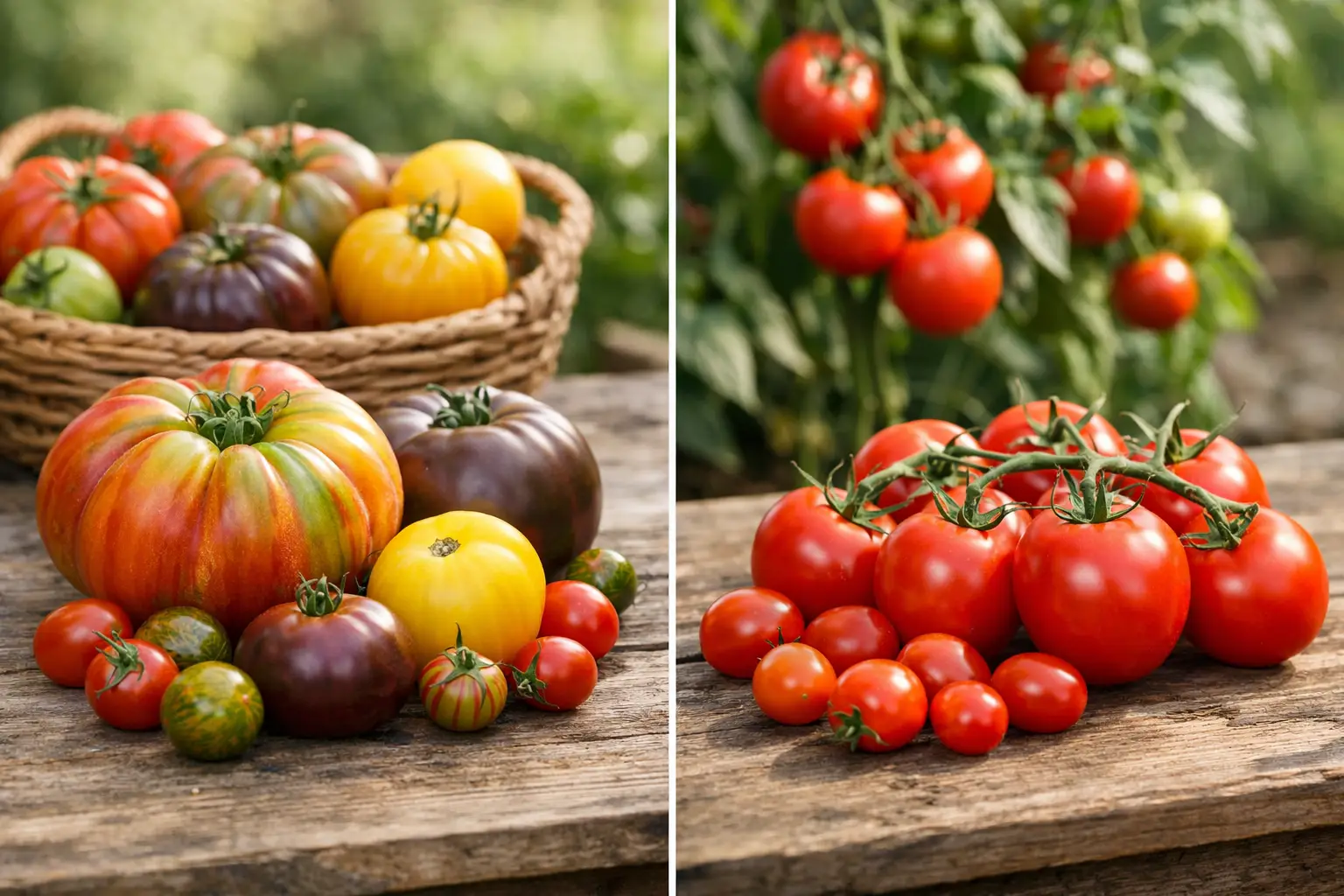
Heirloom tomatoes are open-pollinated varieties that have been passed down and preserved over time, usually because gardeners loved their flavor, color, shape, or history. If you save seed from a true heirloom and plant it next year, you can generally expect the new plants to grow true to type.
Hybrid tomatoes are created by deliberately crossing two parent varieties to combine specific traits. Those traits often include better disease resistance, improved uniformity, stronger productivity, crack resistance, or better performance in tough weather. If you save seed from a hybrid, the next generation usually will not be predictable.
That difference matters, but it does not tell the whole story. Plenty of gardeners assume heirlooms are always better tasting and hybrids are always bland. Real gardens are messier than that. Some heirlooms are spectacular. Some are underwhelming. Some hybrids are incredibly productive and taste much better than older supermarket tomatoes gave hybrids credit for.
Flavor is where heirlooms often shine
If your dream tomato is juicy, complex, and worth eating with nothing more than salt, heirlooms usually have the edge. Many famous heirloom varieties were kept alive for generations because they taste exceptional, not because they ship well or ripen evenly. That is why gardeners are still loyal to beefsteaks with odd shapes, thin skins, and colors that would never survive a cross-country truck ride.
Heirlooms also offer a wider range of flavor profiles. Some are smoky and rich, some bright and tangy, and some almost fruity. For gardeners who love tomato sandwiches, fresh salsa, or caprese salads, that flavor difference can be the whole point.
Still, flavor is affected by more than genetics. Sunlight, watering, healthy soil, and picking at the right stage all matter. A great heirloom grown in stressed, depleted soil may disappoint, while a well-grown hybrid can taste surprisingly good.
Hybrids usually make growing easier
Where hybrids tend to pull ahead is reliability. Many were bred to handle common tomato headaches that frustrate home gardeners, especially beginners. Disease resistance is a big one. If you live in a humid area, deal with soilborne problems, or lose tomatoes to wilt and leaf diseases every summer, a hybrid can save a lot of heartache.
Hybrids are often more uniform, too. The fruits may ripen more evenly, resist cracking better, and come in a steadier stream. That can be helpful if you want enough tomatoes at once for sauce, canning, or regular meals without constantly babying the plants.
This is especially valuable in smaller gardens. When you only have room for two or three plants, every square foot matters. A dependable hybrid can give you more confidence that your limited space will pay off.
Disease resistance can be the deciding factor
For many organic gardeners, this is the real fork in the road. You can grow either type naturally, but if your climate puts heavy disease pressure on tomatoes, hybrids often have a practical advantage.
That does not mean heirlooms are impossible in an organic garden. It means they may need more support from you. Good airflow, mulch, crop rotation, careful watering at the soil line, pruning where appropriate, and choosing the sunniest spot you have all become more important. Those habits help any tomato, but sensitive heirlooms especially benefit.
If you have lost tomato plants year after year and are trying to garden with fewer inputs and less frustration, a disease-resistant hybrid is not a compromise in values. It is often the most sensible way to grow healthy plants without reaching for stronger interventions.
Seed saving points clearly toward heirlooms
If you enjoy saving seeds, sharing them, or becoming more self-sufficient in the garden, heirlooms are the clear winner. Because they are open-pollinated, you can save seed from your favorite fruits and grow them again next season with much more predictable results.
That simple habit can help you build a garden that gets better adapted to your conditions over time. It also connects you to the older, deeply human side of gardening – keeping a variety going because it is delicious, beautiful, or tied to family memories.
Hybrid seeds do not work that way. You can save them, but the offspring may vary widely and often will not resemble the plant you loved. For gardeners who just want reliable annual results, that may not matter. For gardeners who like preserving varieties and cutting seed costs, it matters a lot.
Cost, availability, and expectations
Heirloom seedlings often cost a bit more at local nurseries, especially if they are unusual varieties. Hybrid seeds can also be pricier than open-pollinated seeds, depending on the breeding behind them. So price is not always a simple heirloom-or-hybrid issue.
What matters more is value. If a hybrid gives you ten extra pounds of tomatoes and shrugs off disease, that can be money well spent. If an heirloom gives you the best-tasting tomato of your season, that has its own kind of value too.
It also helps to be honest about expectations. If you want perfect-looking fruits every time, heirlooms may test your patience. Many are irregular, prone to cracking, or softer-skinned. If you love quirky shapes and are happy to slice around a blemish now and then, those flaws may feel like part of the charm.
Which type is better for containers and small gardens?
In small-space gardens, hybrid tomatoes often have the advantage because they are bred for consistency and can offer compact growth habits or strong disease resistance in tight conditions. If you are growing on a patio or balcony, that reliability matters. Container tomatoes face extra stress from uneven moisture, summer heat, and limited root space.
That said, heirlooms are not off the table. Smaller heirloom varieties can do well in large containers if you stay on top of watering and feeding. The key is to match the plant to the space instead of falling in love with a giant heirloom that really wants to sprawl across half the yard.
For many gardeners, the smartest move is balance. Grow one dependable hybrid for steady harvests and one heirloom for flavor. That way, you get insurance and a little garden excitement in the same season.
How to choose between heirloom vs hybrid tomatoes
Start with your biggest priority. If flavor and variety matter most, lean heirloom. If you want productivity and fewer disease issues, lean hybrid. If you are gardening in a tough climate, new to tomatoes, or tired of losing plants before harvest, hybrids can make success much easier.
Also think about how you eat tomatoes. For fresh slicing, heirlooms are often hard to beat. For steady salads, lunchbox snacking, or preserving, hybrids can be incredibly useful. And if you want to save seeds, heirlooms are the better long-term fit.
A practical test works better than theory. Grow one or two of each type this season. Keep notes on taste, yield, plant health, and how much fuss each one required. Your garden will tell you more than any seed catalog can.
A few growing tips that help both
No matter which type you choose, tomatoes do best with rich soil, steady moisture, full sun, and regular feeding. Mulch helps conserve water and keeps soil from splashing onto leaves, which can reduce disease spread. Water deeply and consistently rather than in quick daily sips.
Try not to crowd plants. Good airflow can make a bigger difference than many gardeners expect, especially in humid weather. And harvest often. The more you pick, the more many varieties keep producing.
If you are growing organically, healthy soil is your best foundation. Compost, gentle organic fertilizers, and simple preventive care usually do more for tomato success than any last-minute fix.
The nicest thing about this choice is that you do not have to join a team. Some years call for a high-flavor heirloom that makes summer sandwiches unforgettable. Other years call for a hardworking hybrid that keeps dinner on track when the weather turns rough. A good garden has room for both, and learning what thrives in your space is half the fun.