A batch of compost tea can feel a little like garden magic the first time you use it. You steep finished compost in water, give it a bit of time, and end up with a gentle liquid feed that can perk up tired plants and support healthier soil. If you’ve been wondering how to make compost tea without buying a pile of gear or turning it into a science project, the good news is that it’s simpler than it sounds.
What matters most is starting with good compost and keeping your expectations realistic. Compost tea is not a cure-all, and it won’t fix poor soil overnight. But used well, it can be a helpful part of an organic gardening routine, especially when you want a mild, natural boost for vegetables, herbs, flowers, and container plants.
What compost tea actually does
Compost tea is water that has been infused with the soluble nutrients and beneficial microbes found in finished compost. Think of it as a quick way to deliver some of what compost already offers, but in liquid form.
That said, it works best as a supplement, not a replacement for adding regular compost to your beds. If your soil is low in organic matter, spreading finished compost on the surface or mixing it in will do more long-term good than tea alone. Compost tea is useful when you want a lighter feeding, a soil drench around established plants, or a way to support potted plants that have used up some of the goodness in their container mix.
The easiest way to make compost tea
For most home gardeners, the simplest method is also the most practical. You do not need pumps, tubing, or fancy ingredients to get started. A basic non-aerated compost tea is easy to make and works well for everyday garden use.
What you need
You only need a few things: finished compost, water, a bucket, and something to strain with, such as cheesecloth, an old pillowcase, or a fine mesh bag. If your tap water is heavily chlorinated, let it sit out overnight before using it. That gives chlorine a chance to dissipate, which is helpful if you want to preserve more microbial life.
The compost itself matters more than anything else. Use dark, crumbly, earthy-smelling compost that is fully finished. If it smells sour, looks slimy, or still contains lots of recognizable food scraps, it’s not ready.
Basic recipe
A good starting ratio is about 1 part compost to 5 parts water. So if you use 2 cups of compost, mix it with about 10 cups of water. You do not have to be exact. Gardening usually allows a little wiggle room.
Put the compost in your cloth bag or directly into the bucket, add water, and stir well. Let it steep for 24 to 48 hours, stirring once or twice during that time. After that, strain out the solids if needed. What’s left is your compost tea.
Use it right away if you can. Fresh tea is best. The longer it sits, the less predictable it becomes.
How to make compost tea safely
This is the part that often gets skipped, but it matters. If you’re using compost tea around edible plants, especially leafy greens, you want to be thoughtful about cleanliness and ingredients.
Start with compost made from plant materials or well-managed compost that has fully finished. Avoid using compost that contains pet waste, meat scraps, dairy, or anything questionable for this purpose. Also skip adding sweeteners like molasses unless you really understand the brewing process. Those recipes are often shared online, but for beginners they can increase the chance of growing the wrong microbes if conditions are off.
For home gardens, the safest approach is simple compost, clean water, a clean bucket, and quick use. Apply it to the soil around the plant base more often than directly onto leaves you plan to harvest soon. That’s a sensible middle ground for gardeners growing food at home.
When and where to use it
Compost tea is most helpful when plants are actively growing. I like it for tomatoes once they’re settled in, for leafy greens early in the season, for herbs in containers, and for flowering annuals that need a little encouragement.
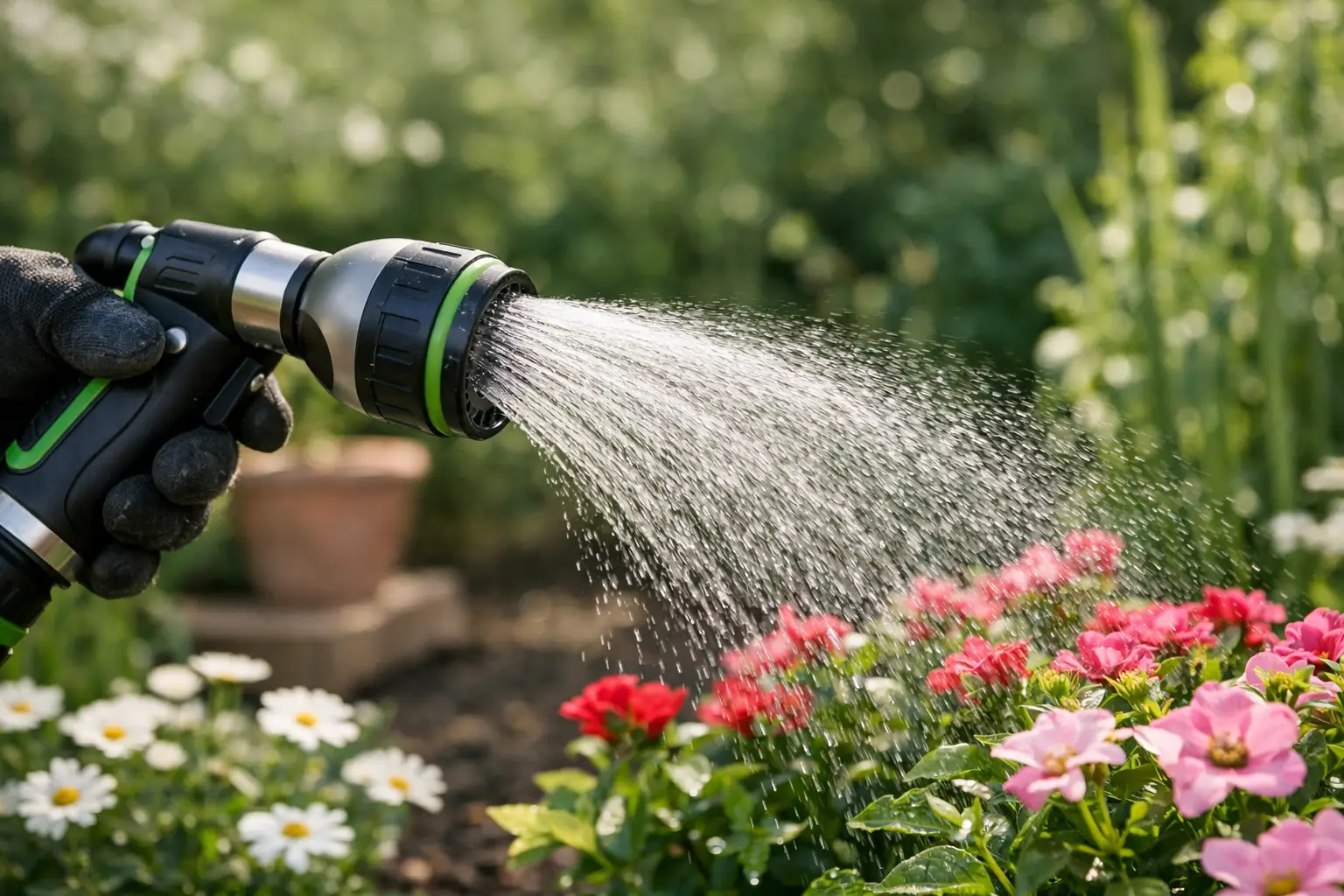
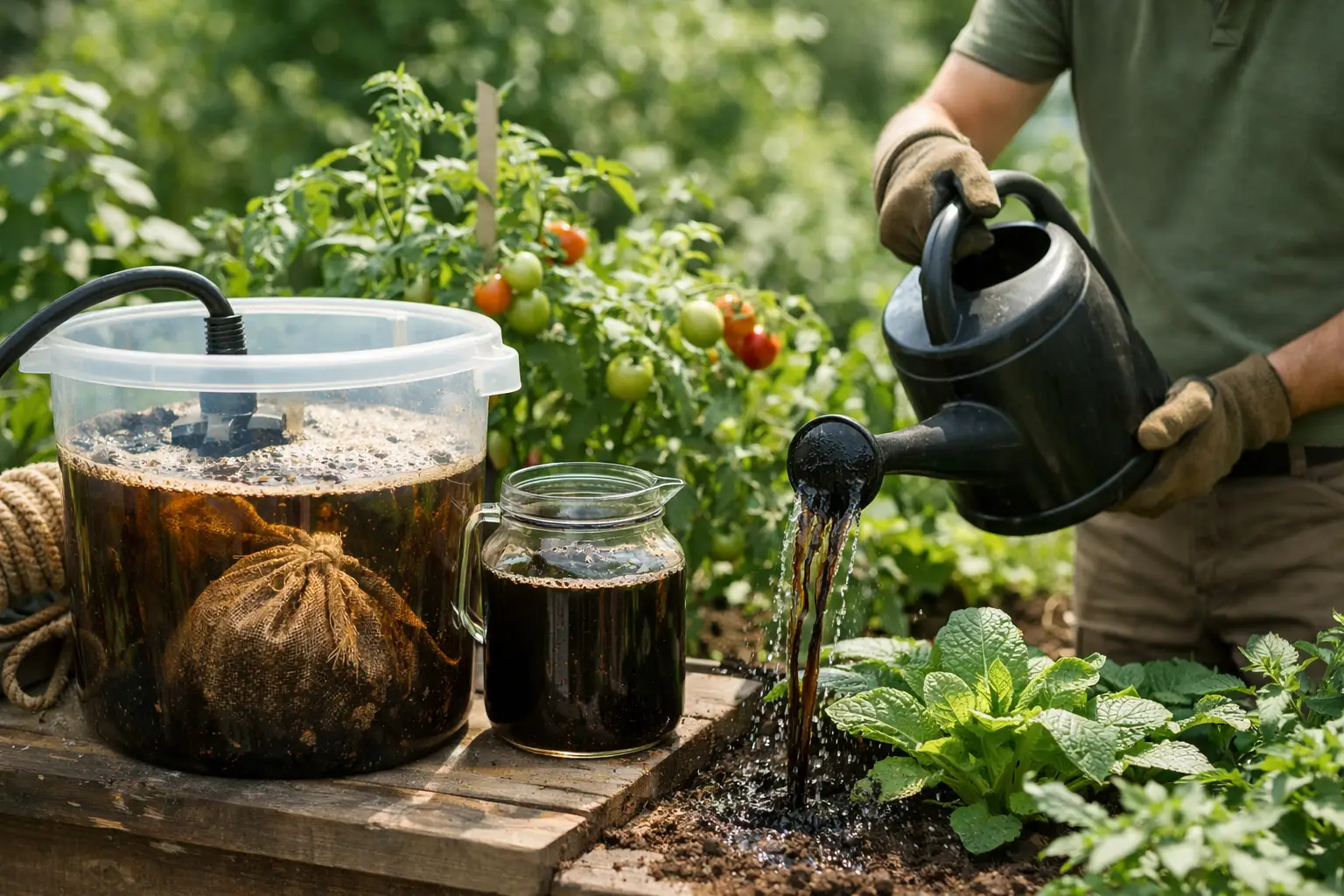
Use it as a soil drench around the root zone. Pour it slowly so it soaks in rather than runs off. Early morning or late afternoon is a good time, especially in warm weather.
If you want to use it as a foliar spray, you can, but that’s where the trade-offs show up. Some gardeners swear by foliar applications, while others prefer to keep things simple and stick to the soil. If you’re growing food crops, soil drenching is the easier and more cautious route.
How often should you apply compost tea?
More is not always better. Compost tea is mild, which is part of its appeal, but plants still don’t need constant feeding.
For most garden beds, every two to four weeks during active growth is enough. Container plants may benefit from slightly more frequent applications because they use up nutrients faster and get watered more often. If your plants already look healthy and your soil is rich, you may only need it occasionally.
Pay attention to your plants instead of following a strict calendar. If growth is steady, leaves look healthy, and flowering or fruiting is on track, you’re probably doing enough.
Common mistakes that cause disappointing results
The biggest mistake is using unfinished or poor-quality compost. If the compost is weak, the tea will be weak too. Good compost makes good compost tea. There’s no shortcut around that.
Another common issue is treating compost tea like a complete fertilizer. It isn’t. If your tomatoes are pale from a nitrogen shortage or your peppers are struggling in exhausted soil, tea may help a little, but it may not solve the problem by itself. Sometimes the better answer is to top-dress with finished compost, add an organic fertilizer, or improve watering habits.
Brewing too long can also backfire. People sometimes think more soaking equals stronger tea, but after a point, you’re not improving it. A day or two is usually plenty for a simple batch.
And finally, don’t store it for later thinking it will keep like bottled fertilizer. Compost tea is best fresh. Make what you’ll use within a day.
How to make compost tea for containers and raised beds
If you garden in small spaces, compost tea is especially handy because it’s easy to apply and doesn’t leave chunks of compost on the surface of pots. In raised beds, it can give crops a gentle boost without overfeeding. In containers, it helps refresh the root zone when potting mix starts to tire midway through the season.
For pots, dilute the tea if it looks very dark, using roughly equal parts tea and water. Then water the soil until you see a little moisture come through the drainage hole. For raised beds, apply it around established plants after regular watering or on slightly damp soil so it soaks in better.
This is one of those cases where gentle and consistent usually beats strong and occasional.
A quick word on aerated compost tea
You may come across recipes that use an air pump to keep the mixture oxygenated while it brews. That’s called aerated compost tea. Some gardeners like it and get good results, but it asks for more attention, cleaner technique, and a little more know-how.
If you’re brand new, I’d start with the simple steep-and-strain method first. It removes a lot of complication and still gives you a useful garden input. You can always experiment later if you enjoy the process and want to compare results in your own beds.
Is compost tea worth making?
Yes, if you see it for what it is. Compost tea is a helpful, low-cost way to put finished compost to work in another form. It can support plant health, encourage biological activity in the soil, and fit nicely into a natural gardening routine. But it works best alongside the basics: healthy soil, regular compost, smart watering, enough sunlight, and patience.
That balance matters. Gardeners sometimes go looking for one fix that does everything, and gardens rarely work that way. A bucket of compost tea won’t replace the fundamentals, but it can absolutely be one of those small habits that makes your garden feel healthier, steadier, and easier to manage over time.
If you’ve got a bucket, some finished compost, and a few thirsty plants, that’s enough to begin. Start simple, notice how your plants respond, and let the garden teach you the rest.