A tray of healthy seedlings can look perfect one day, then suddenly start fading to pale green or yellow. If you’re asking why are seedling leaves turning yellow, the good news is that this is usually a fixable problem. Young plants are quick to show stress, but they are also quick to bounce back once you correct the cause.
The tricky part is that yellowing does not point to just one issue. Seedlings can yellow from too much water, not enough light, nutrient problems, cold stress, root damage, or simply because they are shedding their first baby leaves. The best way to solve it is to look at the whole plant, not just the color.
Why are seedling leaves turning yellow? Start with the pattern
Before you change anything, take a close look. Are only the lowest leaves yellow? Is the whole seedling pale? Are the leaves limp and soggy, or dry and crisp? Did the color change happen right after transplanting, or after a stretch of cloudy weather?
Those small clues matter. Yellow leaves caused by overwatering look different from yellow leaves caused by hunger or low temperatures. Seedlings do not have much margin for error, so the pattern often tells you what happened first.
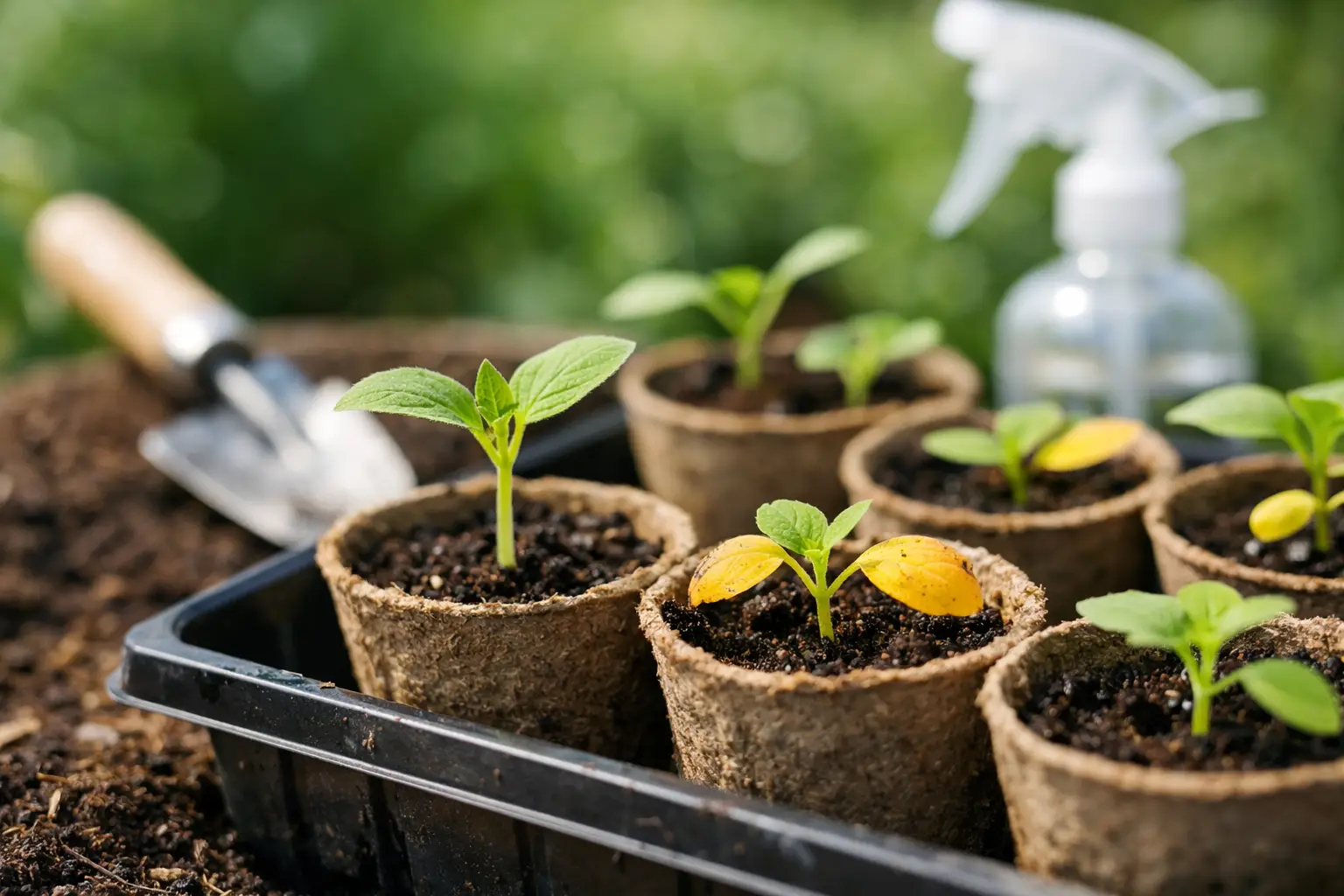
If the yellowing is limited to the seed leaves, also called cotyledons, that is often normal. Those first round or oval leaves are a starter kit, not the plant’s permanent foliage. Once true leaves appear and begin growing well, the seed leaves often fade and drop off.
The most common cause is too much water
This is the one many gardeners run into, especially indoors. Seedlings need consistent moisture, but they do not want to sit in soggy mix. When roots stay too wet, they struggle to get oxygen. The plant responds by turning pale or yellow, and growth slows down.
Overwatered seedlings often look soft and droopy even though the soil is wet. That can be confusing, because drooping makes people water again. If the potting mix feels heavy, cold, or constantly damp, water is probably part of the problem.
Let the surface dry slightly before watering again, and make sure containers drain well. A light, seed-starting mix helps too. If you’re using reused containers, check that drainage holes are open and not blocked with old soil.
Too little water can cause yellowing too
On the other side of the problem, seedlings that dry out too often can turn yellow from stress. This usually comes with wilting, thin stems, and dry mix that pulls away from the edge of the container.
The difference is texture. Underwatered seedlings tend to look limp and papery rather than soft and swollen. If this has happened more than once, some roots may already be damaged, which makes the plant less able to recover quickly.
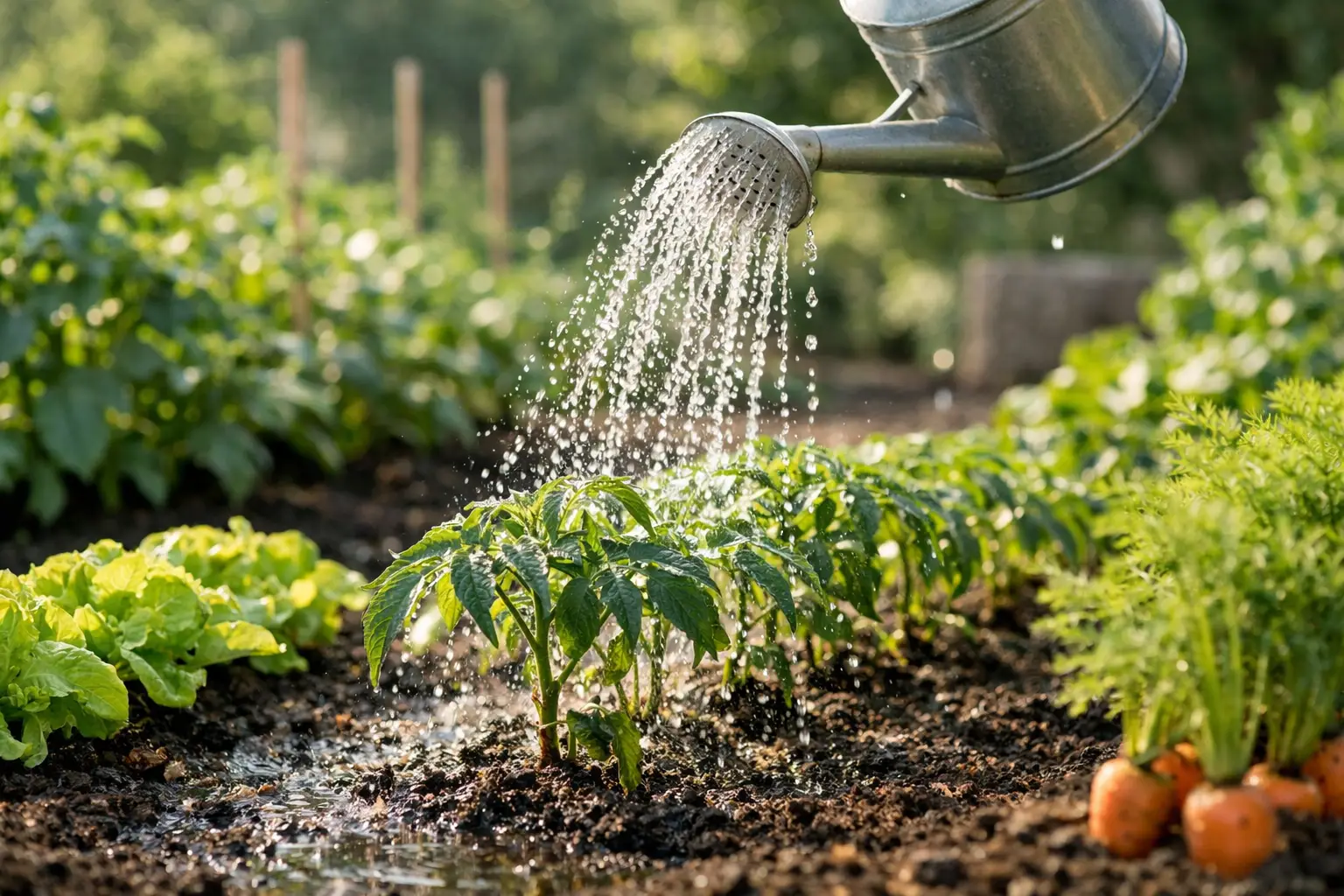
The fix is simple but steady. Water thoroughly until excess drains out, then keep moisture even instead of swinging from bone dry to soaked. Small cell trays dry out fast, especially near sunny windows or under grow lights.
Not enough light makes seedlings pale and weak
Seedlings need more light than many people expect. A bright window may feel sunny to us and still be too dim for tomatoes, peppers, basil, and other warm-season crops. When light is weak, seedlings often stretch, lean, and turn light green or yellowish because they cannot make enough energy to support strong growth.
This yellowing usually comes with legginess. The stems get tall and thin, and the leaves stay small. If your seedlings look washed out rather than spotted or damaged, light is worth checking early.
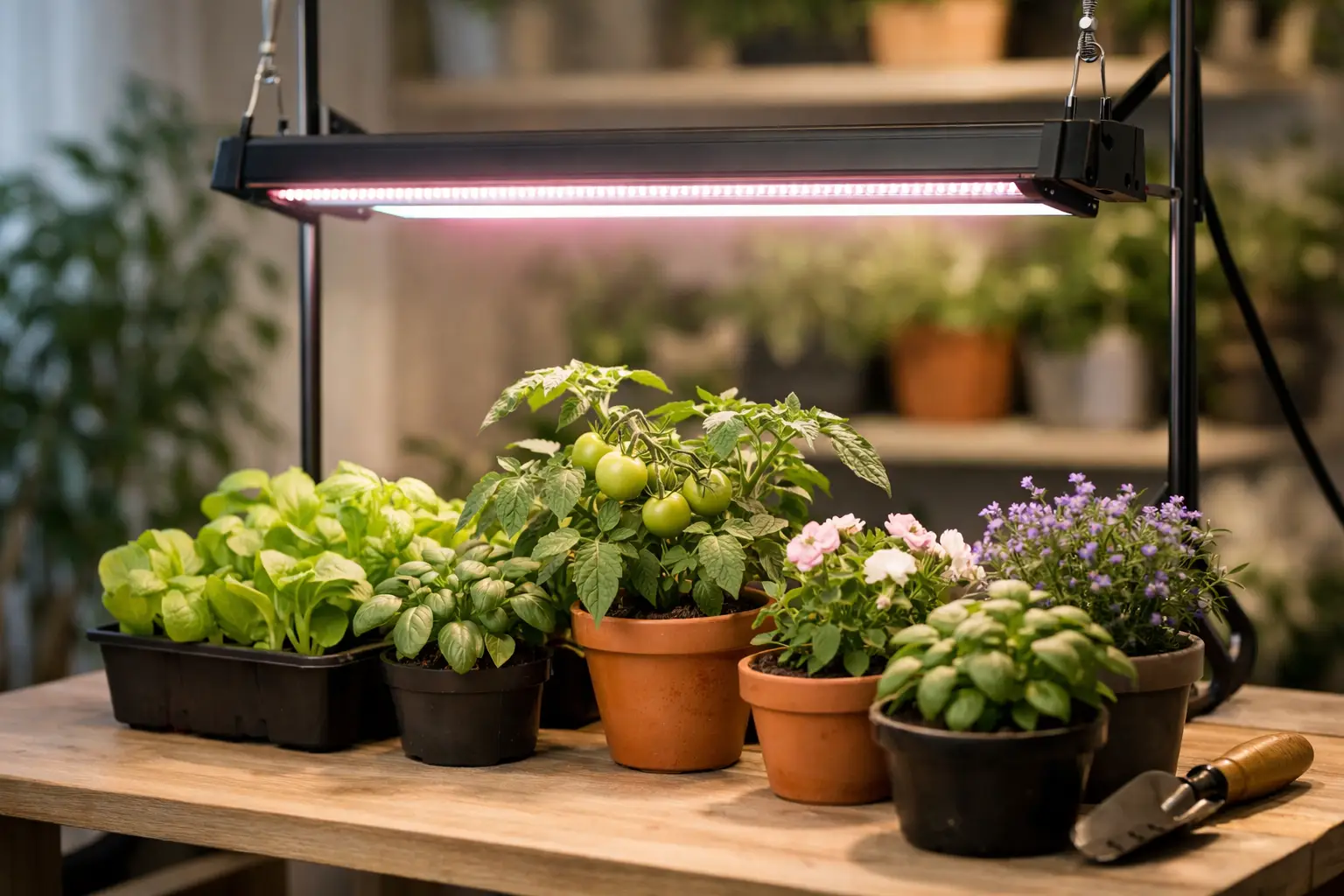
Move them to a brighter location or place grow lights just a few inches above the tops of the plants, adjusting as they grow. More light usually helps within a few days, though stretched stems will not shorten again.
Nutrient shortages show up after the first true leaves
Seed-starting mix is usually low in nutrients on purpose. That’s helpful for germination, but once seedlings grow their true leaves, they need a little food. If they stay in cells or pots too long without feeding, older leaves may start yellowing first.
Nitrogen deficiency is the most common nutrient issue at this stage. It tends to make the whole plant look pale, with older leaves fading before new ones. Growth slows, and seedlings can look stuck.
A gentle organic liquid fertilizer, diluted to half strength or less, usually does the job. Fish emulsion, seaweed blends, or balanced organic seedling feeds can work well if used lightly. More is not better here. Strong fertilizer can burn tender roots and create a new problem.
Cold soil and temperature swings can wash out the leaves
Young plants are sensitive to chilly nights, cold windowsills, and sudden drafts. Warm-season seedlings like tomatoes, peppers, eggplant, and basil may respond to cold stress with yellowing, slowed growth, or a purplish cast on stems and leaf undersides.
Sometimes the plant is not truly deficient in nutrients, but cold roots cannot take them up well. That is why a seedling can look hungry even when the mix contains enough nutrition.
If your seedlings are near a cold window or in an unheated room at night, moving them to a steadier spot may help more than adding fertilizer. Warmth and light often solve what first looks like a feeding problem.
Transplant shock can turn leaves yellow for a short time
If yellowing starts right after potting up or moving seedlings outdoors, transplant shock may be the reason. Roots are easily disturbed, and even careful handling can slow a seedling down for a few days.
This kind of yellowing is often temporary. The plant may droop, pause, or lose one or two lower leaves while roots settle in. It tends to improve if the plant is kept evenly moist, protected from harsh afternoon sun, and not pushed with heavy fertilizer.
When transplanting, handle seedlings by their leaves rather than their stems, and move them before roots become tightly crowded. Rootbound seedlings are more likely to stall and yellow after transplanting.
Sometimes the roots have simply run out of room
Seedlings grow fast once they get going. If they stay too long in small cells, roots circle, compete for water, and use up available nutrients. The top growth may turn pale, and the lower leaves often yellow first.
You may notice roots poking from the drainage holes or a plant that dries out far too quickly between waterings. In that case, the issue is not just feeding. The plant needs more space.
Potting up into a slightly larger container with fresh mix can make a big difference. Choose the next size up rather than jumping to an oversized pot, which can stay wet too long.
Pests and disease are less common, but worth checking
Most indoor seedlings yellow from care issues, not disease. Still, fungus gnats, damping-off conditions, or root problems can show up if the growing area stays too wet and has poor airflow.
If stems are pinched at the soil line, collapse suddenly, or the potting mix smells sour, you may be dealing with more than routine stress. Seedlings with severe root rot or damping off usually do not recover well. It is often better to start fresh with clean containers, fresh mix, and less frequent watering.
For fungus gnats, let the surface dry a bit more between waterings and improve airflow. The adults are annoying, but the bigger concern is the damp conditions that let them thrive.
How to figure out the cause quickly
If you’re trying to decide what to fix first, start with moisture, light, and temperature. Those three solve most cases. Put a finger into the mix, look at how close the light source is, and think about nighttime temperatures.
Then look at leaf age. If only the oldest seed leaves are yellowing, that may be normal. If older true leaves are yellowing on a seedling that’s been in the same cell for weeks, think nutrients or crowded roots. If the whole plant is pale and stretched, think light. If it is yellow and droopy in wet soil, think overwatering.
This is where a calm approach helps. Changing five things at once makes it harder to know what worked. Correct the most likely cause, give the seedling a few days, and watch new growth more than old damaged leaves.
What to do right now for yellow seedlings
Start by checking drainage and watering habits. If the mix is soggy, let it dry slightly and improve airflow. If it is dry, water deeply and return to a steadier schedule.
Next, make sure the seedlings are getting enough light. Most vegetables need far more than a windowsill provides, especially in late winter and early spring. If they already have true leaves, begin a light feeding routine with a diluted organic fertilizer.
Finally, check whether they need to be potted up or moved to a warmer spot. A seedling that has enough light, warmth, air, and room usually finds its color again.
Gardening has a way of making small problems look dramatic, especially at the seedling stage. A yellow leaf is not a verdict on your season. It is just the plant’s way of asking for an adjustment, and once you learn to read those early signals, you get much better at catching problems before they spread.