One of the easiest ways to waste money in the garden is buying the wrong fertilizer for the job. If you have ever stood in the garden center staring at shelves of bottles, boxes, and bags, wondering what your tomatoes or herbs actually need, you are not alone. The choice between liquid fertilizer vs granular fertilizer can feel bigger than it should, especially when you are trying to garden naturally and keep things simple.
The good news is that this is not a right-or-wrong decision. Both types can work beautifully in an organic home garden. The better question is when each one makes sense, and how to use it without overfeeding, underfeeding, or making life harder than it needs to be.
Liquid fertilizer vs granular fertilizer: the real difference
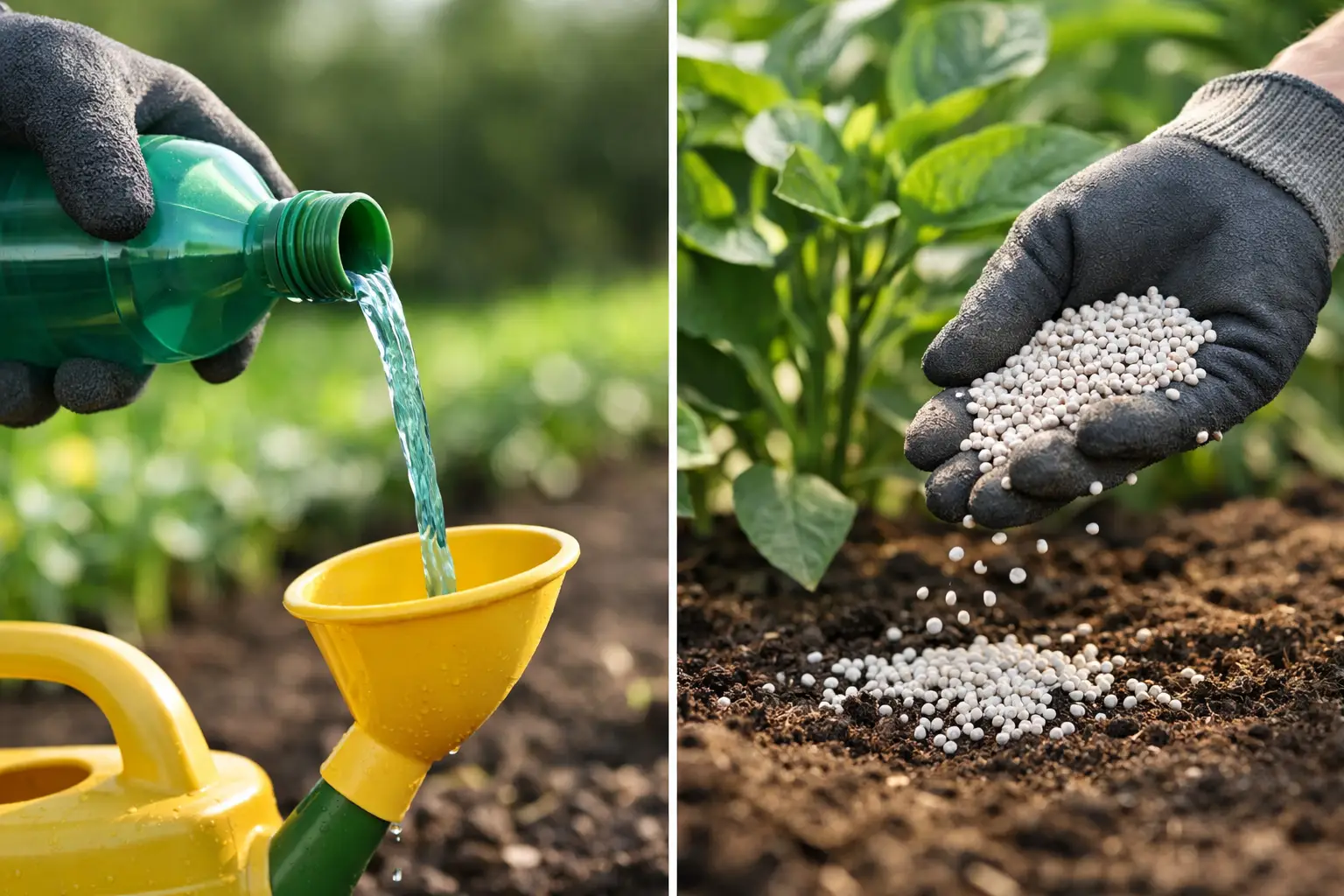
At the most basic level, liquid fertilizer is mixed with water and applied as a drench or spray, while granular fertilizer comes in dry pellets, crumbles, or powders that you scatter on the soil. That sounds straightforward, but the way they behave in the garden is where the real difference shows up.
Liquid fertilizer acts faster. Because nutrients are already dissolved or ready to dissolve quickly, plants can access them sooner. That makes liquid feeding useful when a plant looks hungry, growth has stalled, or you want to give heavy feeders a steady boost during the season.
Granular fertilizer is usually slower and steadier. Once applied, it breaks down over time with moisture and soil life. In an organic garden, that slower release often lines up nicely with how healthy soil works anyway. You are not just feeding the plant. You are feeding the life in the soil that supports the plant.
Neither is automatically better. Fast is helpful in some situations. Slow and steady is better in others.
When liquid fertilizer makes the most sense
Liquid fertilizer shines when timing matters. If you are growing tomatoes in containers, keeping basil productive on a hot patio, or trying to support cucumbers during a stretch of rapid growth, a liquid feed can help because nutrients become available quickly.
This is also the format many gardeners find easiest to adjust. If your lettuce is growing fine, you can hold back. If your peppers are pale and sluggish, you can feed lightly and watch how they respond. That flexibility is useful, especially for beginners who are still learning what healthy growth looks like.
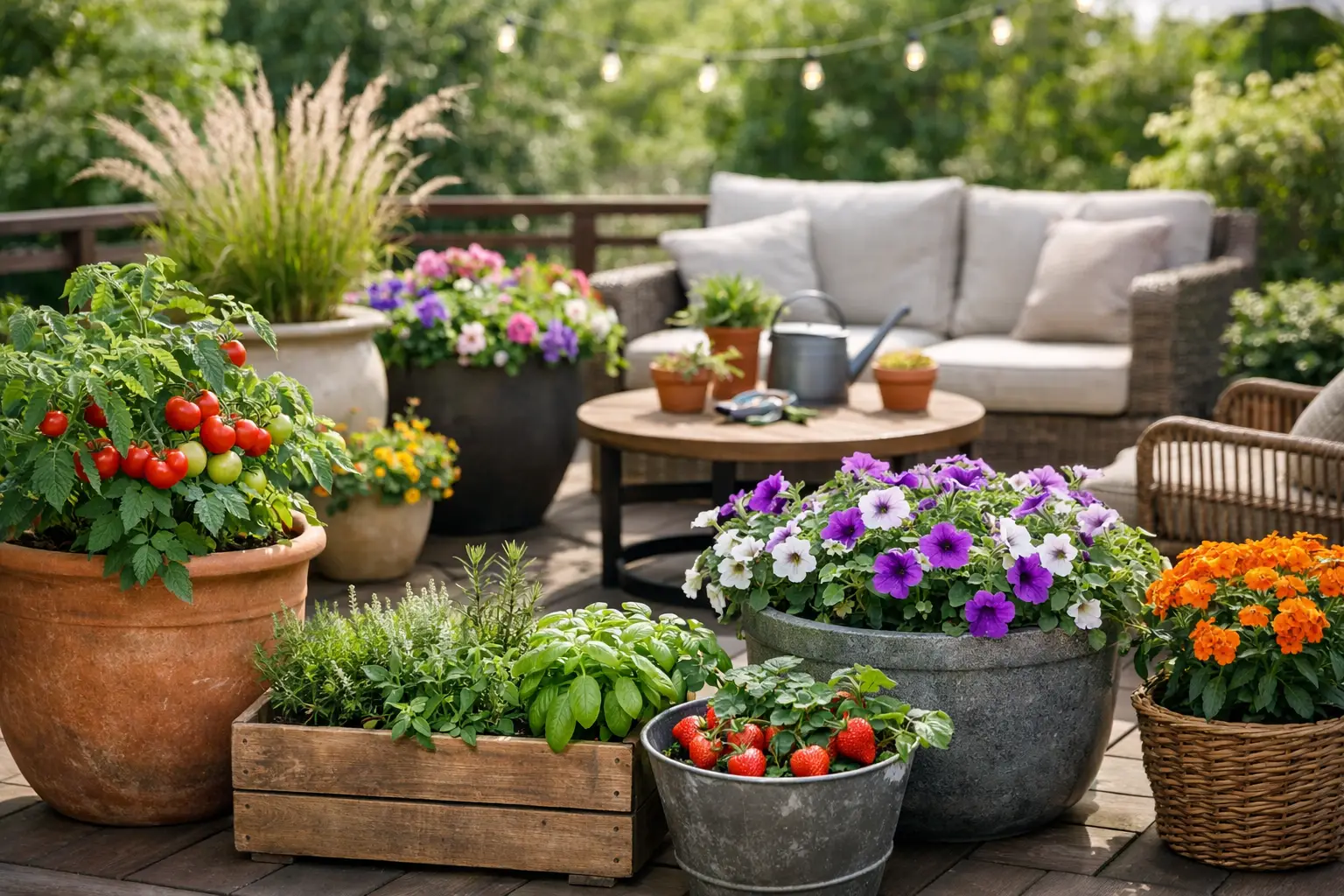
Liquid feeding can be especially practical in containers. Potting mix does not hold nutrients the way rich garden soil does, and frequent watering washes nutrients out faster. A regular, diluted liquid fertilizer often keeps container plants more even and productive than occasional heavy feeding.
The trade-off is that liquid fertilizers do not usually last as long. You will need to apply them more often, especially during peak growth. If you forget for a couple of weeks in midsummer, plants may show it.
There is also a tendency to think, if a little helps, more must help more. In reality, overdoing liquid fertilizer can stress roots, push weak leafy growth, or reduce flowering and fruiting. This happens a lot with vegetables that get too much nitrogen and end up big, green, and disappointing.
When granular fertilizer is the better fit
Granular fertilizer is often the easier choice for garden beds, raised beds, and long-season crops. If you want to prep the soil once, plant, and not think about feeding every few days, granular products are appealing for a reason.
You apply them less often, and many organic granular fertilizers release nutrients gradually as soil microbes break them down. That slower pattern suits crops like squash, beans, corn, and even many perennial herbs. It also works well when you are building fertility over time instead of trying to correct a problem overnight.
Granular fertilizer can feel more forgiving, too. You are less likely to get a sudden flush of overly soft growth, and in healthy soil, the release tends to be gentler. For gardeners focused on sustainable methods, this can be a good match because it supports a more natural rhythm.
The downside is speed. If your plant is already struggling and clearly needs support now, granular fertilizer may not act fast enough. It also depends more on moisture and soil activity. In cool soil, dry conditions, or tired soil with low biological activity, nutrients may become available more slowly than expected.
Another common mistake is sprinkling granular fertilizer on the surface and assuming rain will handle the rest. Sometimes that works. Sometimes it just sits there longer than you hoped. Watering it in and applying it evenly makes a big difference.
What works best in an organic garden
For most home gardeners, the best answer is not liquid or granular. It is both, used with a little intention.
If you garden organically, think of granular fertilizer as your foundation and liquid fertilizer as your support tool. A dry organic fertilizer mixed into beds before planting gives crops a steady baseline. Then, if plants hit a demanding stage like flowering, fruiting, or repeated harvesting, a gentle liquid feed can help carry them through.
That approach works especially well for vegetables. Tomatoes, peppers, cucumbers, and zucchini often benefit from a solid soil-based feeding plan plus occasional liquid support during their busiest weeks. Leafy greens may only need mild feeding if the soil is already rich. Herbs often need less than people think, especially if you want good flavor instead of soft, overly lush growth.
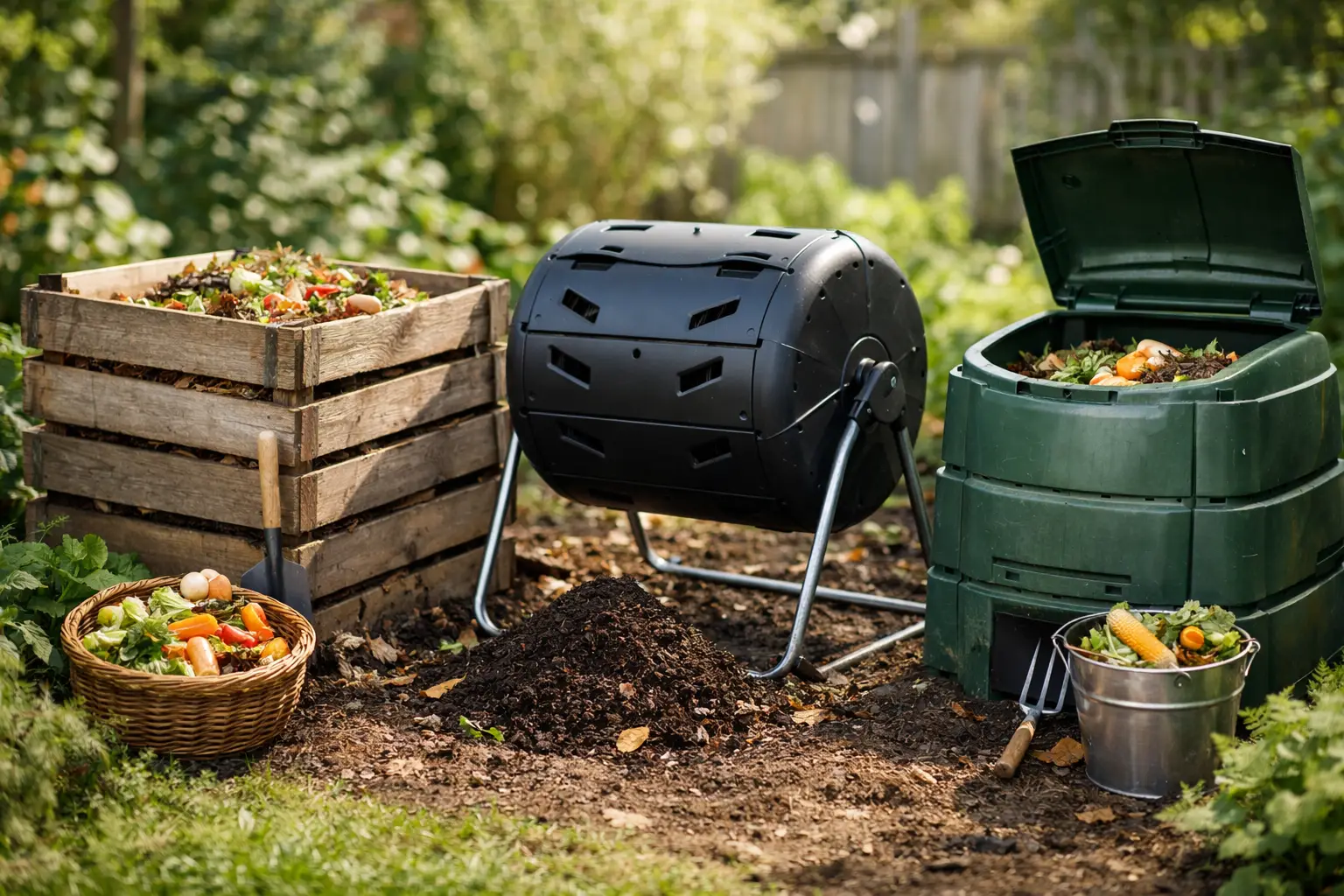
This is also where compost deserves a mention. Compost is not a complete answer to every fertility problem, but it belongs in the conversation. Good compost improves soil structure, helps retain moisture, feeds microbes, and adds slow, gentle nutrition. In many gardens, compost plus an organic granular fertilizer does more long-term good than relying on quick liquid feeds alone.
Liquid fertilizer vs granular fertilizer for different garden setups
If you grow mostly in containers, liquid fertilizer usually earns its keep faster. Pots lose nutrients quickly, and plants depend on you for almost everything. A light feeding routine is often simpler than trying to time slow-release products perfectly.
If you grow in raised beds, granular fertilizer is often more convenient as a starting point. You can mix it in before planting and top-dress later if needed. Liquid fertilizer still helps when crops are fruiting hard or recovering from stress, but it does not need to carry the whole season.
If you garden directly in the ground and your soil is healthy, granular feeding and compost usually do most of the heavy lifting. Liquid fertilizer becomes more of a targeted tool than an everyday routine.
For seedlings and transplants, a diluted liquid fertilizer can be useful after plants settle in. Not immediately on planting day, but once roots begin to establish, a mild liquid feed can encourage steady growth without overwhelming a young plant.
How to choose without overthinking it
A simple way to decide is to ask three questions.
First, how fast do your plants need help? If the answer is soon, liquid fertilizer makes more sense. If you are planning ahead, granular is often the better fit.
Second, where are you growing? Containers lean liquid. Beds and in-ground gardens lean granular, with liquid as backup.
Third, how hands-on do you want to be? Some gardeners enjoy mixing a weekly feed and checking in on every pot. Others want a lower-maintenance approach. There is no prize for making your fertilizer routine more complicated than your life allows.
If you are still unsure, start small. Use one organic granular fertilizer for your beds and one gentle liquid fertilizer for containers or heavy feeders. That alone covers most home garden needs without turning your shed into a fertilizer aisle.
A few common mistakes to avoid
The biggest mistake is feeding on a schedule instead of feeding based on plant needs. More fertilizer does not fix poor light, compacted soil, inconsistent watering, or overcrowding. If a plant is struggling, fertilizer may help, but it is not always the first answer.
Another mistake is choosing products by the biggest numbers on the label. In a natural garden, balanced, moderate feeding usually beats aggressive feeding. Fast growth is not always healthy growth.
It also helps to remember that stressed plants can be sensitive. During extreme heat, drought, or transplant shock, heavy feeding can do more harm than good. Water first, let plants recover, and then feed lightly if needed.
A healthy garden rarely comes from one perfect product. It comes from paying attention, building decent soil, and giving plants what they need at the right time. If liquid fertilizer helps you respond quickly, use it. If granular fertilizer helps you stay consistent, use that. And if you end up using both, that is often where the garden starts to feel easier instead of more confusing.